
Homemade Self-Rising Flour Blend Recipe
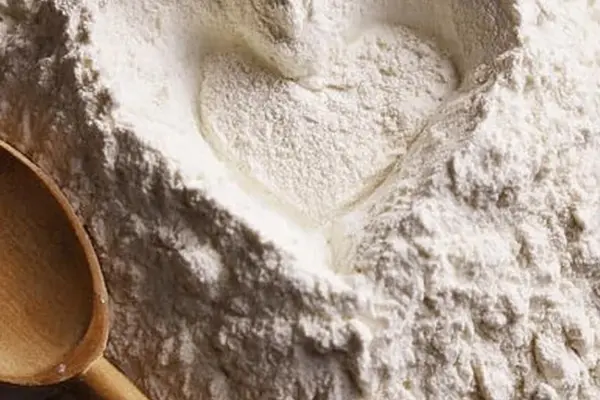
By Emma
Certified Culinary Professional
·
Recipe tested & approved
Three minutes. That’s the entire time investment to never buy self-rising flour again. Mix four ingredients in a bowl, whisk it, done. Literally stops being a thing you think about.
Why You’ll Love This Homemade Self-Rising Flour Substitute
Takes 180 seconds total. No special equipment. Four ingredients you already have sitting in your cabinet. Works exactly like the store version. Better, actually — you control what goes in it. The cream of tartar keeps everything stable. Baking soda does the actual rise. Salt rounds it out. That’s the whole system. Costs maybe thirty cents instead of three dollars. Not a huge difference, but multiply it across five loaves of biscuits and suddenly you’re noticing. Stays good for months if you don’t let moisture ruin it.
What You Need for a Homemade Biscuit Flour Blend
All-purpose flour. Just regular flour. One cup.
Cream of tartar. The actual thing that makes this work. One and a quarter teaspoons — don’t skip it or use less. Doesn’t work right.
Baking soda. A quarter teaspoon. Not baking powder. Soda. Different thing. The cream of tartar and this react together to create lift in your dough.
Kosher salt. An eighth of a teaspoon. Coarser grain. Dissolves differently than table salt. Changes the texture slightly. Matters more than it sounds.
How to Make Your Own Self-Rising Flour Alternative
Dump the flour into a medium bowl. Don’t sift it first — wastes time. Just flour.
Measure the cream of tartar, baking soda, salt. Put them in with the flour. Everything together now.
Whisk it. Hard. Firm whisking. The idea is to break up any tiny clumps and distribute everything evenly so every tablespoon of mix has the same amount of leavening in it. Uneven mixing means some biscuits rise, some don’t. That’s bad.
If you have a sealed container handy, you can skip the bowl and do this whole thing in the container. Pour everything in, seal it, shake it violently for like thirty seconds. Does the same job, less to wash.
How to Get the DIY Self-Rising Flour Mix Right
The texture should be totally uniform. No specks. No streaks. Just powder. Smooth powder. If you see clumps of cream of tartar still, you didn’t whisk enough.
Use it exactly like self-rising flour. One-to-one swap. Any quick bread recipe, any biscuit recipe, any pancake recipe that calls for self-rising flour — this works. No adjustment needed.
Your dough should feel soft. Slightly sticky. Not wet. If it’s too crumbly, add a tiny bit of liquid next time. If it’s heavy and dense after baking, you probably didn’t whisk long enough — the leavening wasn’t distributed right. Whisk harder next time.
The biscuits should rise. They should be fluffy inside. Golden outside if you’re baking them hot. If they’re flat, either the mix wasn’t whisked thoroughly or you’re using old baking soda. Soda loses potency. Check your boxes.
DIY Self-Rising Flour Mix Tips and Storage
Store it in an airtight container. Not in the bowl. Not in a bag. Airtight. Moisture is the enemy. Humidity will make it clump and ruin it. Kitchen cabinet works fine — just not above the stove where it gets steamy.
Label it. Sounds dumb. Do it anyway. Three months from now you won’t remember what’s in the container.
Make a bigger batch if you bake a lot. The ratio stays the same. Multiply everything by four or five. Does the same work, just more of it. Lasts about three months sealed up. Longer if it stays truly dry.
Cream of tartar is the only ingredient most people don’t keep on hand. Buy a container once. It’ll last you for years. Seriously. You need such a small amount per batch that a single tin is basically infinite.
Homemade Self-Rising Flour Blend Recipe
Prep:
3 min
Cook:
0 min
Total:
3 min
Servings:
1 cup
Ingredients
- 1 cup all-purpose flour
- 1 ¼ teaspoons cream of tartar
- ¼ teaspoon baking soda
- ⅛ teaspoon kosher salt
Method
- 1 Put flour, cream of tartar, baking soda, salt in a medium bowl
- 2 Whisk firmly or shake in a sealed container until powder mixed evenly
- 3 Use in place of self-rising flour in any quick bread or biscuit recipe
- 4 Check texture of dough — should feel soft, slightly sticky, but not wet
- 5 Adjust powder ratio next time if too crumbly or heavy
- 6 Store leftover mix in airtight container away from heat, moisture
Nutritional information
Calories
455
Protein
13g
Carbs
95g
Fat
1.2g
Frequently Asked Questions About Homemade Self-Rising Flour
Can I use this self-rising flour substitute in any recipe that calls for self-rising flour? Yeah. Every time. One-to-one. Don’t overthink it.
How long does homemade self-rising flour last? Three months, maybe four if your kitchen stays dry. After that the baking soda loses its pop. Humidity kills it faster. Keep it sealed.
What if my cream of tartar baking soda flour blend is clumpy? Didn’t whisk hard enough. Whisk it again. Or break the clumps apart with a fork. The cream of tartar can be stubborn about dispersing.
Can I make a self-rising flour alternative without cream of tartar? Not really. That’s the whole thing that makes it work. Baking soda alone doesn’t rise the same way. It needs an acid to react with. Cream of tartar is the acid. Without it you’re just mixing flour with baking soda, which is different.
What’s the difference between this homemade biscuit flour blend and store-bought self-rising flour? Honestly? Texture. You control the ratio. Store versions sometimes feel more dense because manufacturers add extra stuff — cornstarch, calcium carbonate. This is just the essentials. Biscuits tend to be lighter.
Should I sift the flour before mixing this diy self-rising flour blend? Nope. Don’t bother. Whisking does the same job and you’re already mixing everything together anyway.
You’ll Love These Too
Explore all →
Carrot Cake Pancakes with Cream Cheese

M&M Cookies With Pecans and Crunch

Strawberries Mousse with Gelatin and Whipped Topping
Celery Salad with Feta, Apple & Almonds

Pepperoni Mozzarella Panini with Tomato Jam

Roasted Spaghetti Squash with Tomato Sauce
Homemade Condensed Milk Recipe

Strawberry Shortcake Recipe with Lemon Biscuits

Smoked Salmon Dip with Cream Cheese
Strawberry Rhubarb Crisp with Buttery Crust

Oven-Steamed BBQ Ribs with Paprika Dry Rub

Meatballs in Crock Pot with Tangy Sauce
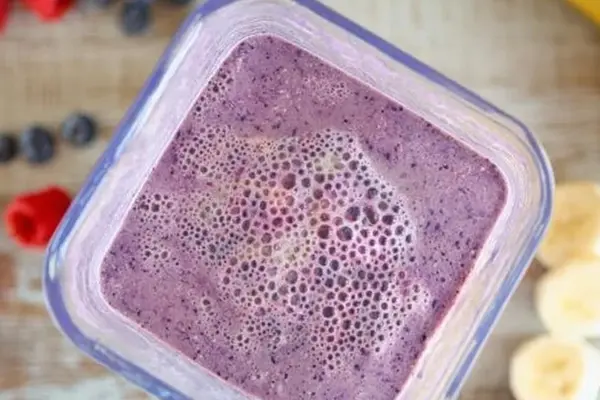
Blueberry Spinach Smoothie with Greek Yogurt
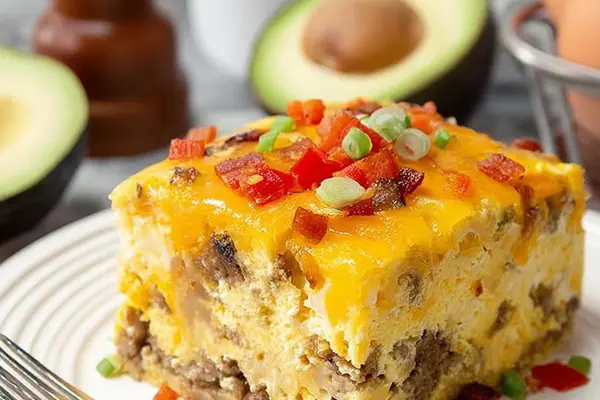
Breakfast Casserole with Sausage & Hash Browns

Beef Carpaccio with Coffee Crust

Korean Kiwi Beef Skewers with Soy Marinade
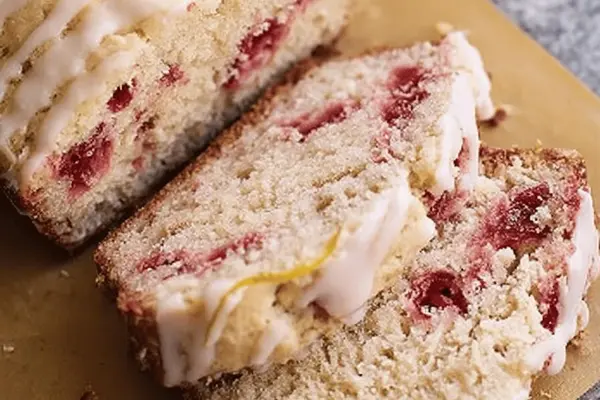
Strawberry Bread with Yogurt and Lemon

Roasted Roast Beef with Thyme & Horseradish

Crispy Salami Cups with Ricotta & Mozzarella