Herbed Asparagus Omelette with Manchego

By Emma
Certified Culinary Professional
·
Recipe tested & approved
Asparagus omelette with cilantro, basil, and aged Manchego cheese. Blanched asparagus, fresh herbs, and butter create a tender, creamy breakfast with nutty depth.
Prep:
17 min
Cook:
28 min
Total:
45 min
Servings:
2 servings
Boil water fast. Asparagus goes in for four minutes—just enough time to get tender without turning to mush. That’s the trick. Everything else is just eggs and butter and knowing when to stop cooking.
Why You’ll Love This Herbed Asparagus Omelette
Breakfast that tastes like you actually tried. Takes 45 minutes total but most of that’s just standing there watching it happen. Works cold too, if you’re eating it later. The cheese gets this salty, nutty thing going that changes everything about the eggs. No mess. One skillet. Wipe it down and you’re done. Fresh herbs make it feel like summer even if it’s not. Cilantro, basil, parsley—pick what you have. They don’t have to be fancy. Manchego is sharp enough that you don’t need much. A little goes a long way.
What You Need for a Fresh Herb Omelette
Water. Half a cup plus a tablespoon. Blanching water matters—it cooks the asparagus without making it soggy.
Asparagus. Three and a half ounces, trimmed and cut into two-centimeter pieces. Don’t use the woody bottoms. Snap them where they naturally break.
Five large eggs. Room temperature is better, but cold works fine. The omelette still comes out good either way.
Unsalted butter. One and a half tablespoons. The salt in the cheese is already enough. Salted butter pushes it too far.
Mixed fresh herbs. Three tablespoons, finely chopped. Cilantro. Flat-leaf parsley. Basil. You could use dill. You could use tarragon. Whatever you have that’s fresh.
Aged Manchego cheese. Two tablespoons, in flakes. Not grated. Flakes stay on top instead of melting into everything. Don’t swap it for cheddar. Different thing entirely.
Salt and pepper. Regular amounts. Taste as you go.
How to Make an Asparagus and Manchego Breakfast
Get the water going in a medium non-stick skillet. High heat. Let it almost boil—you want it hot but not violently bubbling. Add the asparagus pieces, toss them once so they’re all in water, and cover it. This takes four minutes. The water should almost disappear. The asparagus should snap when you bite it but still have some resistance.
Season it lightly. Salt and pepper. Take it out with a slotted spoon onto a plate. Wipe the skillet dry with a paper towel. This step matters because any water left behind will steam the eggs instead of cooking them.
How to Get a Perfect Herbed Asparagus Omelette Texture
Break the five eggs into a bowl and whisk them hard. Keep going until they’re pale and a bit foamy—maybe 30 seconds of real effort. Add salt and pepper to taste. Don’t go crazy on the salt because the Manchego’s already salty.
Put the skillet back on medium heat and melt the butter. You’ll know it’s ready when it foams and smells slightly nutty. That’s the smell you want. Not brown. Just nutty. Pour the eggs in and immediately start tilting the pan so the eggs spread evenly across the bottom.
With a heatproof spatula, start pushing the still-liquid eggs at the edges toward the middle. Let the runny stuff from the center flood underneath. This prevents a burnt bottom and uneven cooking. Do this for two to three minutes until the surface looks set but the center is still wet.
Now make a narrow strip with the asparagus down the middle of the omelette. Scatter the herbs everywhere on top. Don’t be shy about it. The herbs release a tiny bit of moisture and that’s what gives brightness.
Lower the heat to medium-low. Watch the edges. They’ll start firming up and pulling away from the skillet just slightly—that’s your signal it’s almost ready. Two to three minutes of this. Then fold the edges over the asparagus strip, making it into a wallet shape. The center should still be slightly unset. Almost custardy. Let it cook for another two minutes just to set the fold. You want a gentle wobble in the middle when you tilt the plate, not a dry, brown, overcooked thing.
Asparagus Omelette Tips and Common Mistakes
Don’t skip the blanching. It cooks the asparagus enough that it’s done when the eggs are done. Raw asparagus in the center of the omelette is not good. Nobody wants that.
The fresh herb omelette thing only works if the herbs are actually fresh. Dried cilantro tastes like dried regret. Don’t bother.
Slide it onto a plate using the spatula. Top it with the Manchego flakes right away. The heat from the omelette softens them slightly without actually melting them. That’s the whole point.
Serve it immediately. An omelette loses its magic in about four minutes. It gets rubbery. Eat it while it’s still got that soft center.
If your first one sticks, the pan wasn’t seasoned right or you didn’t use enough butter. Not a big deal. It still tastes good. Second one will be better.
Herbed Asparagus Omelette with Manchego
Prep:
17 min
Cook:
28 min
Total:
45 min
Servings:
2 servings
Ingredients
- 135 ml (1/2 cup plus 1 tbsp) water
- 100 g (3.5 oz) asparagus trimmed, cut into 2 cm lengths
- 5 large eggs
- 25 ml (1 1/2 tbsp) unsalted butter
- 45 ml (3 tbsp) mixed fresh herbs finely chopped (cilantro, flat-leaf parsley, basil)
- 30 ml (2 tbsp) aged Manchego cheese flakes
Method
- Blanch and prep asparagus
- 1 Bring water almost boiling in a medium non-stick skillet over high heat. Add asparagus, toss briefly, and cover to steam for about 4 minutes. Water should reduce close to dry, asparagus tender but still crisp. Season lightly with salt and freshly ground pepper. Remove asparagus with slotted spoon onto plate. Wipe skillet dry with paper towel.
- Whip eggs and season
- 2 In a bowl, break eggs and whisk vigorously until uniformly pale, airy bubbles forming. Salt and pepper to taste. Avoid over-salting since cheese adds saltiness.
- Cook egg base
- 3 Return skillet to medium heat and melt butter. It should foam and smell slightly nutty but not brown. Pour eggs in, tilting pan to spread evenly. Immediately, with a heatproof spatula, start nudging the still liquid eggs at edges inward, letting runny egg flood underneath. This prevents burnt bottom and uneven cooking. After 2-3 minutes, surface will look set but moist in center.
- Layer asparagus and herbs
- 4 Make a narrow strip with asparagus down the middle. Scatter herbs generously all over the egg’s surface. Herbs give brightness; trust the bit of moisture they release.
- Slow finish and fold
- 5 Lower heat to medium-low. Let omelette cook gently. Watch edges firming and forming a slight pull away from skillet—this signals readiness. After 2-3 minutes, carefully fold edges over asparagus strip, forming a neat wallet. The center still slightly unset, almost custardy. Cook for another 2 minutes just to set the fold and avoid runny eggs—watch for gentle wobble, never dry or browned.
- Plate and garnish
- 6 Slide omelette onto plate using spatula. Top with sharp Manchego cheese flakes, adding salty, nutty punch. Heat from omelette will soften cheese slightly, no melting required.
- 7 Serve immediately. No waiting. Omelette loses magic fast.
Nutritional information
Calories
320
Protein
21g
Carbs
4g
Fat
25g
Frequently Asked Questions About Herbed Asparagus Omelette
Can I make this cilantro basil omelette ahead of time? Yeah, but it’s better fresh. Cold omelette tastes fine. Room temperature is weird. Either eat it immediately or stick it in the fridge and reheat it gently in a low oven. Three hundred and fifty degrees for about four minutes.
What if I don’t have Manchego cheese? Aged Gouda works. So does Gruyère if you want something sharper. Don’t use mozzarella. Tastes like nothing. Don’t use cheddar. Wrong flavor entirely.
How do I know the eggs are actually done? The wobble test. Tilt the plate slightly. If the center moves like liquid but doesn’t pour, you’re there. If it’s completely still, you’re done. If it pours, give it another minute.
Can I blanch the asparagus ahead of time? Yeah. Do it the morning of, keep it in the fridge. Just don’t leave it in water. Pat it dry or it’ll get mushy.
What if I don’t have fresh herbs? Pick one. Not a mix. One fresh herb is better than a bunch of dried ones mixed together. Cilantro alone works great. So does just basil.
Can I use a regular pan instead of non-stick? You could, but you’ll need more butter and you’ll probably have sticking issues. Non-stick makes this easier. If you’re using regular, bump the butter to two tablespoons and watch it closely.
Is this vegetarian egg breakfast really done in 45 minutes? Seventeen minutes prep if you’re moving slowly. Twenty-eight minutes cooking. Some of that’s just waiting. Yeah. Forty-five minutes.
You’ll Love These Too
Explore all →
Olive Oil for Dipping Bread Recipe
Green Bean Casserole with Bacon & Monterey Jack

Cabbage Beet Soup with Caramelized Onions
Raspberry Hazelnut Smoothie Recipe

Easy Crock Pot Chili with Ground Beef

Spanish Potato Omelet with Manchego Cheese
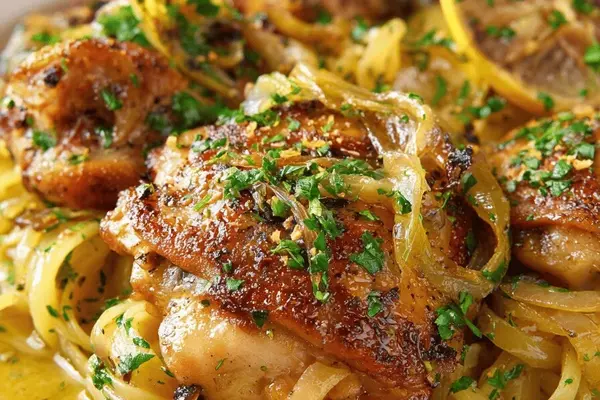
Lemon Chicken Thighs with Vermouth Sauce

Air Fryer Grilled Cheese with Mayo
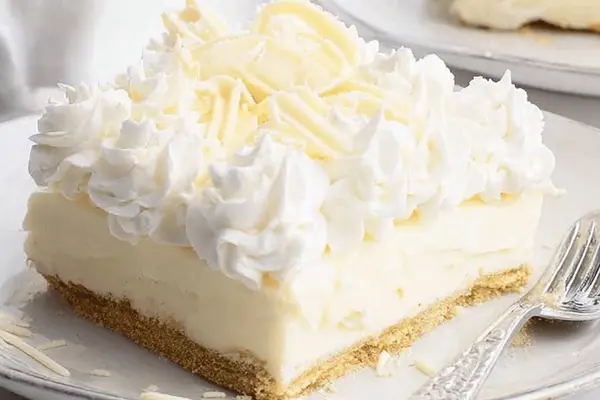
No Bake Cheesecake with Oreo Crust
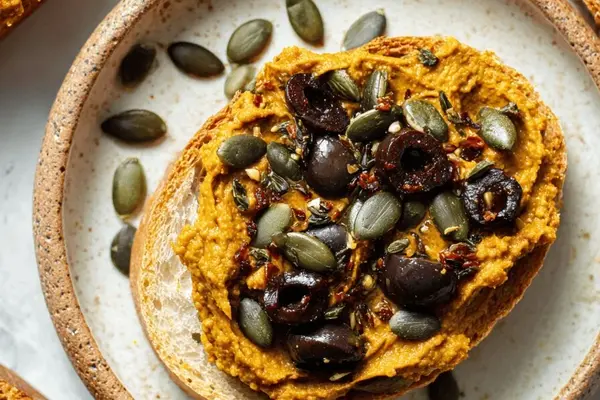
Vegan Pesto with Pumpkin Seeds & Tomatoes
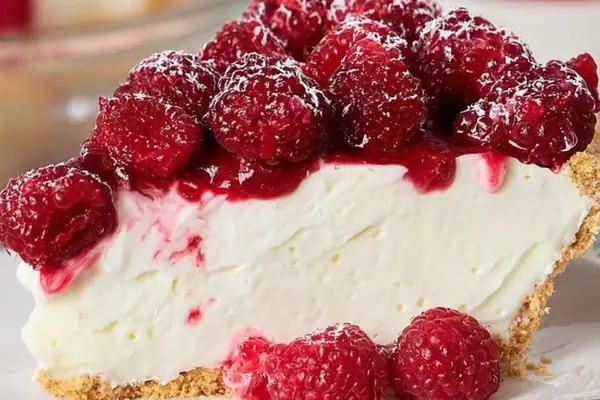
Raspberry Cream Cheese Pie Recipe
Homemade Chocolate Bars with Almond Bark

French Onion Soup with Shallots

Pasta Jar Mix with Sun-Dried Tomatoes
Roasted Broccoli Dishes with Garlic & Honey
Chutney Fig with Blueberries & Balsamic

Lemondrop Martini Recipe with Vodka
Homemade Pear Butter with Lemon Juice
Crunchy Broccoli Salad with Pancetta