Herb Vinaigrette Remix with Tarragon
By Emma
Certified Culinary Professional
·
Recipe tested & approved
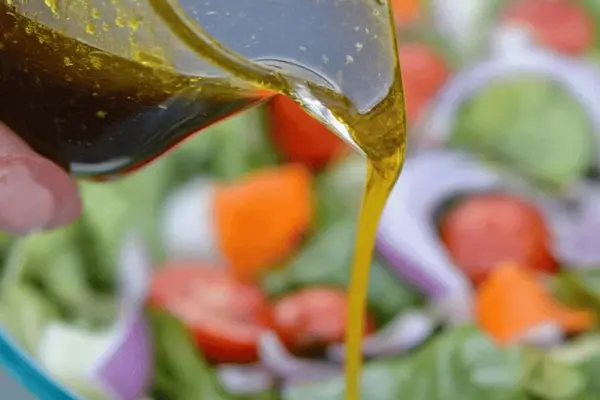
Make herb vinaigrette with white wine vinegar, fresh tarragon, and lemon juice. Customize your salad dressing by swapping herbs and oils for endless flavor variations.
Prep:
12 min
Cook:
0 min
Total:
12 min
Servings:
4 servings
Shake it hard. The jar gets warm, oil starts binding with the acid, and you’ve got something that actually holds together instead of splitting into two sad layers by tomorrow. This remix hits different from the bottled stuff—fresh tarragon, parsley, lemon, a whisper of honey. Takes 12 minutes total if you’re not messing around.
Why You’ll Love This Herb Vinaigrette Remix
Makes a salad taste like it matters. Fifteen minutes later you’re still tasting it. Works on anything—greens, roasted vegetables, grilled fish. Dressing that doesn’t apologize. No weird ingredients. Nothing you can’t pronounce. Just herbs and oil and acid doing what they’re supposed to do. Keeps for a couple days. Shake before you use it. Not rocket science. Better than bottled. Cheaper too, probably.
What You Need for a Fresh Herb Vinaigrette
White wine vinegar. Not red, not apple cider. White wine has brightness without the funk. 3 tablespoons.
Lemon juice. Fresh. Bottled tastes like pennies. 1 tablespoon.
Honey. Not much. Just smooths the sharp edges. 2 tablespoons goes a long way.
Dijon mustard. Half a teaspoon. Acts like glue—keeps everything from separating. Regular mustard works. Fancy stuff doesn’t add anything.
Extra virgin olive oil. Half a cup. Pick one you’d drink from the bottle. Matters more here than in cooking.
Tarragon. Fresh. A quarter cup, chopped loose. Dried tastes like straw.
Parsley. Quarter cup, rough chop. Keeps the vinaigrette from getting too one-note.
Garlic. One clove minced fine. Softens in the acid. Doesn’t taste raw after it sits.
Salt and pepper. Taste as you go. Most people add too much salt upfront.
How to Make a Homemade Vinaigrette That Actually Holds
Mince the garlic first. Small pieces. Not smashed, not chunked. Medium works.
Chop the tarragon and parsley—keep them rough. You want texture. You want to see the green.
Grab a jar with a lid. Has to seal tight. The shaking won’t work if it leaks.
Pour in the white wine vinegar, lemon juice, honey, and Dijon mustard. Stir it just a little. Get the wet stuff combined before the oil goes in.
Add the garlic and herbs. Don’t stir yet.
Pour the olive oil on top. Just sits there.
Seal the lid. Tight.
Now shake it like you’re angry at it. Hard. Watch it turn thicker, creamier, almost white for a second. That’s emulsification happening. The oil and acid are getting forced together.
Stop. Look inside. Should be thick but still pourable. Flecked with green. Smells bright and sharp and grassy.
Taste it. Fix the salt. One pinch at a time. Salt wakes up the herbs instead of burying them.
How to Get Fresh Herb Salad Dressing to Stay Together
The trick isn’t complicated. Shake before you pour. Every single time.
Oil and vinegar don’t want to be friends. The mustard and honey convince them for a little while. But they get bored. That’s why you shake.
Use it on sturdy greens. Arugula. Kale. Anything that doesn’t wilt in five seconds. Delicate lettuces get flattened under this much acid and punch.
Pour it on right before you eat. Not an hour before. It starts breaking down by then.
Keep it in the fridge. Two days max. The herbs go brown. The flavor goes flat. Make another batch. Takes 12 minutes.
White wine vinaigrette with Dijon mustard sits weird sometimes—you’ll open the jar and see separation. That’s normal. Shake it. It comes back together every time.
The honey does something specific. It’s not just sweetness. It keeps the vinegar from tasting thin. Try it without next time. You’ll know.
Herb Vinaigrette Tips and Common Mistakes
Fresh herbs only. Dried tarragon tastes like nothing. Dried parsley is worse.
Don’t let it sit in the jar more than two days. The color fades. The herbs break down. Everything tastes like regret.
Apple cider vinegar isn’t the same. Earthier. Less bright. Try it if you want something different. Just know what you’re getting.
Bottled lemon juice burns off sometimes, tastes metallic. Fresh is not pretentious here. It’s necessary.
Too much mustard and the whole thing tastes like it has an agenda. Half a teaspoon is plenty.
The jar matters. Needs a seal that actually works. Plastic containers leak. Glass with a rubber gasket is best.
Make a big batch if you want. Tastes fine for 48 hours. After that, toss it. Start over.
Olive oil choice changes everything. Robust oil from late harvest grapes tastes peppery, almost aggressive. Early harvest is grassy and subtle. Pick based on what greens you’re drowning in.
Herb Vinaigrette Remix with Tarragon
Prep:
12 min
Cook:
0 min
Total:
12 min
Servings:
4 servings
Ingredients
- 3 tablespoons white wine vinegar
- 1 tablespoon fresh lemon juice
- 2 tablespoons honey
- 1/2 teaspoon Dijon mustard
- 1/2 cup extra virgin olive oil
- 1/4 cup fresh chopped tarragon leaves
- 1/4 cup fresh parsley, roughly napped
- 1 clove garlic, minced
- Salt and pepper to taste
Method
- Preparation
- 1 Start by mincing garlic finely. No big chunks. Garlic sharpness softens as it sits in acid.
- 2 Roughly chop herbs—not too fine. Keep texture, color vibrance.
- 3 In a medium jar with a lid, layer vinegars, lemon juice, honey, and Dijon mustard. Give a quick mix with a spoon to combine the wet flavors first.
- 4 Add garlic, herbs. Pour olive oil on top but do not stir or shake yet.
- 5 Seal tightly. Now, shake violently. Notice the thickening of the mixture, emulsification happening — oil and acid start binding but watch for oil separation after rest.
- 6 Feel the consistency with spoon. Should be slightly thick but pourable, flecked with green bits, aroma the grassiness of fresh herbs and sharp citrus punch.
- 7 Taste test. Adjust salt and pepper gradually—don’t overdo salt; it reveals more herb flavor rather than masks.
- 8 Use immediately or refrigerate no longer than 2 days. Shake vigorously before every use. If herbs get dull or brown, toss and blend fresh batch.
- 9 Pour on sturdy greens—arugula, kale. They hold up under the punch of lemon and mustard better than flimsy lettuces.
- 10 Applications beyond salad: great drizzle on grilled fish or chicken. Also nice as quick marinate base.
- 11 Keep an eye on vinegar substitutions. Apple cider vinegar gives earthier tone but less brightness than white wine.
- 12 Olive oil: robust or mild? Choose based on how abrasive you want the mouthfeel.
- 13 Make this in bigger batch for meal prep but don’t let it sit week-long or flavor goes flat.
Nutritional information
Calories
120
Protein
0.3g
Carbs
5g
Fat
10g
Frequently Asked Questions About Herb Vinaigrette with Fresh Herbs
Can I use dried herbs instead of fresh? Not really. Dried tarragon tastes like nothing. Dried parsley is worse. Fresh herbs are what makes this vinaigrette actually work. If you can’t find them, make a different dressing.
How long does this keep? Two days in the fridge. The herbs go brown, the flavor gets flat. Make another batch. It takes 12 minutes. Not a commitment.
What salad greens work best with this? Anything sturdy. Arugula. Kale. Romaine. Baby spinach if you’re gentle. Don’t use iceberg. It’ll get destroyed.
Can I make this ahead for meal prep? Sure. But shake it right before you eat. The longer it sits, the more it separates. Still tastes fine—just shake.
What if I don’t have tarragon? Use more parsley. Or basil. Or dill. Pick one. The vinaigrette still works. It just tastes different.
Should I shake it every time? Yes. Shake it hard. Oil and acid separate. That’s physics. Shaking brings them back together.
You’ll Love These Too
Explore all →
Maple Glazed Upside-Down Apple Cake
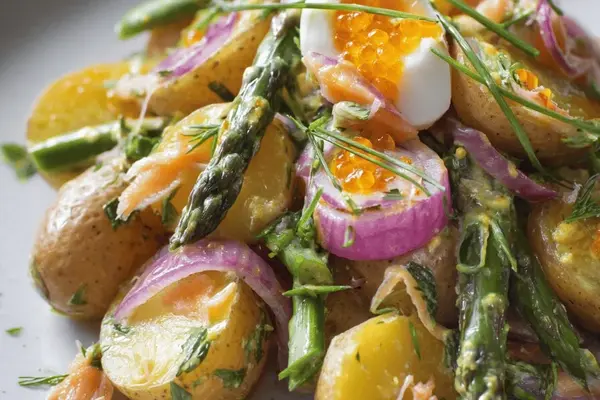
Smoked Trout Salad with Potatoes & Asparagus
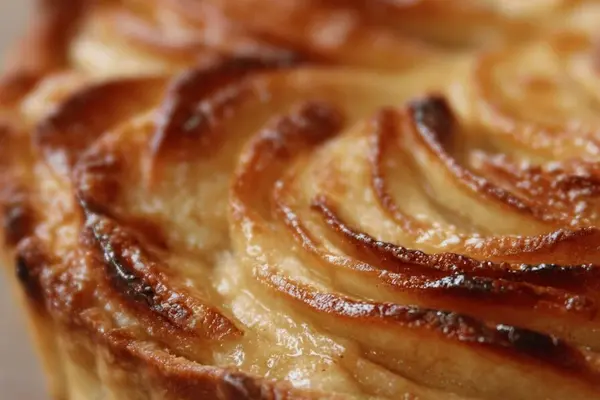
Apple Tartlets with Granny Smith Apples
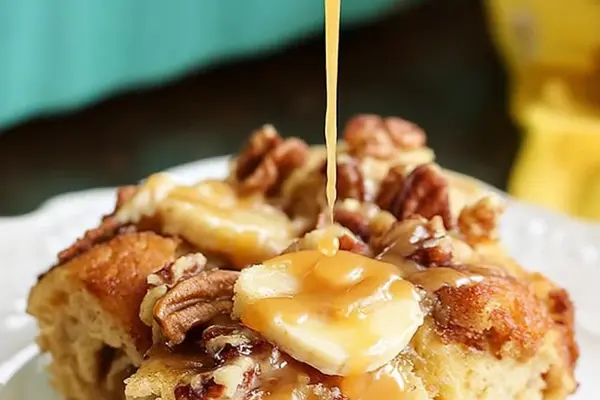
Bread Pudding with Banana, Mandarin & Pecans
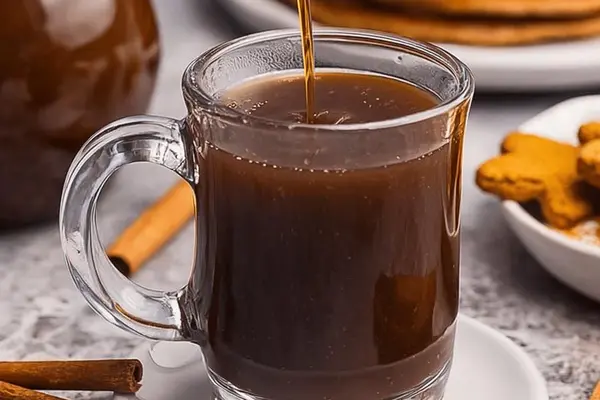
Molasses Gingerbread Syrup with Fresh Ginger
Roasted Chicken Thighs with Garlic & Rosemary
Spices in Pumpkin Pie Snack Mix Recipe

Nacho's Pulled Pork Egg Rolls Recipe
Cannellini Bean Salad with Grilled Shrimp
Gingerbread-Spiced Truffles with Bourbon
Buffalo Chicken Dip Crockpot Recipe
Glazed Lamb Shanks with Buckwheat Honey
Beef and Broccoli Stir Fry Recipe
Microwave Toasted Nuts with Smoked Paprika
Cranberry Glazed Beef Tenderloin
Recipe For Making Tartar Sauce
Kohlrabi Pear Salad with Figs & Manchego
BLT Salad with Pasta and Shrimp
Rolled Out Sugar Cookie Recipe with Hazelnut