Easy Hard-Boiled Eggs with Baking Soda
By Emma
Certified Culinary Professional
·
Recipe tested & approved
Learn how to cook hard-boiled eggs perfectly with baking soda or apple cider vinegar for easy peeling. Get creamy or firm yolks every time.
Prep:
5 min
Cook:
18 min
Total:
23 min
Servings:
12 servings
Boil water cold. That’s the twist—start at room temperature, let it heat naturally, then pull the pot off the moment it screams. Had exactly six minutes to get breakfast to a meeting once. Grabbed whatever was in the fridge. This method got me there.
Why You’ll Love Easy Hard Boiled Eggs
Takes 23 minutes total. Not 30, not 40. Actual speed. Shells peel like you’re unwrapping something made for you. They just slip. One pot. Done. No weird equipment or fussing around. Works for meal prep or just Tuesday morning when you need protein fast. Yolks stay that perfect buttery yellow instead of turning gray and sad. Vegetarian, naturally. Healthy. Actually tastes like something instead of nothing.
What You Need for Perfect Hard Boiled Eggs
Twelve large eggs. Room temperature is easier than cold eggs straight from the fridge.
Baking soda or apple cider vinegar. One teaspoon of baking soda, or two teaspoons of vinegar. Pick one. The baking soda raises the pH—shells slide right off. Vinegar lowers it. Both work. Different people swear by different ones. Doesn’t really matter, just pick one and stick with it.
Cold water. Enough to cover the eggs by half an inch. That’s specific. More water means longer heating. Half inch is the zone.
Ice. Lots of it. Cold water too. The ice bath stops everything. Texture locks in. Yolks stop cooking the second they hit cold.
Salt. Optional. Some people throw salt in the water when shells crack. Helps seal them. Probably.
How to Cook Hard Boiled Eggs
Lay the eggs flat on the bottom of your pot. Big pot. Heavy pot. The kind that holds heat. Space them out—don’t cram them in like they’re fighting for room. No touching. If you’ve only got twelve eggs and a small pot, just do six. Do it twice. Cleaner that way.
Sprinkle your baking soda or vinegar right in. Then cover with cold water. Cold. This is important. Cold water and cold eggs means slow heating. Slow heating means no cracks. The water creeps up the temperature. Gives the egg time to adjust.
Turn the heat all the way up. Let it go. Walk away if you want. You’re waiting for a full rolling boil—not a simmer, not gentle bubbles. Furious. Loud. The kind of boil that means business.
The moment it gets there—the second you hear it roaring—pull the pot off the heat. Cover it tight. Like seal-it-closed tight. You’re using residual heat now. Carryover cooking. The hot water and the pot walls do the work while it sits covered.
How to Get Hard Boiled Eggs With Perfect Texture
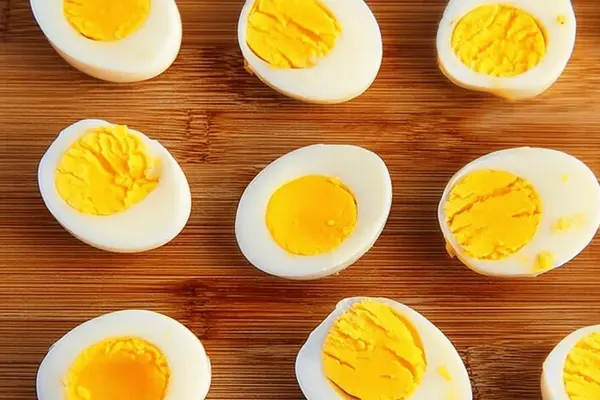
Here’s where timing actually matters. Five to six minutes covered if you want yolks that are still soft in the middle—jammy, almost runny. Ten to thirteen minutes if you want them solid all the way through. No gray ring around the yolk. Just bright yellow.
Altitude changes things. Egg size changes things. Your pot matters. So start at ten minutes, figure out what works for you, adjust next time. Easy.
When the timer goes, don’t dawdle. Grab a slotted spoon or tongs. Get the eggs out. Into the ice bath immediately. Like right now. The ice stops the cooking dead. Cold water shocks everything into place. This is why the shells peel clean instead of tearing the white underneath.
Let them sit in the ice bath for at least five minutes. Longer is fine. They’re not going anywhere.
Hard Boiled Eggs Tips and Common Mistakes
Peel under cold running water. The water helps the shell separate from the membrane underneath. Older eggs peel easier—the air pocket’s bigger. Fresh eggs cling to the white like they’re glued. Not your fault. Just how it works.
Crack the shell all over first. Gentle. You’re not trying to destroy them. Just break the shell into sections. Then roll it under your palm. The shell comes off in chunks instead of shattering into a million pieces.
Serve right away, or store them peeled in water in the fridge. One day maximum. After that, the yolks start to dry. You’ll see that gray ring if you keep them too long—not dangerous, just not great. It happens from overcooking and sitting. Avoid it by eating them fresh or storing them properly.
If shells crack during cooking, add a pinch of salt to the water next time. Or just don’t crank the heat as hard. Let it come up slower. Pressure inside the shell causes the crack. Lower heat, slower pressure, no cracks.
Cold water to cold eggs. That’s the rule. Warm eggs in hot water crack every time. It’s physics. Don’t fight it.
Easy Hard-Boiled Eggs with Baking Soda
Prep:
5 min
Cook:
18 min
Total:
23 min
Servings:
12 servings
Ingredients
- 12 large eggs
- 1 tsp baking soda or 2 tsp apple cider vinegar
- Cold water enough to cover eggs by 1/2 inch
- Ice and water for ice bath
- Salt as optional alternative
Method
- 1 Arrange eggs in bottom of a large heavy-bottomed pot. Enough space between eggs to allow water flow; no overcrowding. If tight, split into batches of 6.
- 2 Sprinkle baking soda or apple cider vinegar into pot. Either affects pH and shell peeling differently; vinegar lowers pH, baking soda raises it.
- 3 Fill pot with cold water until surface covers eggs by about half an inch. Cold water slow heating helps avoid cracking from temperature shock.
- 4 Crank heat to high. Wait till water reaches full rolling boil. Not just simmer; bubbles furious and loud—rapid agitation means eggs are fully heating through.
- 5 Once water roars, immediately remove pot from heat and cover tightly. Carrying heat through eggs by residual warmth produces better textures than constant boil.
- 6 Time now depends on desired yolk texture. Soft jammy: 5-6 minutes cover; solid hard yolks: 10-13 minutes covered. Adjust based on altitude, egg size, pot type.
- 7 Once timer’s up, scoop eggs quickly using metal slotted spoon or tongs. Drop into ice bath—best done immediately—to halt cooking fast, firm whites and stop yolk overcooking.
- 8 Shake off excess water, crack shells gently on countertop, peel under cold running water to help shell slip off cleanly. Older eggs peel easier due to air pocket.
- 9 Serve right away or store peeled in water in fridge for a day. Avoid long soaking or yolks dry out or develop green rings from overcooking.
- 10 Note: If shells crack early, add a bit of salt to water next batch or reduce heat ramp to prevent pressure inside shells exploding.
Nutritional information
Calories
70
Protein
6g
Carbs
1g
Fat
5g
Frequently Asked Questions About Hard Boiled Eggs
Do I use the baking soda or the vinegar? One or the other. Baking soda’s easier if you hate peeling shells. Vinegar works fine too. Try baking soda first. If you like how it goes, stick with it.
Can I cook hard boiled eggs in advance? Yeah. Keep them in their shells in the fridge for a week. Peel them and store in water, and they last a day. Longer than that and they get weird.
Why does my pot need to be heavy? Heat retention. Thin pots cool down too fast once you pull them off the stove. You want the residual heat to do the work. Heavy pot holds that heat longer.
What if I don’t have an ice bath? Use ice water. Cold water from the tap works in a pinch, but ice is faster. The faster you shock them cold, the better the texture.
Can I make hard boiled eggs with fewer than twelve? Sure. Scale it down. Or make a full batch and use them on toast, chop them into salad, throw them in whatever. They keep. One less thing to cook later.
Why is the ice bath actually necessary? Stops cooking immediately. Without it, the eggs keep cooking from residual heat. Yolks get that gray ring. You’re locking in texture by going cold fast.
You’ll Love These Too
Explore all →
Strawberry Rhubarb Crisp Air Fryer Recipe
No-Bake Raspberry Pie With Gelatin
Dill Pickled Cornichons with Star Anise
Red Velvet White Chip Cookies Recipe
Mini Beef Bites with Parsnip and Celery
Chive Blossom Butter Recipe
Chocolate Chip Cookie Recipe with Sour Cream
Millionaire Bars with Coconut Sugar Caramel
Apricot Coconut Bars with Cardamom
Warm Potato Salad with Partridge & Pears
Holly Jolly Jello Shots with Vodka & Condensed Milk
Clarified Butter: Make It at Home
Easy Apple Walnut Dump Cake Recipe
Passionfruit Coconut Pavlovas with Basil Cream
Crispy Yukon Gold Fries with Pancetta

White Chicken Chili Crockpot with Turkey
Homemade Panko Breadcrumbs with Olive Oil
Easy Brownie Recipe with Spice Cake Mix
Coconut Oil Baking: Ginger Steamed Pudding