Ham Pimiento Cheese Sandwich Baked
By Emma
Certified Culinary Professional
·
Recipe tested & approved
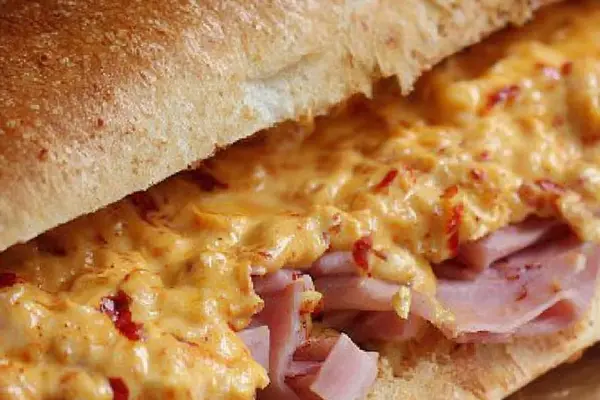
Warm ham pimiento cheese sandwich on French bread, baked until melty. Layers of deli ham and sharp cheddar pimiento spread create comfort food perfection. Ready in minutes.
Prep:
6 min
Cook:
18 min
Total:
24 min
Servings:
2 servings
Cut the bread lengthwise but keep it whole. Spread pimiento cheese on one half, layer thick ham on the other, press together, wrap in foil, bake 18 minutes. It’s done when the foil puffs and you hear a faint sizzle inside. That’s it. That’s the sandwich.
Why You’ll Love This Ham and Cheese Sandwich
Takes 24 minutes total. Six minutes of prep if you move. Tastes like something from a deli counter, not your kitchen. The bread gets crispy at the edges but still soft inside where it matters. Pimiento cheese melts into the ham and kind of disappears into it. Cold ham and room-temp cheese turn into something actually warm and stuck together. One pan. Foil wraps mean no cleanup. Works for lunch, dinner, or that weird midnight hunger thing. Smoked ham hits different — not plain deli meat, something with actual flavor going on. Comfort food that doesn’t need a recipe but somehow tastes better when you follow one.
What You Need for a Baked French Bread Ham and Cheese Sandwich
French baguette or a sturdy hoagie roll. Has to be firm or it falls apart. Soft bread doesn’t work here.
Pimiento cheese with sharp cheddar. The kind in the tub. About 4 ounces total. This is the bridge between the ham and bread — what actually holds it together when it melts.
Deli ham. Thick slices. Five or six of them. Smoked if your deli has it. The smoke matters more than you’d think.
Butter or mayo for the bread if you want. Not required. Kind of optional.
Smoked paprika. Just a pinch. Sounds weird. Changes the whole thing.
Aluminum foil. The wrapping is what makes this work.
How to Make a Warm Melted Ham Sandwich
Start at 360 degrees. Preheat the oven first — not while you’re building. Heat matters here.
Cut the bread lengthwise but don’t cut all the way through. Leave maybe a quarter inch of crust connecting the top and bottom. Open it like a book. Doesn’t fall apart that way.
Spread pimiento cheese on one half. Thin layer. Not thick. About 3 ounces. Add a pinch of smoked paprika to the cheese if you have it. Stir it in before spreading.
Layer ham on the other bread half. Stack the slices so they overlap slightly. Thick slices. Not thin deli meat. The heat needs something to hold onto.
Press the halves together. Just enough pressure to bond them. Don’t crush it.
Wrap the whole thing in foil. Wrap it tight. This traps steam and stops the bread from drying out while the cheese melts.
Put it on the middle rack. 18 to 20 minutes. You’re looking for the foil to puff slightly. Listen for a faint sizzle if you can.
Press the bread gently near the edges. It should feel soft but still have some chew. That’s when you know the inside’s melted.
Unwrap carefully. Steam comes out hot. Slice diagonally. Makes it easier to hold and less likely to fall apart.
How to Get Sharp Cheddar to Melt Evenly
The cheese comes cold from the fridge. Soften it at room temperature for 10 minutes before you spread it. Makes it spreadable without tearing the bread.
Don’t use too much. Three ounces across the whole sandwich. More than that and the bread gets soggy before the cheese fully melts.
The foil is doing the real work here. It traps heat and steam so the cheese melts gradually instead of just getting hot and separating. Air fryer this without the foil and it gets crisper but dryer. Wire rack with a baking sheet below works too — tent foil loosely if you go that route. Less steamy. More crust. Depends what you want.
Smoked paprika in the cheese itself changes the flavor. The smoke gets in there as it melts instead of sitting on top. Sounds small. Isn’t.
Baked Ham Sandwich Tips and Common Mistakes
Don’t use soft bread unless you toast it first. It disintegrates. Falls apart in your hands. Soggy and useless.
Balance the ham load. Sounds weird. But if you overstuff with ham, the heat takes longer to penetrate and the edges dry out before the middle catches up. Thick slices, yes. Whole tub’s worth, no.
Thin-sliced ham dries out faster. Thick slices stay juicy. It matters more than people think.
Wrap tight in foil. Loose wrapping and you get dry edges. The whole point is trapping steam.
Serve right away. The moment it comes out. Let it cool and the cheese hardens back up. Defeats the purpose.
If you want less steam and more crust, use a wire rack over a baking sheet instead of full foil. Tent foil loosely on top. Air circulates more. Bread gets crispier.
Swap ham for turkey or roast pork if you have leftovers. Three minutes less baking time. Everything else stays the same. Works just fine either way.
Ham Pimiento Cheese Sandwich Baked
Prep:
6 min
Cook:
18 min
Total:
24 min
Servings:
2 servings
Ingredients
- 1 small French baguette or sturdy hoagie roll
- half tub (about 4oz) pimiento cheese substitute with sharp cheddar mix
- 5-6 thick slices deli ham (smoked if possible)
- butter or mayonnaise (optional to spread bread lightly)
- small pinch smoked paprika (optional twist to cheese)
- aluminum foil for wrapping
Method
- 1 Preheat oven to 360F, hotter than usual to accelerate crisping without drying bread.
- 2 Cut the French bread lengthwise but not all the way through; open like a book keeping firm structure.
- 3 Spread a thin, even layer of pimiento cheese, blended with a tiny pinch paprika for a smoky edge, on one half. Use about 3 oz, don’t oversmother or bread will get mushy.
- 4 Layer ham thickly on the opposite bread side, stacking slices slightly overlapping to hold heat better.
- 5 Stack halves together carefully, pressing just enough to bond cheese and ham but keep air pockets for gentle heat circulation.
- 6 Wrap entire sandwich tightly in aluminum foil to trap steam, preventing dry edges and locking in melting action.
- 7 Bake on middle rack, roughly 18-20 minutes. Look for foil puffing slightly and faint sizzling sounds; that cheese melting whisper.
- 8 Check softness by gently pressing bread near edges: softer but still a slight chew means gooey inside but not steamed soggy.
- 9 Remove, unwrap carefully avoiding hot steam blast. Slice diagonally for easier handling.
- 10 Serve warm right away before bread cools and firms up. Optional mustard/herb side or crunchy pickle cuts richness.
- 11 If no foil, place on wire rack with baking sheet below, tent foil loosely - less steamy, more crust.
- 12 For quick variation, swap ham for turkey or roast pork leftovers; adjust cook time down by 3 mins.
- 13 Avoid using fresh soft bread unless toast first or sandwich falls apart and gets gumby.
- 14 If cheese too cold or thick, soften at room temp 10 min before spreading for nice spreadable texture.
- 15 Don’t overload ham - heat penetrates better with balance; dry ham means dry sandwich. Use thin-sliced for lean, thick-sliced for juicy.
Nutritional information
Calories
580
Protein
30g
Carbs
40g
Fat
35g
Frequently Asked Questions About Baked Ham and Cheese Sandwiches
Can you make this without foil? Yes. Wire rack over a baking sheet, tent foil loosely on top. Less steamy. Crust gets crispier. Takes about the same time. Pick whichever you want — full foil for gooey, loose tent for crispy.
Does it matter what kind of deli ham you use? Smoked is better. Regular deli ham works. Turkey ham doesn’t — kind of falls apart. The thickness matters more than the type. Thick slices hold heat. Thin ones dry out.
What if the pimiento cheese is too thick to spread? Let it sit at room temperature for 10 minutes. Stir it. Spreads way easier that way. Cold cheese tears the bread.
Can you make this ahead and bake it later? Build it and wrap it. Sits in the fridge up to a few hours. Add maybe two minutes to the bake time. Cold sandwich takes longer to heat through.
What’s the best bread for this? French baguette or sturdy hoagio roll. Has to be firm. Soft bread falls apart. Day-old bread is actually better than fresh for this.
Is the smoked paprika really necessary? No. But it changes the flavor in a way that makes sense. Adds a background depth that makes you not know what hit you but you taste something different. Try it once. You’ll add it every time.
You’ll Love These Too
Explore all →
Rhubarb Raspberry Tartelettes with Almond
Chicken Wing Rub with Paprika & Cayenne
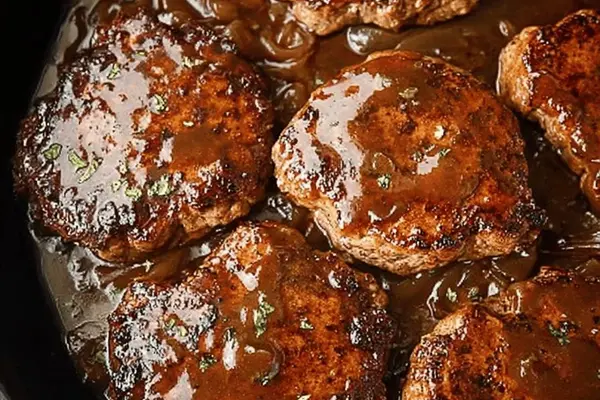
Salisbury Steak Recipe with Onion Gravy

Clementine Mint Water Infusion Recipe
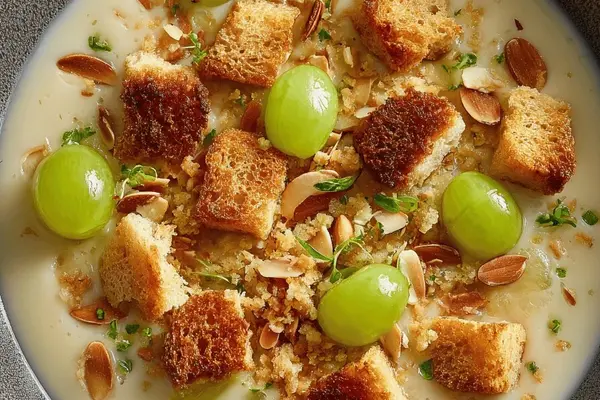
Almond and Broccoli Soup Recipe
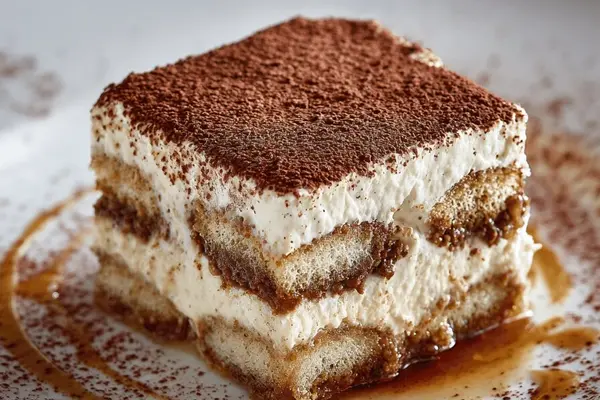
Tiramisu Dessert with Ricotta & Espresso
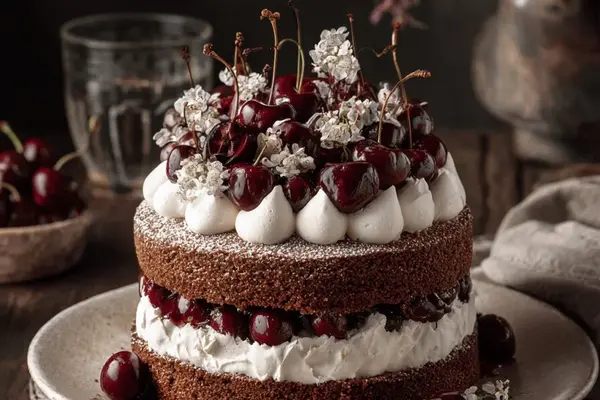
Simplified Black Forest Cake with Griottes
Chicken Roulades with White Wine Butter Sauce
Marshmallow Hot Chocolate Cubes Recipe

Creamy Italian Dressing Recipe

Blueberry French Toast Casserole

Eggless Macaroons with Coconut Yogurt

Açaí Bowl with Strawberries and Pineapple
Brown Butter Chocolate Chip Cookies
No-Bake Pumpkin Pie with Cream Cheese
Shrimp Stir Fry Recipe with Kimchi

Crispy Sesame Chicken Drumsticks Recipe

Layered Patriotic Gelatin Cups Recipe

Fingerling Potato Salad with Lemon & Fresh Herbs