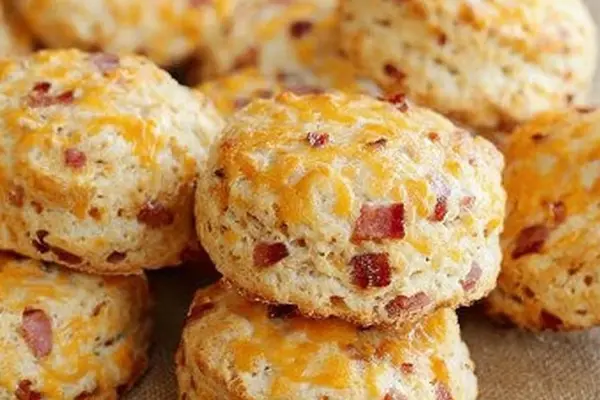
Ham Cheddar Biscuits with Buttermilk
By Emma
Certified Culinary Professional
·
Recipe tested & approved
Flaky ham cheddar biscuits made with cold butter, sharp white cheddar, and buttermilk. Tender, savory breakfast biscuits with a golden crust and soft interior.
Prep:
25 min
Cook:
17 min
Total:
42 min
Servings:
8 biscuits
Oven goes to 440. You want it steamy so they puff fast and turn golden before the edges dry out. Line a sheet with parchment—ham and cheese biscuits stick otherwise. Shred the cheddar fresh. The pre-shredded stuff has potato starch on it and doesn’t melt into the crumb the same way.
Why You’ll Love These Ham Cheddar Biscuits
Takes 42 minutes total. Maybe 20 of that is actual hands-on time. Warm them and the cheese pools slightly. Ham’s already salty so you taste it immediately. Buttermilk biscuits are flaky because of the lamination—butter stays cold and makes layers. These aren’t cake. Breakfast, lunch, side to soup. Works every time. Leftovers reheat better than store ones. Stays tender the next day even if you forgot to wrap them.
What You Need for Homemade Ham Cheddar Biscuits
Two cups flour. All-purpose works. The kind in the blue bag. Three quarters teaspoon kosher salt. Not table salt—it’s smaller and you’ll oversalt. A tablespoon of sugar. Just enough so you taste it but don’t think “sweet.” Two thirds cup cold butter. Cubed. Straight from the fridge. If it sits out, the biscuits get dense. One cup sharp white cheddar. Fresh shredded. The boxed grater kind—the one that looks old and lives in everyone’s kitchen. Sharp matters. Mild cheddar’s too mild. Three quarters cup diced country ham. Pancetta works. Bacon works. The ham’s got more salt so adjust later if needed. Two thirds cup cold buttermilk. Plain yogurt thinned with milk if you’re out. Two tablespoons melted butter for the tops. Happens after mixing.
How to Make Flaky Buttermilk Biscuits with Ham
In a bowl, toss flour with salt and sugar. Just a quick mix. Cut the cold butter into the flour. Pastry blender if you have one. Two knives work too. You’re not trying to make it smooth—you want pieces the size of peas. Maybe some the size of lima beans. Those big chunks make pockets. Steam gets trapped. That’s what makes them flaky. Stir in the cheese last. Once it’s in, don’t work the dough too much or the cheese starts melting and grease gets everywhere. Toss the ham in. Mix so it’s scattered. You want little salty bits throughout, not clumps. Pour buttermilk in gradually. Fold it in with a fork or wooden spoon. You’re not beating it. Just fold until the dough holds together. It’ll feel shaggy. That’s right. If it’s crumbly, splash more milk—a teaspoon at a time. If it’s wet and sticky, you went too far.
How to Shape and Bake Ham Cheddar Biscuits with Sharp Cheddar
Flour the board. Dump the dough on it. Sprinkle more flour on top. Fold it over gently. Three times. Four times max. Any more and you’re overworking it and the crumb gets tough instead of tender. Roll or pat it out to three quarters of an inch thick. Thicker biscuits rise taller. Taller means fluffier inside. Use a biscuit cutter. Two and a half to three inches. Press straight down. Don’t twist—twisting seals the edges and stops the rise. Arrange them close on the pan but not touching. They expand a bit. Any scraps left over? Gather them gently. Pat them out and cut again. Don’t overwork the scraps or they toughen. If the dough gets warm while you’re doing this, stick the pan in the fridge for five minutes. Keeps the butter solid. Solid butter makes layers.
Brush each top with melted butter. That’s when they smell like something worth waking up for. Bake at 440 for 15 to 18 minutes. Watch the color. Tops should go deep golden. Bottoms should be chestnut brown and firm. Tap one—it should feel springy, not hollow, not hard. Pull them out. Let them sit on a rack for a couple minutes or they fall apart when you grab them. Eat warm.
Ham Cheddar Biscuits with Buttermilk
Prep:
25 min
Cook:
17 min
Total:
42 min
Servings:
8 biscuits
Ingredients
- 2 cups all-purpose flour
- 3/4 teaspoon kosher salt
- 1 tablespoon sugar
- 2/3 cup cold unsalted butter, cubed and chilled
- 1 cup sharp white cheddar cheese, freshly shredded
- 3/4 cup diced country ham (sub pancetta or cooked bacon)
- 2/3 cup buttermilk, cold (sub plain yogurt thinned with milk)
- 2 tablespoons unsalted butter, melted (for brushing tops)
Method
- ===
- 1 Heat oven to 440 degrees Fahrenheit. You want that oven steamy enough to bake the biscuits fast and golden. Line a baking sheet with parchment paper or a silicone mat. Cheese should be shredded fresh—grating cubes on a box grater releases more flavor than pre-shredded bags. Set it aside.
- ===
- 2 In a large bowl, toss flour with salt and sugar. Cold butter is key. Cut 2/3 cup cold butter into flour using a pastry blender or two knives. Mix until lumps are pea-size. Big chunks make pockets, yields flaky layers. Stir in shredded cheddar last—keeps cheese from melting premature.
- 3 Toss diced ham in, mix evenly to scatter little salty surprises inside. Pour in 3/4 cup buttermilk, gradually fold together with a fork or wooden spoon. Aim for dough that sticks loosely yet rolls out without crumbling. If too dry, splash more milk—a teaspoon at a time. No wet mess though.
- ===
- 4 Dump dough on a floured board. Sprinkle extra flour overhead. Knead gently—fold over 3 or 4 times only, no more or will toughen the crumb. Roll or pat dough to about 3/4 inch thick—thicker biscuits rise taller and yield tender crumb. Use a biscuit cutter (2 1/2 to 3 inches). Press straight down, no twisting—the twist seals edges, stops rise.
- 5 Arrange biscuits close but not crowded on pan. Recombine scraps sparingly—not overwork. If dough gets warm, chill briefly so butter stays solid for better rise.
- ===
- 6 Brush tops lightly with remaining melted butter. That sizzle when they hit oven, aroma of butter and baking ham waking the kitchen. Bake 15 to 18 minutes. Watch color change—tops deep golden, bottoms firm and chestnut brown. Texture springy when tapped; edges firm but not dry.
- 7 Remove and cool on rack a few minutes before eating. Serve warm. Cheese and ham pockets burst with savory richness. Leftovers near microwave or oven revive crumb and flavor better than fridge alone.
- ===
Nutritional information
Calories
320
Protein
8g
Carbs
22g
Fat
21g
Frequently Asked Questions About Ham Cheddar Biscuits
Can I use pre-shredded cheese instead of fresh? Not worth it. The starch coating keeps it from melting into the crumb. Shred it fresh. Takes two minutes on a box grater.
What if my biscuits are dense instead of fluffy? Overworked dough. Or the butter wasn’t cold. Or you mixed it too long. Next time fold just a few times and chill the dough if it gets warm.
How do I store leftover biscuits? Room temperature in a bag. Or wrap them in foil. They stay tender that way. Fridge dries them out faster than room temp—don’t bother.
Can I make the dough ahead? Yeah. Shape them, stick the pan in the freezer for a few hours. Bake straight from frozen, maybe add a minute or two.
Is buttermilk biscuits the only way or can I use regular milk? Buttermilk has acid. It reacts with baking soda if you add any. Regular milk just makes them less tender. Yogurt thinned with milk works too if you don’t have buttermilk.
Why does the recipe say to press the cutter straight down instead of twisting? Twisting seals the edges. Sealed edges don’t rise as much. Straight down leaves edges open so steam pushes up instead of sideways.
You’ll Love These Too
Explore all →
No Bake Cheesecake with Pumpkin & Vanilla
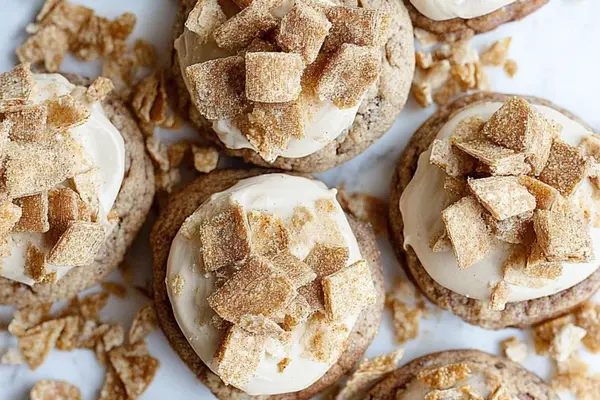
Cinnamon Toast Crunch Cookies Recipe
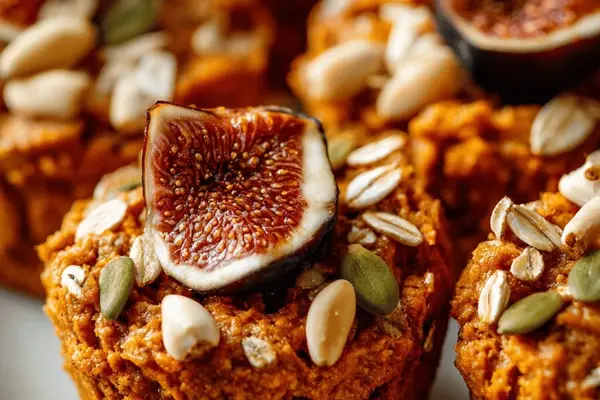
Sweet Potato Muffins with Whole Wheat
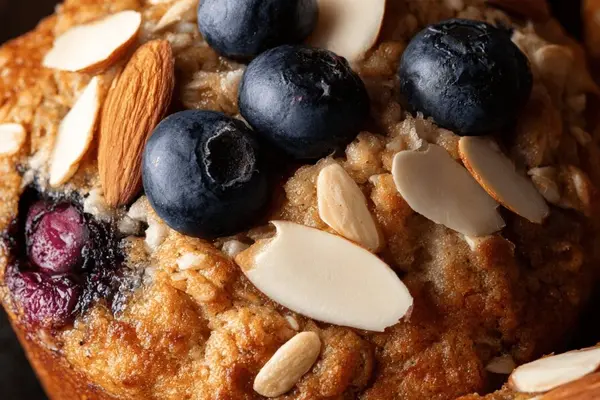
Apple Blueberry Almond Muffins Recipe
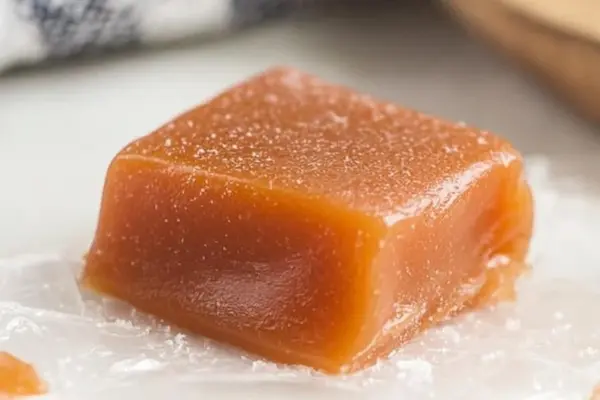
Homemade Caramel Candy Recipe with Brown Sugar
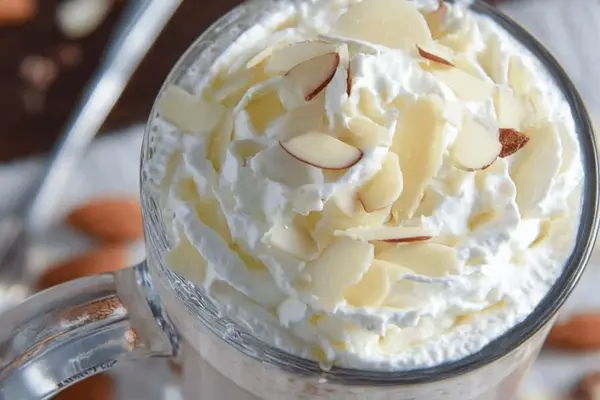
Almond White Hot Cocoa Recipe
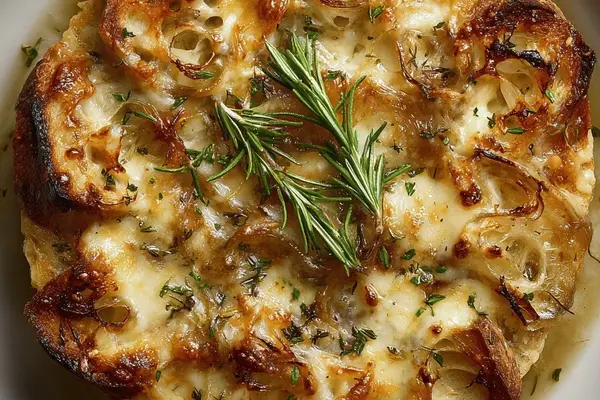
Rustic Onion Gratinée with Sherry
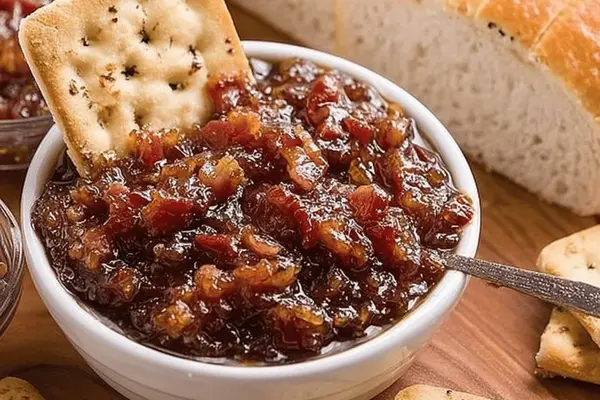
Bourbon Bacon Jam Recipe with Maple Syrup
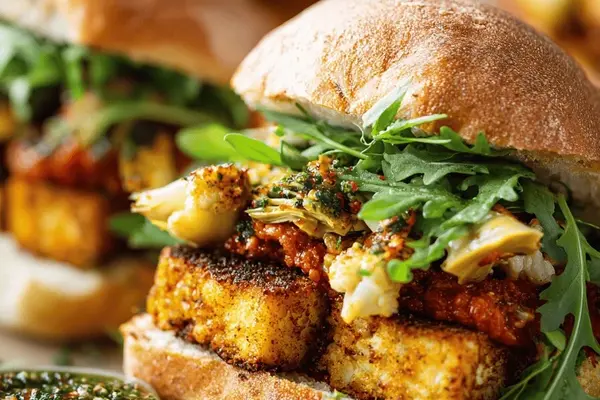
Air Fryer Tofu Sandwich with Vegan Cheddar

Butternut Squash Fritters with Couscous
Short Rib Chili Recipe with Green Chilies
Light Caesar Salad with Tofu Mayo & Turkey Bacon

Korean Pork Rice Bowls with Gochujang
Hot Chocolate Recipe with Hazelnut Brandy
Rustic Tomato Basil Sauce with Fresh Garlic

Tofu Stir Fry with Bell Peppers & Zucchini
Sweet Potato Casserole with Pecans & Marshmallows
Dairy Free Chocolate Ganache Recipe
Peanut Butter Cocoa Sandwich Cookies