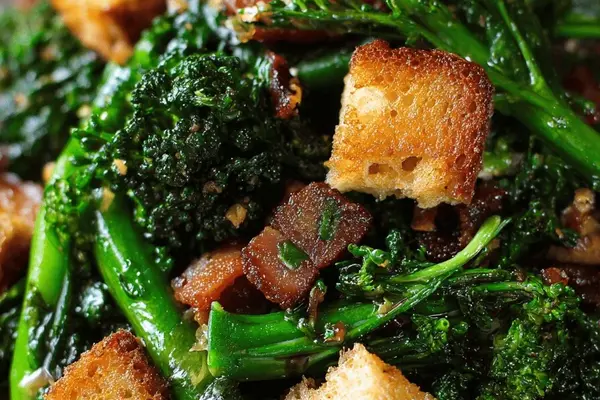
Red Wine Sautéed Vegetables with Pancetta
By Emma
Certified Culinary Professional
·
Recipe tested & approved
Red wine sautéed vegetables with kale, green beans, and cauliflower tossed with crispy pancetta, garlicky croutons, and a honey-cinnamon glaze. Perfect side dish.
Prep:
25 min
Cook:
35 min
Total:
60 min
Servings:
8 servings
Cut the pancetta first. The fat’s where everything lives. Green vegetables get dull without smoke and salt—red wine saves them. This is the side dish that tastes like it took three hours. Doesn’t.
Why You’ll Love This Sautéed Greens with Red Wine Reduction
Comes together in an hour. Mostly waiting for the reduction to thicken anyway.
Works as the side dish that actually steals the plate—not some afterthought vegetable situation. Tried it with roasted chicken. Tried it with pork chops. Works cold the next day, maybe better.
Crispy pancetta gives you something to actually chew on. Not just soft leaves.
Red wine and honey glaze isn’t sweet-sweet. Tart hits first. Cinnamon creeps in after.
The croutons stay crunchy. That matters. Most sides go soggy. These don’t.
What You Need for Green Vegetables with Pancetta and Croutons
Red wine—180 ml-ish, the stuff you’d drink. Not cooking wine. Cooking wine tastes like chemicals.
Honey. A couple tablespoons. Balances the wine without making it dessert.
Cracked black pepper and a small cinnamon stick. The stick matters. Ground cinnamon tastes dusty.
For croutons: day-old bread, the denser kind. Fresh bread turns to mush. Garlic and olive oil, that’s it.
Pancetta. Not bacon. Bacon gets too crispy too fast. Pancetta’s meatier. Diced, about 180 grams.
Red onion. One medium. Sliced thin. White onion doesn’t work—too sharp. Doesn’t belong here.
Green beans and cauliflower, both pre-steamed. Three garlic cloves, minced. Kale—curly kind, roughly chopped. Salt and pepper.
Olive oil. Fresh. Maybe four tablespoons total for the sauté.
How to Make Sautéed Vegetables with Red Wine and Honey Glaze
Start with pancetta in a large skillet over medium-high. Let it render slow. Seven to eight minutes minimum. You’re not frying it. You’re breaking down the fat so it coats everything. The edges crisp. The center stays tender. If you rush, the meat stays chewy and the fat never properly disperses.
Once the edges go golden and the pan’s basically swimming in rendered fat, pull the pancetta out. Leave the fat. That’s your cooking medium now.
Toss in the red onion and minced garlic. Keep the heat medium-high. Watch for the edges to turn golden and the smell to get thick and almost sweet. Four minutes. Maybe five. The garlic shouldn’t brown—it should turn translucent and release that raw-edged fragrance.
Add the green beans and cauliflower. They’re already steamed so you’re not cooking them—you’re coating them in fat and heat, bringing them into the dish. Toss everything. Make sure the oil hits every piece.
In goes the kale. It’ll shrink the second it hits the hot pan. Sounds scary. Isn’t. Just toss it constantly for the first minute so it doesn’t stick. Six minutes total. You want it soft but still with a tiny bit of resistance when you bite. Overcooked kale tastes like celery.
Salt now. But not much. The pancetta already salted the fat. The reduction adds pepper. Just a pinch. Taste it first before you commit.
How to Get the Red Wine Reduction Perfect
While the vegetables are going, small saucepan over medium heat. Dump in 280 ml of red wine, about 55 ml of honey, the cracked black pepper, and the cinnamon stick. Bring it to a bubbling simmer. Don’t let it rage. Just steady bubbles.
Watch it. Seriously. This is where people mess up. The reduction thickens as water evaporates. You want it to go from wine-thin to syrup-thick. That takes about 15 minutes. Maybe 20. It should coat the back of a spoon. Glossy. Sticky.
The smell changes. Sharp alcohol smell goes away. Replaced with something rich and fruity and warm from the honey. That’s your signal you’re close.
Pull out the cinnamon stick before it breaks apart in the liquid. Nothing worse than biting cinnamon splinter. Strain it if you have to.
One thing: don’t reduce too far. The honey starts to bitter if it gets too hot too long. You want sweet-tart balanced. Not caramel-dark. If it’s looking brown and smelling burned, pull it off heat immediately.
Red Wine Sauté Tips and Common Mistakes
Pancetta timing matters more than you think. Too fast and it’s chewy. Too slow and it disappears into grease. Medium-high is the only way. Seven to eight minutes. Listen for the sizzle to settle. Feel the meat between your fingers—it should break apart, not bend.
Steaming the vegetables first sounds like extra work. It’s not. It means they won’t turn to mush in the hot fat. You’re finishing them, not cooking them from scratch.
The croutons go in just before serving. Toast them in garlic oil until golden all over. Seven minutes. Stale bread holds its structure. Fresh bread dissolves.
If your reduction gets too thick—syrup that doesn’t pour—add a splash of water or stock back in. Warm it gently. It’ll loosen up.
For broccoli instead of cauliflower: watch the steaming time. Broccoli gets softer faster. Maybe four minutes instead of five.
White wine works if red isn’t around. Use a dry sauvignon blanc. Flavor changes—lighter, less depth—but still tastes good. Not the same though.
Old kale is tough. Really tough. Young bunches are where it’s at. If it’s old, it’ll still work, just cut smaller and watch it closer. The reduction can’t save bad kale.
Smoked tofu can swap for pancetta if you go vegetarian. Crisp it up first in that hot fat. Absorbs everything.
Red Wine Sautéed Vegetables with Pancetta
Prep:
25 min
Cook:
35 min
Total:
60 min
Servings:
8 servings
Ingredients
- Red Wine Reduction
- 280 ml (1 1/5 cups) red wine
- 55 ml (3 1/2 tbsp) honey
- 3 ml (3/4 tsp) cracked black pepper
- 1 small cinnamon stick, approx 2 cm
- Croutons
- 2 garlic cloves, halved
- 60 ml (4 tbsp) olive oil
- 120 g (2 1/2 cups) stale country bread, cubed
- Vegetables and Pancetta
- 180 g (6 oz) pancetta, diced
- 1 medium red onion, thinly sliced
- 3 garlic cloves, minced
- 40 ml (2 2/3 tbsp) olive oil
- 250 g (9 oz) green beans, trimmed and lightly steamed
- 1 small head cauliflower, cut into small florets, steamed till tender-crisp
- 200 g (7 cups) curly kale, roughly chopped
- Salt and pepper to taste
Method
- Vegetables and Pancetta
- 1 Heat oil in a large skillet, medium-high. Render pancetta until edges crisp and fat starts to bubble, maybe 7-8 minutes. Low and slow breaks fat down; rushing leaves chewy bits. Remove pancetta, keep fat for cooking veggies. Toss in onion and garlic; sauté until translucency hits, aroma thickens, edges just turning golden, about 4 minutes. Add steamed green beans and cauliflower; give them a thorough toss to coat in fat. In with kale; it’ll shrink fast but don’t overcook. About 6 minutes sauté, kale softening but still with tooth. Salt sparingly here—pancetta's salty, reduction adds pepper kick.
- Red Wine Reduction
- 2 Meanwhile, in a small saucepan, dump wine, honey, cracked pepper, and cinnamon stick. Medium heat to bring bubbles up. Keep an eye; reduce by nearly half, thickening to syrup that coats a spoon, glossy and sticky. Smell should shift from sharp alcohol to rich fruitiness with honey’s warmth. Strain out cinnamon bits to avoid woody surprises later. Don’t reduce too far or sugar burns—bitterness kills the sauce.
- Croutons
- 3 Use leftover or day-old sturdy bread for best crunch—softer bread sogs out. In a dry skillet, warm olive oil with garlic halves over medium heat. Let garlic infuse oil, released scent fills kitchen; toss bread cubes in, stir often. Aim for golden toasted all around, crisp but not burnt—around 7 minutes. Drain on paper towels, press lightly to remove excess oil.
- Assembly
- 4 Dish sautéed veggies tossed with pancetta pieces on large platter. Sprinkle croutons just before serving for crunch contrast. Drizzle reduction thinly over top, enough to glisten but not drown. The interplay between the sweet-tart reduction and smoky pork, crisp crouton, and fresh greens is striking. If reduction thickens too much by serving, warm gently and add splash of water or stock.
- Tips & Variations
- 5 Switch pancetta with smoked tofu for vegetarian option; it absorbs all those deep flavors. Use kale only if bunches are young—old kale toughens quicker. Cauliflower adds a nutty tone; broccoli can replace but watch steaming time for softer bite. White wine, like a dry sauvignon blanc, works if red not around—color and depth shift but still compelling. Too salty vegetables? Blanch longer or rinse quickly after steaming. For crunch alternative, chopped toasted nuts sprinkled on top provide a delightful texture twist, try toasted walnuts if no allergies.
- 6 Cooking times sketchy; watch textures and aromas instead. Don’t rush reduction or you’ll mistake bitter for flavor. When in doubt, err on side of less salt, add more at plate. Oils must be fresh, stale olive oil kills brightness. Garlic shouldn’t burn—brown but not black, else bitterness seizes dish.
- 7 Served alone, makes a hearty veggie side; paired with charred pork chops or herb-rubbed roast chicken, meal sings notes of rustic French countryside. Sunday dinners, casual suppers, whatever fits. I like to prep reduction first to let it cool and thicken, gives me margin to time croutons and sautéed greens precisely.
Nutritional information
Calories
290
Protein
8g
Carbs
20g
Fat
18g
Frequently Asked Questions About Sautéed Broccoli with Red Wine Sauce
Can I make the red wine reduction ahead of time? Yeah. Cool it completely, keep it in the fridge. Warm it gently before serving or it breaks. Three days max.
What if the reduction tastes too bitter? Honey burned. Too much heat too long. Can’t fix it. Start over with fresh wine. Lower heat next time. Watch it constantly once it gets dark.
Do I have to use pancetta? No. Bacon works but crisps faster—more like six minutes. Smoked tofu works if you don’t eat meat. Prosciutto’s too thin. Falls apart.
How do I keep the croutons crispy if serving later? Don’t. Toast them right before. They get soft in like two hours. If you have to make them early, store them in an airtight container separate from everything else. Toss right at the table.
Can I use frozen green beans instead of fresh? Doesn’t work. Frozen gets mushy when you sauté them. Blanch fresh, chill them, use those. Or steam frozen, chill completely, then sauté quickly. It’s not ideal.
Why does the recipe call for pre-steamed vegetables? So they don’t turn to mush in the hot fat. You’re finishing them in the pan, not cooking them. Steaming first means they keep their shape.
What’s the best wine to use? Something you’d actually drink. Not “cooking wine”—that stuff is terrible. A medium-bodied red. Pinot noir works. Merlot works. Nothing too expensive. Nothing from a box.
How salty should it be? Tastes it before it goes on the plate. Pancetta salt is already there. The reduction has pepper kick. Start with almost nothing—you can always add more but you can’t take it back.
You’ll Love These Too
Explore all →
Celeriac Puree with Parsnip & Crème Fraîche

Crispy Garlic Buffalo Wings Recipe
Gluten Free Hors D'Oeuvres with Sunflower Seeds
Mediterranean Orzo Salad with Goat Cheese
Crispy Skillet Beef Tacos with Tangy Sauce
Red Velvet White Chip Cookies Recipe
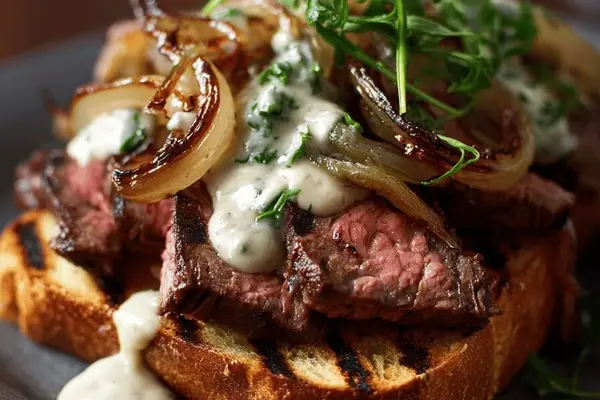
Grilled Beef Sandwiches With Pickled Fennel
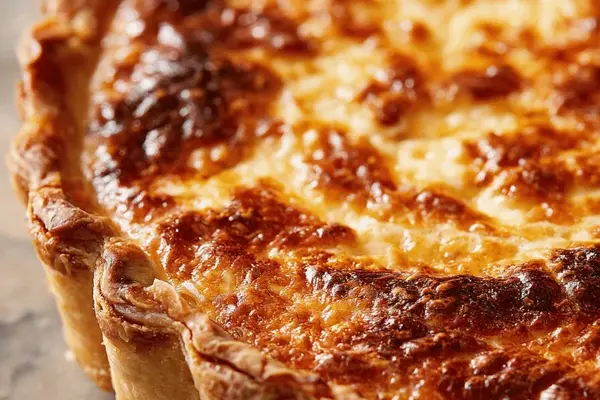
Savory Pastry Dough with Pork Fat
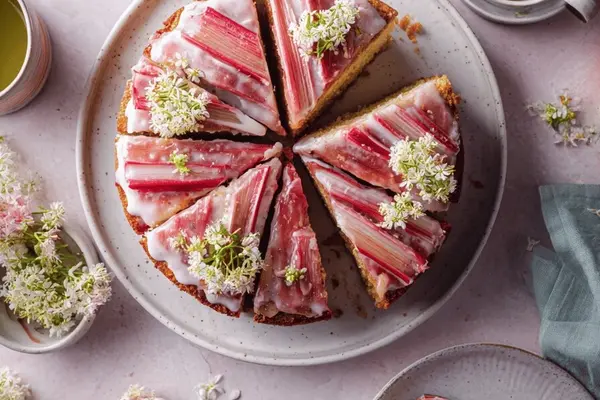
Rhubarb Elderflower Cake with Jam Glaze
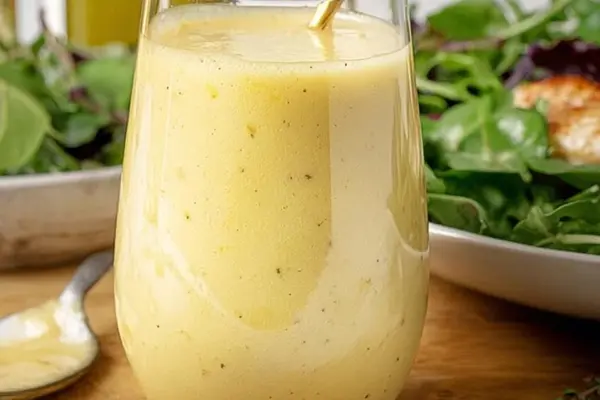
Butter Sauce with White Wine and Lime
Unsweetened Coconut Juice with Soybeans
Vanilla Panna Cotta with Rhubarb Compote

Banana Pineapple Bundt Cake Recipe
Pasta with Peas, Butter & Aged Cheese
Pancake Spaghetti Remix with Almonds

Chocolate Chip Cookie Recipe with Cake Mix
Pumpkin Bars Recipe with Spiced Filling
Miso Tomato Tofu Stir Fry with Snap Peas

Homemade Zeppole: Crispy Fried Dough Balls