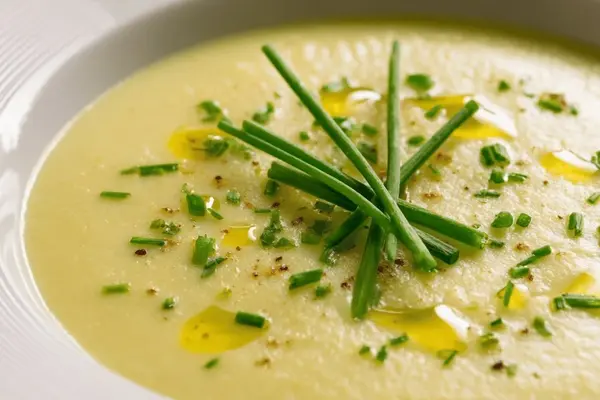
Green Minestrone Soup with Kale & Zucchini
By Emma
Certified Culinary Professional
·
Recipe tested & approved
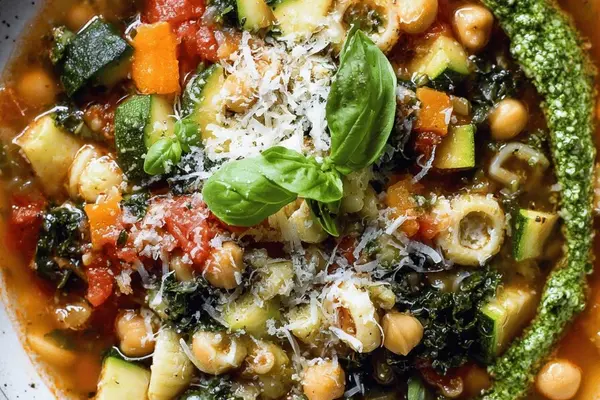
Green minestrone soup loaded with diced zucchini, kale, and leek simmered in vegetable broth. Chickpeas and pasta shells add heartiness, finished with basil pesto and parmesan.
Prep:
25 min
Cook:
35 min
Total:
60 min
Servings:
4 servings
Olive oil hisses. Zucchini goes in—soft and glossy in under ten minutes. That’s the whole first move.
Why You’ll Love This Green Minestrone Soup
One pot. Literally one. Dump everything, walk away for 35 minutes, done. Tastes like actual Italian soup, not the canned version. The pesto at the end does something. Works cold the next day. Maybe better cold, if you’re into that. Kale instead of spinach means it doesn’t turn to nothing. Holds up. Stays green. Healthy because it’s mostly vegetables and broth—no cream, no butter except the olive oil—and you can feel good about eating it without pretending you’re suffering.
What You Need for Green Minestrone Soup
Two medium zucchinis, diced. Not grated. Actual chunks. One small leek, white part only, sliced thin. Leeks are sweeter than onions. Worth the extra step. One garlic clove minced. One. Not a bulb. Thirty ml olive oil. Two tablespoons. Good oil if you have it. Regular works too. One point two five liters vegetable broth. Low sodium. Salty broth ruins this. One can chickpeas, rinsed. Canned is fine. Swap white beans if you want—earthier, nuttier thing happens. A piece of Parmesan rind if you have one sitting around. Optional but the broth tastes different with it. Better. One hundred fifty grams kale. Chopped. Not spinach. Spinach disappears. Kale actually stays there. Eighty-five grams pasta shells. Small ones. Takes about eight to ten minutes, which matches the kale. Two tablespoons pesto. Store-bought is fine. Homemade is better but not a requirement. Fresh Parmesan for serving. Grated. Not the green can. Fresh basil if you’re thinking about it. Not necessary.
How to Make Green Minestrone Soup
Heat the olive oil in a large saucepan over medium-high. It should shimmer before you add anything. Toss in the zucchini, leek, and garlic. Pinch of salt and pepper. Stir constantly—this part matters. The vegetables release their water first and it looks kind of sad, then the water cooks off and suddenly it smells sweet and the zucchini gets glossy. Takes maybe seven to nine minutes. You’re not browning anything. Just softening. Getting the foundation right before the broth goes in.
Pour in the vegetable broth. It’ll sizzle if the pan’s hot enough. Add the chickpeas and the Parmesan rind if you have one. Crank the heat. Watch for bubbles rising steadily across the surface—that’s boiling. Once it gets there, drop the heat to medium-low and put a lid on it, but not all the way. Leave it cracked. Let it sit for six to eight minutes. The soup should smell fragrant. The vegetables soften more. Not mushy yet. Just soft.
Pull the lid off. Taste the broth now. Fix the salt and pepper. This is the moment. Now drop in the kale and the pasta. Stir it. Keep the heat on, no lid, and watch it close. The pasta needs maybe five to ten minutes—depends on the brand, depends on your stove. Test a piece every couple minutes. Kale wilts down but keeps that bright green if you don’t leave it in forever. The moment the pasta hits al dente, you’re done. Don’t overcook it. It’ll keep cooking in the residual heat.
How to Get Green Minestrone Soup Just Right
Turn the heat off completely. Fold in the pesto. Don’t stir it into oblivion—just mix until the oils coat everything. The pesto hits different when the soup’s not boiling. It stays fresher. Brighter. Pull out the Parmesan rind if you used one and throw it away.
Ladle it into bowls while it’s hot. Grate fresh Parmesan over the top. Scatter basil if you have it. Eat it immediately. The texture’s best right then. Leftovers are fine—the pasta soaks up more broth and gets softer, which some people like. Not everyone.
If your kale tastes tough, blanch it separately for two minutes in salted boiling water, then add it at the very end. Changes nothing taste-wise. Just texture.
You could throw vegetable scraps into the broth while it’s simmering—carrot ends, celery bottoms, whatever. Simmer them for five minutes, fish them out. Extra flavor costs nothing.
Green Minestrone Soup Tips and Common Mistakes
Don’t skip the sauté step. That’s where the flavor lives. Seven to nine minutes is not negotiable. The vegetables soften and release something sweet that the broth alone won’t give you.
The low-sodium broth matters. Regular broth is too salty and there’s no fixing that later. You can always add salt. Can’t take it out.
Pasta shape doesn’t matter that much—small shells, ditalini, whatever. Just keep it under ten minutes of cooking time or it turns to mush.
Kale instead of spinach changes the game. Spinach wilts into nothing and you end up with green-tinted broth. Kale stays. Stays green. Stays textured.
The Parmesan rind is optional but weird to skip if you have one. It melts slightly into the broth and the soup tastes rounder, richer, less one-note. Not essential. Makes a difference.
Pesto goes in after the heat is off. If you stir it in while the soup’s boiling, the basil gets cooked and loses the point. Add it at the end.
Some people make this with cannellini beans instead of chickpeas. Works. Chickpeas are nuttier, hold their shape better. Cannellini are softer, creamier. Pick based on what you want.
Green Minestrone Soup with Kale & Zucchini
Prep:
25 min
Cook:
35 min
Total:
60 min
Servings:
4 servings
Ingredients
- 2 medium zucchinis, diced
- 1 small leek white part only, thinly sliced
- 1 garlic clove, minced
- 30 ml olive oil (2 tablespoons)
- 1.25 liters low-sodium vegetable broth
- 1 can 400 ml (14 oz) chickpeas, rinsed and drained
- 1 rind Parmesan cheese piece (optional but recommended)
- 150 g (about 5 cups) chopped kale instead of spinach
- 85 g (3 oz) small pasta shells or other small shaped short pasta
- 30 ml (2 tablespoons) store-bought or homemade basil pesto
- Freshly grated Parmesan, for serving
- Fresh basil leaves, optional garnish
Method
- 1 Heat olive oil in large saucepan over medium-high heat. Toss in diced zucchinis, sliced leek, and minced garlic. Sprinkle with a pinch of salt and pepper. Stir often, cook until veggies soften and start releasing aroma, 7 to 9 minutes—should smell sweet and look glossy but not browned.
- 2 Pour in vegetable broth carefully. Add rinsed chickpeas and parmesan rind if using. Turn up heat and bring to a lively boil, watch for bubbles rising steadily. Once boiling, lower heat to medium-low and cover partially. Let simmer 6 to 8 minutes. Soup should smell fragrant, veggies tender but not mushy.
- 3 Remove lid, taste broth; adjust salt and pepper now. Add chopped kale and pasta shells. Stir to combine, continue cooking uncovered, stirring frequently, until pasta is al dente and kale has wilted but still vibrates bright green, about 5 to 10 minutes. Watch pasta closely, test a piece every few minutes to avoid overcooking.
- 4 Turn off heat. Quickly fold in pesto. Mix well—pesto oils will coat the soup, adding fresh herbal punch. Remove parmesan rind and discard.
- 5 Ladle into bowls. Sprinkle freshly grated parmesan over each serving, scatter basil leaves if you have some on hand. Serve immediately for best texture; leftover pasta tends to soak up broth.
- 6 If kale feels tough, blanch first separately and add later. If veggie scraps available, simmer them in broth for extra flavor. Swap white beans for chickpeas for nuttier texture and slight earthiness. Don’t rush the sauté step—softening those veggies is key.
Nutritional information
Calories
280
Protein
12g
Carbs
38g
Fat
9g
Frequently Asked Questions About Green Minestrone Soup
Can I make this vegetable soup ahead of time? Yeah. Cook it all the way through, cool it, stick it in the fridge. Tastes fine reheated. The pasta gets softer, the broth gets stronger. Some people like it better the next day. The pesto—add fresh pesto when you reheat it, not before you store it. Pesto gets weird after a day.
What’s the difference between this and regular minestrone? Green minestrone uses kale instead of spinach or other greens, and usually more of them. Kale holds up better during storage. Regular minestrone is all over the place—every Italian kitchen does it differently. This one’s built for the vegetables to stay distinct, not disappear.
How long does this Italian soup actually take? Twenty-five minutes prep if you’re chopping slowly. Thirty-five minutes cooking. Total sixty minutes start to finish. If you pre-chop everything, you’re down to forty-five minutes of active time. The simmering part doesn’t need you standing there.
Can I use frozen kale or zucchini in this one pot minestrone? Frozen kale works fine. Frozen zucchini gets watery and mushy. Don’t use frozen zucchini. The texture falls apart. Fresh zucchini takes two minutes to dice. Worth it.
What if I don’t have a Parmesan rind? Skip it. The soup’s still good. Add a handful of grated Parmesan to the bowls at the end instead. It’s a shortcut, not a requirement.
Does this minestrone with kale and zucchini freeze well? Freezes fine. Freeze without the pasta if you can—cook the pasta fresh when you reheat it. Frozen-then-thawed pasta turns to paste. If you freeze the whole thing together, just know the pasta will be softer when you reheat.
Can I add other vegetables to this low sodium vegetable broth minestrone? Sure. Add them when they’d be done in the same time as the kale and pasta. Carrots take longer, so those go in with the broth. Green beans, celery, whatever. Just watch the total cooking time. Don’t let it go over ten minutes after you add the greens and pasta.
You’ll Love These Too
Explore all →
Black Eyed Peas with Smoked Pork

Homemade Cinnamon Rolls with Honey Caramel

Avocado Chocolate Cookies with Walnuts

Chocolate Brownies with Espresso and Mini Chips

Buttercream Lemon Pound Cake Recipe
Bell Pepper Bruschetta with Olives

Crispy Corn Fritters with Smoked Paprika
Vegan Pesto with Pumpkin Seeds & Tomatoes

Air Fryer Buffalo Wings
Spaghetti Caponata with Crispy Eggplant
Greek Yogurt Bowls with Strawberries

Hot Apple Cider with Cinnamon & Rosemary
Brunch Salad with Creamy Italian Dressing

Lego Block Cake with Almond Flour & Buttercream
Quinoa Pork Meatball Soup with Udon

Honey Nut Baklava Recipe with Walnuts
Fish Panko with Glazed Carrots & Allspice

Herb Butter Toast Cubes with Tarragon
Crispy Fried Turkey with Smoked Paprika