Gluten-Free Chocolate Soufflés with Lime Zest
By Emma
Certified Culinary Professional
·
Recipe tested & approved
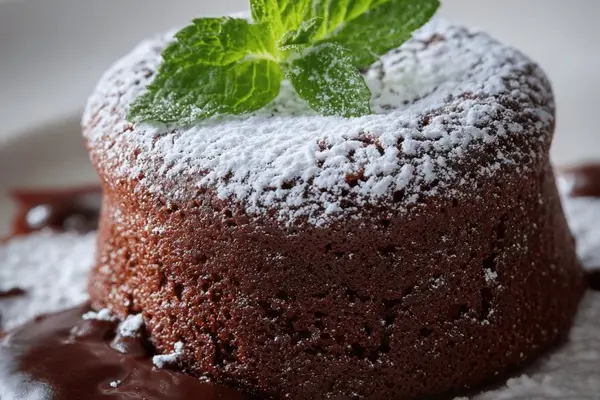
Gluten-free chocolate soufflés made with dark chocolate, cocoa powder, and potato starch. Light, airy texture with lime zest brightness balances rich chocolate perfectly.
Prep:
35 min
Cook:
30 min
Total:
65 min
Servings:
8 servings
Three minutes until guests arrive and you’re pulling a puffy chocolate cloud from the oven—still jiggling slightly in the center, edges barely set, smelling like dark chocolate and lime. That’s the whole reason for this. Not the difficulty. The moment.
Why You’ll Love This Gluten-Free Chocolate Soufflé
Feels fancy but takes 35 minutes of actual work. The rest is just waiting and not opening the oven door.
Tastes like the real thing—doesn’t flatten after it cools because of how the potato starch sets it. Most gluten-free versions collapse into hockey pucks.
Works at dinner parties. Works alone on a Tuesday night. Works cold the next morning with coffee, kind of. Not as good, but still.
The lime zest does something weird. You can’t taste lime exactly. It just makes the chocolate go darker and deeper. Hard to explain.
What You Need for Gluten-Free Chocolate Soufflés
Dark chocolate, roughly chopped. Two hundred grams. Bittersweet. Not milk. Not too fancy. Just something with actual chocolate in it.
Cocoa powder unsweetened. Sifted. Twenty-five grams. Sifting matters here—lumps stay as lumps and wreck the texture. Just sift it.
Potato starch. Thirty milliliters. This is what makes it gluten-free and what gives it the structure to hold its shape. Cornstarch works but doesn’t hold quite as firm. Potato starch is better.
Milk. Regular whole milk. Two hundred sixty milliliters. Not almond. Not oat. Whole milk has the fat that makes it smooth.
Five eggs. Room temperature. Separated. Use fresh eggs—old ones won’t whip up right.
Cream of tartar or white vinegar. Half a teaspoon of cream of tartar, or a quarter teaspoon of white vinegar if that’s what you have. Stabilizes the whites. Vinegar changes the taste a tiny bit but it works.
Sugar. Ninety grams total. Divided as you go. Some for dusting the ramekins, some for the meringue.
Lime zest. One lime. Zest only. The juice goes nowhere.
Butter for the ramekins. Doesn’t matter how much. Just enough to coat.
How to Make Gluten-Free Chocolate Soufflé
Oven to 365°F. Center rack. Six to eight ramekins—the kind that are straight-sided, one cup each. Butter them. Then dust them with sugar. Bottom and walls. Dust it good. This creates a little crust that helps it climb. Stick them in the fridge while you make everything else.
Chop your chocolate. Dump it with the cocoa powder into a large bowl. Just sit there for now.
Potato starch into milk. Not heated yet. Whisk it until it’s smooth—no lumps hiding. Then put the saucepan on medium heat. Stir constantly. It’ll look thin for a while. Then it suddenly thickens. That happens fast. Thirty to forty-five seconds of actual simmering. Not a raging boil. A soft simmer with tiny bubbles. The moment it thickens, pull it off heat.
Pour the hot custard onto the chocolate. Don’t stir yet. Let it sit two minutes. This lets the heat do the work. Then stir slowly. Coax the chocolate into the milk. No streaks. Glossy. Once it’s smooth, add the egg yolks. Stir gently. It gets glossy and homogeneous fast. Last thing—lime zest. Fold it in. The oils from the zest just wake everything up.
How to Get Gluten-Free Chocolate Soufflé Puffed and Perfect
Egg whites go in a clean, dry bowl. Actually clean. Residue kills meringue. Cream of tartar in there. Beat it on medium speed until soft peaks form. That means peaks that curl over when you lift the beaters. Then turn it up to high and start adding the sugar gradually—not all at once. Keep beating until the peaks are firm and glossy. They should hold their shape but still have a tiny bit of bend at the tips. If they get grainy and dry-looking, you’ve overbeaten them. Add a few drops of lemon juice and beat on low to bring them back. Takes just a minute.
Now the folding part is where it gets real. Take one-third of the meringue and mix it into the chocolate. This loosens up the chocolate so it’s not heavy. Stir it hard. That’s fine.
Then add the rest of the meringue in two additions. Fold gently. Wide spatula. Lift from the bottom to the top in big arcs. Slow motion. The whole point is to keep the air in there. Crushing it means a flat soufflé. You’ll know when it looks right—marbled but mostly combined.
Spoon into the ramekins. Fill them almost to the top. Smooth the top with the back of your spoon. Then run your finger around the inside edge—just the rim. This creates a tiny gap between the soufflé and the ramekin wall. Keeps it from cracking as it rises. Wipe the rims clean. Sugar burn spots are not aesthetic.
Set the ramekins on a baking tray. Everything goes in at once.
Bake 25 to 30 minutes. Start checking at 25. You want them puffed up about an inch over the rim, surface firm, inside still jiggling slightly when you shake the rack. The edges might crack or shiver. That’s good. That’s a sign it’s almost done. Don’t open the door before 25 minutes or it collapses. After 25, you can peek.
The moment it looks right, pull it out. Serve immediately. It deflates within seconds of cooling. That’s not a failure. That’s normal.
Gluten-Free Chocolate Soufflé Tips and Common Mistakes
Room temperature eggs whip better than cold ones. Takes five extra minutes to warm them up. Worth it.
Don’t skip the lime zest. People don’t taste lime. They taste “darker.” That’s the zest.
If your whites overbeat and get grainy, add a few drops of lemon juice and beat on low. They’ll soften right back up.
No cream of tartar? White vinegar works but makes it taste slightly vinegary. Haven’t figured out how to avoid that. Just works anyway.
Potato starch is essential for gluten-free structure. Cornstarch can replace it but the rise isn’t quite as reliable and it sets differently. Potato starch is better.
Fresh eggs matter. Old eggs don’t whip the same way. The yolks get flatter, the whites don’t get as much volume.
Folding too hard kills the whole thing. Slow, deliberate motions. Big arcs from bottom to top. Keep lifting, not stirring.
The tiny gap around the edge prevents cracking. Don’t skip it.
Altitude changes things. Lower altitude, bake around 20 minutes. Higher altitude, bake longer. Watch the visual cue—puffed over the rim, still jiggly inside.
Gluten-Free Chocolate Soufflés with Lime Zest
Prep:
35 min
Cook:
30 min
Total:
65 min
Servings:
8 servings
Ingredients
- 200 g dark bittersweet chocolate, roughly chopped
- 25 g unsweetened cocoa powder, sifted
- 30 ml (2 tbsp) potato starch
- 260 ml (1 cup plus 2 tbsp) whole milk
- 5 eggs, at room temperature, separated
- 2.5 ml (1/2 tsp) cream of tartar or 1/4 tsp white vinegar
- 90 g granulated sugar, divided
- Zest of 1 lime
Method
- Preparation
- 1 Rack in center position. Oven to 185°C (365°F). Butter six to eight 250 ml (1 cup) straight-sided ramekins. Dust bottom and walls generously with sugar. Chill until ready to fill; this sets a fine crust.
- Chocolate base
- 2 In large bowl, heap dark chocolate and cocoa powder mixed together. Fine powder for deeper cocoa note—don’t skip sifting or lumps chance ruin.
- 3 In small saucepan off heat, whisk potato starch into milk until smooth. Heat on medium, stirring constantly. As mixture nears boil, thickens in 30-45 seconds with soft simmer bubbles, not raging boil. Remove immediately once thickened.
- 4 Pour hot custard onto chocolate. Let sit 2 minutes untouched. Stir slowly, coax chocolate to melt without streaks. Scrape in egg yolks, stirring gently until glossy and homogeneous. Fold in lime zest last—citrus oils awaken the blend.
- Meringue
- 5 In large clean dry bowl, beat egg whites and cream of tartar on medium speed to soft peaks. Increase speed, add half sugar gradually, beat to firm glossy peaks that hold shape but still bend slightly at tips. Avoid dry grainy spikes—they hurt volume.
- Folding & filling
- 6 Blend 1/3 meringue quick into chocolate mix to loosen it. Then add remaining meringue in two additions, folding gently with wide spatula. Keep motion slow, deliberate; lift from bottom to top in big arcs. Crushing air means flat soufflé. Aim to keep as much volume as possible.
- 7 Spoon into ramekins nearly full; smooth top. Run finger around inside edge to create tiny gap—prevents cracking during rise. Wipe rims clean to avoid burnt sugar spots. Set ramekins on baking tray.
- Baking
- 8 Bake 25-30 minutes. Start checking at 25. Look for soufflés puffed over rims by ~2.5 cm (1 inch), surface firm but slightly jiggly inside. Edges may crack or shiver—good sign. Oven sounds soften. Avoid opening door early—collapse risk.
- 9 Remove, serve immediately. Deflates in moments once cooled. Perfect partnered with tart berries or just dusted sugar.
- Troubleshooting
- 10 If whites overbeat, add a few drops lemon juice, remix at low speed to soften. No cream of tartar? White vinegar works but affects taste subtly. Miss potato starch? Cornstarch can replace but affects rise slightly. Failed rise points to folding too aggressive or whites too soft/stiff. Use fresh eggs for best bubbles. Lower altitude? Bake --> 20 minutes; higher altitudes, bake longer monitoring rise visually.
Nutritional information
Calories
280
Protein
6g
Carbs
25g
Fat
17g
Frequently Asked Questions About Gluten-Free Chocolate Soufflé
Can I make these ahead of time? No. Well—you can prep everything separately and fold it together just before baking. But once they’re in the ramekins, they need to bake. Waiting flattens them.
What if I don’t have a straight-sided ramekin? It won’t rise as high. The straight sides guide the soufflé up. Regular curved ramekins work but they don’t look as impressive. Just works different.
Can I use a different chocolate? Dark chocolate does the job best. Milk chocolate makes it sweeter and less dramatic. White chocolate—haven’t tried it. Probably tastes weird. Stick with dark.
Why potato starch and not cornstarch? Potato starch creates a firmer structure. Cornstarch works but the texture gets more custard-like instead of fluffy. For a soufflé, potato starch is better.
How do I know when it’s actually done? Puffed over the rim by about an inch, top is firm, inside still jiggles slightly when you move the rack. That slight jiggle in the center is perfect. Overbaked means dry.
Can I serve it later? It deflates as it cools. Serve it fresh from the oven. Some people eat the deflated version the next day cold with coffee. Not the same but not terrible either.
What’s the lime zest for? Makes the chocolate taste darker and more complex. You don’t taste lime. It just wakes up the cocoa. Try it without once if you don’t believe me. Then add it and taste again. Different.
Do I really need to dust the ramekins with sugar? Yes. Creates a crust that helps it climb. Affects the rise and the texture of the sides. Don’t skip it.
You’ll Love These Too
Explore all →
Fried Cabbage Dish with Bacon and Onion
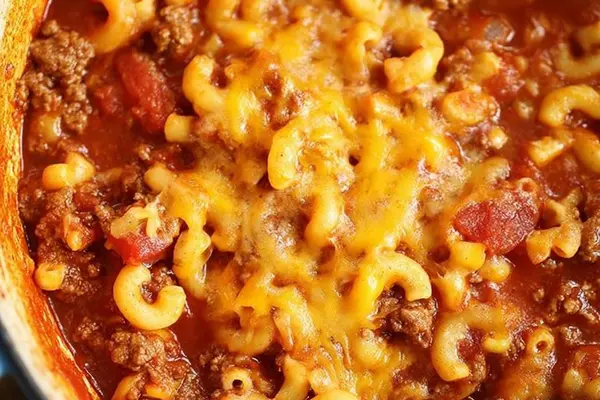
Beef Pasta with Chipotle, Corn & Cheddar
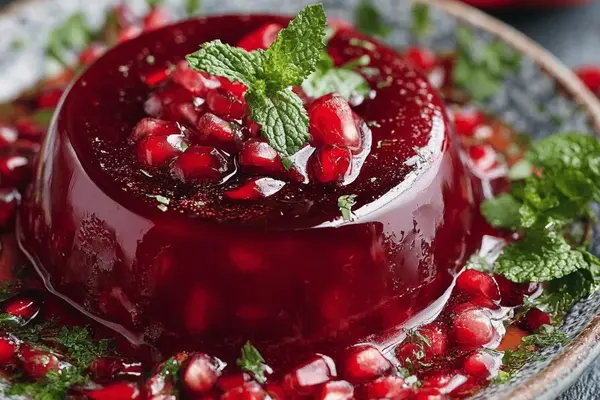
Pomegranate Ginger Jelly with Agar-Agar
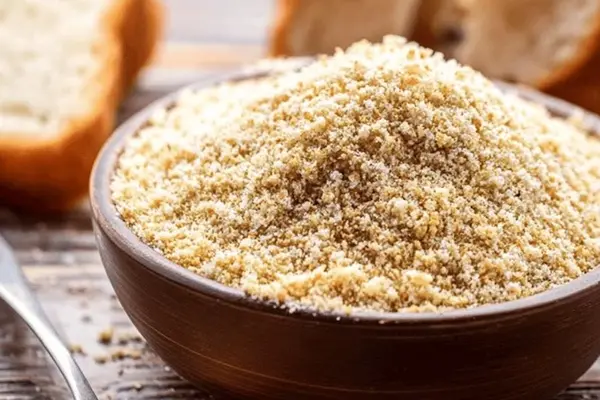
Homemade Crisp Breadcrumbs from Day-Old Bread
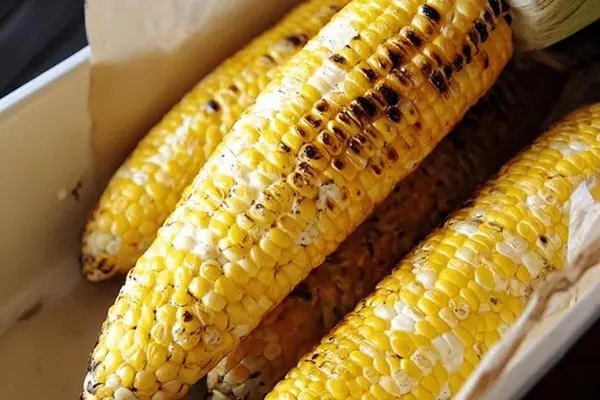
Grilled Corn On The Cob With Garlic Herb Butter
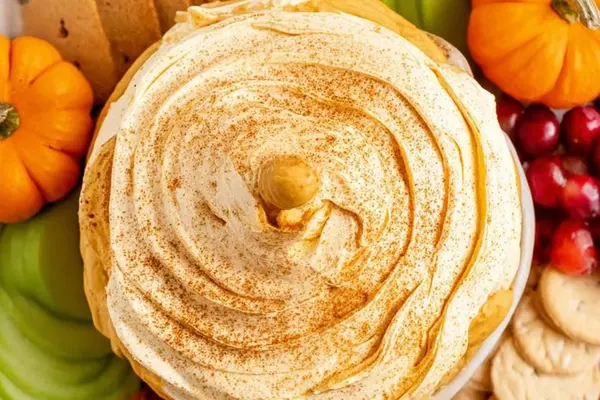
No Bake Cheesecake with Pumpkin & Vanilla
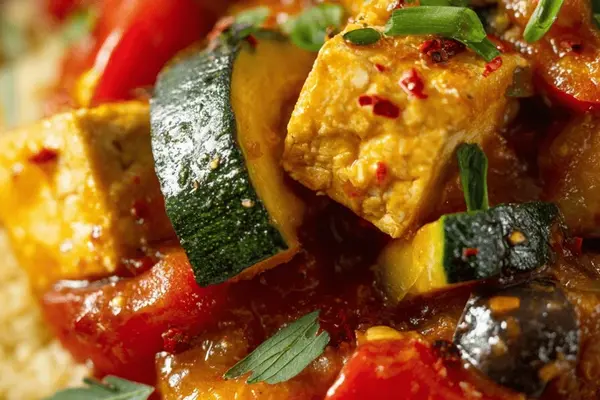
Tofu Stir Fry with Bell Peppers & Zucchini
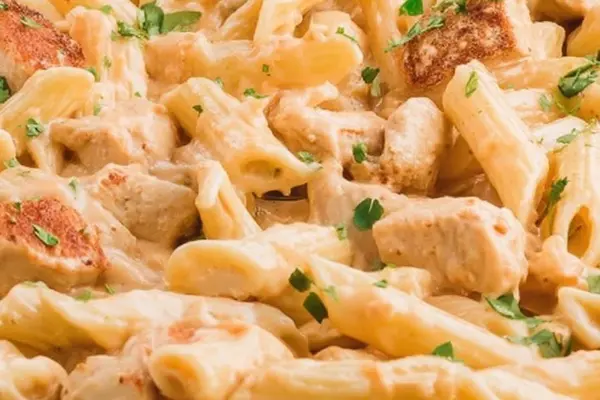
Cajun Chicken Pasta with Creamy Tomato Sauce
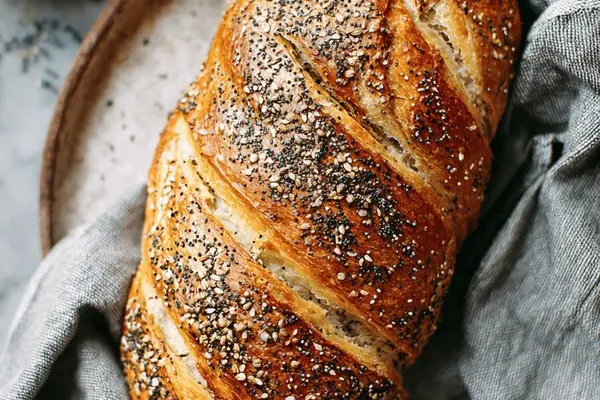
Seeded Ciabatta Twist with Olive Oil
Maple Glazed Roasted Potatoes with Pecans

Roasted Sweet Potatoes with Smoked Gouda

Mignonette Dressing with Papaya & Red Bell Pepper
Salisbury Steak Meatballs with Mushroom Gravy
Buttermilk Herb Vinaigrette with Fresh Dill
Zucchini Lime Muffins with Oat Flour

Ham Cheddar Biscuits with Buttermilk
Ina Garten Parmesan and Thyme Crackers
Checkerboard Cake with Caramel Filling
Pumpkin Cheesecake with Gingersnap Crust