Dijon Glazed Fish with Maple and Lemon
By Emma
Certified Culinary Professional
·
Recipe tested & approved
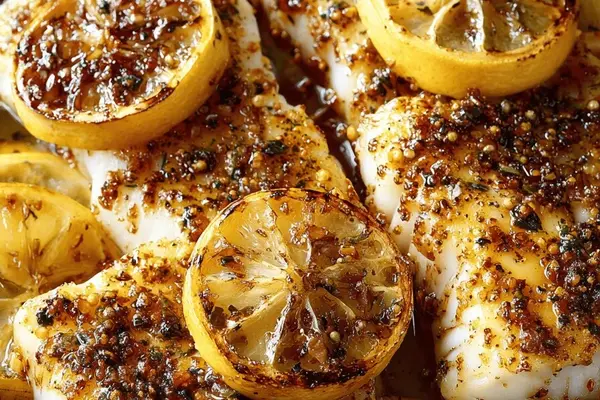
Broiled white fish fillets with Dijon and whole grain mustard glaze, maple syrup, and charred lemon. Quick, elegant dinner ready in minutes.
Prep:
12 min
Cook:
22 min
Total:
34 min
Servings:
4 servings
Cut the fish thin or thick—doesn’t matter much, just watch it like a hawk. Three lemons, a skillet that’s already hot, and 34 minutes total. That’s it. The glaze is mustard and maple stirred together—nothing fancy. You sear it, char the lemon, brush the glaze on, then slide the whole pan under the broiler until it’s bubbling and golden and maybe slightly blackened at the edges. Which is exactly when you pull it out.
Why You’ll Love This Glazed Fish Dijon Twist
Takes 12 minutes to prep. Cook time is 22, so dinner happens before you’re actually starving.
French style but not fussy. No cream, no complicated technique. Just mustard and honey doing what they do best—one’s sharp, one’s sweet, together they’re this glossy thing that sticks to fish.
Lemon goes in the pan too, gets charred, releases oils. Then you eat it or squeeze it or both. Up to you.
Works for actual weeknight dinner. Also works when you’re trying to impress someone and don’t want to spend three hours. The broiler does the heavy lifting here.
Citrus and seafood make sense together—always have. This just makes it obvious.
What You Need for Honey Mustard Fish
Maple syrup. Two and two-thirds tablespoons. Not honey. Maple’s thinner, won’t burn as fast under the broiler.
Two mustards. Dijon mustard gets you the sharp. Whole grain mustard brings texture and this grainy, almost sweet thing that mellows out the edge. A tablespoon of each, maybe a touch more of the whole grain.
White fish fillets—about 2.5 centimeters thick. Cod works. Haddock works. Tilapia works. Doesn’t have to be one thing. Skinless matters because you’re searing the flesh side and you want brown contact, not skin sitting there rubbery.
Three lemons. Halved. Cut-side down on the pan while the fish cooks.
Olive oil. Thirty milliliters. Two tablespoons. Just enough to coat the skillet so nothing sticks.
Salt. Cracked black pepper. The expensive grinder kind if you have it. Doesn’t actually matter but it feels right.
That’s the whole list. No butter. No cream. No wine if you don’t want it.
How to Make Broiled Fish with Honey Mustard and Grilled Lemon
Start with the oven. Move the rack up high. Turn the broiler on. Let it get hot while you prep everything else—this matters more than you’d think.
Get a heavy skillet. Cast iron if you have it, but any skillet that doesn’t warp works. Medium-high heat. Pour in the olive oil and let it move around until it’s shimmering and slides fast across the pan. You’ll know.
While that’s happening, whisk the maple syrup with both mustards. Sticky. Grainy. Thick enough that it doesn’t slide off a spoon but thin enough that a brush won’t just clump it up. Not hard. Just stir.
Now the fish. Lay the fillets flat in the hot oil. Don’t crowd them. Space matters. The skinless side hits the pan first—that’s the side that’s going to brown and get color. Leave it alone for 3 to 4 minutes. Don’t move it. Don’t peek constantly.
While the fish sears, nestle the lemon halves cut-side down in the same pan. They char. They release oils. The pan smells like a French restaurant that’s also a lemon grove. About 5 to 6 minutes on that side. If they’re blackening too fast, flip them. But you want actual char, not just heat. That’s the point.
How to Get Glazed Fish Dijon Crispy and Tender
After the sear, everything happens fast. Fish is going to be mostly opaque on the sides by now but the middle’s still got give. Salt the top. Crack pepper over it. Flip once—just once—and salt and pepper the other side.
Pull the pan off the heat. This is important. Cold pan first, then brush. Brush the mustard-maple glaze thick across the fish. Glossy. Generous. Don’t be shy. This is what becomes the crust.
Slide the skillet straight under the broiler. Listen. You’ll hear sizzling immediately. Watch the glaze bubble up and turn darker and almost caramelized—it’s going to go from sticky to glossy to slightly blackened in maybe 3 to 6 minutes depending on how thick your fillets are. Thicker fish needs longer. Thinner fish burns if you blink.
The fish itself firms up first. You’ll notice the edges turn completely opaque. The middle still has give. Press it gently with your finger—the fish should spring back a tiny bit, not stay dented. That’s medium. If you like it actually cooked through, wait another minute.
Pull it out when the glaze is bubbling and the fish isn’t rubbery. You want the flesh to still have a tiny bit of give in the thickest part. It’s going to keep cooking for 30 seconds after you pull it out anyway.
Broiled Fish with Honey Mustard Glaze Tips and Common Mistakes
The biggest thing: don’t skip searing. Broiler alone won’t give you brown. The skillet does.
Lemon matters for real—not just for juice. The char changes it. Caramelizes it. Makes it less sharp. If your lemons are blackening too dark, your pan was too hot or your broiler’s closer than you thought. Rotate them halfway, flip them once. They’re not ruined if they’re black—they’re just bitter then. Avoid that if you can.
Fish thickness changes everything. If your fillets are thinner than an inch, reduce the sear time to 2 minutes and the broil time to maybe 3. If they’re thick, you might need an extra minute under the broiler. Thickness tells the story. Watch, don’t time.
No broiler? That’s fine. Use a 200-degree Celsius oven—that’s 400 Fahrenheit. Finish the fish in there after you brush the glaze. Takes about 10 minutes instead of 3 to 6. You won’t get the same dark glaze, but the flavor’s the same. The texture won’t be quite as crispy. But it works.
Butter and honey instead of oil and maple syrup? People do it. It burns faster though. Cut the broil time. Watch it constantly. Not worth the risk unless you really want it.
Don’t crowd the skillet. Room matters. Fish steams if you pack them in. Steamed fish is sad fish.
Dijon Glazed Fish with Maple and Lemon
Prep:
12 min
Cook:
22 min
Total:
34 min
Servings:
4 servings
Ingredients
- 40 ml (2 2/3 tbsp) pure maple syrup
- 15 ml (1 tbsp) Dijon mustard
- 25 ml (5 tsp) whole grain mustard
- 4 skinless white fish fillets about 2.5 cm (1 inch) thick (cod, haddock, tilapia)
- 3 lemons, halved
- 30 ml (2 tbsp) olive oil
- Salt and freshly cracked black pepper
Method
- 1 Move oven rack near top, preheat broiler high. Fish thickness dictates broil time—thin cooks fast, keep watch.
- 2 Whisk maple syrup with both mustards thoroughly. Sticky, grainy texture should cling well but not drip.
- 3 Heat heavy skillet over medium-high, add olive oil swirling to coat. When hot, lay fish flat without crowding. Sear skinless side first until edges show opaque signs and bottom browns, about 3-4 minutes.
- 4 Nestle lemon halves cut side down beside fish, let char and release oils, turn only if blackening too fast, about 5-6 minutes.
- 5 Salt and pepper fish as you turn once. Remove pan from heat, brush thick coat of mustard-maple mixture on fish surfaces—glossy, generous layer.
- 6 Slide skillet under broiler. Listen for sizzling, watch glaze bubble and caramelize into glossy crust. 3-6 minutes depending on thickness. Fish firms but still tender—use gentle press test, should spring back slightly.
- 7 Serve immediately with grilled lemon halves for squeezing, rice or roasted vegetables for contrast.
- 8 If no broiler, finish in 200°C (400°F) oven till glaze bubbles and fish flakes easily, about 10 minutes.
- 9 Butter and honey can replace oil and maple if preferred, but prone to faster burning. Adjust broil timing down.
- 10 If fillets too thin, reduce sear and broil times to avoid dryness. Rotate lemons to avoid bitterness from burnt skin.
Nutritional information
Calories
220
Protein
28g
Carbs
10g
Fat
8g
Frequently Asked Questions About Maple Syrup Glazed Tilapia with Dijon
Can I use regular mustard instead of both? No. One mustard tastes flat. Dijon gives you sharp. Whole grain brings texture and depth. Not the same if you skip one.
What if I only have skinned fillets that are really thin? Sear them 2 minutes each side. Broil 3 to 4 minutes max. Thin fish dries out if you’re not watching. Listen for the glaze to bubble—that’s your signal to pull it.
Does the lemon actually need to char or can I just squeeze it after? Charred is different. The heat changes the flavor—makes it sweeter, less sharp. You can squeeze it raw over the top when you serve, but the charred lemon from the pan is what makes this thing work.
Can I make the glaze ahead? Yeah. Mix the maple syrup and mustards whenever. Sits fine for days in a container. Bring it to room temperature before you brush it or it’ll be too thick.
How do I know when the fish is actually done? Press it. Gentle. If it springs back slightly and the center’s opaque but still has give, it’s done. If it’s solid all the way through, you cooked it longer than needed. Fish keeps cooking after you pull it from heat.
Is this actually French style or did you just call it that? Dijon mustard and lemon together is French. Honey and maple are more North American. It’s borrowed French. But the technique—sear then finish hot—that’s real.
You’ll Love These Too
Explore all →
Ground Beef Chili Recipe with Beans
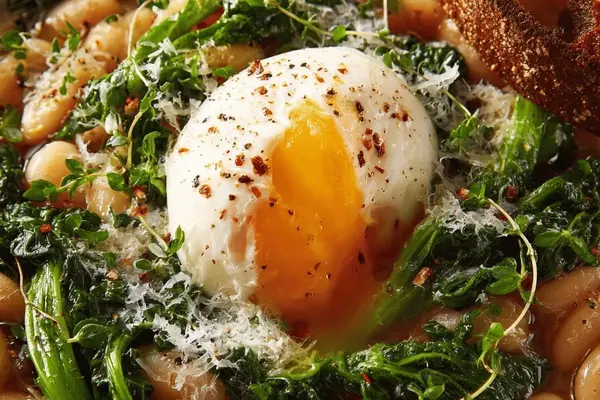
Slow-Baked White Beans with Soft-Boiled Eggs
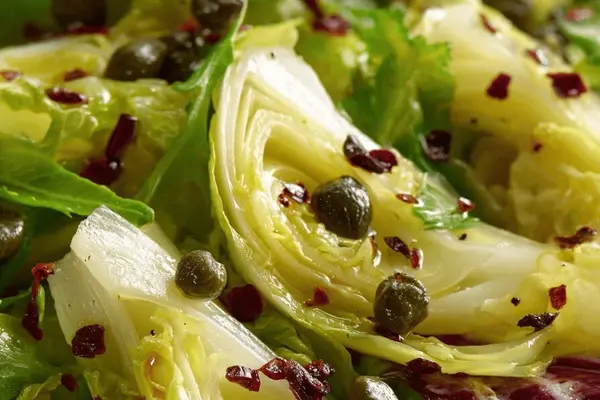
Roman Chicory Salad with Puntarelle

Pierogi Kielbasa Bake with Cheddar
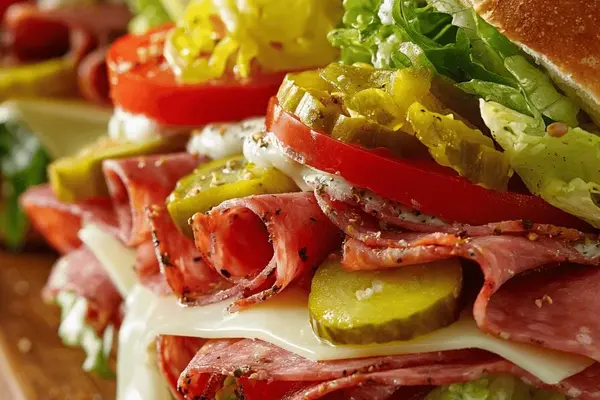
Italian Sub Sandwich with Genoa and Calabrese Salami
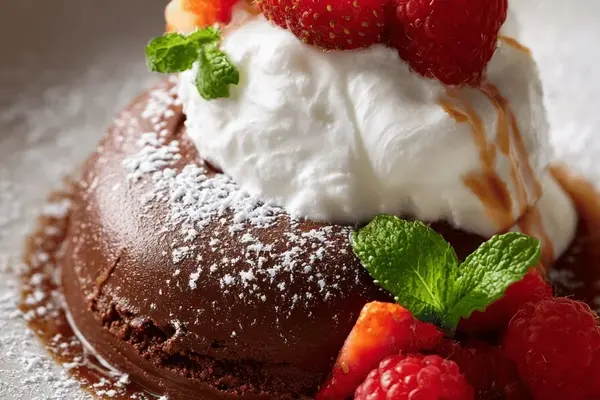
Milk Chocolate Mousse with Coconut Cream
Molasses Gingerbread Loaf with Cream Cheese

Cheese Croquettes with Ricotta and Walnuts

Crispy Baked Potato Skins with Bacon & Cheddar
Strawberry Pie with Cornstarch Glaze

Crab Smashed Potatoes with Garlic Butter

Easy Crock Pot Chili with Ground Beef
Pumpkin Muffins with Cake Mix & Pie Filling
Grilled Beef Flank Steak with Celery Seeds
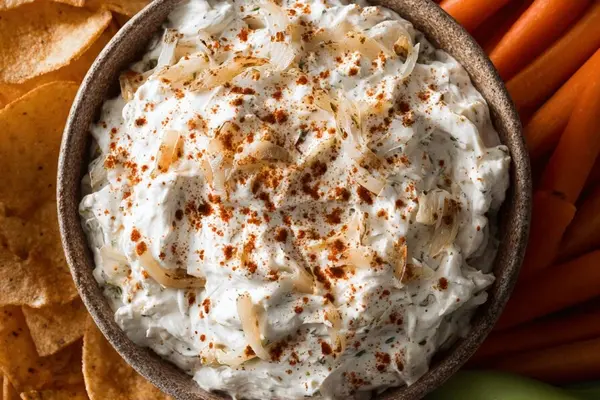
Caramelized Shallot Dip with Greek Yogurt

Coconut Cream Pie Bites with Almond Bark
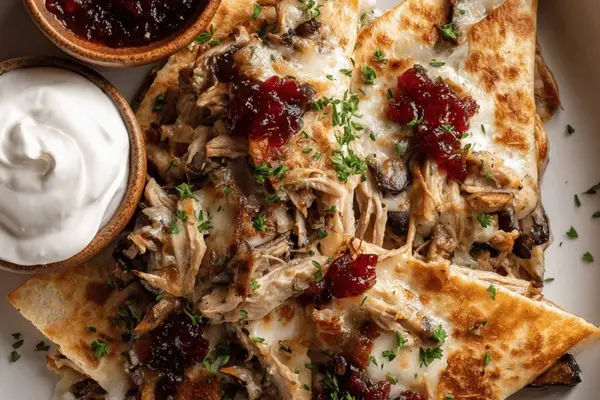
Meals With Leftover Turkey Quesadillas
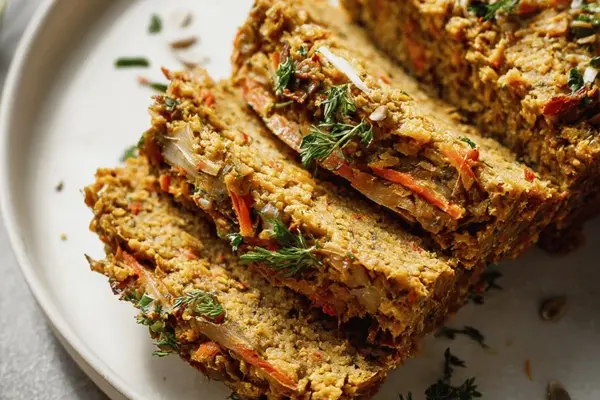
Gluten Free Hors D'Oeuvres with Sunflower Seeds
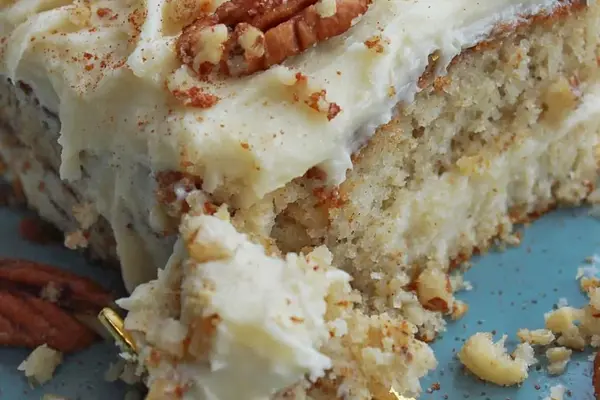
Moist Banana Cinnamon Cake with Cream Cheese