Red Sangria Recipe with Elderflower
By Emma
Certified Culinary Professional
·
Recipe tested & approved
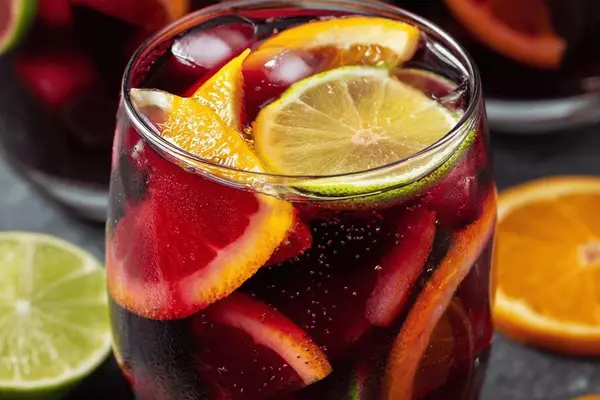
Red sangria recipe featuring dry red wine, fresh orange and lime slices, dark rum, and elderflower liqueur. Fizzy lemon-lime soda finish for easy entertaining.
Prep:
12 min
Cook:
0 min
Total:
125 min
Servings:
8 servings
Squeeze the orange and lime first—that’s where the whole thing starts. Two hours in the fridge and you’ve got something that tastes nothing like just wine with fruit thrown in. The elderflower liqueur does something specific. Not just sweetness. More like texture. The kind of drink that makes summer actual.
Why You’ll Love This Sangria Recipe
Makes enough to share. Like, a full pitcher. Eight glasses easy.
Tastes better the longer it sits—first sip versus hour two are completely different things. Flavors actually find each other.
Not complicated. Seriously. You slice fruit. You pour. You wait. That’s the skill level.
Works cold straight from the fridge, tastes even better tomorrow. The citrus gets softer. The wine gets rounder. Elderflower just sits there getting more essential somehow.
Elderflower doesn’t overpower like triple sec does—it’s there, you taste it, then it gets out of the way and lets the wine talk.
Perfect for when people show up and you need something ready already. No muddling. No shaking. No technique. Just works.
What You Need for This Sangria Recipe
One red wine. Doesn’t need to be fancy—dry is the only rule. Anything that’s not sweet. Cheap works fine.
Orange and lime. Scrub them first. The skin matters. You’re squeezing those oils into the pitch, not just adding juice.
Fresh orange juice. Not from concentrate. That’s the difference between this tasting like something and tasting like a cooler from a gas station.
Dark rum. Brown type. Light rum doesn’t belong anywhere near this. It disappears.
Elderflower liqueur—specifically St. Germain if you can find it, or any French elderflower liqueur. Orange liqueur works but tastes totally different. Sweeter. Not as interesting.
Lemon-lime soda. Cold. Don’t open it until the last second or it goes flat before you finish stirring.
Ice. So much ice. More than you think you need.
How to Make Sangria That Actually Tastes Good
Slice the orange thin. Paper-thin if you can—thick slices taste like you’re just eating fruit. Lime too. Both go into a big pitcher with the wine, orange juice, rum, and elderflower liqueur.
Get your hands in there. Squeeze the slices a little. Not hard. You want the oils, not the pulp breaking down into juice and turning bitter. Light squeeze. Once or twice. Done.
Cover it. Plastic wrap or a lid—doesn’t matter. Fridge for two hours minimum. Two hours and ten minutes if you’re precise about it. This is when everything stops being separate ingredients and turns into one thing. The orange peel changes color. It goes from that bright orange to something duller. That’s when it’s ready. Leave it longer and the color keeps fading. You learn it by looking, not by a timer.
How to Get Sangria Crisp and Fizzy
This part matters. The soda is what keeps it from being just fruit-wine soup.
When you’re actually ready to serve—right before people drink it—pour the whole cold bottle of lemon-lime soda into the pitcher. The fizz is still there. It’s alive.
Add ice. Loads of it. More than seems reasonable. The soda will dilute the wine down without the soda, so you need the ice to cold it fast before that happens.
Stir once. Gentle. One slow stir. You’re blending it, not destroying the bubbles. That one motion is the whole thing. Do it fast and you still have fizz. Do it too much and you’ve got flat punch.
Serve immediately. Seriously immediately. The bubbles are the whole point and they leave fast. Pour into glasses. Fruit slices go in the glass too. Drink right then.
Sangria Tips and Common Mistakes
Frozen fruit slices. Do this. Slice extra oranges and limes, freeze them solid, use those instead of regular ice. Your drink stays cold, stays strong, doesn’t get watered down by melting ice. Best trick nobody does.
White wine can go in here but change everything. Use white wine—go lighter. Reduce the elderflower by half or the whole thing tips sweet. Actually, just don’t. Stick with red.
Rum missing? Brandy works. Aged tequila works. Light rum doesn’t. It vanishes. Don’t bother.
Fresh mint right at the end if you want it. Or chopped apple for something that crunches. Don’t add it two hours early or it gets soggy and weird.
Don’t squeeze the fruit hard. That’s the biggest one. You’re not making juice. You’re releasing oils. Light hands. Always.
The color tells you everything. If the orange peel’s still bright, it needs more time. If it’s dull brown, you waited too long. You learn this the first time you make it.
Red Sangria Recipe with Elderflower
Prep:
12 min
Cook:
0 min
Total:
125 min
Servings:
8 servings
Ingredients
- 1 orange well scrubbed, halved, thinly sliced
- 1 lime washed, sliced paper-thin
- 720 ml red wine (about 3 cups), preferably dry
- 230 ml fresh orange juice (about 1 cup)
- 80 ml dark rum, brown type (slightly more than 1/3 cup)
- 50 ml elderflower liqueur (substitutes for orange liqueur)
- 720 ml chilled lemon-lime soda (3 cups)
- Ice cubes (plenty)
Method
- 1 1 Mix wine, orange juice, rum, elderflower liqueur with the citrus slices in a large pitcher. Hands in for squeezing fruit slightly to release oils; don't bruise too much or juice will turn bitter.
- 2 2 Cover tightly and rest in fridge about two hours and 10 minutes. Enough so flavors mingle but fruit stays vibrant and fresh to the eye. Coloration signals readiness—orange peel turning dull means leave less time next attempt.
- 3 3 Before serving, add lemon-lime soda and loads of ice. Stir gently just once to blend without killing the sparkle. Serve immediately or soda goes flat fast.
- 4 4 Optional tweak: add fresh mint sprigs last minute or chopped apple for crunch and complexity.
- 5 5 If rum missing, swap with brandy or aged tequila. White wine can replace red, but reduce elderflower by half or sweetness jumps.
- 6 6 To avoid diluted flavor, freeze some fruit slices beforehand. Ice can water down fast, so frozen fruit helps keep it cold but stronger.
Nutritional information
Calories
150
Protein
0g
Carbs
20g
Fat
0g
Frequently Asked Questions About Sangria Recipes
Can I make sangria with St. Germain ahead of time? Yes. Actually better if you do. Make it the night before. Stick it in the fridge. The St. Germain elderflower liqueur settles into the wine, the fruit keeps giving stuff up, and when you add the soda the next day it’s already richer. Just add the soda right before serving or it goes flat.
What’s the difference between this recipe for sangria drink and using orange liqueur instead of St. Germain? St. Germain is floral. Orange liqueur is just sweet. This one tastes more complex. Orange liqueur tastes like candy wine. Try St. Germain once. You’ll taste the difference.
How long can I keep the elderflower liqueur cocktail base without the soda? Three days, easy. The wine and fruit and rum and St. Germain just sit there fine. The soda kills it though. Add that too early and you’re drinking flat sweet nothing. Add it when you’re actually pouring glasses.
Does this work with dry white wine instead of red? Yeah. But cut the St. Germain in half. White wine’s already lighter and the elderflower liqueur gets loud in there. Red wine has enough tannin to balance it.
Why does the fruit matter this much in a sangria recipe? It’s not there for taste. Well, it is. But it’s there for oils. The orange skin has oil. The lime has oil. That’s where half the flavor comes from. The juice matters less than the slices themselves. That’s why you squeeze them gently—you want the oil, not just more liquid.
Can I use frozen fruit for this elderflower drink or does it need to be fresh? Fresh for the pitcher. Freeze extra slices and use those as ice cubes instead. That way your drink stays strong and cold without getting watered down. Fresh fruit in the pitcher, frozen fruit as ice. Two different jobs.
How strong should sangria taste with the St. Germain and rum? Strong enough that you taste the wine underneath. The rum’s there for warmth. The St. Germain’s there for the floral thing. But the wine should be what you taste first. If you’re getting mostly liqueur flavor, you added too much.
You’ll Love These Too
Explore all →
Apple Tart with Pecans and Dried Apricots
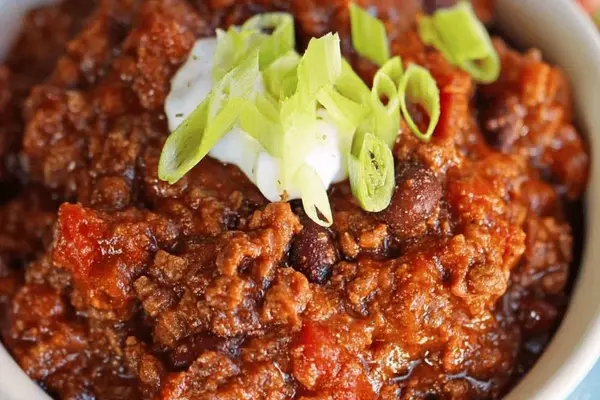
Slow Cooker Chili With Chorizo
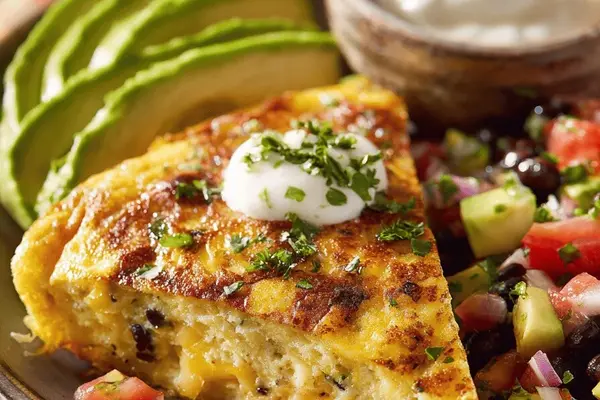
Mexican Soufflé Omelette with Avocado Salsa
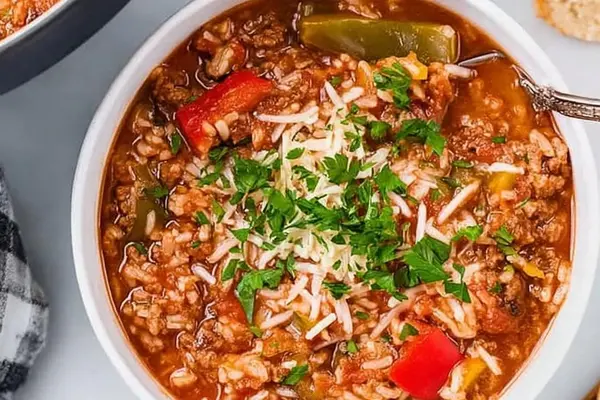
One Pot Hamburger Soup with Rice
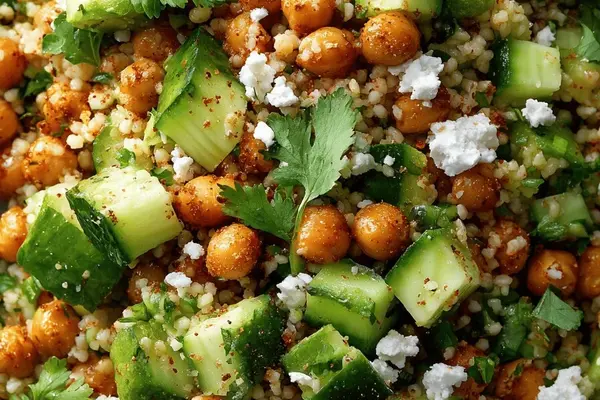
Chickpea Couscous Salad with Feta
Meatball for Spaghetti Recipe with Italian Sausage
Korean Chili Paste Gochujang Recipe
How to Cook Corn on the Cob
Shredded Pork BBQ with Garlic & Lime
Lemon Meringue Tart with Swiss Meringue
Rustic Chicken Pot Pie with Buttermilk Crust
Chunky Pimento Melt with Bacon & Cheddar
Crispy Air Fryer Frozen Fries Recipe
Cream Of Broccoli Soup with Roasted Garlic
Oven Baked Spiced Chicken Legs with Paprika
Cast Iron Patty Melts with Caramelized Onions
Turkey Cheddar Panini with Garlic Herb Butter
Salmon Rosettes on Creamy Fennel
Parmesan Cream Balls with Balsamic