Making Chocolate Chip Cookies Recipe
By Emma
Certified Culinary Professional
·
Recipe tested & approved
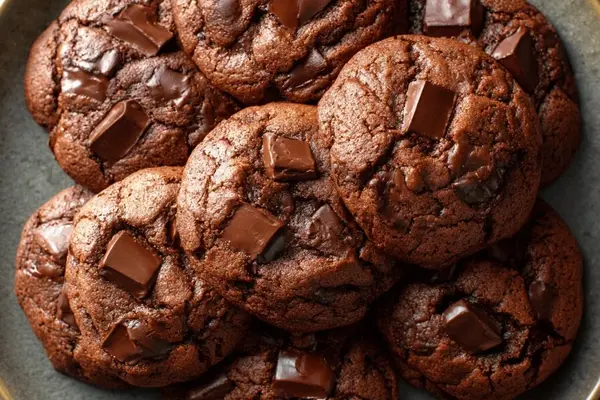
Make chocolate chip cookies with semi-sweet chunks, salted butter, and baking powder. Chilled dough bakes into soft centers with golden edges and crackly tops.
Prep:
25 min
Cook:
13 min
Total:
38 min
Servings:
2 dozen
Butter and sugar go in first—beat them until they stop looking separated but don’t let the whole thing get warm. That’s the thing nobody tells you. Not melted. Not creamy like store-bought frosting. Just… together. Cool enough that when you touch the bowl it doesn’t hurt.
Why You’ll Love These Chocolate Chip Cookies
Homemade cookies that don’t taste like a mix. Takes 25 minutes to prep, 13 in the oven—38 total, start to finish, and most of that is waiting anyway. The dough stays in the fridge so you bake fresh slices whenever you want them. One roll’s enough for today, freeze the other half and you’ve got cookies next Tuesday that taste like you made them that morning. Soft centers. Actually soft. Not cakey. Not some weird dense thing. Edges get crispy because the slices are thick enough that heat takes its time getting to the middle, and by then the edges have already done their thing. You can taste the butter. Actual butter. Sounds small but it matters.
What You Need for Chocolate Chip Cookies
Unbleached all-purpose flour—320 ml. Just flour. Nothing pre-mixed. Baking powder. A pinch. Not much—1.5 ml. This isn’t a cake. Semi-sweet chocolate chunks. 170 ml. Not chips. Chunks hold their shape better and they don’t melt into nothing. Salted butter. 125 ml. Cold. Not frozen. You want to be able to press your thumb into it but it should hold the impression. Granulated sugar. 200 ml. Vanilla extract. A splash. 2.5 ml. One large egg. Room temperature if you think about it. Cold works too.
How to Make Chocolate Chip Cookies
Sift the flour with the baking powder into a bowl. Grab the chocolate chunks and toss them into the dry mix—they get coated this way, stops them from sinking to the bottom. Set it all aside.
Large bowl. Butter and sugar go in. Beat them together for about 90 seconds to 2 minutes. You’re watching for the point where they stop looking like butter chunks in sugar and start looking like one thing, but the mixture should still be cool when you touch it. If it’s warm, you started with butter that was too soft, or you’ve been beating too long. Both bad. Texture falls apart later.
Crack the egg in. Add the vanilla. Whip it until the whole thing turns pale and homogenous—pale yellow, almost beige. Maybe another minute. Don’t go crazy. You’re not making mousse. Too much air and the cookies flatten out in the oven like pancakes.
Now the dry stuff goes into the wet stuff. Use a spatula or a wooden spoon. Fold it in slowly. This is the part where you don’t use a mixer and you don’t rush. Stop folding the second the flour streaks disappear. The dough should be dense and slightly tacky—it should hold a shape if you scoop it but it shouldn’t be stiff.
Split the dough in half. Lay out two long pieces of parchment, maybe 40 centimeters each. Shape each half into a cylinder—about 4 centimeters across. Use the parchment edges to help roll it. The tension from the paper matters. It keeps the shape even.
Twist the parchment ends tight like a candy wrapper. Actually press the dough down so it compacts. Into the fridge for at least an hour. If you have time, freeze it for 90 minutes. You want it very firm—not rock solid, but firm enough that when you slice it, the pieces stay clean instead of squishing.
How to Get Chocolate Chip Cookies Crispy at the Edges
Oven goes to 175°C. Middle rack. Let it preheat while you get your pan ready—parchment or silicone liner. Don’t grease it. Greased pans make cookies spread too much and they don’t crisp right.
Trim the ends off one roll if they’re uneven. Slice it into 2-centimeter thick rounds while it’s still cold. Thick slices. This is non-negotiable. The thick middle takes longer to bake so the edges get time to brown and crisp while the center stays soft.
Space them out on the pan. About 10 to 12 per batch, with actual gaps between them. They spread a little.
Bake for 11 to 14 minutes. You’re listening for a faint crack sound. Edges should be gently browning. Centers should feel set but still slightly soft when you touch them. Residual heat does the final bit of cooking once they come out.
Pull them out and let them sit on the pan for 5 minutes. Don’t move them yet. They’re still setting. Then transfer them to a rack. If you pull them too early they fall apart. Once they’re cool they firm up completely.
Do the second roll the same way. It takes the same time because it went through the same chill.
Chocolate Chip Cookies Tips and Common Mistakes
Butter temperature kills half the cookies people make. Not soft. Firm. Spreadable. If you leave it on the counter for an hour it’s too soft.
Don’t beat the egg and butter mixture until it looks fluffy. That’s not what you want. Pale and smooth. That’s it.
Chocolate chunks, not chips. Chips are smaller and they melt into nothing. Chunks stay visible. They stay textured.
The dough roll stays in the fridge or freezer. Keeps for two weeks frozen. Slice and bake whenever you want fresh cookies. You don’t make the whole batch at once.
If they’re too pale, the oven wasn’t hot enough or you pulled them early. Add a minute next time.
If they’re too dark, lower the temp 10 degrees next time. Every oven is different.
Store leftovers wrapped tight in the fridge. They keep for about five days before they go stale. Or freeze the baked cookies. They defrost in maybe 20 minutes at room temperature.
Making Chocolate Chip Cookies Recipe
Prep:
25 min
Cook:
13 min
Total:
38 min
Servings:
2 dozen
Ingredients
- 320 ml (1 1/3 cup) unbleached all-purpose flour
- 1.5 ml (1/3 tsp) baking powder
- 170 ml (3/4 cup) semi-sweet chocolate chunks
- 125 ml (1/2 cup) salted butter, slightly chilled, firm but spreadable
- 200 ml (7/8 cup) granulated sugar
- 2.5 ml (1/2 tsp) vanilla extract
- 1 large egg
Method
- 1 Sift flour with baking powder into a bowl. Toss in chunks to coat. Set aside.
- 2 In a large bowl, beat butter and sugar together until creamy but still cool to touch, about 1.5 to 2 minutes. Avoid melting the butter; overheated fat ruins texture.
- 3 Add egg and vanilla. Whip until homogenous, pale yellow body forms. Do not overbeat—avoid adding air that causes flatness later.
- 4 Fold dry mix into wet with a spatula or wooden spoon, slow and steady. Don’t overwork; stop when streaks vanish. Dough should feel dense, slightly tacky, and hold shape.
- 5 Cut dough in half. Lay each half on large pieces of parchment (approx 40 cm long). Shape each into a firm cylinder about 4 cm diameter. Use paper’s edges to roll evenly—tension matters for even slices.
- 6 Twist paper ends tightly like candy wrappers, press dough cylinders to firm them. Refrigerate at least 1 hour or freeze minimum 90 minutes until very firm but not frozen rock solid.
- 7 Preheat oven to 175 °C (350 °F); middle rack best. Prepare sheet pan with parchment or silicone liner. Avoid greasing—cookies spread best without excess fat on pan.
- 8 Trim one roll’s ends if uneven, slice cold dough into 2 cm thick rounds. Keep slices thick so centers stay soft while edges crisp up. Place 10–12 slices per pan with gaps.
- 9 Bake 11 to 14 minutes. Listen for faint crack sounds, edges gently browning, centers set but slightly soft to the touch. Residual heat finishes the cook once out of oven.
- 10 Cool on pan 5 minutes, then transfer to wire rack. Patience key here—breaking too soon ruins shape. Cookies firm up as they cool.
- 11 Repeat slicing and baking with second roll. Store leftovers wrapped tight in fridge or freeze slices for up to 2 weeks.
Nutritional information
Calories
140
Protein
2g
Carbs
18g
Fat
7g
Frequently Asked Questions About Chocolate Chip Cookies
Can I use regular chocolate chips instead of chunks? They melt faster and kind of disappear into the cookie. Chunks are better. But yeah, chips work. Just expect less texture.
How thick should I slice the dough? Two centimeters. That’s the whole point. Thick slices bake slowly enough in the middle that the edges get crispy before the centers cook all the way. Thinner and they’re cakey.
Why do my cookies spread too much? The butter was too warm when you started, or the pan was greased. Both cause spreading. Cold dough and ungreased pans.
Can I bake both rolls at the same time? Two different racks usually means they bake unevenly. One rack at a time is safer. Takes the same total time anyway because you can’t rush it.
What if I don’t have time to chill the dough for an hour? You do now. The dough won’t shape right if it’s warm and it won’t bake right either. Frozen works too. Takes 90 minutes. Worth the wait.
Do I have to use salted butter? Unsalted works. Add a small pinch of salt to the dry mix if you do. Salted butter just has the salt already in it.
How do I know when they’re actually done baking? Centers still feel soft when you touch them gently. That’s done. Overcooking makes them hard all the way through.
You’ll Love These Too
Explore all →
Mini Goat Cheese Quiche with Pine Nuts
Lemon Dessert Bars with Ricotta Filling
No Bake Cheesecake with Lemon & Strawberries
Slow Braised Pot Roast with Carrots & Potatoes
Marinated Pork Spinach Salad with Grilled Nectarines
Brown Butter Chocolate Chip Cookies

Creamy Garlic Chicken with Bacon & Peas
Mini Cheesecake Bites with Chocolate Ganache
Raspberry Cream Cheese Pie Recipe

White Sangria Recipe with Strawberry & Pineapple
Baked Maple-Chai Donuts with Whole Wheat

Compound Butter with Mushrooms and Walnuts

Creamy Chicken Stew with Potatoes & Dill
Strawberry Lemon Bars with Buttery Crust
Garlic Bread Recipe with Fresh Parsley

Asian Mignonette Sauce with Ginger

Herbed Chicken & Crispy Shallot Salad
Creamy Mushroom Sauce with Parmesan

Crispy Beer Battered Cod with Pale Ale