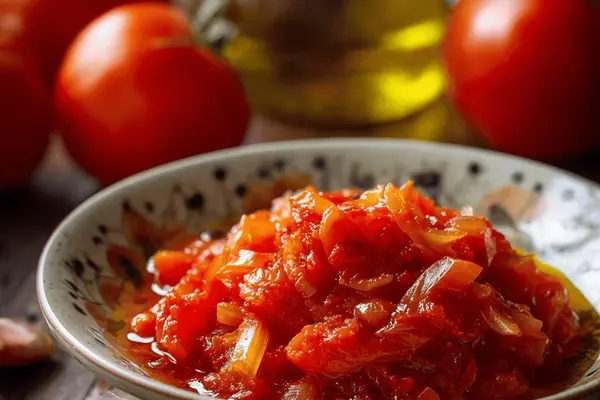
Spaghetti Sauce Bolognese with Fresh Tomatoes
By Emma
Certified Culinary Professional
·
Recipe tested & approved
Spaghetti sauce bolognese made with fresh plum tomatoes, garlic, and shallots simmered in olive oil. This homemade tomato sauce thickens to coat pasta perfectly.
Prep:
20 min
Cook:
50 min
Total:
1h 10min
Servings:
6 servings
Cut the tomatoes first. Twenty minutes of prep, fifty of actual cooking. Not complicated, just time. The sauce pomodoro comes together once you stop thinking about it and just work through the steps.
Why You’ll Love This Spaghetti Sauce
Takes 70 minutes total and tastes like you spent three hours. Literally tastes better the next day—I make it the night before. Vegan, homemade, no weird ingredients. Just tomatoes, garlic, oil. Works cold on bread, hot on pasta, as a pizza red sauce base. The consistency’s perfect for coating—thick but it moves. One pan. You’ll taste the actual tomatoes, not just salt and acid.
What You Need for Homemade Spaghetti Sauce
Two and a half kilograms of fresh plum tomatoes—that’s about 25. Doesn’t seem like a lot once they’re cooked down. Four garlic cloves. A medium shallot, chopped up. Eighty milliliters of extra virgin olive oil. That’s roughly a third of a cup if you don’t want to measure. Salt. Black pepper. Optional dried oregano—I skip it half the time. Nothing else. No tomato paste, no cream, no weird balancing acts.
How to Make Spaghetti Sauce Bolognese
Score each tomato with a small cross at the base—just a scratch, nothing deep. Boil a big pot of water. Drop the tomatoes in for 25 seconds. That’s it. Not longer. Watch them. The second the skins start separating, pull them out and dump straight into ice water. The cold stops everything immediately. Peel carefully starting at that scored spot—they come off easy once the skin loosens. Halve them. Squeeze out the seeds gently. Save the juice. All of it.
Roughly chop the peeled tomatoes. Throw them in a bowl with crushed garlic and the chopped shallot. Don’t puree this. Leave it chunky. That’s where the fresh texture comes from. Heat the olive oil in a heavy-bottomed pan over medium until it shimmers slightly—not smoking, just warm and moving. Add the garlic and shallot. Stir often. You want them to soften and smell good, but not brown. Brown means bitter. That happens fast.
Pour in the tomato mixture with all the juice. Stir to coat everything in oil. Turn the heat up to bring it to a gentle simmer—steady bubbles, not violent ones. Once it’s going, lower the heat back down and leave it mostly alone. Stir every few minutes so it doesn’t stick to the bottom. This takes 45 to 55 minutes. The sauce should reduce by about a third. You’re looking for it to coat the back of a spoon, hold there for a second, then slide back. That’s the tell. Season now with salt, pepper, and oregano if you’re using it. Taste constantly. If it’s too tart, add a pinch of sugar. A pinch. Not a teaspoon.
Drag a spoon across the surface at the end. If it holds its shape briefly before filling back in, that’s perfect. Too thick? A splash of reserved tomato juice fixes it instantly. Too thin? Just keep simmering. The longer it goes, the deeper it tastes.
Making Spaghetti Sauce Recipe Tips and Mistakes
Use plum tomatoes. Not beefsteak, not cherry. Plums have less water and more seed cavity to squeeze out. The texture matters. Fresh tomatoes. Not canned. I’ve tried both. Fresh tastes like actual tomatoes. Canned tastes like a can. Don’t skip the ice water shock. It’s not a step you skip. The skins come off differently without it, and you’ll spend ten minutes wrestling with them. The heat matters—medium for the garlic and shallot, gentle simmer after. Too hot and you’re making tomato jam instead of sauce. Too low and you’re just warming it for an hour. The oil goes in early so it carries flavor as things cook down. Not at the end. Don’t do that. Taste before you season. The tomatoes already have salt in them—you might need less than you think. Actually, you probably will need less. And don’t go heavy on oregano. A teaspoon for this much sauce is already almost too much.
Spaghetti Sauce Bolognese with Fresh Tomatoes
Prep:
20 min
Cook:
50 min
Total:
1h 10min
Servings:
6 servings
Ingredients
- 2 1/2 kilograms fresh plum tomatoes (approx 25 tomatoes)
- 4 garlic cloves peeled
- 1 medium shallot peeled and chopped
- 80 ml extra virgin olive oil
- 1 teaspoon salt
- 1/2 teaspoon black pepper
- 1 teaspoon dried oregano (optional)
Method
- 1 Score firm tomatoes with a small cross at the base. Boil a large pot of water. Immerse tomatoes for 25 seconds; watch closely so they don’t cook through.
- 2 Immediately transfer to a big bowl of ice water to halt cooking. This shocks skins to loosen; peel carefully starting at the scored cross. Then halve and squeeze out seeds gently. Retain juice—don’t discard, add it back later.
- 3 Roughly chop peeled tomatoes. In a bowl, combine with crushed garlic and shallot pieces. Don’t puree too much; leave chunky bits to retain fresh texture.
- 4 Heat olive oil in a heavy-bottomed pan over medium heat until slightly shimmering but not smoking. Toss in garlic and shallot to soften, stirring often. Aromas should bloom but do not brown them or bitterness creeps in.
- 5 Add tomato mixture, including juices. Stir to coat in oil, raise heat to bring to a soft simmer. Bubbles should form steadily, not furiously.
- 6 Lower heat to keep gentle simmer. Cook uncovered, stirring now and then so sauce thickens evenly without catching on bottom. Expect 45 to 55 minutes. You want sauce reduced by about a third or until reaching spoon-coating consistency—thick but still a bit loose.
- 7 Season with salt, pepper and oregano if using. Taste often. Too tart? A pinch of sugar helps balance acidity but add little by little.
- 8 Final step: test by dragging spoon across surface; sauce should hold shape briefly before filling back in.
- 9 If sauce becomes too thick, a splash of reserved tomato juice or water adjusts consistency instantly. If thin, simmer a little longer; patience rewards with deeper flavor.
- 10 Serve hot on pasta, toasted bread, or as base for other dishes.
Nutritional information
Calories
110
Protein
2g
Carbs
9g
Fat
7g
Frequently Asked Questions About Spaghetti Sauce Pomodoro
Can I make this with canned tomatoes instead? Technically yes. Won’t be the same. Canned tomatoes are already broken down and cooked. This recipe relies on fresh tomatoes reducing and concentrating. You could try it with two cans of San Marzano, drain them, then skip the blanching step. But I wouldn’t.
How long does this keep in the fridge? Five days easy. Seven if it’s sealed tight. Tastes better on day two. Something about the flavors settling overnight.
Can I freeze this? Yes. Just use it within three months. I freeze it in portions, actually. One batch makes four dinners worth if you’re not drowning the pasta in it.
What if my sauce is too thin after cooking? Keep the heat on and let it go longer. Simmer another ten minutes. Or crank it to medium and watch closely—it’ll reduce faster. Patience is the real ingredient here.
Do I have to use extra virgin olive oil? Regular olive oil works. It won’t taste quite as bright. The point of this sauce is simplicity, so the oil flavor matters. Not worth saving five dollars if you’re spending an hour cooking it.
Can I add meat to make bolognese? This isn’t bolognese, technically. This is marinara recipe base. You could brown ground beef or pork first, then add the garlic and shallot to that, then proceed—but that’s a different dish. This one’s vegan and intentional about it.
Should I stir it constantly? No. Every few minutes is fine. Constant stirring means you’re cooling it down and stopping evaporation. Just enough to keep the bottom from catching. That’s all.
What’s the spoon test exactly? Run a wooden spoon across the sauce. A proper pizza tomato sauce or red sauce will hold that line briefly, filling in slowly. If it fills in immediately, it’s still too thin. If it doesn’t fill in at all, it’s too thick and probably overcooked.
You’ll Love These Too
Explore all →
Rabbit with Pancetta and Mushrooms
Grilled Pork Dumplings with Satay Sauce
Hard Boil Quail Eggs with Tarragon Mayo

Iced Coffee Dessert with Vanilla Ice Cream
Zucchini Lime Muffins with Oat Flour
How Do You Make An Omelet with Shrimp
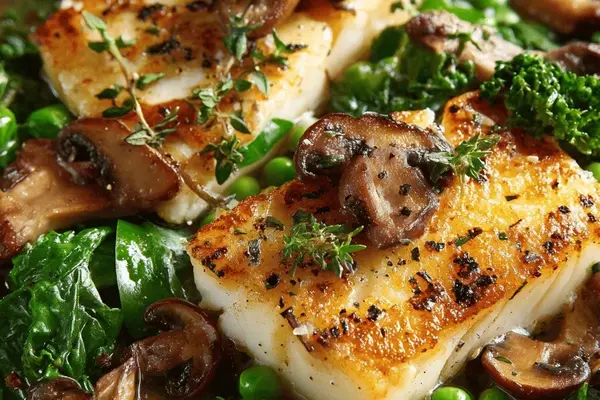
Seared Halibut with Mushrooms and Greens
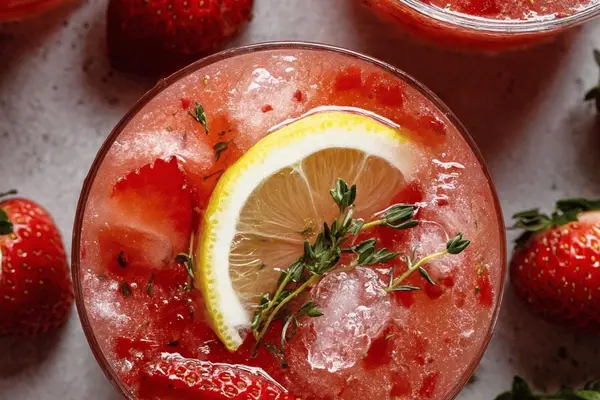
French 75 Cocktail with Gin & Lemon
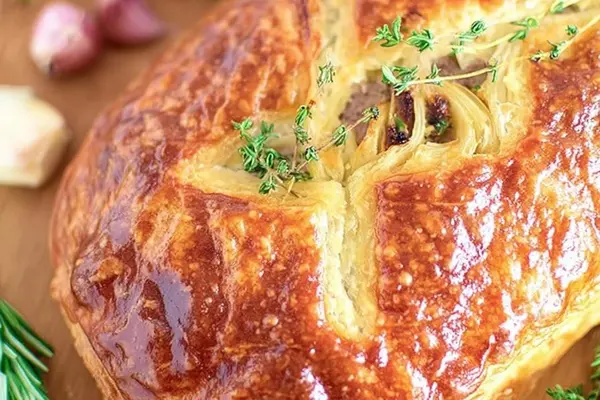
Easy Beef Wellington with Mushroom Duxelles
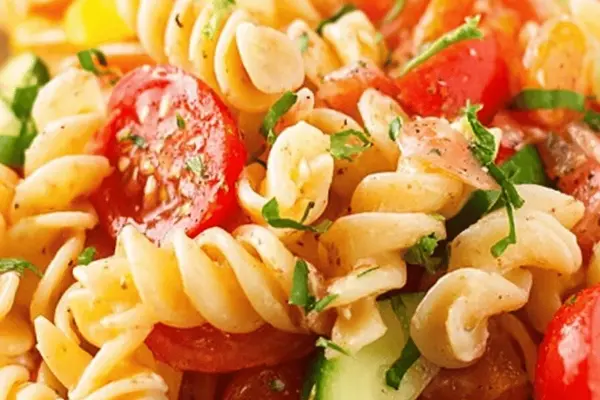
Cold Rotini Salad with Mozzarella & Pepperoni
Coconut Snowballs with Almond Bark
Sloppy Joe Garlic Bread with Melted Colby Jack
Grilled Vegetable Salad with Chimichurri
Egg Turkish with Delicata Squash & Goat Cheese

Pecan Pretzel Rolo - Homemade Caramel Chocolate
Asparagus Pea Puff Tart with Herb Spread
Bacon Wrapped Corn On The Cob Recipe
Buffalo Chicken Mac and Cheese Recipe
Salted Caramel Pound Cake Recipe