Vegan Pie Crust with Vegan Butter
By Emma
Certified Culinary Professional
·
Recipe tested & approved
Flour and salt in a bowl. Vegan butter cut into tiny pieces. Add the liquid slowly until it holds together — that’s basically it. Sounds simple because it is, but there’s a trick to keeping it flaky, and it’s the same trick bakers have used for decades. Just happens to work without dairy.
Why You’ll Love This Vegan Pie Crust
Takes 15 minutes of actual work. The rest is chilling in the fridge, so you’re not standing there doing anything.
Flakes like a real pie crust. Not dense. Not greasy. The vegan butter subs in directly — no weird texture, no compromise.
Works for everything. Pies, tarts, galettes. Single crust, double crust. The dough doesn’t care what you’re filling it with.
Cold vegan butter is the thing that makes this work, and you probably already have it. Coconut water too, maybe. If not, plant-based yogurt does the same job.
Lasts in the fridge for days. Freezes for months. Roll it out whenever you need it.
What You Need for a Vegan Pie Shell
Unbleached all-purpose flour. Two and a third cups. Nothing special required — whatever’s in your pantry works.
Salt. A third of a teaspoon. Tiny amount. Just enough to make the butter taste like something.
Cold vegan butter substitute. Three quarters of a cup. It has to be cold. Room temperature means it blends in instead of creating those little pockets that turn into flakes. Take it out of the fridge right before you use it.
Coconut water or unsweetened plant-based yogurt. Six tablespoons. Chilled. The coconut water’s slightly more neutral. The yogurt adds a tiny tang and might make the crust slightly more tender. Either works. Try both, see what your hands prefer.
How to Make a Vegan Pie Dough
Food processor is faster. Pulse the flour and salt together first — just a few pulses so they’re mixed. Add the cold vegan butter in pieces and pulse in short bursts. You’re aiming for pea-sized chunks. The color should look like coarse sand with some little lumps still visible. If it’s too fine, stop. Too fine means it’ll be tough.
Pour the coconut water or plant yogurt in gradually while pulsing. Don’t dump it all at once. Add it a couple tablespoons at a time, pulse between each addition. The dough should start clumping together but not be sticky. It’s done when you squeeze a handful and it holds without crumbling apart. If it’s still dry, add more liquid one teaspoon at a time.
Dump it onto the counter. Form it into two flat discs — not balls, discs. Wrap each one in plastic wrap. Into the fridge for at least 20 minutes. More is fine. You’re letting the flour fully hydrate and the butter get cold again after all that pulsing.
How to Get a Vegan Pie Crust Flaky
By hand takes longer but works just as well. Mix flour and salt in a bowl. Use a pastry cutter or two knives to cut in the cold vegan butter. The goal’s the same — pea-sized lumps. A pastry cutter’s faster if you have one. If you don’t, two knives work fine, just takes longer.
Add the coconut water or plant yogurt slowly, folding with a spatula instead of mixing. Folding keeps you from overworking it. The dough should barely hold when you press it gently. Sticky is a mistake. Too dry and it won’t hold. It’s somewhere in between.
Form two discs, wrap, chill the same way. 20 minutes minimum before you touch it again.
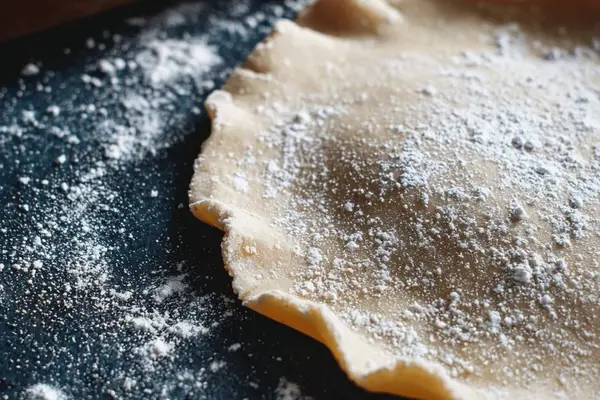
Rolling happens on a lightly floured surface or on parchment paper. Roll it thin — about an eighth of an inch. Thin enough that you can almost see through it if you hold it up to the light, but not quite. Three to four millimeters. Use immediately. If it’s been sitting, it gets soft. Put it in the fridge for 10 minutes to firm up again.
Works for single crust pies, double crust pies, tarts, whatever. Eight and a half to nine and a half inches in diameter fits perfectly.
Vegan Pie Crust Tips and Troubleshooting
Cold everything. The vegan butter, the plant milk, your hands if you can manage it. Warmth is the enemy of flake. Cold keeps those little butter pockets intact instead of melting them into the flour.
Don’t overwork the dough. Gluten development is fine — you want some structure — but too much and it gets tough. A few minutes of handling is good. Ten minutes of kneading is bad.
Scraps don’t go to waste. Gently knead them back together and re-roll. But don’t do it twice. Once is fine. Twice and you’ve worked it too much.
The dough should feel slightly cool to the touch when you start rolling. If it’s warmed up, back in the fridge for 10 minutes. Takes seconds but it matters.
Parchment paper’s not required but it helps. The dough won’t stick and you can transfer it straight to the pan. Flouring the counter works too. Just need something between the dough and the surface.
Pre-bake if your recipe needs it — 10 minutes at 375 degrees usually does it. The edges might brown a bit. That’s fine. If they’re browning too fast, lay a piece of foil loosely over them.
Vegan Pie Crust with Vegan Butter
Prep:
15 min
Cook:
10 min
Total:
25 min
Servings:
2 crusts
Ingredients
- 320 g (2 1/3 cups) unbleached all-purpose flour
- 1.5 ml (1/3 teaspoon) salt
- 160 g (3/4 cup) cold vegan butter substitute, diced
- 90 ml (6 tablespoons) chilled coconut water or unsweetened plant-based yogurt
Method
- Food Processor
- 1 1 In processor, pulse together flour and salt. Add vegan butter, pulse short bursts until pea-sized chunks visible.
- 2 2 Gradually add coconut water or plant yogurt, pulse till dough starts clumping but not sticky. Add more liquid teaspoon by teaspoon if needed.
- 3 3 Remove dough, form 2 discs, wrap in plastic wrap.
- 4 4 Chill 20 to 25 minutes minimum before rolling out.
- By Hand
- 5 1 Stir flour and salt in large bowl. Using pastry cutter or two knives, cut in vegan butter until mix is crumbly with small lumps the size of peas.
- 6 2 Add chilled coconut water or plant yogurt bit by bit, fold to combine with spatula. Dough should just hold when pressed gently. Add more liquid sparingly.
- 7 3 Form 2 discs, wrap tightly in plastic.
- 8 4 Refrigerate at least 20 minutes to rest fats and hydrate flour.
- Rolling and Use
- 9 5 On lightly floured surface or parchment sheets, roll dough discs to 3-4 mm (about 1/8 inch) thickness.
- 10 6 Use immediately for single or double crust pies, tartelettes, quiches about 22 to 24 cm (8.5 to 9.5 inch) diameter.
- 11 7 Any scraps can be gently kneaded and re-rolled but avoid overworking.
Nutritional information
Calories
310
Protein
3g
Carbs
38g
Fat
17g
Frequently Asked Questions About Vegan Pie Crust
Can I make a vegan pie dough recipe without a food processor? Yeah. Takes maybe five extra minutes. Use a pastry cutter or two knives to cut in the vegan butter. The motion’s the same — cutting instead of pulsing. Cold hands help. Really cold. Run them under cold water first if it’s hot outside.
What’s the difference between coconut water and plant-based yogurt in a vegan pie shell? Coconut water’s more neutral. Yogurt adds a tiny amount of tang and might make it slightly more tender. Both work. Coconut water’s safer if you’ve never made it before.
How long can I keep vegan pie dough in the fridge? Three days max. After that it starts picking up other flavors from whatever’s in there. Freezes for months though. Wrap it really well in plastic, then stick it in a bag. Thaw in the fridge overnight before rolling.
Do I have to use vegan butter substitute? It’s the thing that makes this work. Coconut oil’s too soft. Olive oil has no structure. Shortening would work but tastes kind of chemical. Vegan butter’s the move.
Why does my vegan pie crust tear when I’m rolling it? It got warm or you worked it too much. Both fixable. Chill it for 10 minutes and be lighter with the rolling pin. Don’t press down hard. Let the weight of the pin do the work. A few tears are fine — use a scrap of dough to patch it. Wet the edges slightly and press the patch on.
Can I make this gluten free? Not with these instructions exactly. You’d need gluten free flour blend and they behave different. More binding agent usually. More liquid usually. Not worth experimenting with unless you already know how to work with gluten free dough.
You’ll Love These Too
Explore all →
Avocado Corn Salad with Lime Dressing
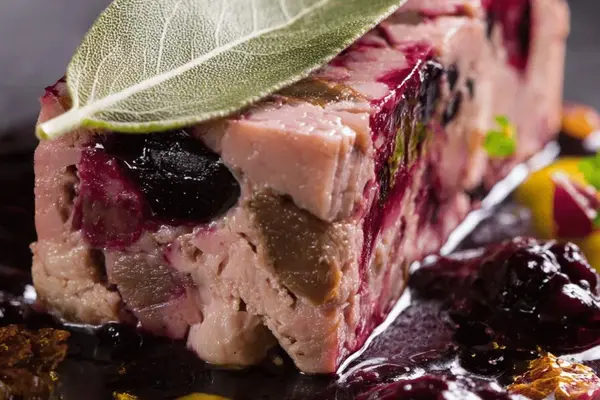
Pork Terrine with Blackcurrant Liqueur
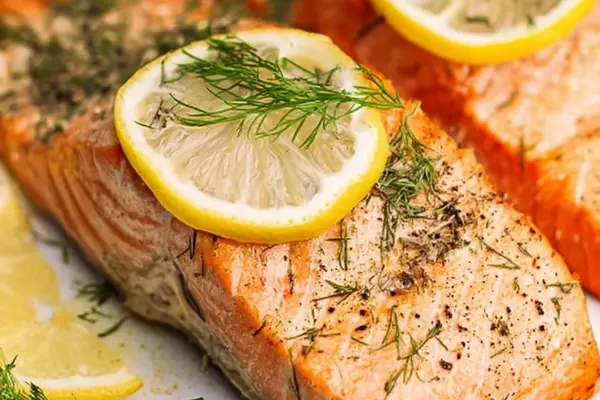
Lemon Dill Salmon - Easy Oven Baked
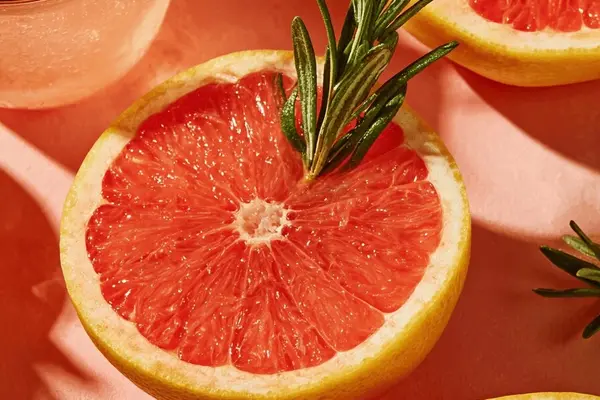
Grapefruit Rosemary Syrup Recipe
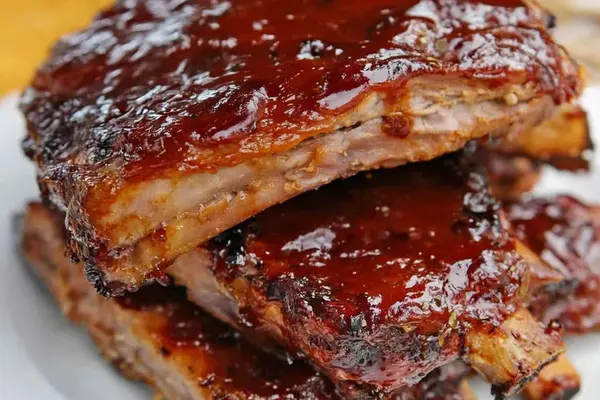
Oven-Steamed BBQ Ribs with Paprika Dry Rub
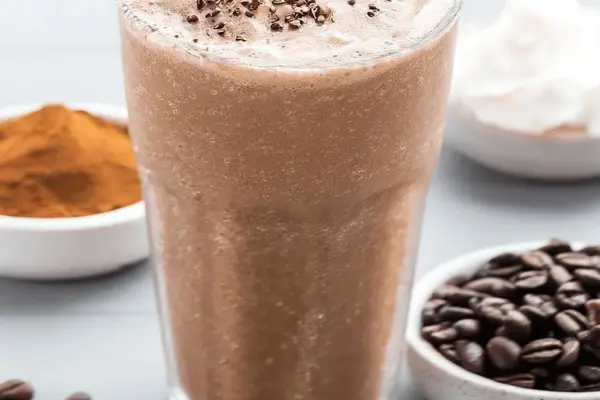
Banana Coffee Shake with Raw Cacao
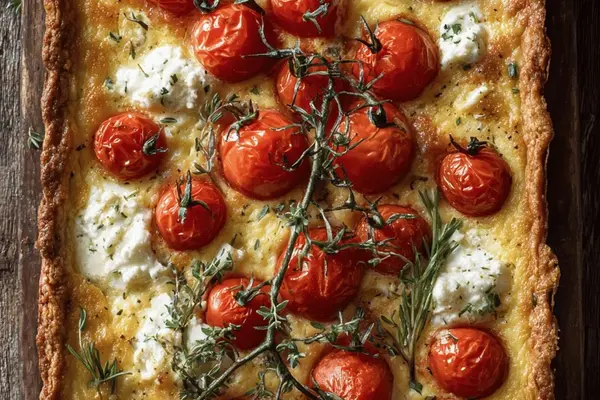
Savory Cherry Tomato Tart with Goat Cheese
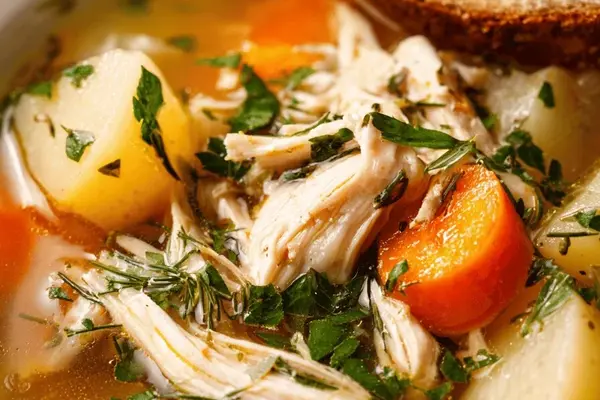
Chicken Pot Pie with Carrots & Leek
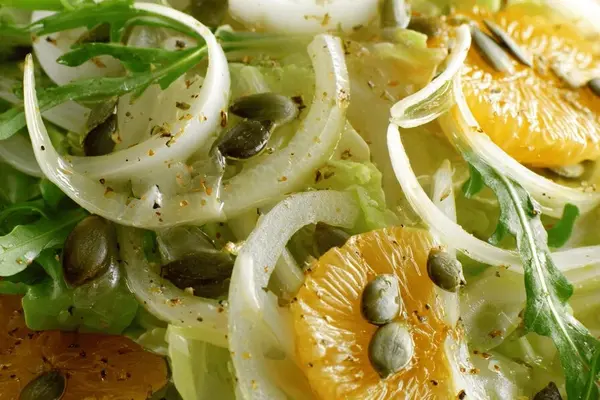
Citrus Fennel Salad with Lemon & Pumpkin Seeds
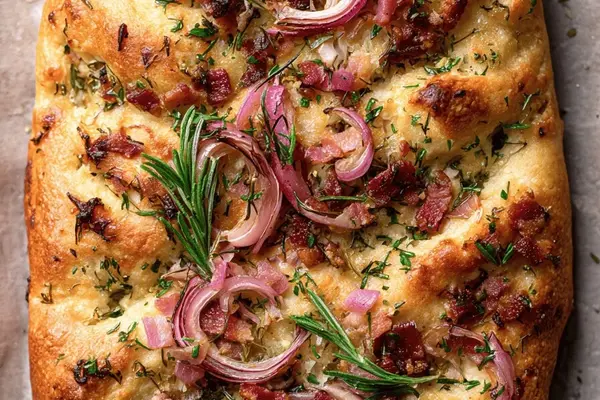
Savory Herb Fougasse with Pancetta
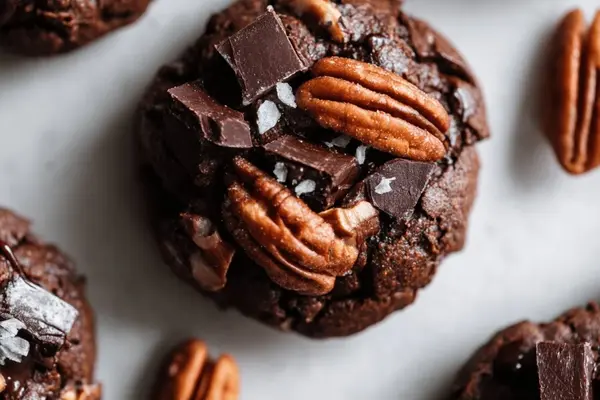
Brownie Cookies with Avocado & Toasted Pecans
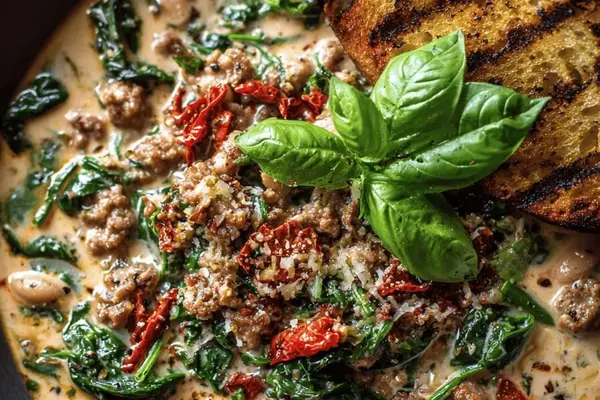
One Pot Creamy Beans with Sausage
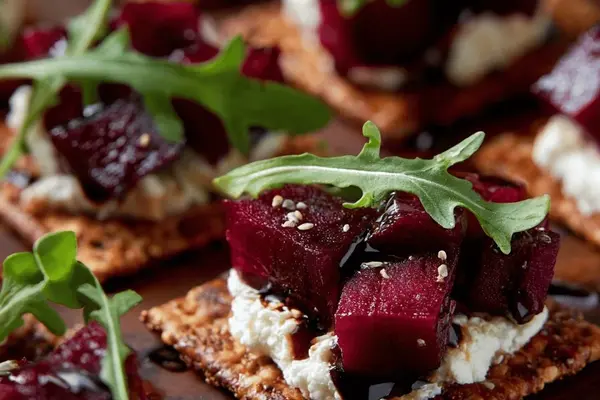
Goat Cheese Appetizers with Beets and Arugula
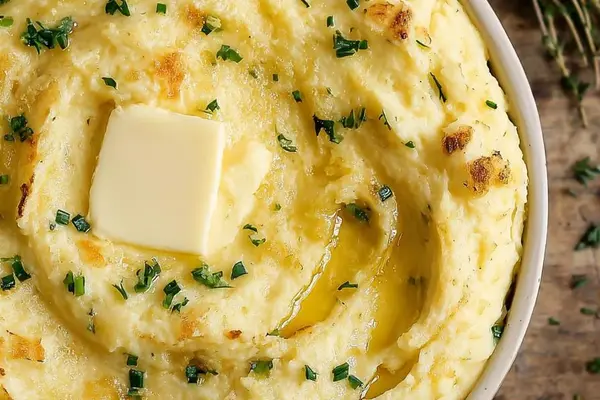
Cheesy Mashed Potatoes with Smoked Gouda
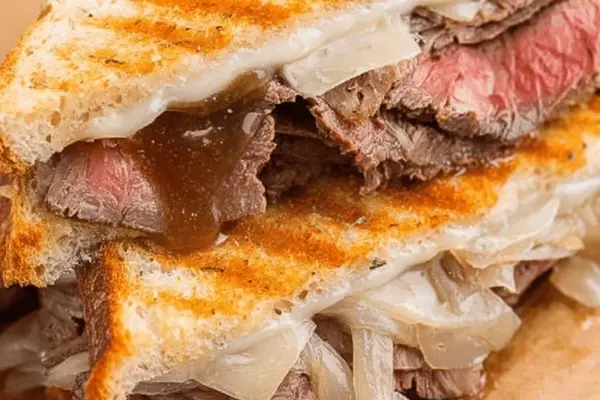
Beef Panini with Au Jus Dipping Sauce

Grilled Cheese with Turkey, Bacon & Gruyere
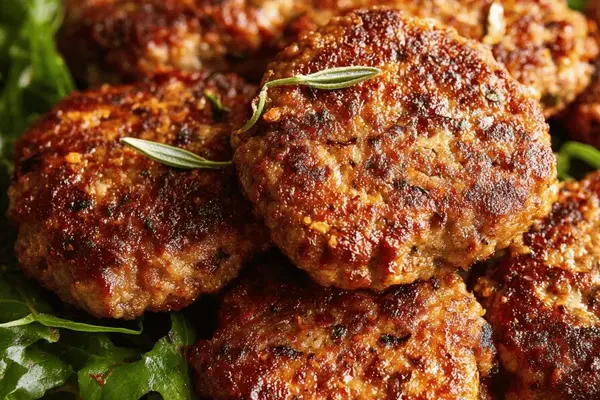
Italian Sausage Patties with Fennel Seeds

Grapefruit Spritz with Aperol & Prosecco
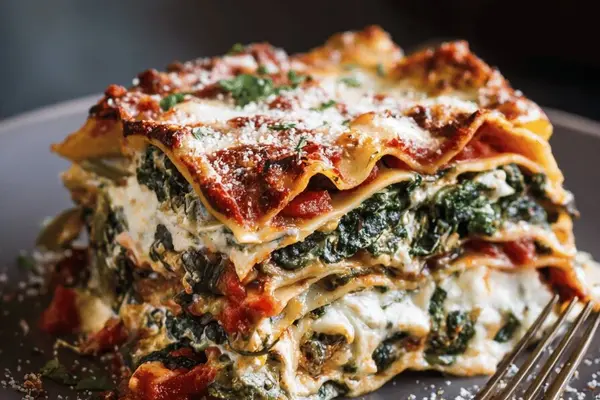
Warm Artichoke Spinach Dip with Ricotta