Duck Gizzards with Thyme-Citrus Twist
By Emma
Certified Culinary Professional
·
Recipe tested & approved
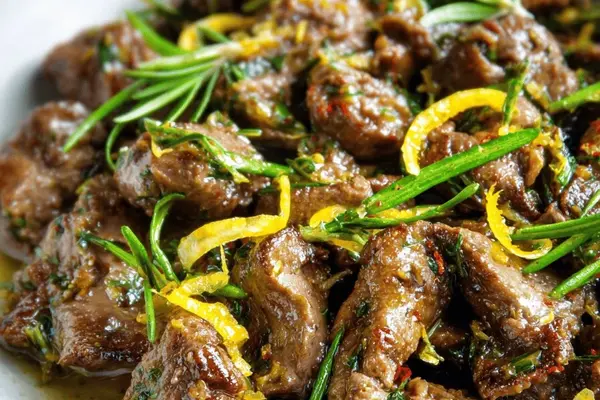
Cooked gizzards. Duck fat. Lemon. That’s your starting point. Had a container of duck confit in the fridge, cooked the gizzards down until they were golden and chewy, tossed them with citrus and smoked paprika just to see what happened. Ended up better than expected. The acid cuts through the richness. The thyme makes it feel intentional.
Why You’ll Love This
Takes 37 minutes total. 12 minutes prep, 25 cooking. No fuss.
Works as a proper appetizer — the kind that makes people ask what they just ate instead of assuming it’s chicken.
Citrus brightness against duck fat density. They fight and balance at the same time.
Spice from the paprika doesn’t overwhelm. Just adds depth.
Duck Gizzards Prepared with Rendered Fat and Citrus
Cooked duck gizzards. Buy them pre-cooked. Don’t mess with raw ones unless you have time to braise them for hours. About 160 grams — roughly a third pound, though weight varies.
Rendered duck fat. 25 milliliters. That’s your cooking medium. No olive oil. No butter. Duck fat has a higher smoke point and tastes like the actual thing you’re cooking.
Lemon. One whole lemon. You need the zest — freshly grated, not that jar stuff. And juice. Fresh squeezed. About 20 milliliters. Bottled tastes flat here.
Fresh tarragon. 20 milliliters chopped. Not dried. Dried tarragon tastes like hay. Fresh tastes like anise and spring. Split the amount in half — you use some during cooking, some after.
Smoked paprika. Just 5 milliliters. The smoke matters. Regular paprika is sweet and flat. This one has character.
Salt and black pepper. Kosher salt. Fresh ground pepper. Grind it yourself or taste the difference. You will.
The Technique — Sizzle, Flip, Brighten
Heat the duck fat in a small heavy pan. Medium heat. You want shimmering, not smoking. Takes a few minutes. Once it’s there, the smell changes — nutty, ready.
Spread the gizzards evenly in the pan, skin side down. Let them sit. Don’t touch them. This is where the crust happens. Listen for the soft sizzle. About 10 minutes. You’re waiting for the edges to darken and smell nutty, like toasted nuts. That’s your cue.
Flip them. Cook another 5 minutes on the other side. The gizzards should feel firm but still springy when you press one with your finger. Too soft means overcooked and they toughen up as they cool. Not fun.
Sprinkle the lemon zest over them. Add the smoked paprika. Stir in half the fresh tarragon. Let it cook for a breath — the herbs wilt slightly and the spice blooms in the heat.
Pour in the lemon juice. You’ll hear a hiss. That’s the acid hitting the hot fat. It happens fast. The liquid evaporates slightly, maybe 2 more minutes, and the flavors tighten together.
Remove from heat. Season hard with salt. Crack black pepper all over. The gizzards are already cooked through but the seasoning matters at the end because you taste it first.
Let them rest off heat for a few minutes. The flavors marry better when they’re warm, not piping hot. Finish with the remaining tarragon.
Mistakes and How Not to Make Them
Overcooking. The biggest one. Gizzards are muscle. They tighten when they overheat. You want them springy, not rubber. That 5-minute second side is enough. Don’t push it.
Stirring too much on the first side. You’re building a crust. Movement stops that. Leave them alone.
Using old duck fat. Rendered fat has a shelf life. Rancid fat tastes wrong and no amount of lemon fixes it. Keep it in the fridge. If it smells off, start over.
Dried tarragon instead of fresh. It’s not a substitute. It’s a different herb wearing the same name. Don’t.
Not enough salt at the end. Duck is rich. Salt cuts it. Taste as you go. You’ll know.
Serving it hot from the pan. Let it cool just slightly. Flavors open up. The duck fat doesn’t numb your palate as much.
Duck Gizzards with Thyme-Citrus Twist
Prep:
12 min
Cook:
25 min
Total:
37 min
Servings:
4 servings
Ingredients
- 160 g cooked duck gizzards (about 1/3 lb)
- 25 ml rendered duck fat (roughly 1 1/2 tbsp)
- zest of 1 lemon
- 20 ml freshly squeezed lemon juice (just over 1 tbsp)
- 20 ml fresh tarragon finely chopped
- 5 ml smoked paprika
- salt and freshly ground black pepper
Method
- 1 Heat the duck fat gently in a small heavy pan until shimmering but not smoking.
- 2 Add gizzards, spread evenly. Let sizzle softly, skin side down, until edges crisp and smell nutty, around 10 minutes. Resist stirring — watching edges darken is key.
- 3 Flip, cook another 5 minutes. The gizzards should feel firm but still springy under finger pressure — avoid overcooking or they toughen.
- 4 Sprinkle lemon zest, smoked paprika, half the tarragon. Stir briefly. Toss in lemon juice; you’ll hear a faint hiss, acid hitting fat; it brightens flavor instantly.
- 5 Remove from heat once liquid evaporates slightly — 2 more minutes. Season liberally with salt and crack fresh black pepper.
- 6 Let rest few minutes off heat — flavors marry better warm, not piping hot.
- 7 Serve spooned onto small plates as appetizer or alongside rustic salad for light main.
Nutritional information
Calories
330
Protein
20g
Carbs
1g
Fat
28g
Frequently Asked Questions
Can I use store-bought duck confit instead of pre-cooked gizzards? Duck confit works. Pull the gizzards out of the fat, shred them or leave them whole, then follow the same steps. Actually — the confit fat might be stronger. Use less of it. Start with a tablespoon.
What if I can’t find fresh tarragon? Chervil works. Dill works too but tastes different. Thyme is safe but less interesting. Don’t use dried tarragon. Not worth it.
How do I know when the gizzards are done? Press one. Should feel firm like a cooked steak, springy when you let go. Not mushy. Not hard. That springiness is everything.
Can I prep this as a duck appetizer ahead of time? Cook the gizzards, let them cool, store them covered in the fridge. Citrus and tarragon should go in right before serving or they get dull. The fat keeps everything fresh for two days.
What pairs with this as a duck horderves spread? Crostini. Plain crusty bread. Crackers. Small greens tossed with nothing. Anything neutral. The gizzards and citrus are loud enough. Don’t compete with them.
Is there a way to make this less rich? Not really. Duck fat is the point. You could use half the amount but then you’re not cooking, you’re warming. Just eat a smaller portion. One appetizer plate, not two.
You’ll Love These Too
Explore all →
Salmon Koulibiac Twist with Hazelnuts
Easy Apple Walnut Dump Cake Recipe
Roasted Roast Beef with Thyme & Horseradish
Crunchy Veggie Salad with Ginger Lime

Bleeding Blonde Beer Cocktail Recipe
Chicken Casserole with Sweet Potatoes
Chocolate Brownies with Espresso and Mini Chips

Peach Cupcakes with Cream Cheese Frosting
Creamy Mashed Potatoes with Kefir
Easy Mexican Rice with Cumin and Canned Tomatoes
Fresh Fruit Salad with Lime Agave Dressing
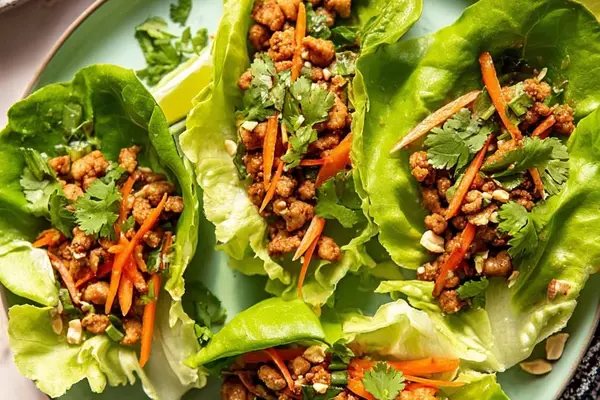
Copycat PF Changs Lettuce Wraps Recipe
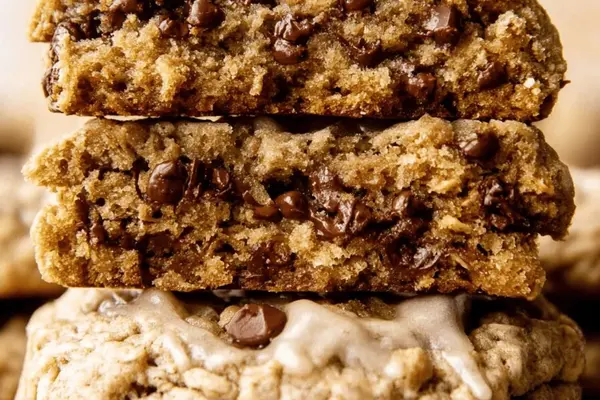
Oatmeal Chocolate Chip Cookies Recipe
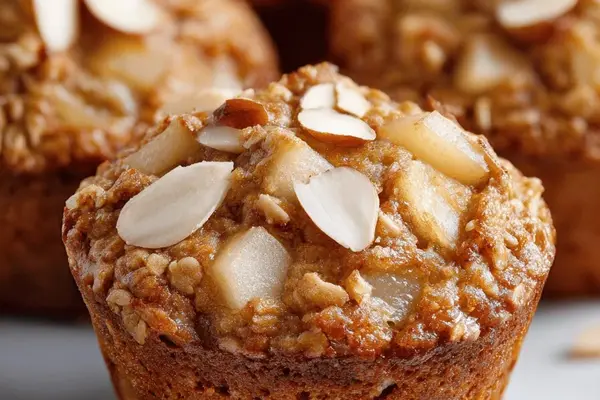
Pear Almond Muffins with Cinnamon

Egg Muffins with Zucchini and Cheese
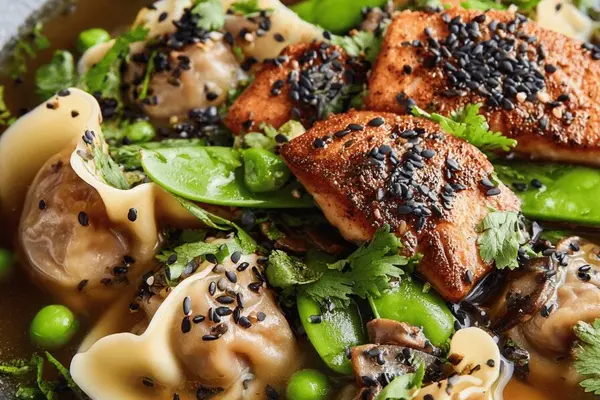
Sesame Salmon Wonton Soup Recipe
Gruyère Gougères | Crispy Choux Pastry
Breakfast Burrito with Eggs, Mushrooms & Spinach

Creamy Chicken Pasta with Bacon and Jalapeños