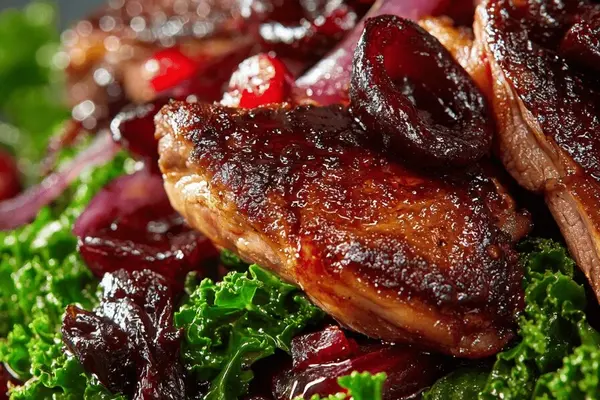
Duck Breast Red Wine Cocoa with Kale
By Emma
Certified Culinary Professional
·
Recipe tested & approved
Duck breast with red wine and dark chocolate isn’t what you’d call intuitive. Had leftover cocoa powder, a bottle of wine going nowhere, and two perfectly scored duck breasts sitting in the fridge. This happened instead.
The sauce builds itself — beetroot and red wine reduce down, chocolate melts in at the end, and suddenly you’ve got something that tastes like a French restaurant decided to go a little rogue. The kale gets wilted in duck fat. The onions and cranberries hit you with sharp and sweet at the same time. It’s a main dish that actually feels like you did something.
Why You’ll Love This
Takes 1 hour 15 minutes total. Sounds like more than it is. The duck cooks while the sauce does its thing.
Tastes expensive. Tastes like you went to culinary school. Nobody needs to know you figured this out at 7 PM on a Tuesday.
Duck breast pan seared is the real show here — the fat gets crispy, the meat stays pink inside, and it’s actually hard to mess up once you know the trick.
Works as a main dish that feels special enough for company but you can make it alone any night.
Red Wine Cocoa Sauce with Beetroot
Beetroot. One large one, peeled and sliced thin. It’ll break down into the wine and add sweetness you can’t quite name. Red onion — half a small one, chopped. Garlic. One clove minced. Olive oil. Tablespoon of it. Red wine. 1.5 cups. Dry. Nothing sweet. Beef broth. 1.5 cups. Tomato purée. Two tablespoons. Molasses. Two tablespoons — not sugar, molasses. It adds depth. Dark chocolate. 1.5 ounces, 85% cocoa. Chopped. Black pepper. Use more than feels normal.
Cooking the Duck Breast and Building Your Plate
Trim the duck breasts first. Leave some fat — not all of it, some of it. Score the skin in a crisscross pattern. Don’t go through the meat. Just the skin. Salt and pepper both sides.
Start with a cold pan. Fat side down. Medium heat. This matters. The fat renders slowly and crisps up golden instead of burning. About 11 minutes. You’ll hear it crackle. You’ll smell it. The fat layer gets thin and tight. Flip. Cook the meat side for 3 minutes if you want it blushing pink in the middle. More if you don’t trust pink. Rest it loosely covered for 10 minutes after. The juices redistribute. It gets better.
While the duck rests, drain most of the fat into a bowl — you need it for what comes next. Toss the sliced red onion and dried cranberries into the same pan. 2 to 3 minutes. They soften, they warm through. The pan’s still hot from the duck so this is fast.
Kale goes in now. Roughly chopped. Four cups. Sounds like a lot. It shrinks. Use some of that saved duck fat. Toss it around for 3 to 4 minutes. You want it wilted but still bright. Still has some backbone. Season it.
Slice the duck thin. Stack it on a plate with the kale underneath. Onions and cranberries scattered on top. Ladle the warm chocolate red wine sauce over everything. Generous. It soaks into the kale, it pools around the duck.
How to Actually Score Duck Skin and Not Panic About Doneness
Score shallow. Diagonal lines one way, diagonal lines the other way. Creates a diamond pattern. You’re just cutting through the fat and the thin skin layer. If you go deep, the meat dries out unevenly. You don’t need to go deep.
Doneness comes down to feel. Press the meat with your finger. Medium-rare feels like the fleshy part of your hand between thumb and forefinger when your hand’s relaxed. If you hate pink, you hate pink — cook it longer. The fat will still be crispy. Just won’t have that blushing center.
The sauce — let the beetroot actually soften in the wine before you add the broth. Six minutes of simmering, not boiling. Boiling breaks down the beetroot too fast and the wine tastes sharp. Reduce the whole thing by nearly half. That takes about 17 minutes. You’re watching it get darker, more concentrated. When you strain it through a fine mesh, you’re left with pure liquid. The solids are spent.
Chocolate melts off heat. Stir it in slowly. It’ll seize up if the sauce is too hot — actually, it won’t seize, but it’ll break up into little gritty bits instead of melting smooth. Low heat, stir constantly, it’ll come together.
Duck Breast Red Wine Cocoa with Kale
Prep:
40 min
Cook:
35 min
Total:
1h 15min
Servings:
4 servings
Ingredients
- 1 large beetroot peeled sliced
- 1 small red onion chopped
- 1 tablespoon olive oil
- 1 1/2 cups dry red wine
- 1 1/2 cups beef broth
- 2 tablespoons tomato purée
- 2 tablespoons molasses
- 1.5 ounces dark chocolate 85% chopped
- 2 duck breasts about 340 grams each
- 1 small red onion thinly sliced
- 1/4 cup dried cranberries
- 4 cups roughly chopped kale leaves
- 1 clove garlic minced
Method
- Sauce
- 1 Start in large sauté pan or small pot over high heat. Heat olive oil. Add beetroot, chopped onion, and garlic. Cook until onion softens and beetroot slightly tender about 6 minutes. Pour in red wine, allow to simmer 6 minutes to reduce slightly.
- 2 Add beef broth, tomato purée, and molasses. Season with black pepper liberally. Boil gently, uncover, let reduce by nearly half about 17 minutes. Strain mixture through fine mesh into clean saucepan or bowl. Return liquid to low heat. Stir in chopped dark chocolate until melted. Keep warm.
- Duck and Sides
- 3 Trim duck breasts removing excess fat but leave a thin layer intact. Score fat diagonal crisscross pattern without piercing meat. Season fat and meat sides with salt and pepper.
- 4 Place them fat side down in cold pan. Cook over medium heat until fat crisps and browns, about 11 minutes. Flip, cook meat side 3 minutes for rosé or longer if preferred. Remove duck, rest loosely covered for 10 minutes. Drain fat into bowl.
- 5 In pan, add tablespoon of duck fat. Toss in sliced onion and cranberries, sauté 2-3 minutes until softened and warmed through. Transfer to plate, keep warm.
- 6 Use remaining fat to sauté kale roughly 3-4 minutes till slightly wilted but still bright. Season with salt and pepper.
- 7 Slice duck breasts thin. Plate with kale, onion, cranberries. Generously ladle the warm chocolate red wine sauce over the top.
Nutritional information
Calories
520
Protein
32g
Carbs
15g
Fat
38g
Frequently Asked Questions
How do you cook duck meat so the skin gets crispy? Start fat side down in a cold pan. Medium heat. Don’t rush it. The fat renders slow and crisps instead of burning. Takes about 11 minutes. You’ll know it’s done when the skin’s golden and thin and tight.
What’s the best duck breast preparation for a beginner? Score the skin shallow — don’t go deep. Season both sides. Cold pan, fat side down, medium heat. Don’t touch it. That’s the whole thing. Hard to mess up if you just leave it alone.
Can you substitute the dark chocolate in the sauce for something else? Not really. Regular chocolate tastes too sweet. Milk chocolate makes it cloying. The 85% brings bitterness that balances the wine and the molasses. Different thing entirely if you swap it out.
What if the sauce for duck breaks or looks gritty? Too hot when you added the chocolate. Next time, melt it off heat or over low. If it already broke — strain it through cheesecloth. Some of the grit stays behind. Not perfect but it works.
How long does the duck breast stay good in the fridge after cooking? Three days. Wrapped tight. Slice it cold, it’s actually fine. Reheat gently in a low oven or don’t reheat at all. It gets tougher if you overheat it.
Does smoked duck work with this red wine cocoa sauce? Different animal entirely. Smoked duck’s already complicated. This sauce would fight with it. Stick with fresh duck breast pan seared. The clean flavor needs a sauce this bold.
You’ll Love These Too
Explore all →
Easy Hard-Boiled Eggs with Baking Soda
Baked Mostaccioli with Italian Sausage
Pork Appetizers with Spinach & Walnuts
Molasses Pumpkin Cheesecake Bars Recipe
Chicken Casserole with Sweet Potatoes
Pumpkin Olive Oil Cake with Maple Glaze
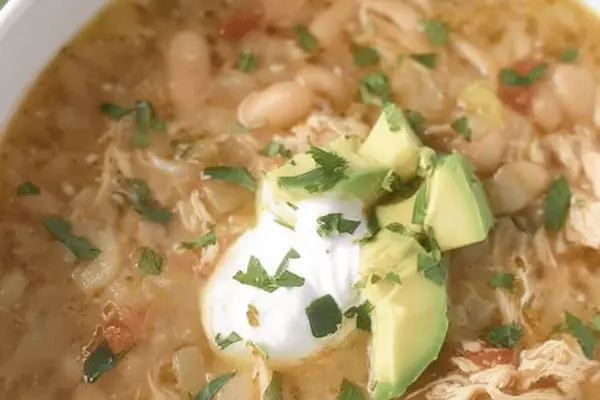
White Chicken Chili with Green Chiles
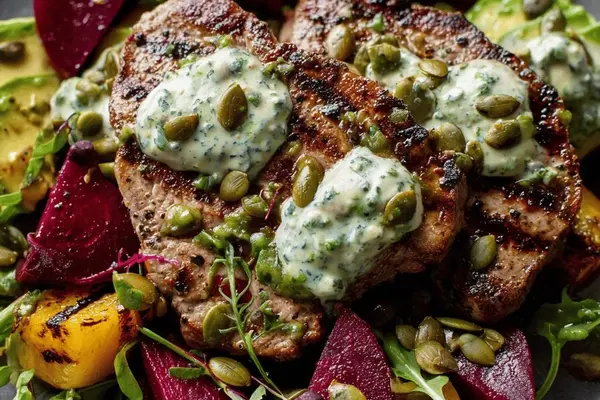
Grilled Veal Chops with Beet & Avocado
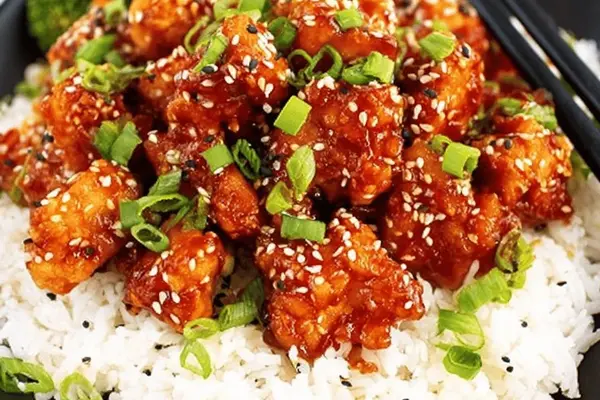
Crunchy Sesame Chicken with Honey Sriracha
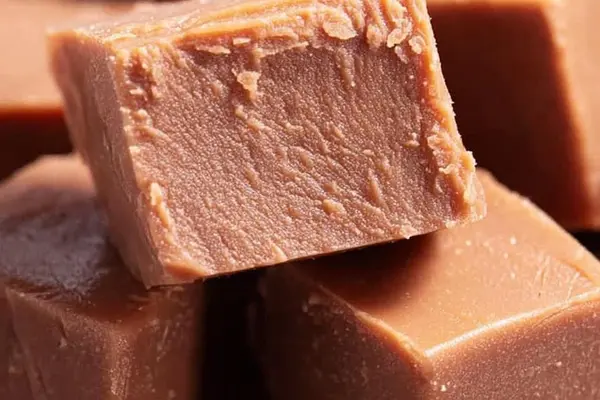
Baileys Fudge Recipe with Chocolate Chips
Lemon Cake with Cream Cheese Frosting
Slow Cooker Chicken Curry with Coconut Milk
Butternut Pumpkin Pasta Sauce with Sage
Cherry Chip Cake with Maraschino Cherries
Banana Bread Recipe with Pumpkin & Cardamom
Buttermilk Pie with Cinnamon Streusel
Club Sandwich with Bacon, Eggs & Tomato
Autumn Spice Tea Punch with Mango Nectar
Recipe for Making Fudge with Eggnog