Dry-Rubbed Pork Shoulder: Slow Roasted
By Emma
Certified Culinary Professional
·
Recipe tested & approved
Slow-cooked pork shoulder rubbed with smoked paprika, chili powder, and cumin. Tender, smoky pulled pork with crispy skin and deep flavor.
Prep:
40 min
Cook:
8h 30min
Total:
9h 10min
Servings:
10-12 servings
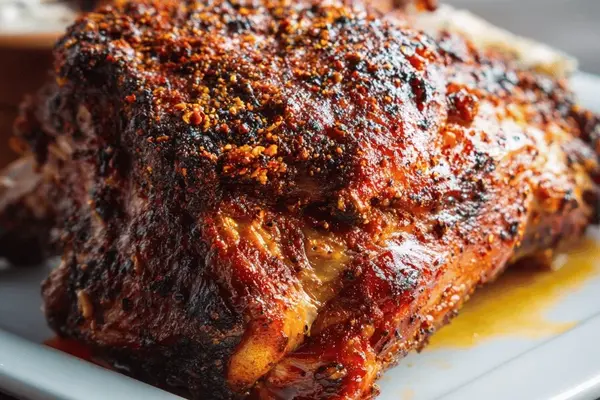
Eleven kilos of pork. Skin scored. Buried in salt, chili, cumin, paprika. Then you spin it over fire for eight and a half hours while smoke wraps around it and fat drips and crackles. This is méchoui — the North African whole animal roast that takes all day and gives you meat so tender the fibers separate on their own, skin so crispy it shatters. Tried this once with just salt. Never again. The dry rub changes everything.
Why You’ll Love This
Takes 40 minutes to prep, then eight and a half hours hands-off. Set it spinning, check it every thirty minutes, that’s it. Grilling becomes an event, not work.
Spicy without being mean. The chili powder and smoked paprika do the work — no fire hot, just depth and character. Adjust down if you’re sensitive.
One whole pork leg feeds a crowd. Twelve to fifteen people easy. Costs less per serving than buying smaller cuts.
The skin. Crispy, salty, snaps when you break it. Meat underneath pulls apart without a knife.
Building Your Dry Rub for Pork
Mix chili powder, smoked paprika, coarse sea salt, brown sugar, black pepper, ground cumin, and onion powder together. Three tablespoons of chili and paprika each. Three tablespoons of salt — sounds like a lot but it seasons deep. One and a half tablespoons brown sugar balances the heat. Two teaspoons each of pepper, cumin, onion powder. Uniform matters. A few clumps means some bites taste like nothing, others taste like pure cumin.
Preparing the Pork Shoulder for the Spit
Score the skin every inch, deep enough to hit fat but stop before meat. You want the knife resisting just a bit. This isn’t decoration — scored skin renders faster and the rub gets inside instead of sitting on top.
Pat the pork dry. Rub the seasoning everywhere. Push it into each score. Don’t be gentle. Wrap it tight or zip bag it and refrigerate twenty to thirty-six hours. Longer is better. The salt penetrates muscle, the cumin settles in. Overnight minimum. Two days is better.
Let it sit at room temperature about an hour before cooking. Cold meat on hot coals cooks unevenly at the edges.
Setting Up Your Grill or Fire Pit for Slow Cooking
This isn’t a quick sear situation. You need indirect heat. Build a bed of hardwood lump charcoal — about twenty kilograms total — and push it to one side of your pit or grill. Add wood chunks or logs for smoke. Oak, hickory, apple. Not softwood.
Test the heat by holding your hand six inches above the coals. Count to three before discomfort. That’s medium-hot. You want steady heat, not raging. Arrange the charcoal so the thickest part of the leg (where the bone is) gets more heat than the thinner shank end.
Place an aluminum roasting pan under the spit — something about eleven by nine inches. Pour in half a beer and half water. This catches drips, prevents flare-ups, keeps the meat moist from underneath.
Skewer the pork lengthwise along the bone. Use heavy-duty wire or butcher’s twine to hold it secure. Loose meat spins unevenly and cooks weird.
Turning and Tending the Spit for Eight Hours
Start the spit turning. Slow rotation. Not sprinting. Steady matters more than speed.
Every thirty minutes, baste it with beer. Not water. Beer adds flavor and helps the skin caramelize into something crackly. You’ll see fat drips hit the coals and sizzle — that’s the smell that makes neighbors ask what you’re cooking.
Watch the thermometer. Target 160 to 170 degrees Fahrenheit internal meat temperature. Check it in the thickest part, avoid the bone. Takes most people seven to nine hours. Mine usually runs eight and a half. Depends on coal temperature, wind, how hot your pit is running.
Meat should separate when you poke it with a fork. Fibers pull apart easy. Skin should sound crispy when you tap it. If it’s still rubbery at hour seven, your heat’s too low or you’re cooking to the wrong temperature. Push the temp up slightly, keep spinning.
Last hour, stop basting. Let the skin dry and crisp all the way.
Resting and Serving Pulled Pork from the Spit
Remove it from the spit. Tent with foil immediately. Let it rest twenty-five to thirty-five minutes. This lets juice redistribute. Skip this and every bite bleeds. Don’t skip it.
Peel the skin off — it should come away clean and crackle when you break it. That’s the goal. If it’s still soft, you didn’t finish hot enough or long enough. Doesn’t ruin anything, just less dramatic.
Slice thinly against the grain. The meat pulls apart but thin slices chew better. Serve with grainy mustard, tangy white BBQ sauce, or smoked sauce. The meat doesn’t need much — salt and smoke are already in there.
Dry-Rubbed Pork Shoulder: Slow Roasted
Prep:
40 min
Cook:
8h 30min
Total:
9h 10min
Servings:
10-12 servings
Ingredients
- Dry Rub
- 50 ml (3 tbsp) chili powder
- 45 ml (3 tbsp) smoked paprika
- 45 ml (3 tbsp) coarse sea salt
- 25 ml (1.5 tbsp) brown sugar
- 10 ml (2 tsp) ground black pepper
- 10 ml (2 tsp) ground cumin
- 10 ml (2 tsp) onion powder
- Méchoui
- 1 whole pork leg (aka pork butt) approx 11.5 kg (25 lb)
- 1 disposable aluminum roasting pan about 28 x 23 cm (11 x 9 in)
- 2 bottles (350-375 ml each) light beer (blonde or amber)
- 20 kg (about 44 lb) hardwood lump charcoal or briquettes
- Assorted hardwood logs for smoking
Method
- Dry Rub
- 1 Combine all dry rub ingredients in a bowl. Mix well until uniform. Set aside.
- Méchoui
- 2 Score the pork skin every 2.5 cm (1 in) deep enough to reach fat but not meat. This helps fat render and dry rub penetrate. Rub dry seasoning thoroughly all over, pushing some into each score. Wrap tightly or place in a large zip bag. Refrigerate 20-36 hours. Longer marinade improves flavor saturation but beware drying edges if uncovered.
- 3 Prepare fire pit or grill for indirect cooking. Build a medium-hot bed of coals with some wood chunks for smoke. Hand test heat: hold hand 15 cm (6 in) above coals, count to three before discomfort. Arrange ashes to one side for indirect heat.
- 4 Remove pork from fridge. Skewer securely lengthwise along the bone, using butcher’s twine or heavy duty wire if needed to keep shape. Position spit over indirect heat. Place aluminum pan loaded with half beer and half water beneath to catch drippings, prevent flare-ups. Add coals closer to thickest part of meat for even cooking.
- 5 Start spit turning slowly, steady rotation is key. Every 30 minutes, baste with beer to keep moist, encourage caramelization. Watch for fat drips; smoke and sizzling intensify odor. Expect 7-9 hours, but rely on probe thermometer. Target 70-75°C (160-170°F) internal meat temp, avoiding bone contact. Texture should be tender, skin crackling, meat fibers separating easily.
- 6 When done, remove from spit, tent with foil. Rest 25-35 minutes to allow juices to redistribute, avoid dryness. Peel skin off carefully; it should be crispy then. Slice thinly against grain for best chew. Serve immediately with tangy white BBQ sauce, smoked BBQ sauce, or grainy mustard BBQ sauce.
- 7 Leftovers freeze well if wrapped tightly to protect rehydration. Can be reheated slow and low to retain moisture.
Nutritional information
Calories
420
Protein
28g
Carbs
5g
Fat
35g
Frequently Asked Questions
Can you make this in a slow cooker or crock pot? Not really. A slow cooker maxes out around 300 degrees. You need the high, dry heat to render fat and crisp skin. A slow cooker makes it tender but you lose the texture that makes this special. Oven roasting at 250 for twelve to fourteen hours gets closer but still no smoke flavor and no skin.
What if you don’t have a fire pit or spit? You can roast it in an oven at 250 degrees, also twelve to fourteen hours. Use a regular roasting pan, rotate it every two hours, baste with beer. You lose the smoke and the spinning action but the dry rub still works. Less dramatic. Still eats well.
Should you use pork butt or pork shoulder? Same thing basically. Pork butt is the upper part of the shoulder. Both have enough fat to stay moist through long cooking. Avoid lean cuts like tenderloin — they dry out.
How long do leftovers last? Wrap tightly, freeze. Stays good for three months easy. Reheat low and slow in a covered pan with a splash of water or beer. Moisture matters when reheating.
Can you reduce the salt in the dry rub? Go lighter if you want. Three tablespoons seasons deep for a ten-kilo leg. Two tablespoons is gentler. Any less and it doesn’t penetrate through eight hours of cooking.
What wood should you use? Oak, hickory, apple, cherry. Avoid pine, cedar, any softwood. Hardwood burns cleaner and tastes better. Lump charcoal works fine — doesn’t need wood if charcoal is quality.
You’ll Love These Too
Explore all →
Lemon Cream Cheese Pie No-Bake Recipe
Roasted Tomato Soup with Tarragon
Lenten Brioche with Raisins and Dates
Pumpkin Cream Cheese Dip Recipe
Brownie Cookies with Avocado & Toasted Pecans
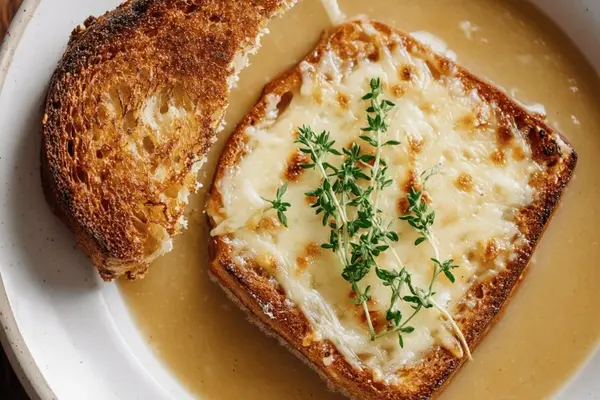
Creamy Onion Soup with Gruyère & Sourdough

Chicken Cheese Ball with Pecans & Ranch
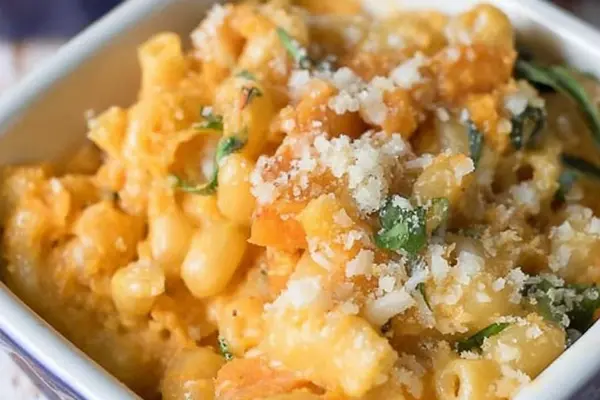
Cheesy Macaroni Recipe with Sweet Potato
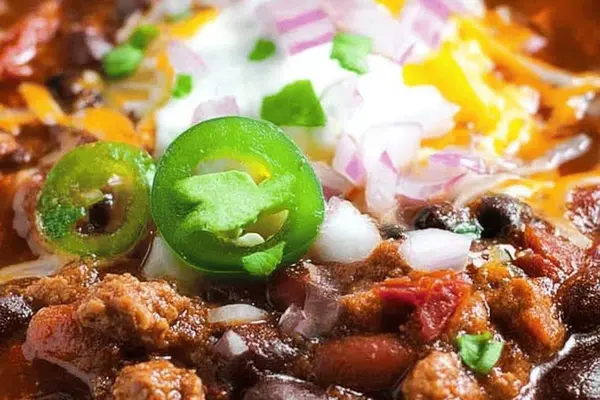
Slow Cooker Chili with Ground Beef
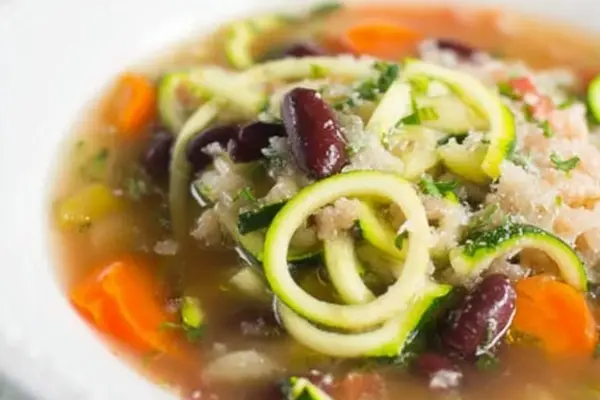
Vegetarian Soup with Quinoa and Zucchini

Cinnamon Whisky Shot with Cream Soda
Cold Salmon Taboulé with Peas Recipe

Blueberry Pancakes with Whole Wheat Flour
Apple Pie with Crescent Rolls & Sprite

Lemon Meringue Tart with Swiss Meringue
Applesauce Chocolate Brownies Recipe
Pumpkin Spice Latte Pancakes Recipe
Pumpkin Muffins with Cake Mix & Pie Filling
Cranberry-Orange Sticky Buns with Cinnamon