Dill Pickled Deviled Eggs Recipe
By Emma
Certified Culinary Professional
·
Recipe tested & approved
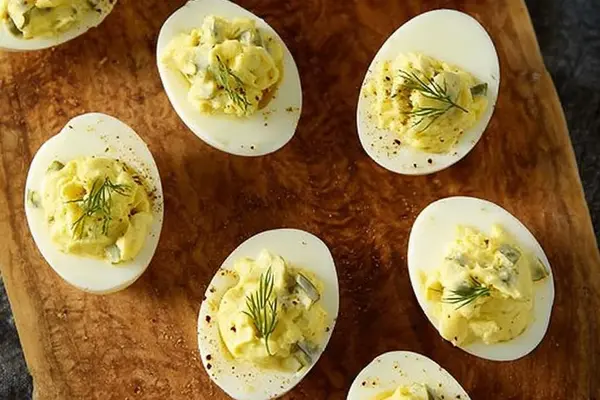
Dill pickled deviled eggs with mayo, mustard, and diced pickles. Tangy horseradish powder and fresh dill create a crunchy, flavorful appetizer.
Prep:
25 min
Cook:
12 min
Total:
37 min
Servings:
12 servings
Three pounds of dill pickles in the fridge and suddenly you need dill pickled deviled eggs. Not that you’re complaining. These are the stuffed eggs recipe that actually tastes like something — creamy yolk filling spiked with pickle juice, horseradish powder instead of the usual garlic, and actual diced pickles for crunch. Takes 37 minutes start to finish. Twenty-five minutes of prep, twelve minutes steaming. Not bad for an appetizer that disappears first at literally any gathering.
Why You’ll Love This
Takes 37 minutes total. Twelve of those are just steam time. The other 25 is chopping and mixing — zero fuss.
Works as a snack straight from the fridge or the main event at a party. People grab them before anything else.
Vegetarian, protein-packed, and requires one bowl. No cleanup headache. Just wash the bowl and you’re done.
Tastes sharp and herby without tasting like a pickle jar exploded on your plate. The balance actually works.
The Dill Pickle Filling
Twelve large eggs. That’s the whole base. Mayonnaise — three tablespoons, not more. Yellow mustard, just a teaspoon. Dill pickle juice. Two tablespoons. This is what makes the filling taste like an actual devilled egg dish, not just mayo with herbs. Horseradish powder. Quarter teaspoon. Not garlic. Horseradish gives you that sharp bite without making the flavor muddy. Dried dill, a tablespoon. Diced dill pickles, a third cup. This is the texture. Don’t skip it. Salt and black pepper to taste. That’s it.
No mayo alternatives needed. Greek yogurt works if you want lighter. Less creamy though. Tastes different. Fine if that’s what you’ve got.
Steaming the Eggs for Perfectly Set Yolks
Pour about half an inch of water into a medium saucepan. Use a steamer basket if you have one. Doesn’t matter much if you don’t. Bring the water to a rolling boil over medium-high heat. Actual boiling. Not simmering. Kill the burner just before the eggs go in.
Gently place the eggs in the basket or straight on the pan bottom. Cover it. Tight. Stick it back on the heat until the water starts whistling again. That’s your signal. Let it steam for exactly twelve minutes. This gives you yolks that are firm but not chalky — that sweet spot where the center is still creamy and pale yellow, not that gray-green ring.
Toss one extra egg in there as a test. Crack it after the time’s up. If the yolk still looks a little loose in the middle, add two more minutes. Watch the steam. If the water level drops too far, the whole thing goes sideways.
Shocking the Eggs and Peeling
Dump them straight into an ice bath the second the time’s up. This stops the cooking dead. Seriously. The yolk is still cooking inside the shell if you don’t ice them. That’s how you end up with chalky yolks.
Let them cool completely. Then peel. Cold water soaking loosens the membrane between shell and white. Use your fingers. Roll the shell off in chunks. Never peel under hot water. The white sticks to the membrane and you end up with pitted, scarred whites. Uglier. Worse texture. Not worth it.
Pro move — buy eggs that are three to five days old instead of fresh. Membrane separates way easier. Just trust this.
Making the Stuffed Eggs Filling
Halve the eggs lengthwise. Scoop the yolks out carefully without tearing the white halves. You need those intact. Mash the yolks in a bowl with a fork until they’re crumbly. Not smooth. Just broken up.
Fold in the mayo. This binds everything. Then the mustard — just a teaspoon sharpens the whole filling without making it taste like mustard. Drizzle in the pickle juice. Two tablespoons. This is acidic. Gives moisture. Makes the filling creamy instead of dense. Now the horseradish powder. Quarter teaspoon sounds small. It’s not. This is what gives you that pungent kick that works with dill.
Sprinkle the dried dill over top. Mix it in. Everything should be creamy but still have some texture — tiny yolk lumps are fine. Actually good. Fold in the diced pickles last. Don’t stir too hard or they break down into mush. You want crunch.
Taste it. Salt. Pepper. Adjust. This is important. Pickle juice acid level varies. Horseradish intensity varies. Taste before you commit to filling all the whites.
Assembling and Chilling the Devilled Egg Dish
Spoon or pipe the filling back into the white halves. Be neat about it. A dollop that fills the hollow looks better than overstuffed. Sprinkle dill and a few pickle dice on top for looks and extra bite.
Cover and refrigerate at least thirty minutes. Flavors need to mingle. The filling sets. Still stays creamy but firms up enough that they hold together when you pick them up. Too long in the fridge — like overnight — and the yolks start drying out. Too short and everything tastes like separate ingredients instead of one thing.
Serve chilled. These are a snack or appetizer. Handheld. Gone in one bite. The sharp tang, creamy center, and pickle crunch should all hit at once.
Common Mistakes and How to Fix Them
Overcooking the eggs is the biggest one. The yolk turns gray and chalky and nothing fixes that. Use the ice bath. Twelve minutes exactly. Test one first if you’re unsure. Better safe than ruined.
No horseradish powder? Fresh horseradish grated works. Use less. Maybe an eighth of a teaspoon. Garlic powder is a swap but expect milder flavor and less interesting depth. Not the same thing. Just different.
Filling too wet? Add a tablespoon of grated sharp cheddar or crumbly feta. Firms it up. Adds flavor twist. Nobody complains about cheese in deviled eggs.
No steamer basket? Crumple foil into a ball and set it on the pan bottom. Elevates the eggs so they’re not sitting directly in boiling water. Works fine. The steam sound changes when they’re done — shifts from aggressive whistle to a whisper. Listen for it.
Don’t skip the actual diced pickles. Texture matters. Without it you end up with smooth, bland, uniform mush. Crunch is the whole point. The contrast between creamy and crunchy is what makes this version of devilled eggs better than the ones nobody eats.
Dill Pickled Deviled Eggs Recipe
Prep:
25 min
Cook:
12 min
Total:
37 min
Servings:
12 servings
Ingredients
- 12 large eggs
- 3 tablespoons mayonnaise
- 1 teaspoon yellow mustard
- 2 tablespoons dill pickle juice
- 1/4 teaspoon horseradish powder
- 1 tablespoon dried dill
- 1/3 cup diced dill pickles
- Salt to taste
- Black pepper to taste
Method
- Steaming eggs
- 1 Add about 1/2 inch water to medium saucepan. Steamer basket optional but great. Bring water to roiling boil over medium-high heat. Turn burner off just before adding eggs. Gently place eggs in basket or directly in pan bottom. Cover with tight-fitting lid.
- 2 Return pan to heat until it whistles back to boil. Let steam 12 minutes for just-set yolk firm but not chalky. Toss one extra egg in for test; crack to inspect doneness. If yolk still sloppy, add 2 more minutes. Watch steam, don’t let water evaporate completely.
- 3 Ship eggs immediately into ice bath to halt cooking. Peel when fully cooled. Cold water soaking loosens membranes; use fingers to roll shell off in chunks, never peel under hot tap or pith sticks bad.
- Filling prep
- 4 Halve eggs lengthwise, scoop yolks carefully to avoid wrecking whites. Mash yolks with fork in bowl until crumbly.
- 5 Fold in mayo to bind the filling; mustard sharpens flavor. Then drizzle in pickle juice — acidic kick and moisture for creaminess. Horseradish powder swapped in to replace garlic powder for pungency with bite, works better with dill.
- 6 Sprinkle dried dill for herby aroma throughout mix. Stir until creamy but some texture remains from yolk tiny lumps. Finally, mix in diced pickles for crunch contrast–why skip texture? Salt and black pepper finish seasoning, test, adjust.
- Assembly and chilling
- 7 Spoon or pipe mixture back into egg white halves. Be neat – dollops the mix just right fill hollow. Garnish with sprinkled dill and extra diced pickles for a fresh look and more bite.
- 8 Cover and refrigerate at least 30 minutes for flavors to mingle, texture to set firm but creamy. Too long, yolks dry out; too short, flavors stay separate.
- 9 Serve chilled, handheld, snackable. Offers sharp tang, creamy texture, and fresh herbal lift with pickle crunch.
- Substitutions and notes
- 10 No horseradish powder? Use a pinch of finely grated fresh horseradish or swap back to garlic powder but expect milder flavor. Mayo can be Greek yogurt for tang and fewer calories but less richness.
- 11 If no steamer basket, place eggs directly on pan bottom but elevate with a crumpled foil ball to avoid direct contact with boiling water. Steam sound shifts from aggressive whistle to whisper when done.
- 12 Avoid overcooking eggs or yolks turn gray and chalky. Ice bath critical or yolk cooking carries on inside the shell. Peeling is always easier when eggs aren’t fresh out of fridge but closer to 2-5 days old, helps membrane separate.
- 13 If yolks seem too wet, add a spoonful grated sharp cheddar or crumbly feta to firm up filling and add twist. Pickle juice acid level varies; taste and temper accordingly.
- 14 Don’t skip dicing actual pickles; texture and bite contrast stops that bland uniform mush some deviled eggs can fall into.
Nutritional information
Calories
53
Protein
3g
Carbs
1g
Fat
4g
Frequently Asked Questions
How long do these pickled deviled eggs keep in the fridge? Three days easily. Four if you keep them covered. Yolks dry out after that. The pickle juice slows it down but doesn’t stop it forever.
Can you make these ahead for a party? Twelve hours is fine. Twenty-four is pushing it. Flavors get stronger the longer they sit. Sometimes that’s good. Sometimes the horseradish gets aggressive. Refrigerate covered. Always.
What’s the best way to pipe the filling instead of spooning it? Pastry bag with a star tip. Looks fancy. Takes two extra minutes. Works the same as spooning. If the filling is too thick for piping, add a splash more pickle juice until it loosens up.
Can I use fresh dill instead of dried? Fresh is better actually. Use three times as much — so about three tablespoons chopped. Add it at the end so it stays bright and herby instead of losing flavor in the mix.
Why use horseradish powder and not garlic? Horseradish cuts through the richness and plays better with dill. Garlic gets muted. Horseradish stays sharp. Try both. You’ll taste the difference immediately.
What if the filling breaks and gets greasy? Too much mayo or the mayo was too warm when you mixed. Start over with room temperature mayo. Fold it in slowly. If you add too much mayo too fast it breaks. Also — don’t use old mayo from the back of the fridge.
You’ll Love These Too
Explore all →
Slow Cooker Chocolate Brownies with Hazelnuts
Turkey Cheddar Panini with Garlic Herb Butter
Crunchy PB Chocolate Balls No-Bake

Chap Chae Recipe with Sweet Potato Noodles
Grilled Vegetable Salad with Chimichurri

Hot Lobster Rolls with Butter & Lemon Zest

Sufganiyot Recipe: Custard & Jelly Donuts
Chicken Roulades with White Wine Butter Sauce

Grapefruit Cocktail with Elderflower Tonic
Peanut Butter Cocoa Sandwich Cookies

Pineapple Fried Rice with Crispy Bacon
Herb Crusted Beef Roast with Smoked Maldon
Homemade Self-Rising Flour Blend Recipe
Slow-Baked White Beans with Soft-Boiled Eggs
Cod and Olive Tapenade Puff Pastry Bites
Banana Bread Recipe with Oat Flour

Ritz Toffee Twist with Caramel & Chocolate
Marinated Bavette Steak with Cilantro Sauce
Beef Stew with Onion Soup Mix