Dan Dan Pork Noodles with Sesame Sauce
By Emma
Certified Culinary Professional
·
Recipe tested & approved
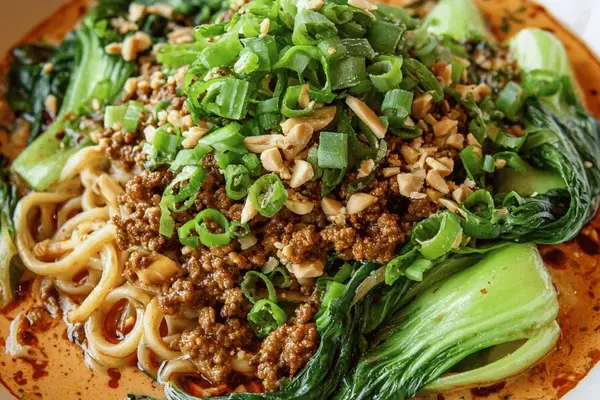
Dan dan pork noodles with ground pork, sesame paste, and chili crisp. Sichuan peppercorns deliver numbing heat, bok choy adds crunch. Ready in 30 minutes.
Prep:
20 min
Cook:
30 min
Total:
50 min
Servings:
4 servings
Three pounds of ground pork and a jar of chili crisp. That was the whole plan. Ended up making dan dan mein—the kind that tastes like someone actually knew what they were doing in a Sichuan kitchen. Takes 50 minutes total. Comes together faster than you’d think.
Dan dan mein noodles hit different when the sauce is right. The sesame paste base is thick and nutty. The Sichuan peppercorns numb your mouth a little. The chili crisp adds actual heat, not just color. Ground pork gets sticky and clingy. Bok choy stays bright. Everything works together without pretending to be something it’s not.
Why You’ll Love This
Takes 50 minutes start to finish. No resting time. No weird intermediate steps. Just prep, cook, eat.
Asian mince pork recipes usually need five specialty ingredients you don’t have. This one uses what’s actually in stores. Sesame paste, chili crisp, soy sauce. Done.
Spicy enough to matter but not so hot your face melts off. Adjustable. More chili crisp if you want it angrier. Less if you don’t.
Works as a weeknight dinner when you need something that tastes intentional. Tastes like you know what you’re doing even on a Tuesday at 6 PM.
Building the Sesame Sauce for Your Noodles
Toasted sesame paste. Not tahini unless you’re desperate—tahini is thinner and tastes more like sadness. Sesame paste is thicker and nuttier. Peanut butter works if that’s what you have. Just use the creamy kind, not chunky.
Reduced sodium soy sauce and dark soy sauce together. The regular stuff isn’t salty enough on its own. Dark soy adds color and depth. Two tablespoons of the first, just under one of the second.
Chili crisp. The kind with actual oil and flakes. Store-bought is fine. Fly By Jing or Lao Gan Ma work. More of it if you like heat. Less if this is your first time with dan dan mian sauce.
Minced garlic. Two cloves. Fresh, not powder.
Sichuan peppercorns ground up. Just over half a teaspoon. This is the weird numbing thing. It’s not heat like chili. It’s different. Not optional unless you hate the sensation, which is fair.
Sugar. Two teaspoons. Balances the salt and heat. Not much. Barely noticeable but the sauce tastes flat without it.
Whisk it all together. It should be smooth and thick. Smell it before moving on. Tastes right when the sesame and chili and Sichuan all register at once. Adjust now—add more chili crisp or a pinch more sugar. Better before the pork cooks and everything gets complicated.
Cooking the Pork Until It Clings
Medium-high heat. Neutral oil. Vegetable, grapeseed, whatever you have. Let it shimmer. One minute is enough.
Ground pork. The 80/20 mix if you can find it. The extra fat helps it brown instead of just cooking gray.
Break it into small pieces as it hits the pan. Use a wooden spoon. Push it around. You’re looking for browning—actual color—not just cooked through. Takes 7 to 9 minutes. The bottom of the pan will start showing dry bits sticking. That’s what you want. If it’s steaming instead of browning, turn the heat down slightly. Too much water means it’s stewing.
Once the edges crisp up and some bits are definitely brown, stir in minced ginger. Thirty seconds. Fragrant but not burnt. The smell changes.
Hoisin sauce next. A tablespoon and a half. Stir it through so every piece gets coated. Then Shaoxing wine or mirin or sake if that’s what you grabbed. Two tablespoons. If you used mirin, the sauce will be subtly sweeter. If you used Shaoxing, it’s more savory. Both work.
Cook it down. The liquid disappears. The pork becomes sticky and clingy with shiny sauce clinging to every bit. Takes about 4 to 5 minutes. If it looks dry too fast, splash a little water but don’t overdo it. You want sticky pork, not a slurry.
Grind black pepper over it. That’s it for seasoning the pork.
Blanching and Cooking Noodles for Your Dan Dan Mian
Large pot of water. Salt it heavily. Like pasta water salt. Not cautiously. This flavors the noodles and vegetables from the inside.
Bring it to a rolling boil. Temperature matters more than timer.
Bok choy in first. Quarter each head lengthwise. Cook until they’re bright green and tender but still have a tiny snap to them. Two to three minutes. Use a slotted spoon to pull them out. Spread them on a plate so they stop cooking.
Same water. Noodles next. Fresh ramen or egg noodles are better than dried. Dried takes maybe a minute longer. Watch them. When they spring back when you bite them, they’re done. Overcook them and they’re just mush. It’s not forgiving. Two to three minutes for fresh. Maybe four for dried depending on thickness.
Drain them. Drizzle with a little oil if they’re sticking together. Return them to the pot with hot chicken stock or water. Just enough to warm them through and loosen them up. Vegetable stock works but chicken has more punch.
Tips for Perfect Dan Dan Noodle Sauce Assembly
The sauce settles. Thickens as it cools. Stir it before serving, especially if you made it ahead.
Divide sauce into bowls first. Then noodles. Then pork spooned over. Bok choy arranged on the side for color and because it shouldn’t get soggy.
Hot broth last. Just enough to coat the noodles and fill the bottom of the bowl. Not so much that it drowns everything. This is the difference between noodles and soup.
Green onion scattered on top. Raw. Gives crunch and freshness.
Peanuts and sesame seeds. Both black and white if you have them. Contrast matters. Texture matters. The toasted aroma actually does something.
Eat immediately. Dan dan mien noodles are best when everything’s still hot and the sauce hasn’t completely absorbed into the noodles.
Leftover sauce stores fine in the fridge for a week. Stir it before using again if it’s thickened. Leftover pork lasts 3 days. Leftover noodles get soggy so make fresh if you can. But reheated pork over fresh noodles with the same sauce works perfectly fine.
Dan Dan Pork Noodles with Sesame Sauce
Prep:
20 min
Cook:
30 min
Total:
50 min
Servings:
4 servings
Ingredients
- Sauce
- 80 ml (slightly over 1/3 cup) toasted sesame paste or natural peanut butter (substitute tahini in pinch)
- 28 ml (2 tbsp) reduced sodium soy sauce
- 12 ml (just under 1 tbsp) dark soy sauce
- 18 ml (1 tbsp plus 1 tsp) chili crisp (store-bought or homemade, more to taste)
- 2 garlic cloves, minced
- 10 ml (2 tsp) granulated sugar
- 3 ml (just over 1/2 tsp) ground Sichuan peppercorns
- Pork
- 430 g (15 oz) ground pork, preferably 80/20 mix for a bit more fat
- 15 ml (1 tbsp) vegetable oil or any neutral oil (grapeseed if you have)
- 25 ml (1 1/2 tbsp) minced fresh ginger
- 25 ml (1 1/2 tbsp) hoisin sauce (substitute with miso for funkier depth)
- 30 ml (2 tbsp) Shaoxing wine, mirin, or sake (mirin adds subtle sweetness, tried all, personal call)
- Noodles and Veggies
- 4 baby bok choy, quartered
- 320 g (11 oz) ramen or egg noodles (fresh preferred, dried if desperate)
- 120 ml (1/2 cup) hot chicken stock or water (vegetable stock okay but less punch)
- 1 green onion, sliced thin
- Unsalted roasted peanuts, chopped, to garnish
- Black and white toasted sesame seeds, to garnish
Method
- Sauce
- 1 Whisk sesame paste, soy sauces, chili crisp, garlic, sugar, and Sichuan pepper together till smooth. It should thicken slightly and smell fragrant with a sharp spicy bite. Set aside while you move on. Taste test - adjust chili crisp or sugar now; better before things cook off.
- Pork
- 2 Heat oil in large nonstick pan over medium-high heat. When shimmering, add pork breaking into small bits with a wooden spoon. Cook until pork starts browning and some edges crisp up, around 7–9 minutes. Look for dry bits sticking to pan, not wet pink pork. Turn heat down slightly if pork is steaming instead of browning.
- 3 Stir in ginger and garlic, cook another 30 seconds until fragrant but no burning. Pour in hoisin and Shaoxing wine, toss well to coat pork. Cook until sauce thickens and liquid evaporates—about 4–5 minutes. You want sticky pork bits clinging to pan, shiny with sauce. Season with black pepper. If mixture looks dry too soon, splash a bit of water but not too much.
- Vegetables & Noodles
- 4 Meanwhile, bring large pot water to boil; add salt liberally to flavor noodles well. Blanch bok choy until vibrant and tender but still with snap, around 2–3 minutes. Use slotted spoon to fish out and drain well, spread on plate.
- 5 In same boiling water, cook noodles until just al dente—fresh takes 2–3 minutes, dried might be a touch longer. Resist overcooking; noodles should spring back a bit when bitten.
- 6 Drain noodles, drizzle with a little oil if sticking threatens. Return briefly to pot with hot broth just to warm through and loosen.
- Assembly
- 7 Divide sauce equally into four bowls. Add noodles. Spoon pork over noodles, then arrange bok choy on side for color and crunch. Pour hot broth to just cover base of bowl, coats noodles but doesn’t drown.
- 8 Scatter sliced green onions, sprinkle peanuts and a few black and white sesame seeds over top for contrast—adds texture and extra toasty aroma. Briny bite and heat mingle. Eat immediately.
- 9 Store leftover sauce separately; stir before serving if it settles or thickens.
Nutritional information
Calories
520
Protein
28g
Carbs
45g
Fat
26g
Frequently Asked Questions
Can I use peanut butter instead of sesame paste for dan dan mian sauce? Yes. Creamy peanut butter works. It’s slightly sweeter and less nutty but the sauce still tastes good. Just use the same amount.
What if I can’t find Sichuan peppercorns? The numbing sensation goes away but the rest of the dan dan mein noodles are still fine. Skip it or grind white pepper instead if you want something. The peppercorns add something specific though. Worth hunting for.
How do I know when the pork is cooked enough? When the pieces are all brown or dark on the edges and sticky with sauce. Not pink. Not gray and wet. Brown and clinging to the pan. The texture should be slightly crispy on the outside.
Can I make dan dan noodle sauce ahead of time? Make it hours before. Days before. Store it in a jar. Stir it when you’re ready to use because the sesame paste settles. The flavors actually get better sitting around.
Is this recipe spicy or can I adjust the heat? Depends on the chili crisp. Two tablespoons makes it noticeable but not overwhelming. Add more if you like actual fire. Add less if you’re sensitive. Start with the amount listed and adjust next time.
Can I use different noodles for dan dan mein? Fresh ramen works best. Egg noodles work. Dried ramen works. Spaghetti works but tastes weird. The chewier the better. Avoid anything thin and delicate.
What about vegetarian dan dan mian recipe options? Skip the pork. Use crispy tofu or mushrooms instead. Brown them the same way. The sesame sauce is already vegetarian. Use vegetable stock instead of chicken stock. The dan dan noodle sauce stays the same.
Does this recipe scale up? Scales fine. Double everything. The timing stays mostly the same. Just use a bigger pot and pan.
You’ll Love These Too
Explore all →
Eggless Macaroons with Coconut Yogurt

Gazpacho Recipe with Yellow Peppers & Cucumber

Lemon Pineapple Tartelettes with Meringue

Savory Pastry Dough with Pork Fat

Mint Chocolate Crisps with Peppermint Extract

No-Bake Pumpkin Pie with Cream Cheese
Spiced Rum Affogatos with Coconut Ice Cream

Peanut Butter Chocolate Sundae No-Churn

Almond White Blondies with Coconut Oil

Citrus Smoothie with Mango, Dates & Cardamom

Cookie Dough Truffles with Bittersweet Chocolate
Creamy Cheese Tortellini with Pancetta

Coffee Orange Panna Cotta with Espresso
Pork Rib Roast with Mushroom Sauce

Cheesy Scalloped Potatoes with Cheddar

No Bake Horse Cookies with Milano & Nilla Wafers

Smorrebrod with Prosciutto and Strawberries

Cheesy Garlic Bread with Mozzarella
Cauliflower Gratin with Spelt Grains