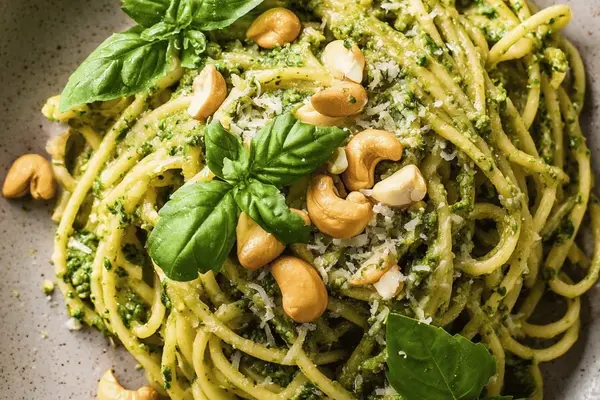
Dairy-Free Pesto with Roasted Cashews
By Emma
Certified Culinary Professional
·
Recipe tested & approved
Dairy-free pesto made with roasted cashews, fresh basil, nutritional yeast, lemon juice, and olive oil. Creamy, bright, and naturally cheesy-tasting.
Prep:
17 min
Cook:
0 min
Total:
17 min
Servings:
4 servings
Cashews instead of parmesan. Lemon instead of that sharp bite. This dairy-free pesto sauce tastes like actual pesto, not like you’re compensating for something missing. Made this last week with basil that was about to go bad—had the food processor out anyway. Turns out toasted cashews add a richness that dairy-free pesto usually fumbles. Takes 17 minutes and makes enough to coat pasta, dollop on soup, spread on sandwiches. No cooking involved. Just blending.
Why You’ll Love This
Vegan and gluten free from the start—nothing to swap out or feel weird about. Just real ingredients doing what they do.
Comes together in 17 minutes. The pesto sauce is ready before you finish heating water. No cooking. No babysitting.
Tastes like pesto. Actual pesto. Cashew pesto doesn’t taste “dairy-free”—it tastes like cashew and basil and lemon doing their job.
Makes your pantry feel less empty. Nutritional yeast, toasted cashews, basil. That’s all it takes.
What Goes Into This Cashew Pesto
Garlic—raw, two cloves. Not minced. Rough chop and let the processor handle it.
Roasted cashews. The catch: toast them yourself for maybe 3 minutes if they’re raw. You want them brown at the edges, deeper smell. Store-bought roasted works too but watch them. Burnt cashews taste bitter and bitter ruins everything.
Fresh basil leaves. A lot. About 70 grams packed. Wash them dry—wet basil means watered-down pesto. Every time.
Nutritional yeast flakes. Three tablespoons. This replaces the salty, umami part that cheese would do. Go light on it. Too much tastes like B-vitamins smell.
Lemon juice. Fresh squeezed. One and a half tablespoons. Sharp. The kind that cuts through richness.
Extra virgin olive oil. Half a cup plus a tablespoon. Good oil matters here because there’s nothing else to hide behind. Drizzle it in slow so the sauce actually emulsifies instead of pooling.
Sea salt and black pepper. Taste as you go. You’ll know.
How to Make Vegan Basil Pesto with Cashews
Rough chop the garlic. Throw it in the food processor first. Garlic breaks down fast and you want it evenly distributed before the basil leaves pack in and make it harder to reach.
Add the toasted cashews. Not raw. Raw cashews are chalky. Toasted ones have flavor—a hint of brown, deeper aroma, almost nutty. Watch them though. Three minutes in a dry pan and they go from perfect to bitter. You can’t undo burnt.
Add the packed basil leaves now. They should be clean and dry. Wet leaves steam instead of blend. The pesto texture goes grainy and weird. Sprinkle the nutritional yeast over the basil. Pour the lemon juice on top. Start pulsing.
Pulse in bursts. Not a long blend. You want some texture here—a bit of grain, some tooth. Overpulsing generates heat and the oil separates. It’s not complicated but it matters. Scrape down the sides with a spatula a few times. Keep going until it’s mostly mixed.
Turn the processor to low speed and drizzle the olive oil in slowly. Watch it happen. The mixture goes from dry clumps to creamy slurry. Stop before it’s silk-smooth. Pesto needs texture. Adjust the oil as you go—add more if it’s too thick, add less if it starts pooling on top.
Taste it. Season with salt and cracked pepper. Not much. Just what it needs. Wait five minutes if you can. The flavors settle and meld. Everything tastes sharper than it actually is right after blending.
If the lemon is too loud—too sharp, too bright—a pinch of sugar softens it. Or a splash more olive oil rounds the edges. Not both. One or the other.
Store it in an airtight jar. Press a thin layer of olive oil over the surface. Keeps the green from oxidizing. Three to four days in the fridge. Best the first 24 hours.
Fixes and Swaps for This Cashew Nut Pesto Recipe
No cashews. Use blanched almonds or walnuts. Almonds are lighter, slightly sweet. Walnuts are earthier, almost woody. Texture changes and so does flavor but it works. Toast them separately if you have time. Steaming nuts ruins the crunch.
Garlic being too much. Raw garlic can dominate everything. Start with one clove. Blend it. Taste. Add another if you need it. Better to go small and adjust than scrape it out later.
Basil running low. Spinach or arugula fills the gap. But expect the flavor to shift. Spinach makes it milder and earthier. Arugula brings peppery notes. Adjust the lemon to match—maybe back off a touch if you go arugula.
Oil pooling on top instead of mixing in. Means you added it too fast. Or the processor is off. Turn it back on. Low speed. Drizzle slower. Emulsification takes patience.
Make vegan pesto without the food processor. Use a mortar and pestle if you have one. It takes longer. Maybe 25 minutes. But the texture is different—rougher, more intentional. Some people prefer it.
Dairy-Free Pesto with Roasted Cashews
Prep:
17 min
Cook:
0 min
Total:
17 min
Servings:
4 servings
Ingredients
- 2 cloves garlic, peeled
- 70 g (1/2 cup plus 1 tbsp) roasted cashews, lightly toasted
- 55 g (1 3/4 cups) fresh basil leaves, packed
- 12 g (3 tbsp) nutritional yeast flakes
- 25 ml (1 1/2 tbsp) freshly squeezed lemon juice
- 130 ml (1/2 cup plus 1 tbsp) extra virgin olive oil
- Sea salt and freshly ground black pepper to taste
Method
- 1 Rough chop garlic cloves, toss into food processor first. Add toasted cashews – not raw, get a hint of brown and deeper aroma, but watch they don't burn or turn bitter. Toasting builds flavor sadly overlooked.
- 2 Add packed basil leaves, wash but dry thoroughly — wet leaves water down pesto, ruins texture. Sprinkle in nutritional yeast, cut down slightly from standard for less overt cheesiness which can clash with lemon. Then pour lemon juice over top, start pulse blending.
- 3 Pulse in bursts, no hate for texture variation here; want a bit of bite, uneven grain. Scrape down sides few times with spatula. Avoid over-pureeing, long blends heat pistons and squeeze oils prematurely.
- 4 With machine running on low speed, drizzle olive oil steadily. Watch mixture emulsify, observe consistency shift from dry clumps to creamy slurry, but stop before it’s silk—pesto needs texture, a bit of tooth. Adjust oil flow as needed, can add a touch more if too thick.
- 5 Taste now, season with salt and cracked pepper sparingly. Wait five minutes if possible—flavors settle, meld. If too sharp from lemon, a pinch of sugar or splash more oil softens edge.
- 6 Store in airtight jar, press surface with olive oil layer to prevent oxidation. Keeps fresh 3-4 days in fridge, but best eaten first 24 hours.
- 7 If no cashews, substitute blanched almonds or walnuts—each changes texture and sweetness. Walnuts bring earthier tone, almonds lighter. Toast nuts separately if time permits—steaming nuts ruins crunch and flavor.
- 8 Avoid garlic overdose; raw garlic can dominate. Better to add less initially, adjust post-blend if green herb bite is needed.
- 9 In case basil is scarce, substitute part with baby spinach or arugula but expect color and flavor shift towards milder. Adjust lemon accordingly.
Nutritional information
Calories
220
Protein
6g
Carbs
5g
Fat
20g
Frequently Asked Questions
Can I make this pesto sauce dairy free ahead of time? Yeah. Three to four days in the fridge in an airtight jar. Press olive oil over the top to keep it from oxidizing. Best on day one but it holds up fine. Freezes too if you want to make a batch and forget about it for a month.
What makes cashew pesto better than store-bought vegan pesto? You control the lemon. You decide how much garlic. Store versions tend towards weird aftertastes or gummy texture. Homemade is alive. Tastes different every time depending on your basil.
Is this pesto recipe actually vegan? Completely. Cashews, basil, lemon, oil, nutritional yeast. No animal stuff anywhere. Nutritional yeast is just deactivated yeast cells—vegan.
Why toast the cashews separately? Flavor. Raw cashews are chalky and bland. Three minutes in a dry pan and they taste like nuts. Actual nuts. The difference is real.
Can I use dried basil in a basil cashew pesto? Don’t bother. Dried basil tastes like nothing. You’d need triple the amount and it still wouldn’t work. Fresh basil is the whole point. If it’s out of season, make something else.
How do I know when the cashew pesto sauce is mixed enough? Uneven grain. Some texture. Not smooth. If you want to know by feel—squeeze some between your fingers. Should be creamy but not slippery. When you spread it on bread you should feel the grit slightly. That’s right.
What if the pesto is too thick? Add olive oil a teaspoon at a time. Drizzle it in with the processor running on low. It absorbs faster than you’d think. Too thick at first usually means you didn’t drizzle the oil slowly enough the first time around.
You’ll Love These Too
Explore all →
Green Juice with Kiwi, Orange & Kale
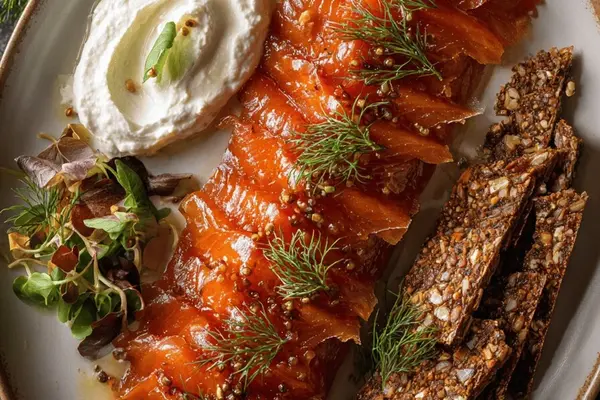
Cured Salmon with Calvados & Juniper

Oreo Oreos: Red Velvet Cream Cheese Cookies
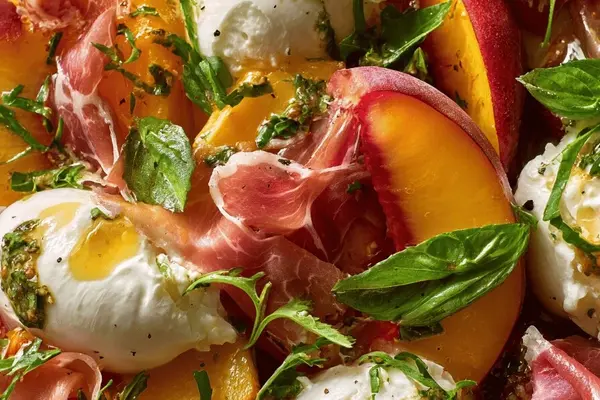
Peach Mozzarella Salad with Burrata & Harissa
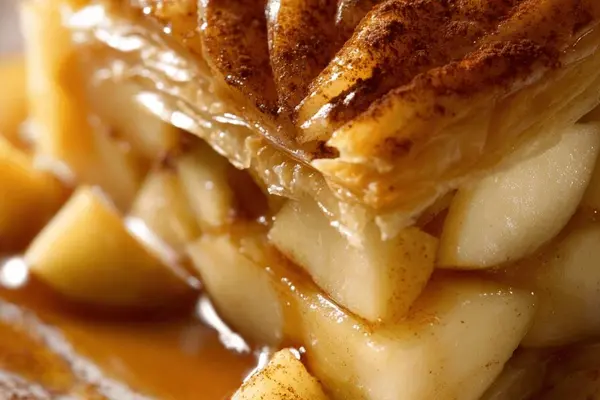
Armagnac Apple Croustade with Filo Pastry
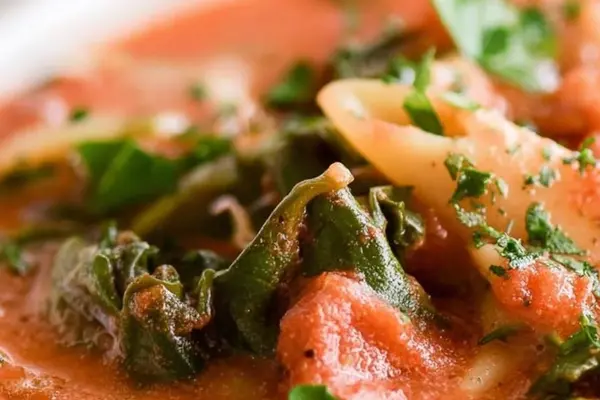
Zuppa Toscana Recipe with Chorizo & Kale

Monster Rice Treats with Candy Eyes
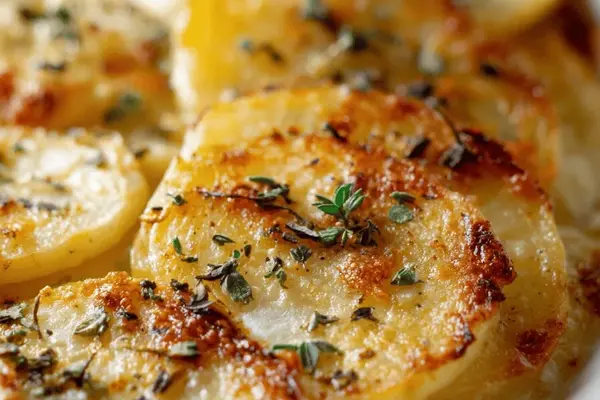
Potato Gratin with Rosemary and Piave Cheese
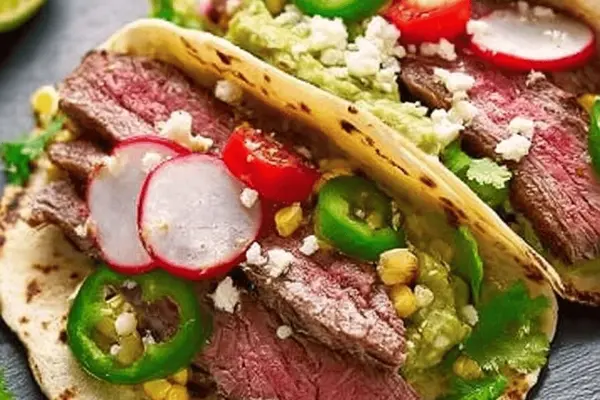
Marinated Flank Steak with Cilantro Avocado

Salty Sweet Monster Bars with Pretzels

Molasses Gingerbread Syrup with Fresh Ginger
Retro Chicken Tetrazzini Casserole
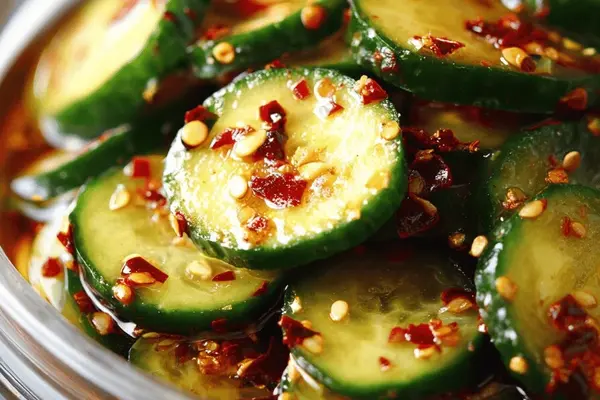
Gherkins: Quick Pickled Persian Cucumbers

Wassail Recipe with Apple Cider & Spices

Ginger Mousse with Candied Kumquats
Curried Beef Stuffed Peppers with Sweet Potatoes

Gruyère Gougères | Crispy Choux Pastry
Pumpkin Deviled Eggs with Fried Sage
Beef Mac Skillet with Cheddar & Tomatoes