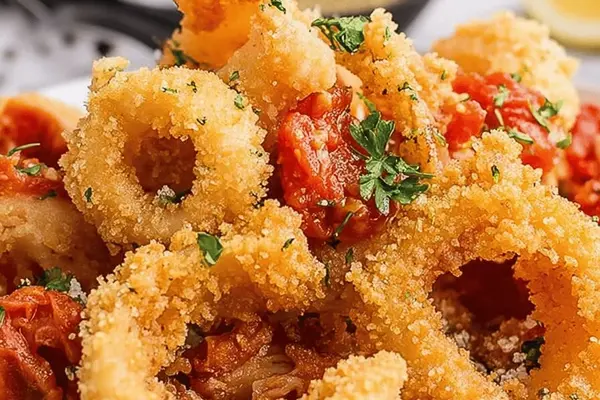
Crispy Fried Calamari Rings with Panko
By Emma
Certified Culinary Professional
·
Recipe tested & approved
Crispy fried calamari rings coated in panko breadcrumbs, egg whites, and flour. Golden squid served with marinara sauce for the perfect appetizer.
Prep:
20 min
Cook:
12 min
Total:
32 min
Servings:
4 servings
Squid. Just cleaned it this morning, water running through the tubes to get all that slime out. Takes forever. But this is where it pays off—the rings come out so crispy the coating shatters when you bite down, and the squid inside stays tender instead of turning into rubber. Had a batch once where I skipped the drying step. Soggy. Never again. This fried calamari is the appetizer that makes people stop mid-conversation.
Why You’ll Love This
Takes 32 minutes total. That includes cleaning squid from scratch.
Crispy panko coating. Stays crunchy even after 5 minutes sitting out.
Works as a snack alone or an appetizer before literally anything. Mediterranean vibes without the pretension.
Squid cooks so fast you can fry two batches while people are still eating the first one.
Cleaning and Prepping the Squid
Squid tubes. Rinse under cold water. Run your finger inside—you’ll feel the cartilage and translucent tendons clinging to the walls. That stuff is why squid turns into rubber. Get it out. The tentacles are easier; just rinse those, leave them whole. They cook faster because they’re thinner.
Pat everything dry with paper towels. Then—this matters—leave it uncovered in the fridge while you prep the coating. Not for hours. Just 10 minutes. The surface firms up slightly. The panko clings better when it’s not wet.
Cut the tubes into half-inch rings. Not thinner. Thinner means they disappear into the oil. Not thicker. Thicker means a raw center and overcooked edges.
Building the Coating for Crispy Fried Calamari
Two bowls. That’s it.
Bowl one: panko breadcrumbs mixed with salt and black pepper. Not pre-seasoned panko. Season it yourself. Control it. A few good pinches of salt. A few cracks of pepper. Mix it. The seasoning sits on the surface and adheres to the squid. Doesn’t disappear into the meat.
Bowl two: egg whites and all-purpose flour whisked together. Just smooth. The flour sounds weird but it works—adds body to the egg white, creates a thicker paste that sticks to the squid instead of sliding off. You want a coating that actually clings, not a slick that slides around.
Don’t add water. Don’t add milk. Just egg white and flour. That paste is enough.
Heating Oil and Frying Technique
Medium-high heat. Heavy skillet. Watch the oil. When it starts to shimmer—not smoke, shimmer—it’s ready. Test with a single breadcrumb. It should sizzle immediately and brown gently within seconds. Too cool and the coating absorbs oil instead of crisping. Too hot and the outside burns while the inside stays raw.
Dredge one squid ring in egg white paste. Light coating. Excess drips back into the bowl. Too much paste means the panko never touches the squid; you get a soggy thick layer instead of a crispy shell.
Into the panko. Press lightly. Gentle patting. Not mashing. The crumbs stick from the moisture, not from force.
Lay it into the hot oil. Single layer. Don’t crowd the pan—temperature crashes, everything steams instead of fries. Listen for a steady lively sizzle. If it sounds angry and loud, heat’s too high; lower it. If it sounds quiet and muffled, too low; raise it.
Watch the edges. They’ll start to crisp and turn tan. Flip occasionally. 2 to 3 minutes total. When the color shifts to warm tan and the smell goes slightly toasty—not burnt, toasty—pull it out.
Slotted spoon straight to paper towels. Excess oil drains off. Then—important—place it on a warm oven rack. Around 170 degrees. This keeps the squid hot and prevents that awful reabsorption of oil that happens when it cools down.
Repeat for the next batch. Repeat until squid’s gone.
Sweet pepper rings or zucchini if you’re adding vegetables. Same coating. Less frying time though. Vegetables soften faster than squid. Maybe 90 seconds. They’ll look more golden than tan. That’s fine.
Mistakes and How to Fix Them
Raw squid in the center means the oil wasn’t hot enough or you crowded the pan. Both slow down cooking. Trust the sizzle sound over any timer.
Soggy coating happens when you don’t dry the squid first or you let it sit uncovered after frying. The drying step in the fridge matters. The warm rack afterward matters more.
Tough rubbery squid means you cleaned it wrong and left tendons inside, or you fried it way too long. 3 minutes is the absolute max. Squid is small and cooks fast. Overthinking it ruins it.
Coating doesn’t stick means the paste was too thin or you dredged it twice (don’t). One light coat. That’s enough. Panko is textured and grabs moisture easily. You don’t need thickness.
Flat flavor means you underseasoned the panko. Taste a raw breadcrumb from your coating bowl before you start frying. If it doesn’t taste salty and peppery, adjust. The squid itself is mild; the panko carries flavor.
Crispy Fried Calamari Rings with Panko
Prep:
20 min
Cook:
12 min
Total:
32 min
Servings:
4 servings
Ingredients
- 1 1/2 lbs squid tubes and tentacles clean
- 1 cup panko breadcrumbs seasoned with salt and black pepper
- 2 egg whites
- 1 tablespoon all-purpose flour
- 1/2 cup vegetable oil or light olive oil for frying
- 1 cup sweet pepper rings (optional substitution: thin zucchini slices)
- Marinara sauce or preferred dipping sauce
Method
- 1 Start with squid cleaned under cold running water, run water inside tubes, feeling for jelly-like tendons—cut away the ugly bits or texture suffers
- 2 Pat squid dry with paper towels then let air dry uncovered in refrigerator while prepping coating; this drying step firms the squid, helping the coating cling better
- 3 Cut squid tubes into half-inch rings; tentacles rinse but leave whole for contrast in chew
- 4 In bowl one, mix panko breadcrumbs with several pinches salt and a few turns cracked black pepper; seasoning panko ensures flavor adhesion without oversalting squid
- 5 In bowl two, whisk together egg whites and flour until just smooth paste forms; flour adds body to egg white, promoting better crust adhesion and slight chew instead of fragility
- 6 Preheat oil over medium-high heat in a heavy skillet to shimmering but not smoking; peek and test with a breadcrumb drop for immediate sizzle and gentle browning within seconds
- 7 Dredge squid rings lightly in egg white paste, don’t drown them—excess drips back, too thick coating equals soggy mess after frying
- 8 Transfer rings immediately into panko, pressing crumbs lightly so they stick, but not mashed in; gentle patting seals better crust
- 9 Carefully lay rings into hot oil in single layer, don’t overcrowd or temperature crashes; listen for steady lively sizzle, adjust heat if oil smokes aggressively
- 10 Flash fry rings about 2-3 minutes total, flipping occasionally for even golden tan; visual clue is edges crisp, color shifts to warm tan, smell turns slightly toasty but never burnt
- 11 Remove with slotted spoon to paper towels to drain excess oil; immediately place on warm oven rack (around 170 F) to keep hot and prevent sogginess
- 12 Repeat egg white then panko dredging and frying for sweet pepper rings or alternative veggie slices, slightly less time frying since vegetables soften fast
- 13 Serve calamari and peppers hot with tomato-based marinara or tangy aioli; acid cuts through fried richness
- 14 Store leftovers wrapped loosely to avoid condensation; reheat briefly under broiler or in hot pan to revive crust texture
Nutritional information
Calories
280
Protein
22g
Carbs
18g
Fat
15g
Frequently Asked Questions
Can you use store-bought seasoned panko? Sort of. Most of it tastes like salt and not much else. Just season plain panko yourself. Takes 30 seconds. Better flavor and you control the salt so squid doesn’t end up oversalted.
What if you can’t find fresh squid? Frozen works fine. Thaw it completely in the fridge, not on the counter. Pat it dry extra well because frozen squid releases more water. Everything else stays the same.
Does the marinara sauce matter for this fried calamari? Not hugely. Marinara is classic because the acid cuts the richness of fried food. Any marinara sauce works—store-bought is fine. Or use aioli. Or lemon wedges. Acid is the point.
Can you deep fry this instead of pan frying? Yeah. Temperature control matters even more. 350 degrees. Oil deeper but same rules apply—don’t crowd, listen for sizzle, 2 to 3 minutes. More oil means slower cooling of the squid, which sometimes means slightly tougher meat. Small skillet pan frying actually works better.
How do you store leftover fried calamari? Loosely wrapped in the fridge. Not sealed; that traps steam and destroys the crust. Reheat under the broiler or in a hot pan. Quick blast brings the crunch back. Microwave kills it entirely.
Why egg whites instead of whole eggs? Less fat means thinner paste, thinner coating, crispier shell. Whole egg works but the yolk makes everything heavier. You’ll notice the difference.
Does the flour really make a difference in the egg white mixture? Not huge but noticeable. Flour adds structure so the coating adheres instead of sliding off when it hits the oil. Without it, you get thinner crispier coating but some rings lose their shell halfway through frying. With it, everything stays locked on.
You’ll Love These Too
Explore all →
Chicken Drippings Gravy Recipe
Hot Chicken Sandwich with Brown Sauce
Dark Chocolate Chip Muffins with Sour Cream
Coconut Cream Pie with Toasted Coconut Flakes
Chicken Bacon Ranch Pasta Recipe
Grilled Chicken BBQ Calzones with Chipotle
Biscuits and Gravy Casserole Recipe
Creamy Italian Dressing Recipe
Oven Risotto with Leeks, Spinach & Ricotta
Strawberry Cake with Cream Cheese Frosting
Lemondrop Martini Recipe with Vodka
Chicken Stuffed Shells with Alfredo Sauce
Slow Cooker Chili with Ground Turkey
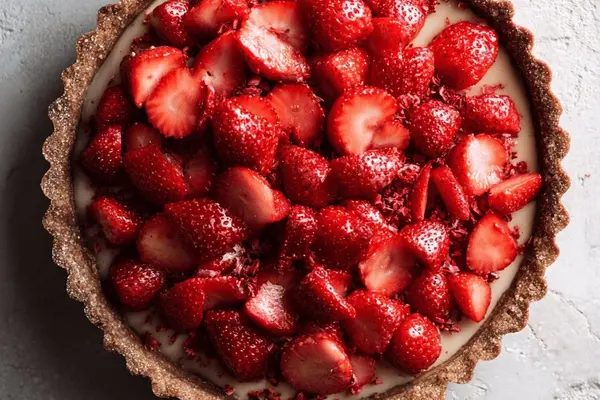
Sweet Tart Dough with Spelt Flour & Ghee
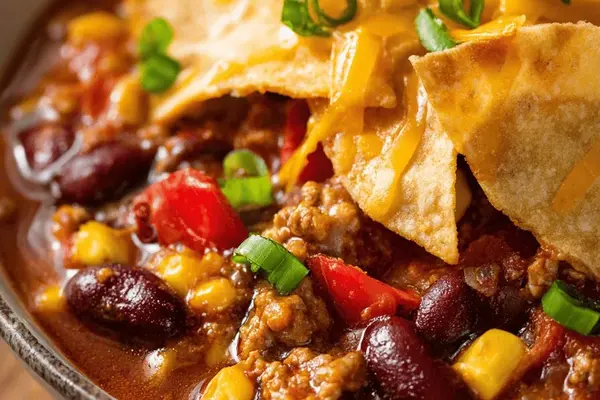
Chili Verde Recipe with Ground Pork
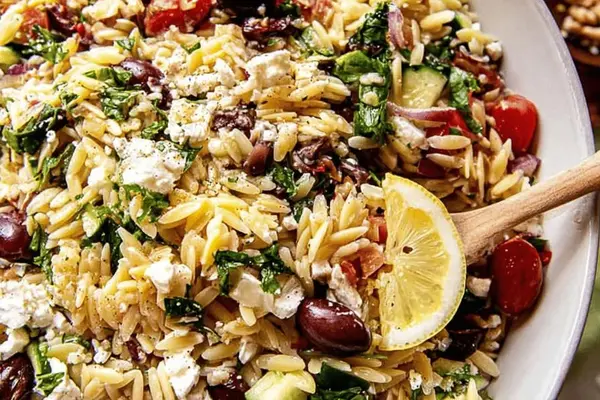
Mediterranean Orzo Salad with Goat Cheese
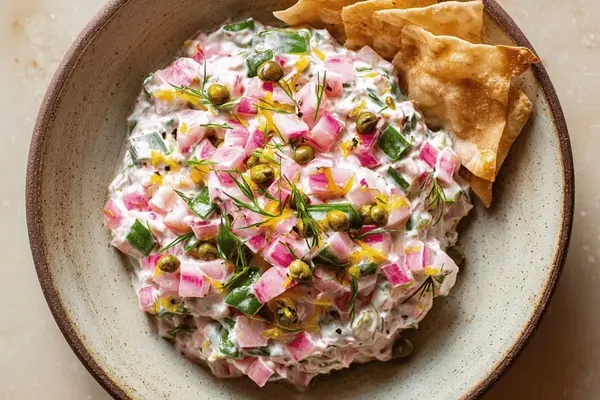
Radish Salad with Greek Yogurt & Pickled Radishes
Lime Bars with Cranberry & Lime Curd
Holly Jolly Jello Shots with Vodka & Condensed Milk