Crispy Herb Roast Chicken with Butter
By Emma
Certified Culinary Professional
·
Recipe tested & approved
Roast chicken with herb butter, fresh rosemary, and thyme under the skin for crispy, juicy results. Roasted vegetables cook in pan drippings.
Prep:
15 min
Cook:
75 min
Total:
90 min
Servings:
4 servings
Whole bird roasting is one of those things that seems harder than it is. High heat. Butter under the skin. That’s most of it. I had a chicken that wouldn’t crisp up for years—kept steaming it basically—until someone just said dry it more and flip it halfway. Changed everything. Now it’s the easiest dinner that looks like you actually know what you’re doing.
Why You’ll Love This
Takes 90 minutes total. 15 minutes hands-on, then the oven does the work. Comfort food that doesn’t feel like effort.
One bird feeds four people easy, sometimes five if sides are generous. Main dish sorted. No second cooking.
Skin gets actually crispy. The butter and herbs go under there, so you’re not just flavoring the outside—it’s inside too. Meat stays impossibly juicy while everything else crisps.
Roasted vegetables fall off the bone tender. They sit in the drippings the whole time. You basically get three things on one pan.
Building the Herb Butter
Half a cup softened butter. Room temp. This matters—cold butter won’t spread right.
Dried poultry seasoning. A teaspoon. Not much, but it does the work. Fresh rosemary and thyme—a tablespoon each, chopped fine. Dried herbs work if that’s what you have. Less potent though.
Mix it with a fork until it’s not streaky anymore. You want the herbs distributed. Takes 30 seconds.
That’s your entire butter chicken flavor base. Everything else is salt, pepper, vegetables, heat.
The Actual Roasting Process
Preheat to 475 degrees. Empty oven. Let it sit 15 minutes. You want real heat.
Pat the chicken dry. Paper towels. This is the part people skip. Don’t. Moisture and crispy skin don’t coexist.
Loosen the skin carefully—fingers mostly, spoon handle for the tight spots around the breastbone. You’re making space for butter to go under there without ripping anything. Takes patience. Not a rush.
Rub half the herb butter under the skin. Push it toward the legs and breasts. Uneven is fine. Stuff the rest in the cavity.
Salt and pepper the outside. Be generous. Kosher salt specifically—coarser grains, doesn’t disappear into nothing.
Chop up carrots, onions, potatoes. Chunks. Not tiny. They roast for 75 minutes and still need to stay whole.
Put the chicken breast side down in the pan first. Scatter vegetables around it. Roast 35 minutes. You’ll hear it sizzling after the first 5 minutes. The kitchen smells insane by minute 20.
Flip it breast side up. Use tongs. It’s heavy. The skin on the bottom is already golden. Toss the vegetables around so they’re not sitting in the same spot.
Lower heat to 450. Roast another 35 to 45 minutes. Check the thigh—stick a thermometer in the thickest part, not touching bone. 165 degrees. That’s done.
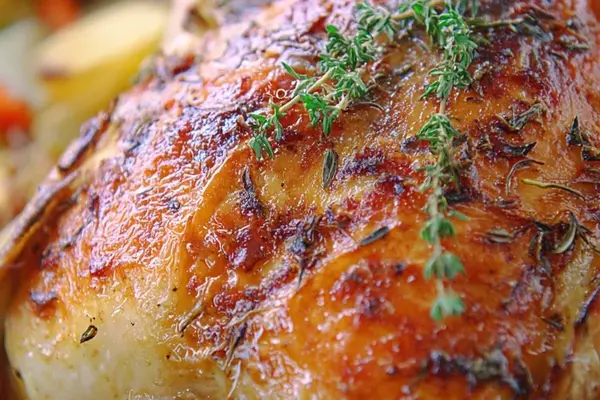
Look for the skin—golden brown, almost mahogany in spots. Wiggle the legs. They should move loose from the body. Juices run clear when you poke between the leg and breast.
Pull it out. Let it rest 12 minutes. Seriously. This is when the meat relaxes and reabsorbs the juices. Carve right after and everything dries out.
Mistakes and How to Not Make Them
Wet chicken is the biggest one. People rinse it and don’t dry it enough, then wonder why the skin steams instead of crisps. Pat it dry. Use a lot of paper towels. The drier the better.
Overcrowding the vegetables. If they’re piled up, they steam. Spread them around the pan edges. They need space or they stay pale and soft instead of caramelizing.
Not flipping it. Some people roast it all breast side down thinking it’ll keep the meat moist. It does, but the skin never crisps. The flip is essential. Halfway through is the magic point.
Skipping the rest. 12 minutes feels pointless when you’re hungry. It’s not. The meat firms up, juices settle, carving becomes cleaner. Everything is better.
Using cold butter from the fridge. It won’t blend with the herbs right. It’ll be streaky when you’re trying to spread it under the skin. Softened means sitting out 30 minutes beforehand.
Crispy Herb Roast Chicken with Butter
Prep:
15 min
Cook:
75 min
Total:
90 min
Servings:
4 servings
Ingredients
- 1 whole chicken, about 4-5 pounds
- 1/2 cup softened unsalted butter
- 1 teaspoon dried poultry seasoning
- 1 tablespoon fresh rosemary, chopped
- 1 tablespoon fresh thyme leaves
- Kosher salt
- Freshly ground black pepper
- Assorted vegetables (carrots, onions, potatoes), cut into chunks
- Cooking spray
- Cooking twine
Method
- 1 Start by preheating oven to 475 degrees F. High heat key here.
- 2 Prepare a large roasting pan, coat with cooking spray so vegetables don’t stick.
- 3 Mix softened butter with poultry seasoning, rosemary, thyme; fork works best to combine evenly.
- 4 Rinse chicken if not prepped for crispy skin; dry thoroughly with paper towels. Moisture kills crispness.
- 5 Loosen skin carefully with fingers, especially around breast and legs. Use spoon back for hard spots.
- 6 Rub half the butter mixture under skin, spread evenly. Put any extra butter into cavity; flavor boost.
- 7 Season outside of chicken liberally with kosher salt and cracked black pepper. Salt is flavor and drying agent.
- 8 Set chicken breast side down in pan. Truss legs loosely—don’t tie tight, gives even roast without crowding.
- 9 Scatter chopped vegetables around bird; use leftover herbs if you have them, aromatics pump flavor.
- 10 Roast for 35 minutes. Listen for sizzling, aromatics coming alive. Skin starts turning amber.
- 11 Using tongs, flip chicken breast side up carefully. Don’t lose those precious juices in the pan.
- 12 Toss veggies gently to coat them in drippings and butter. They brown faster this way, caramelization is key.
- 13 Continue roasting at 450 degrees for about 35-45 minutes more. Internal temp should reach 165°F in thigh.
- 14 Look for deeply golden skin, juices running clear when pierced between leg and body. Wiggle test—legs should move freely.
- 15 Remove chicken; very important step—allow resting for 12 minutes. Juices redistribute, meat firms but stays juicy.
- 16 Grab a baster if making gravy—collect pan drippings now, rich fat, herbal goodness. Otherwise, start carving right away.
- 17 Carve with confidence—breast slices juicy, skin crisp with spice. Veggies tender, absorb savory fat.
- 18 Serve hot, maybe a squeeze of lemon if you like punch. Leftovers reheat well; skin loses some crisp but meat stays moist.
Nutritional information
Calories
450
Protein
38g
Carbs
12g
Fat
28g
Frequently Asked Questions
Can you make a simple butter chicken recipe with rotisserie chicken instead? Not exactly the same thing. Rotisserie chicken is already cooked, so there’s no crisping. You could shred it and make something else entirely. This recipe is specifically for a whole fresh bird.
How do you make butter chicken taste better? The herb butter is where it lives. Don’t skip fresh rosemary and thyme if you have them. Dried works in a pinch but tastes flatter. The butter under the skin, not just on top—that changes everything.
Can you cook chicken in butter the whole time? Not the whole time. The butter would burn. It goes under the skin and in the cavity. The high heat renders the fat out, keeps the skin crispy. You’re not frying it.
What’s the best way to reheat roasted chicken? Low oven. 325 degrees, covered loosely with foil, maybe 15-20 minutes. Microwave kills the skin texture completely—don’t do it. Cold it’s fine. It’s actually good cold the next day.
Does meals with rotisserie chicken work if you make this ahead? Cook it fully, cool it, cover it. Stays good 3-4 days in the fridge. Skin won’t be as crisp reheated but the meat is still juicy. Better than trying to partially cook and finish later.
Why use kosher salt instead of table salt? Coarser grain. Stays on the bird instead of dissolving into nothing. Table salt is finer—you end up adding more because you can’t see it, and then the chicken’s too salty. Kosher is easier to control.
You’ll Love These Too
Explore all →
Salmon Koulibiac Twist with Hazelnuts

Limoncello Spritz Cocktail Recipe
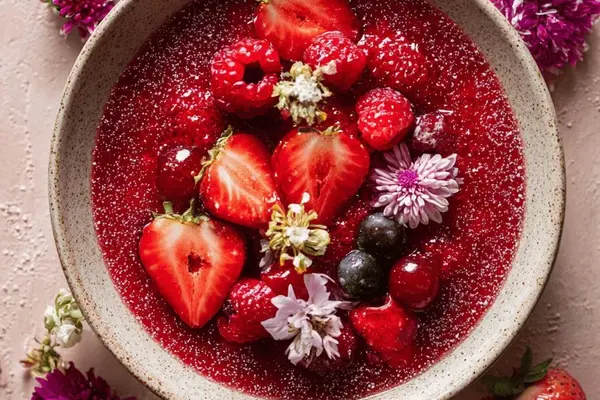
No-Cook Strawberry Jam with Mixed Berries

Pumpkin Spice Latte Pancakes Recipe
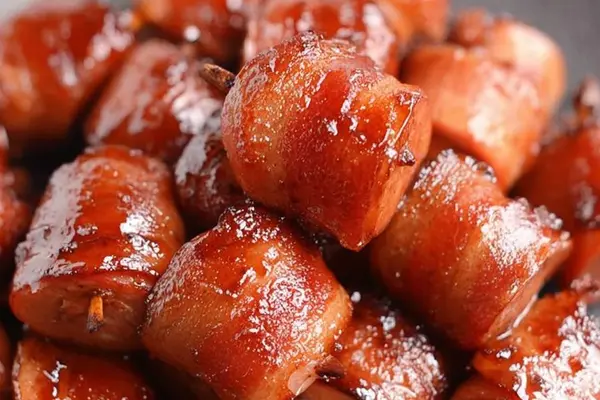
Brown Sugar Bacon Kielbasa Bites Recipe

Sausage Egg Cheese Crescent Rolls
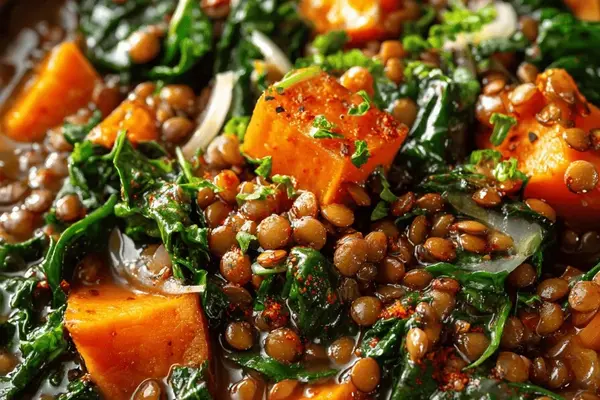
Pressure Cooker Lentil Kale Stew
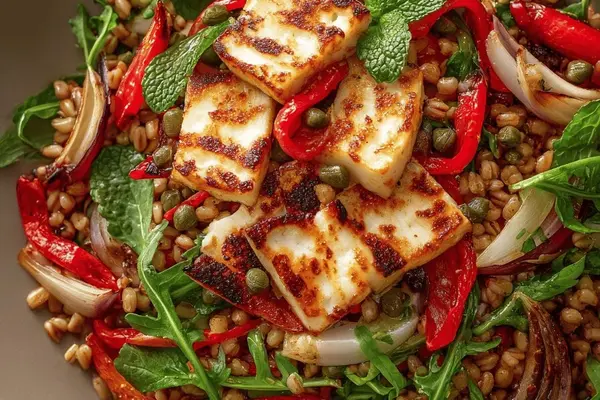
Barley Salad with Halloumi & Roasted Peppers
Pumpkin Parmesan Bites with Smoked Paprika
Noodles With Peanuts and Shrimp

Cookies With Lemon Glaze: Vegan Royal Icing
Beef Stew Recipe with Red Wine & Root Vegetables

Creamy Smoked Sausage Mac and Cheese

Sautéed Shrimp Dishes with Garlic & Sweet Chili

Crispy Phyllo Cheese Poppers with Pancetta
Fruit Skewers with Pineapple & Marshmallows

Layered Patriotic Gelatin Cups Recipe
Dark Chocolate Sea Salt Tart Recipe

Oreo Chocolate Mint Shake with Vanilla Ice Cream