Chicken Alfredo Recipe Heavy Cream
By Emma
Certified Culinary Professional
·
Recipe tested & approved
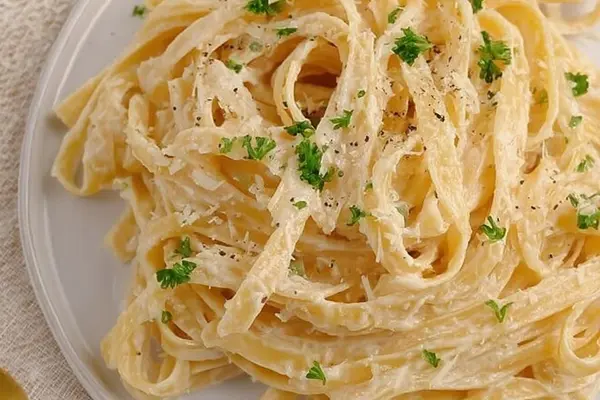
Chicken Alfredo recipe with heavy cream, butter, garlic, and Pecorino Romano. Creamy pasta sauce made fresh and smooth every time.
Prep:
4 min
Cook:
14 min
Total:
18 min
Servings:
4 servings
Butter melts first. Medium heat. Not too fast or it burns, not too slow because you’re hungry and eighteen minutes is already cutting it close.
The foam settles down before garlic goes in—listen for that soft sizzle, the kind that means the pan’s ready. Garlic for three minutes, stirring the whole time. You want translucent. Not brown. Brown is bitter and then you’re starting over, and nobody has time for that.
Why You’ll Love This Chicken Alfredo
Takes eighteen minutes total. That’s actually legit, not a lie food blogs tell you.
Comfort food without the three-hour guilt trip—just cream, cheese, garlic, pasta. Tastes like someone who knows how to cook made it.
One pan. One saucepan. Cleanup isn’t nothing, but it’s fast.
Pecorino’s sharp enough that you don’t need much—a little goes further than Parmesan ever will.
Works as a weeknight dinner or a last-minute thing when someone shows up hungry. Cold pasta the next day somehow tastes better, which makes no sense but happens anyway.
What You Need for Chicken Alfredo
Butter. Five tablespoons. Unsalted. Salted butter means you’re fighting it from the start.
Heavy cream. One and an eighth cups. Not half-and-half. Not milk. Heavy cream. The difference matters more than people think.
Pecorino Romano. Three-quarters cup, shredded fresh. Not the green can. Aged cheese. Fresh shredded means it melts instead of clumping. Pre-shredded powder doesn’t melt—it just gets stringy and gritty.
Garlic. Three large cloves minced fine. Not garlic powder. Not from a jar. Fresh. It changes everything.
Sea salt and black pepper. A teaspoon and a half teaspoon respectively. Pecorino’s salty already so taste it first.
Nutmeg. One-eighth teaspoon grated fresh. Optional but don’t skip it. That’s the thing nobody notices but everybody tastes.
Fettuccine. Twelve ounces cooked. Al dente matters. Soft pasta absorbs the sauce and disappears. You want it to hold itself.
How to Make Chicken Alfredo
Melt the butter over medium heat in a heavy-bottomed saucepan. Wait for the foam to settle—that’s when you know the temperature’s right. Toss in the minced garlic and stir constantly. Three minutes. Watch it go from white to translucent. The second it looks done, it’s about to burn. Get ahead of that.
Pour the cream in slowly. This isn’t a race. Keep stirring or whisking gently. You want tiny bubbles just starting at the edge—not a rolling boil, not stagnant. Three to four minutes. The cream starts thickening slightly, coating the back of a spoon just barely. That’s the sign.
How to Get Chicken Alfredo Sauce Silky and Thick
Shredded Pecorino goes in next, and here’s where people wreck it. Add it slowly while stirring constantly. Use cheese shredded fresh—not yesterday, not this morning. The cold cheese will shock the warm cream if you dump it all at once. Five minutes. Patience. Cheese melts into the cream and the whole sauce transforms. Thin to velvet. No lumps if you do this right.
Keep the heat moderate. If it bubbles hard at the edges or the sauce starts looking oily and separated, it’s too hot. Lower the heat immediately. Cream breaks when it gets angry.
Season carefully. Salt first—but taste it. Pecorino already salted the whole thing. Add black pepper. Then nutmeg. That tiny amount opens up something in the cream that you can’t identify but you taste it.
Chicken Alfredo Tips and Common Mistakes
Drain your pasta al dente. Reserve some pasta water. Off heat, toss the pasta directly in the saucepan with the sauce. Coat every strand. The sauce should cling lightly, not drown.
Too thick? Splash hot pasta water in and stir until it ribbons. One tablespoon at a time. You can always add more water but you can’t take it out.
Sauce breaks and looks oily? Happens. Next time whisk in a teaspoon of cream of tartar or mustard—old tricks from years of tweaks. Helps it emulsify. Or just start over because sometimes the universe wants you to start over.
Leftover sauce reheats on low heat with a splash of cream or broth. Never high. High heat separates it and ruins the whole thing. Garlic flavor gets deeper after sitting in the fridge, but it can mute too. Might need a squeeze of fresh lemon next time.
Want a twist? Fresh basil or parsley stirred in at the end. Toasted pine nuts for texture. Classic but open to small kicks.
Chicken Alfredo Recipe Heavy Cream
Prep:
4 min
Cook:
14 min
Total:
18 min
Servings:
4 servings
Ingredients
- 5 tablespoons unsalted butter
- 3 large garlic cloves minced fine
- 1 1/8 cups heavy cream
- 3/4 cup freshly shredded Pecorino Romano cheese
- 1 teaspoon sea salt
- 1/2 teaspoon freshly ground black pepper
- 1/8 teaspoon finely grated fresh nutmeg optional
- 12 ounces cooked fettuccine pasta
Method
- 1 Start by melting butter over medium heat in a heavy-bottomed pan. The foam settles down before garlic goes in; listen for a soft sizzle, not a fry. Toss in garlic; stir briskly for about 3 minutes till aroma jumps but no browning or bitterness. Garlic should be translucent and tender, not crisp or dark.
- 2 Pour the cream in slow. It doesn’t need to boil, just a gentle simmer with tiny bubbles just beginning on edge. Keep stirring or whisking gently for roughly 3-4 minutes to bring a warmth that starts thickening but still pours. You should see the cream coat the back of a spoon lightly here.
- 3 Add shredded Pecorino slowly, stirring constantly. Use cheese shredded just before starting for best melt. Be patient; cheese takes about 5 minutes to fully incorporate into the cream. Sauce turns from thin to velvet texture without lumps. If texture seems gritty, cheese may be too cold or not fresh enough.
- 4 Season with salt and pepper carefully. Pecorino has salt naturally so taste before adding much. Whisk in a hint of nutmeg if you want that aromatic lift. Keep temperature moderate; if sauce edges bubble too aggressively or grease separates, too hot. Lower heat immediately.
- 5 Drain your pasta al dente; reserve a splash of pasta water just in case sauce needs loosening. Toss pasta directly in saucepan with sauce off heat. Coat every strand with sauce waiting to envelop, not drowning. Sauce sticks lightly. If sauce too thick, splash hot pasta water, stir until ribbon-like, then serve.
- 6 Finish hot with extra Pecorino on top. Fresh cracked pepper optional but really worth it for punch. Serve immediately; sauce thickens as it cools.
- 7 If sauce breaks or looks oily, try whisking in a teaspoon mustard or cream of tartar next time to help emulsify—old tricks from many tweaks. Grated cheese swap with Asiago or Grana Padano for less sharp edge but aged cheese key, not pre-shredded powder.
- 8 Leftover sauce reheats gently on low with splash cream or broth — never high heat to avoid separating. Garlic flavor deepens but can mute after refrigeration.
- 9 For a twist, toss a handful chopped fresh basil or parsley in at the end or sprinkle toasted pine nuts for texture. Classic but open to subtle kicks.
Nutritional information
Calories
580
Protein
21g
Carbs
38g
Fat
42g
Frequently Asked Questions About Chicken Alfredo
Can I use Parmesan instead of Pecorino? You can. It’ll be milder. Pecorino’s sharper so you need less and it tastes more like something. Asiago works too. Grana Padano if you want aged cheese without the edge.
What if my sauce breaks and looks oily? Too hot, probably. Off heat and whisk in a teaspoon of mustard or cream of tartar. Old restaurant trick. Sometimes it saves it. Sometimes you just make a new batch and move on.
Do I actually need nutmeg? Not technically. But nobody notices it’s there and everybody notices when it’s not. Grate it fresh. Tiny amount. Trust it.
How do I keep the sauce from getting too thick? Don’t let it sit. Serve hot. If it thickens before you plate it, splash hot pasta water in—one tablespoon. Stir. Keep stirring. It’ll ribbon again.
Can I make this ahead? Reheat on low heat with a splash of cream or broth. Never high heat. The sauce will separate and get oily. Low and slow. Takes a few minutes but it comes back together.
Is pre-shredded cheese okay? No. Fresh shredded melts. Pre-shredded has cellulose in it so it gets clumpy and gritty instead of smooth. Not worth the two minutes you save.
You’ll Love These Too
Explore all →
Coffee Cake Cake with Olive Oil & Cinnamon
Strawberry Ricotta Cheesecake with Cake Mix
Beef Pasta with Smoked Paprika and Cheddar
Creamy Carrot Soup with Tahini Sauce
Quinoa Chicken Salad with Lemon & Feta

Mulling Spices For Cider With Rum

Roasted Sweet Potatoes with Smoked Gouda
Maple Cheesecake with Candied Bacon Recipe

White Sangria Recipe with Strawberry & Pineapple
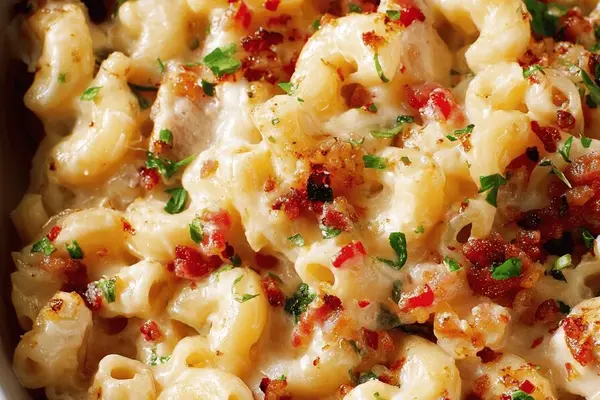
One-Pot Spicy Mac and Cheese with Pancetta
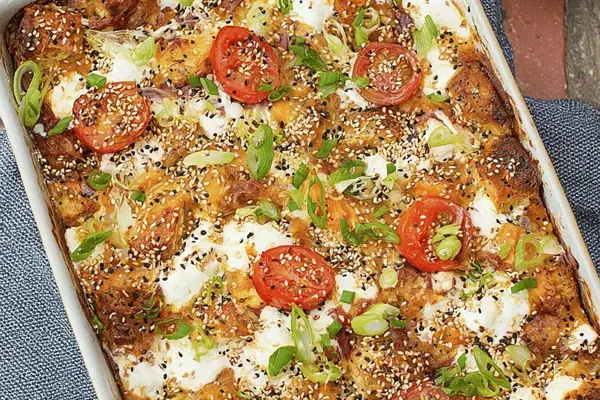
Everything Bagel Breakfast Casserole Recipe

Oreo Mug Cake Recipe: 5-Minute Microwave

One Pot Hamburger Soup with Rice
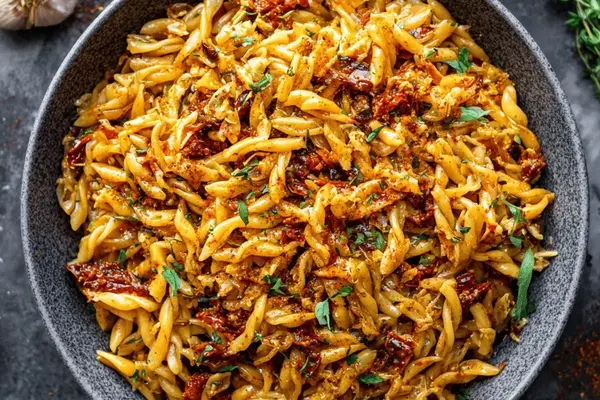
Pasta Jar Mix with Sun-Dried Tomatoes
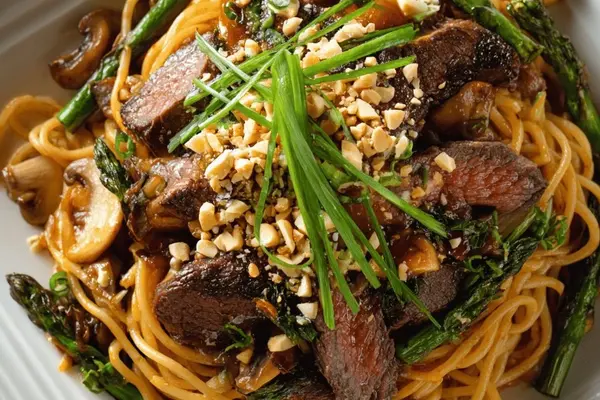
Beef Pasta With Mushrooms & Hoisin
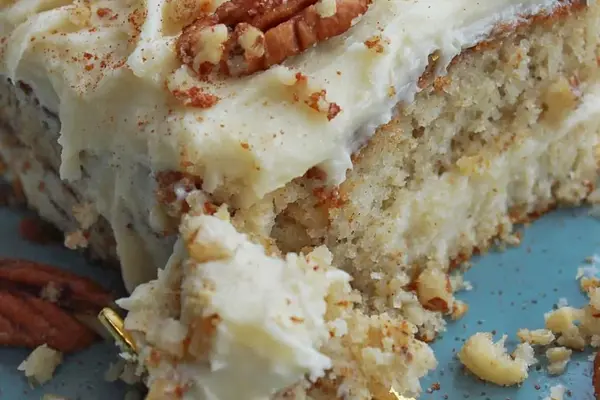
Moist Banana Cinnamon Cake with Cream Cheese

Griddle Corn Cakes with Fresh Kernels
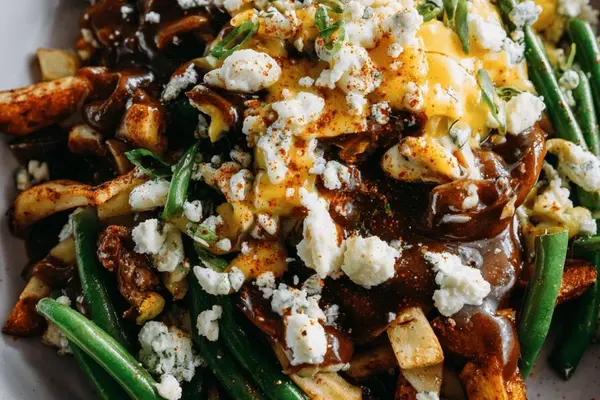
Parsnip Dish with Roasted Root Vegetables
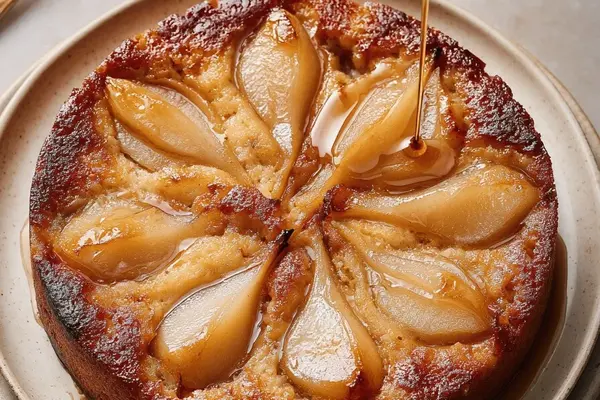
Maple Pear Pudding Upside-Down Cake