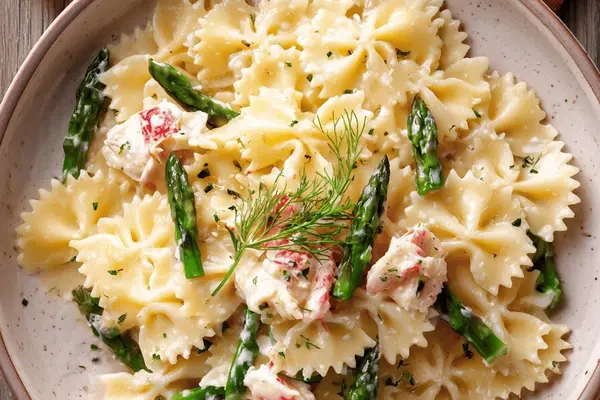
Crab Lemon Asparagus Pasta with Crème Fraîche
By Emma
Certified Culinary Professional
·
Recipe tested & approved
Creamy crab pasta with fresh lemon zest, asparagus, and farfalle in a silky crème fraîche sauce. White wine and chicken broth add depth to this elegant seafood dish.
Prep:
25 min
Cook:
25 min
Total:
50 min
Servings:
4 servings
Pot of salted water goes on. While it heats, you’re really just melting butter and waiting for shallots to soften—the crab comes in at the end, the asparagus does most of the work. Fifty minutes total, but thirty of that is just pasta boiling and you standing there doing nothing.
Why You’ll Love This Crab Lemon Asparagus Pasta
Takes 25 minutes of actual work, then you’re eating. Seafood pasta without the fussy feeling—crab doesn’t need much, just bright lemon and butter to get out of the way.
Asparagus stays snappy instead of turning to mush. That snap matters. It’s the whole thing.
Works cold the next day too, kind of. Reheat it gently and it’s fine.
No cream sauce that breaks if you look at it wrong. Crème fraîche is stable, forgiving. White wine does the heavy lifting.
What You Need for Creamy Lemon Crab Pasta
Farfalle. The bow-ties catch sauce in the folds. Regular penne works but doesn’t grab as much. Skip linguine—slips right through.
Fresh asparagus. Not frozen. Frozen loses that snap you’re after. Cut them into 3-centimeter pieces so they cook even—thin spears cook faster, thick ones need a minute more, which is annoying.
Shallots. Two medium ones, chopped fine. They soften into nothing, which is the point. Garlic too—four cloves, minced small. Neither should brown. Low heat matters here.
Unsalted butter. Three tablespoons. Ghee works if you have it. Olive oil doesn’t do this right.
White wine. Dry, something you’d drink. The cheap stuff is actually fine—you’re boiling off the cheap-tasting part anyway. Half a cup. It reduces down to almost nothing and concentrates the flavor.
Crab. Fresh is better. Canned works, you just have to pat it dry or the sauce goes watery. Two cans if you can’t get fresh.
Crème fraîche instead of mascarpone. Brighter taste. Mascarpone’s richer but heavier. Crème fraîche keeps the lemon from getting lost.
Lemon zest. One lemon. Fresh thyme if you have it—half a teaspoon, chopped. Not dried. Dried thyme tastes like nothing here.
Chicken or vegetable broth. Two cups. Store-bought is fine.
How to Make Crab Pasta With Asparagus
Get your water going. Big pot, salted heavy—it should taste like the sea. While it boils, start the skillet.
Medium heat. Melt the butter. Shallots go in first. You’re watching for them to turn translucent and soft, maybe three to five minutes. They should smell sweet by then, almost caramelized but not—that’s the difference. If they start browning at the edges, turn the heat down. No rush.
Garlic goes in after. One minute, maybe two. Just until it smells sharp and good. Not burned. The smell changes fast.
Pour the white wine in. It should bubble immediately. Let it sit there and reduce. You’re waiting for it to go almost dry—most of the liquid gone, just a glaze at the bottom. This takes maybe three or four minutes. You’re concentrating everything, getting rid of the thin taste.
Broth goes in now. Add the asparagus too. Bring it to a boil, then drop to a simmer. No lid. Watch the asparagus turn bright green—that’s when you start counting. Seven to nine minutes usually, but it depends. Poke a piece with a fork. Should give a little but still resist. That snap is what you came for.
How to Get Lemon Crab Pasta Bright and Creamy
Off heat. This matters. Crème fraîche can break if it’s boiling, so stop the heat first.
Stir in the crème fraîche, the lemon zest, the thyme. Mix it until the sauce looks smooth and pale. Taste it now. It should taste tangy and herbal and creamy all at once. If it tastes flat, salt it. If it tastes too sharp, add a pinch more salt—salt rounds out acid somehow. Black pepper. Not much. Just enough to see.
Now the crab. Fold it in gently. If you have fresh crab, this warms it through in like a minute. If it’s canned, pat it dry first on paper towels—wet crab means watery sauce, and that ruins it. Flaked crab breaks apart if you stir too hard, so be careful. Mix just enough to spread it around.
Pasta goes in. Toss it with the sauce, make sure every piece gets coated. The sauce might look thick now. That’s okay. Reserved pasta water—the starchy stuff—splashes in a little at a time. Toss between splashes. The starch helps the sauce grip the pasta instead of sliding off. You want it to look like the pasta’s actually wearing the sauce, not swimming in it.
Taste again. Add more salt if it needs it. Squeeze of lemon if it’s too creamy. Serve right now while it’s hot.
Seafood Pasta Tips and Avoiding Mistakes
The biggest mistake is letting crab overcook. Fresh crab only needs heat through. Already cooked if it’s from the market. Canned is already cooked too. You’re just warming it. Two minutes too long and it gets stringy and tough.
If you use mascarpone instead of crème fraîche, know it’s richer. Not wrong, just different. The lemon gets buried a bit more. Works fine either way.
Asparagus thickness matters more than you think. Thin spears—five minutes. Thick ones—up to ten. The fork test is more reliable than the clock. Push it gently. Should give without snapping.
Wine reduction step—don’t skip it. That’s where the depth comes from. If you skip it, it tastes thin and boozy. Patience here.
Pasta water. Save it. The starch is the invisible thing that makes this work. Regular water doesn’t do it. The starch grabs the sauce.
Crème fraîche over heavy cream. Heavy cream works, but crème fraîche tastes better—tangier, less flat. The lemon stays in front.
Cold leftovers. Reheat gently on low heat with a splash of broth or cream. The crab will toughen if you get it too hot. Spend an extra minute letting it warm through instead of blasting it.
Crab Lemon Asparagus Pasta with Crème Fraîche
Prep:
25 min
Cook:
25 min
Total:
50 min
Servings:
4 servings
Ingredients
- 375 g (13 oz) farfalle or bow-tie pasta
- 2 medium shallots, finely chopped
- 4 cloves garlic, minced
- 40 g (about 3 tbsp) unsalted butter
- 125 ml (1/2 cup) dry white wine
- 500 ml (2 cups) chicken or vegetable broth
- 650 g (1 1/2 lb) asparagus, trimmed and cut into 3 cm pieces
- 180 ml (3/4 cup) crème fraîche
- Zest of 1 lemon
- 2.5 ml (1/2 tsp) fresh thyme leaves, chopped
- 225 g (1/2 lb) fresh crab meat or 2 cans (120 g/4 oz each) crab chunks, drained
- Salt and freshly ground black pepper
- Olive oil (for tossing pasta and finishing)
Method
- 1 Bring large pot of salted water to boil. Cook farfalle until al dente—firm but tender, a bite to it. Drain, reserve 125 ml (1/2 cup) pasta water. A drizzle of olive oil to stop sticking; set aside.
- 2 Melt butter over medium heat in a large skillet. Add chopped shallots and garlic. Must soften but never brown. The smell should become sweet and inviting within 3–5 minutes; if browning, lower heat. Patience here builds a mellow base.
- 3 Pour in white wine. Let it bubble, reduce to nearly dry—concentrates flavor, lifts the sauce. This step is key to avoid a watery dish.
- 4 Add broth and chopped asparagus. Bring to boil, then simmer uncovered. Watch for asparagus to turn bright green and become tender but still with snap. Usually 7–9 minutes. This timing can vary if spears are very thick or thin—poke with fork, should pierce with slight resistance.
- 5 Off heat, stir in crème fraîche, lemon zest, thyme. Taste now. The sauce should be tangy, herbal, creamy. Adjust with salt and freshly ground pepper. Creaminess from crème fraîche replaces mascarpone’s texture but gives a brighter note. If mascarpone preferred, can swap back.
- 6 Gently fold in crab meat last. Crab warms through quickly. Be gentle to keep flakes intact. If canned crab—pat dry well to avoid watery sauce. Fresh crab must be cooked or warmed just enough to keep tender.
- 7 Add noodles to skillet, toss carefully with sauce to coat evenly. If sauce feels thick, splash reserved pasta water little by little to loosen. The starch from the pasta water helps sauce cling to noodles.
- 8 Taste again. Adjust seasoning if needed. Serve immediately. Optionally finish with drizzle of olive oil or squeeze of lemon juice for brightness.
- 9 Leftovers: reheat gently; crab meat can toughen if overheated. Add splash of broth or cream to revive sauce.
Nutritional information
Calories
460
Protein
30g
Carbs
50g
Fat
18g
Frequently Asked Questions About Lemon Crab Pasta
Can you make this with frozen asparagus? Not really. Frozen loses the snap and gets mushy. Fresh matters here. It’s the contrast between the creamy sauce and the crisp vegetable. Frozen defeats that.
What if you don’t have white wine? Dry vermouth works. Even chicken broth works if you add a squeeze of lemon juice to get some acidity going. The wine reduces to almost nothing anyway, so you’re mostly after the flavor it leaves behind. Skip it entirely and the sauce tastes flat.
How do you know when the asparagus is done? Color first—it’ll go bright green almost suddenly. Then the fork test. Poke a piece. Should give a little but still have resistance. That snap when you bite it. If it’s soft all the way through, it cooked too long.
Is the crab meat raw or cooked? Cooked. If you buy it fresh from the market it’s already cooked. Canned is cooked. You’re just heating it through to warm it up. Fresh crab meat from the fishmonger is delicate—handle it gently or it falls apart into dust.
Can you swap the crème fraîche for something else? Mascarpone works but it’s richer and the lemon disappears. Heavy cream works but tastes heavier. Crème fraîche is the best choice because of the tang. Don’t use sour cream—it breaks when it gets warm.
How long does it keep? Three days in the fridge, covered. Reheat gently on low heat. Add a splash of broth or cream because the sauce tightens up as it cools. Eat it cold if you want—it’s actually decent that way, though not quite as good.
You’ll Love These Too
Explore all →
Sausage Shrimp Jambalaya Recipe One Pot
Velveeta Cheese Dip With Chorizo
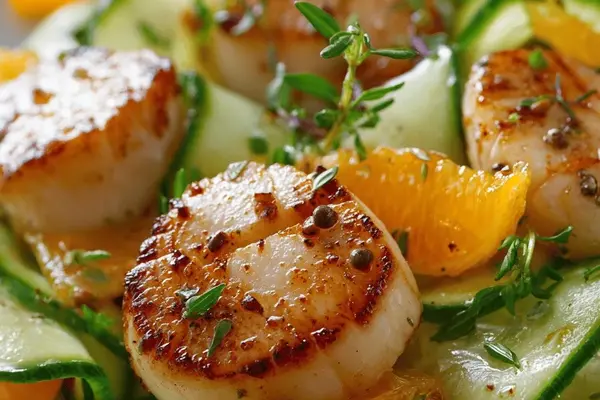
Seared Scallop Orange Salad with Tulip Petals

Caramelized Pear Hand Pies with Vanilla
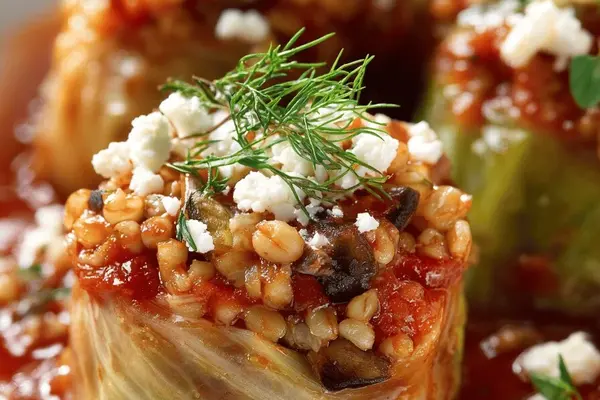
Barley Cabbage Rolls with Mushrooms & Feta

Shredded Tofu Sliders with Maple Chipotle
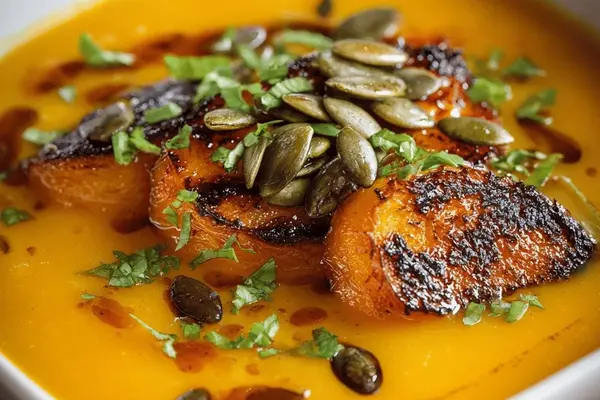
Roasted Spiced Squash Soup with Pumpkin Seeds

Curry Omelette Breakfast Sandwich Recipe
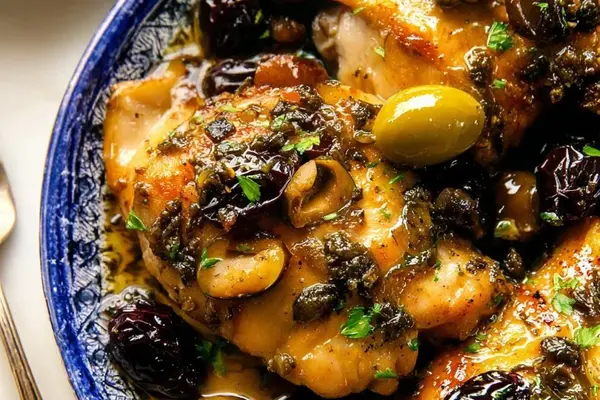
Chicken Marbella Recipe with Olives & Prunes
Honey Baked Ham with Brown Sugar Glaze
Oyster Gratin with Citrus Hollandaise

No Baking Cookies with Oats & White Chocolate
Graham Cracker Crust Recipe with Browned Butter

Deviled Eggs Recipe with Crispy Bacon

Ginger Pork Stir-Fry with Lime & Bok Choy
Herbed Asparagus Omelette with Manchego
Bacon Cheese Ball with Ranch & Walnuts
Caramelized Shallot Dip with Greek Yogurt
No Bake Cheesecake with Cream Cheese