Beef Carpaccio with Coffee Crust
By Emma
Certified Culinary Professional
·
Recipe tested & approved
Sear the edges first—that’s the whole trick. Coffee goes in the spice mix, not anywhere else. Three hours minimum in the freezer or the slices fall apart.
Why You’ll Love This Coffee Crusted Beef Carpaccio
Takes 15 minutes of actual work. Most of it’s just waiting. The coffee flavor doesn’t taste like coffee—it tastes savory in a way people can’t quite name, which is the point.
One bowl. One skillet. No sauce stress because Dijon mustard does the work for you.
Serves a crowd without heating up the kitchen. Slice it thin, plate it cold, done before anyone’s coat is off.
The spice crust cracks when you bite it. Silky beef underneath. That contrast is what makes it work. Hard to mess up once you freeze it right.
What You Need for Coffee Spiced Tenderloin
Beef tenderloin center cut—one pound, no substitutes here. The muscle matters. Cheaper cuts don’t slice thin enough.
Coffee beans, ground fine. Not espresso powder, actual ground coffee. The texture is different and that matters for the crust.
Garlic powder. Kosher salt. Smoked paprika—the smoked part. Not regular. Brown sugar or coconut sugar works. They caramelize the same way.
Canola oil. Grapeseed works too. Not olive. Burns too fast at the heat you need.
Dijon mustard for drizzling. Fresh black pepper and coarse sea salt for finishing. That’s it.
How to Make Coffee Garlic Beef Carpaccio
Mix the coffee, garlic powder, paprika, kosher salt, and brown sugar in a small bowl first. Stir it until it looks even. The coffee shouldn’t dominate—it should sit there quietly under everything else. You’ll know it’s right when you can’t immediately pick out one flavor.
Pat the beef completely dry with paper towels. This matters more than you’d think. Wet meat doesn’t hold spice. Rub the spice mix all over it, pressing hard so it sticks. The crust has to adhere. Work it in with your fingers until the whole surface is covered and dark.
Heat a skillet on medium-high. Get it hot enough that the oil shimmers and just barely starts to smoke. Sear the tenderloin on the edges only—not the flat sides where the meat is. Turn it constantly. Every 30 seconds or so. The goal is even color, not a dark crust all at once. Watch for the coffee aroma. When it smells done, it usually is. The sugar should go light brown and glossy. Not black. Not burnt.
Four to five minutes total. That’s the window. Don’t overcook it. The inside stays completely raw—that’s the whole point of carpaccio.
How to Get Beef Carpaccio Paper Thin With a Coffee Crust
Pull the beef out of the pan and let it cool just enough to handle. Still warm. This is important. While it’s still warm, wrap it tightly in plastic wrap. Twist the ends like you’re wrapping a candy. Do it three times in different directions. This creates pressure that locks the shape and keeps freezer burn out.
Freeze it for at least three hours. Not more than 25 hours. The freezing firms up the meat so you can slice it paper-thin without it tearing or turning mushy. This step is non-negotiable. You can’t make carpaccio without it.
When you’re ready to slice, take it out of the freezer. Unwrap it slowly—don’t let condensation drip on the surface. Let it sit at room temperature for exactly 25 minutes max. Too warm and the slices lose their shape. Too cold and the knife drags and tears the meat.
Use a long sharp knife or a mandoline if you have one. Slice as thin as you can. Thinner than feels right. The meat should be translucent. Layer the slices on a plate lined with plastic wrap, then wrap the whole plate tight and freeze again until you serve it.
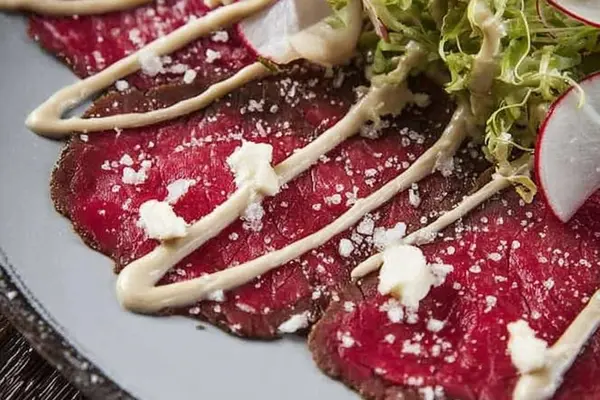
Ten minutes before plating, pull the slices out. Drizzle the Dijon mustard sauce over them. Grind fresh black pepper on top. Add coarse sea salt. The crust should snap when you bite it. The meat should be silky. The temperature should stay cold.
Serve immediately. The longer it sits out, the faster that texture falls apart.
Seared Tenderloin With Coffee Crust Tips and Common Mistakes
Don’t skip the paper towels. Wet beef rejects the spice. You end up with a patchy, uneven crust.
Don’t overdo the coffee. It’s supposed to be there, not loud. If you taste coffee first, use less next time.
The sear is short. Four minutes. People always go longer. The edges should be a specific tan color—like dark honey. Not black. If it burns, the coffee tastes bitter and ruins the whole thing.
Don’t slice it warm. You’ll get mush. The freezing is what makes this work. It’s not a shortcut or a preference. It’s the method.
Don’t unwrap it and let it sit. Condensation kills the crust. Unwrap, slice immediately, freeze on the plate until service. That’s the sequence.
The Dijon mustard sauce is crucial. It cuts through the richness of the raw beef and the salt of the crust. Without it, the dish tastes flat.
Beef Carpaccio with Coffee Crust
Prep:
10 min
Cook:
5 min
Total:
15 min
Servings:
4 servings
Ingredients
- 1 pound beef tenderloin center cut
- 2 tablespoons finely ground coffee beans
- 1 teaspoon garlic powder
- 1 teaspoon smoked paprika
- 1 1/2 teaspoons kosher salt
- 2 teaspoons brown sugar (or coconut sugar)
- 1 tablespoon canola oil (sub grapeseed oil)
- Dijon mustard sauce for drizzling (recipe below)
- Freshly ground black pepper
- Coarse sea salt
Method
- 1 Mix ground coffee, garlic powder, smoked paprika, kosher salt, and brown sugar in small bowl. Aim for balance so coffee doesn't dominate but still stands out.
- 2 Pat dry beef tenderloin with paper towels. Rub spice mix all over thoroughly, pressing in firmly so it forms an adhered crust. Skip wet hands; dry hands get the spice to cling better.
- 3 Heat skillet on medium-high until oil shimmers just before smoke point. Sear tenderloin edges only. Turn frequently for even caramelization. Look for coffee aroma rising and sugar changes to a light caramel shade—not burnt black spots. Should take about 4-5 minutes. Resist temptation to overcook meat here.
- 4 Remove beef from pan. Let sit til cool enough to handle but still warm to the touch. Wrap tightly in plastic wrap, twisting ends like candy, 3 times in alternating directions. This tight wrap is critical to avoid freezer burn and lock in shape.
- 5 Freeze wrapped tenderloin for at least 3 hours but no more than 25. Freezing firms beef for razor-thin slices. Don’t skip this or slices turn mushy or tear.
- 6 When ready, take out from freezer, unwrap carefully to avoid moisture buildup. Let sit 25 minutes max at room temp. Too warm and slices won’t hold shape; too cold and knife drags.
- 7 Use a very sharp long slicer or mandoline held steady. Slice as paper-thin as possible. Err on thinner than you think. Layer slices on plate lined with plastic. Wrap plate tightly and freeze again until serving time.
- 8 At serving, remove slices about 10 minutes before plating. Drizzle Dijon mustard sauce liberally. Grind fresh black pepper and sprinkle coarse sea salt on top.
- 9 Serve immediately. Carpaccio texture should be silky with a slight crisp from spice crust. Any longer thaw means mushiness and loss of that contrast between crust and raw center.
Nutritional information
Calories
250
Protein
28g
Carbs
3g
Fat
14g
Frequently Asked Questions About Beef Tenderloin Carpaccio
Can I use a different cut of beef? Not really. Tenderloin is tender enough to slice paper-thin without shattering. Cheaper cuts are too fibrous. They tear instead of slice.
How long does the beef carpaccio keep in the freezer? Wrapped tight like that, about a week before the quality drops. The plastic wrap keeps freezer burn out, but it still happens eventually.
Can I make this ahead for a party? Yes. Slice it, plate it on plastic-lined dishes, wrap tight, freeze until two hours before guests arrive. Pull it out, let it sit 10 minutes, add the mustard and salt. That’s why it works as an easy party appetizer—you do all the work the day before.
What if I don’t have a mandoline? A very sharp long knife works. It’s slower and takes more focus, but it works. The knife has to be sharp enough to glide through without dragging. Dull knife means torn meat.
Can I skip the freezer step? No. The freezing firms the meat so you can slice it thin without it falling apart. Warm beef turns to mush when you try to slice it that thin.
Why is coarse sea salt different from kosher salt here? Kosher salt goes in the spice rub and dissolves. Sea salt sits on top as a finishing salt. You feel the crystals. It gives texture. Different job.
You’ll Love These Too
Explore all →
Thai Peanut Noodles with Tahini Sauce
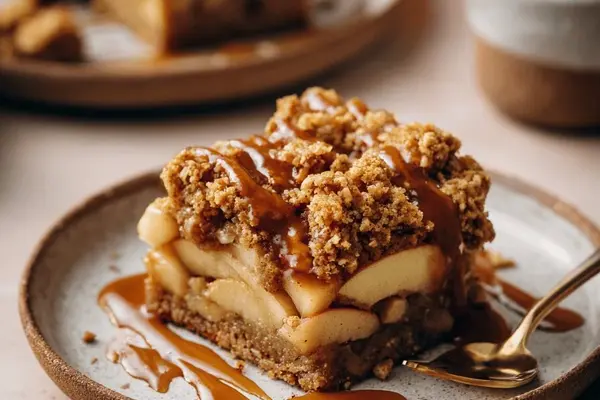
Apple Crumble Bars with Oats & Cinnamon
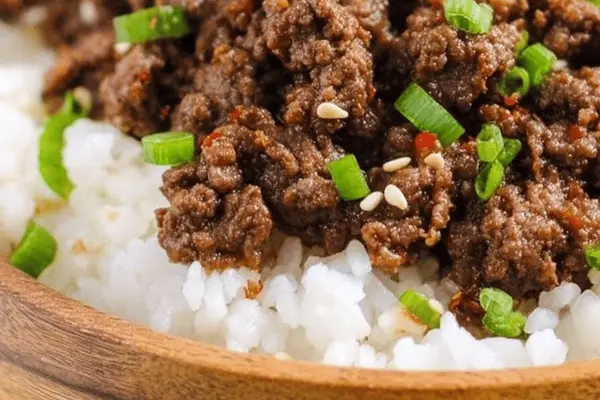
Korean Beef Bowl with Sesame Oil & Soy

Chunky Mulled Apple Cider with Fennel Seeds
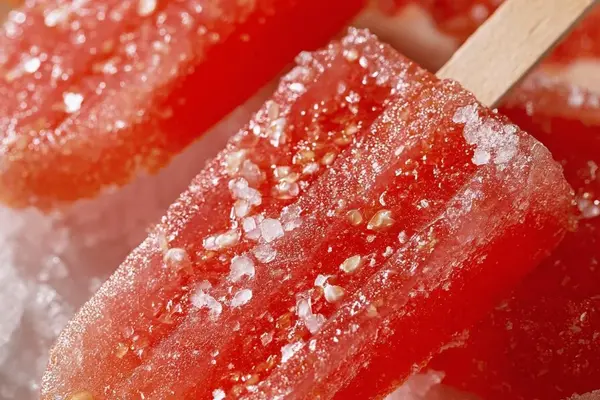
Grapefruit Syrup Snow Candy on Sticks
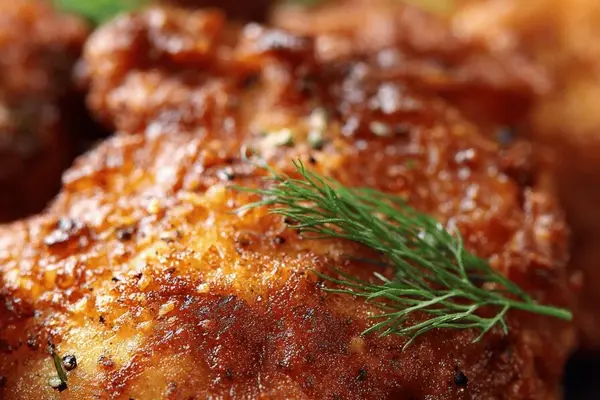
Crispy Beer-Battered Chicken Thighs with Dill Pickle
Cranberry and White Chocolate Bread
Crunchy Broccoli Salad with Pancetta
Chocolate Swirl Babka with Espresso
Italian Sub Sandwich with Genoa and Calabrese Salami
Maple Curry Pork Chops with Roasted Squash
Cakes With Coconut: Easy Vanilla Cake
Plum Cherry Shortcakes with Maple Whipped Cream
Chuck Hughes Antipasto with Artichokes
Pesto Pine Nut Grilled Cheese with Jarlsberg
Grilled Chicken Breasts with Honey Soy Marinade
Mexican Corn Salad with Avocado
Salmon Mango Tartare with Curry Yogurt Sauce
Cheddar Walnut Cheese Ball Recipe