Thai Kitchen Curry Paste Red Sauce
By Emma
Certified Culinary Professional
·
Recipe tested & approved
Six minutes. That’s it. And you get a Thai red curry sauce that tastes like it simmered for hours.
Why You’ll Love This Thai Red Curry Paste
Takes basically no time — you’re just mixing things in a bowl. No cooking. Actual coconut milk means it’s creamy, not thin like store-bought versions. Spice level is totally adjustable. Started too hot? Add more coconut milk. Tastes flat? Lime and sugar fix it instantly. Works cold or warm. Keeps for days. One bowl to wash.
What You Need for Thai Red Curry Sauce Recipe
Canned coconut milk — full fat. The kind with actual cream on top. Don’t use light. Tamari instead of soy sauce because it’s less aggressive. Fresh lime juice. Brown sugar because it has molasses undertone that regular white sugar doesn’t. Fenugreek seed powder or toast your own seeds first — toasted tastes nutty instead of bitter. Red curry paste. Fresh ginger, not the powdered stuff. Salt.
How to Make Thai Red Curry Sauce
Pour the coconut milk into a bowl first. The whole can. Stir in tamari gently — you don’t want to break up the cream that settles on top. Add lime juice. Then brown sugar. The fenugreek goes in next but toast it first if you’re using whole seeds. One to two minutes in a dry pan. Watch it though. Burns fast. Really fast.
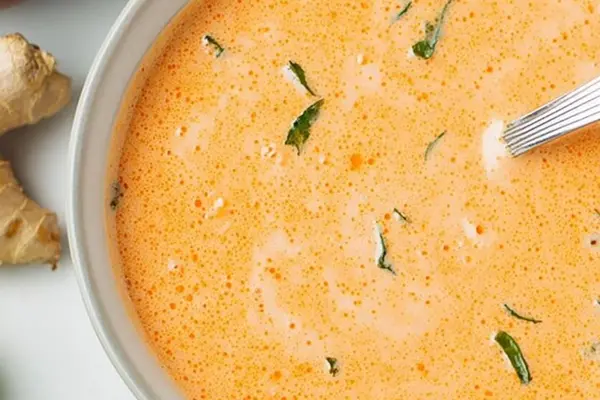
Last thing — ginger and curry paste. Add these last because they release their oils quick and you want them fresh. Stir it all together until it’s uniform. Should look pale orange with specks of fenugreek throughout. Silky texture. Not watery.
How to Get Thai Red Curry Paste Thick and Balanced
Refrigerate it for at least 30 minutes. The flavors actually need this time to sit together. Curry paste oils bloom. Fenugreek bitterness mellows out from the lime. The whole thing thickens slightly.
Before you serve it, taste. If the lime is too sharp, add a tiny splash more coconut milk. If the sweetness is off, pinch more sugar. If it’s too spicy — which it might be depending on your paste — coconut milk tames it down. Not all red pastes are the same level of heat. The thickness should coat the back of a spoon without dripping immediately. Watery sauce means diluted flavor. Add coconut milk slowly if you need to fix consistency.
Thai Red Curry Sauce Tips and Common Mistakes
Separate the cream from the coconut milk first if you want extra richness. Just spoon that thick part into your bowl before adding the rest. Some people do this. Some don’t. Both work.
Don’t skip the 30-minute rest. I know you’re in a hurry. The flavor gets noticeably better. The bitterness from curry paste and fenugreek actually disappears when they sit in the lime and coconut milk.
Store it in the fridge. It keeps four days, maybe five. It will separate when cold — that’s normal. Stir it again before serving. If it gets too thick after a couple days, a splash of lime juice or tamari wakes it back up and loosens it.
Use this on grilled chicken, fish, vegetables, rice. Cold or room temperature. Works over everything basically. Most people use it as a condiment for proteins but it’s equally good as a sauce for rice or vegetables.
Thai Kitchen Curry Paste Red Sauce
Prep:
6 min
Cook:
0 min
Total:
6 min
Servings:
1 serving
Ingredients
- ½ cup canned coconut milk (full fat for richness)
- 1 teaspoon tamari (as a soy sauce substitute, less salty)
- 1 tablespoon lime juice (fresh squeezed, tart brightness)
- 1 teaspoon brown sugar (packs a molasses undertone)
- ¼ teaspoon fenugreek seed powder (swap for mustard seed powder; toast seeds first for nutty aroma)
- 1½ teaspoons red curry paste (adjust if spice-sensitive; I back off to 1 tsp sometimes)
- ¼ teaspoon freshly grated ginger (not powdered; zest and snap)
- Pinch salt
Method
- Mix Ingredients
- 1 Start with coconut milk in a medium bowl; whole canned variety crucial for creamy texture. Pour tamari next; stir gently to avoid breaking coconut cream. Add lime juice, brown sugar, fenugreek powder—this twist replaces original mustard powder, and seeds must be toasted in dry pan 1–2 minutes beforehand to unlock aroma (watch closely; burns fast). Add grated ginger and curry paste last; these two release oils quickly, best stirred in now.
- Whisk and Rest
- 2 Whisk all components vigorously until uniform texture forms; pale orange hue with specks of fenugreek and curry. Should feel silky, not runny. Refrigerate minimum 30 minutes or until cold and slightly thickened. This helps flavors meld; curry paste oils bloom, fenugreek bitterness mellowed by lime tang.
- Taste and Adjust
- 3 Before serving, sniff for brightness and spice. If sharpness of lime bites too much, balance with tiny splash more coconut milk. Sweetness tweakable with pinch more sugar if curry paste heat is bold. Thickness perfect if sauce coats back of spoon without dripping quickly. Avoid watery—dilution dulls flavors; instead add coconut milk slowly to fix consistency.
- Use and Store
- 4 Serve cold or room temp over grilled meats, veggies, or rice. Keeps refrigerated up to 4 days; re-whisk before use as separation occurs. If paste thickens after storage, small splash tamari or lime juice wakes it up.
Nutritional information
Calories
110
Protein
1g
Carbs
6g
Fat
9g
Frequently Asked Questions About Thai Red Curry Sauce
Can I use lite coconut milk? No. The whole sauce depends on that richness. Lite milk makes it thin and tastes like nothing.
What if my red curry paste is super spicy? Back off to one teaspoon instead of 1½. You can always add more. Can’t really take it out. Also depends on the brand. Some Thai Kitchen pastes run hotter than others. Start conservative.
Does this work as a marinade for fish? Yeah. Twenty minutes minimum though. Fish red curry works better when it sits with the sauce before cooking.
Can I make this ahead? Six minutes to make it. Store it in the fridge up to four days. Stir before serving because it separates.
What if I don’t have brown sugar? Regular sugar works. You lose the molasses note but it’s still good. Honey also works. Use less though — maybe three quarters of a teaspoon.
Do I really need fresh ginger? Yes. Powdered ginger tastes like nothing here. Fresh ginger has snap that this sauce needs. Half a teaspoon of fresh ginger. That’s enough.
Is this actually a Thai kitchen sauce recipe or homemade? Homemade. Uses Thai Kitchen brand curry paste but that’s an ingredient, not the whole thing. The coconut milk and lime and fenugreek change everything. Store-bought versions don’t have that toasted fenugreek or the fresh ginger.
You’ll Love These Too
Explore all →
Rustic Meat Pâté with Pork and Celeriac

Butternut Squash Rigatoni Gratin with Leek

Chicken Broccoli Tortellini with Cheese
Homemade Reese's Peanut Butter Cups Recipe
Collard Greens Recipe with Smoked Turkey
Caramelized Figs with Greek Yogurt & Honey

Wild Berry Pop Tarts with Ginger Crust

Beef Burger Recipe with Chipotle Cheese

Blueberry Muffins with Yogurt and Honey
Ham With Apricot Glaze Recipe
Herbed Creamy Potato Salad with Basil Pesto

Layered Patriotic Gelatin Cups Recipe

Cream Wafers with Vanilla Buttercream

Cornbread Salad with Chickpeas & Bacon

Limoncello Spritz Cocktail Recipe
Mexican Salsa Verde with Serrano Peppers

Crispy Cod Burger with Wasabi Mayo & Fried Pickles
Grilled Beef Fillet with Garlic Butter Mushrooms

Mint Chocolate Crisps with Peppermint Extract