
Oatmeal Chocolate Chip Cookies Recipe
By Emma
Certified Culinary Professional
·
Recipe tested & approved
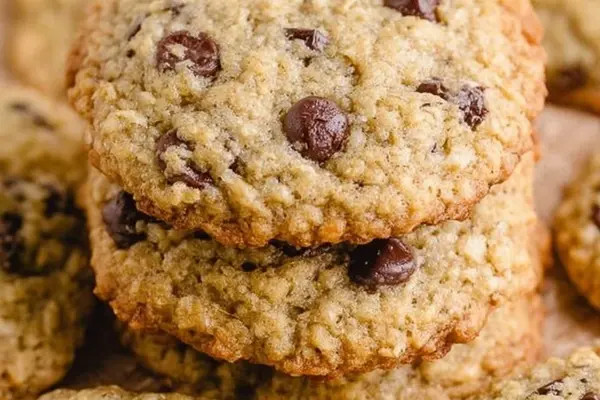
Chewy oatmeal chocolate chip cookies made with old-fashioned oats, brown sugar, and maple syrup. Soft centers with crispy edges. Make it tonight.
Prep:
20 min
Cook:
12 min
Total:
57 min
Servings:
20 servings
Cut the butter into chunks first. Soften it properly—not melted, not cold. Room temperature takes maybe an hour if your kitchen’s warm enough. Brown sugar, granulated sugar, eggs, maple syrup instead of vanilla because it tastes better. That’s the whole setup.
Why You’ll Love These Oatmeal Chocolate Chip Cookies
Warm straight from the oven and they’re still soft in the middle. Works as comfort food that doesn’t feel heavy. Chocolate chunks stay chunky—not melted into dust like chips sometimes do. The cinnamon and maple syrup hit different. Not complicated but tastes like you spent way more time than you did. Prep takes 20 minutes. Bake takes 12. Cold dough is the only trick.
What You Need for Chocolate Chip and Oatmeal Cookies
A cup of unsalted butter softened. Half cup packed brown sugar and half cup regular sugar—brown sugar adds chew, the other half keeps them from being dense. Two eggs. Two teaspoons of maple syrup instead of vanilla. Flour, old-fashioned rolled oats, salt, cinnamon instead of baking powder which changes everything, baking soda. One and a half cups of chocolate chunks. Semi-sweet works. Dark chocolate chips work too if that’s what you have.
How to Make Oatmeal Chocolate Chip Cookies
Set the oven to 345. Line your sheets with parchment or silicone mats. Beat the softened butter and both sugars together until it looks creamy but stop before you add too much air—just until it’s combined. Don’t overbeat it. Mix in the eggs one at a time, then pour the maple syrup straight in. Beat until the batter thickens slightly. It’ll look a bit fluffy but that’s right.
Whisk the flour, oats, salt, cinnamon, and baking soda in another bowl. Do this separately so everything distributes evenly. Fold the dry mix into the wet stuff slowly. Low speed on the mixer or use a wooden spoon. Get all the stubborn bits incorporated but don’t overmix—that’s when things get tough. Fold in the chocolate chunks last so they stay chunky. You want pockets of chocolate, not pulverized pieces.
How to Get Chocolate Chunk Oat Cookies Perfect
Cover the dough bowl and refrigerate 35 minutes minimum. This is where people skip steps and regret it. Cold dough firms up. Makes scooping actually manageable and it won’t spread all over the sheet. Non-negotiable. Scoop rounded balls onto the trays with about an inch and a half between them. Press each one gently just to flatten the tops a bit—helps them bake evenly. Bake about 12 minutes. Watch the edges. Golden means they’re close. Centers should feel set but springy when you touch them lightly. They keep cooking after they come out. Cool them on the sheet for three to four minutes before moving to a rack. If you pull them off too soon they fall apart. If you wait longer they firm up while cooling and move easier.
Oatmeal Chocolate Chip Cookie Recipe Tips and Common Mistakes
Dough too soft after chilling? Add a tablespoon of flour and mix it in. Butter was too warm to start? Stick it back in the fridge for 10 or 15 minutes. Brown sugar versus granulated—honestly interchangeable but brown adds chew so use more of it if you like that. The chunks matter. Actual chunks, not chips. Chips disappear into cookies. Chunks stay present. Maple syrup instead of vanilla is the whole twist here—tastes nothing like regular chocolate chip. That’s intentional. Don’t skip the cinnamon. It sounds weird with chocolate until you taste it then it’s the only way you want it. Cool them all the way before storing or they’ll steam and get soft. Airtight container. Use within three days or freeze them for way longer.
Oatmeal Chocolate Chip Cookies Recipe
Prep:
20 min
Cook:
12 min
Total:
57 min
Servings:
20 servings
Ingredients
- 1 cup unsalted butter softened
- ½ cup light brown sugar packed
- ½ cup granulated sugar
- 2 large eggs
- 2 teaspoons maple syrup instead of vanilla extract for twist
- 1 ½ cups all-purpose flour
- 1 ¼ cups old-fashioned rolled oats
- ½ teaspoon table salt
- ½ teaspoon cinnamon (replacing baking powder)
- ½ teaspoon baking soda
- 1 ½ cups semi-sweet chocolate chunks (sub chocolate chips if preferred)
Method
- 1 Preheat oven 345°F. Line baking sheets with parchment paper or silicone mats.
- 2 In large bowl, beat butter and both sugars until blend creamy but don’t overbeat or add air—just combined.
- 3 Mix in eggs one at a time, then pour in maple syrup; beating till batter thickens slightly and becomes fluffy-ish.
- 4 Whisk together flour, oats, salt, cinnamon, and baking soda separately to distribute evenly.
- 5 Gradually fold dry into wet mixture. Use mixer low or wooden spoon: get all dry stubborn bits incorporated but not overmixing.
- 6 Fold in chocolate chunks last—don’t pulverize them; chunky bits add surprise pockets.
- 7 Cover bowl with plastic wrap tight, refrigerate 35 minutes minimum. Dough firms up—makes scooping manageable and prevents spreading.
- 8 Scoop rounded dough balls onto trays with about 1 ½ inches gap. Press each gently just to flatten tops, helps bake evenly.
- 9 Bake about 12 minutes. Watch edges golden and centers set but springy when touched lightly—cookies continue setting out of oven.
- 10 Cool 3-4 minutes on sheet before transferring to rack. Avoid immediate removal, they firm up while cooling.
- 11 Serve warm or cooled. Store airtight but use within 3 days or freeze for longer.
- 12 Note: If dough too soft after chilling, add 1 tablespoon flour before scooping. Butter too warm? Chill 10-15 minutes more. Sugar types interchangeable but brown sugar adds chew.
Nutritional information
Calories
178
Protein
3g
Carbs
26g
Fat
7g
Frequently Asked Questions About Oatmeal Chocolate Chip Cookies
Can I use chocolate chips instead of chunks? Yeah. Chips work. They melt more into the cookie so it’s a different texture. Chunks stay chunky. Both are fine.
Why 35 minutes for chilling? Butter’s still settling at 20. At 35 it’s actually firm enough to scoop without falling apart. Faster and the dough spreads too much in the oven.
What if I don’t have maple syrup? Honey works. Even molasses. Not vanilla—different thing entirely. The maple’s the point but honey gets you close.
Do I have to use cinnamon? No. But it changes the whole flavor profile. Makes them taste less generic. Worth trying once.
How long do these keep? Three days airtight. After that they go hard. Frozen they last months. Just thaw at room temperature and they soften back up.
What’s the difference between old-fashioned oats and instant? Old-fashioned stays textured. Instant breaks down and makes them mushy. Use old-fashioned. Actually matters here.
You’ll Love These Too
Explore all →
Pickle Relish Sweet with Cauliflower
Cognac Foie Gras with Palm Sugar
Fried Morels: Chicken with Whisky Cream

Crispy Phyllo Cheese Poppers with Pancetta
DF Frosting Recipe with Aquafaba & Lemon
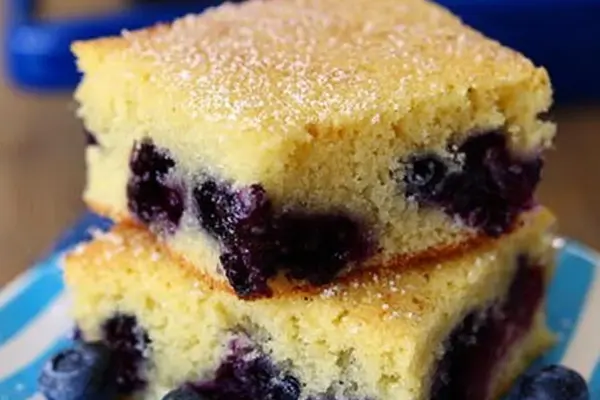
Blueberry Corn Bread with Honey & Polenta
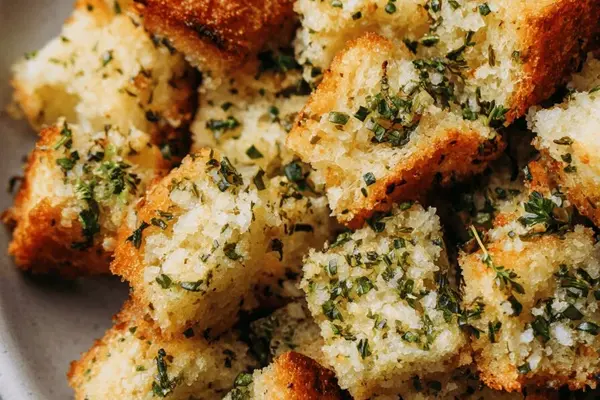
Homemade Panko Breadcrumbs with Olive Oil
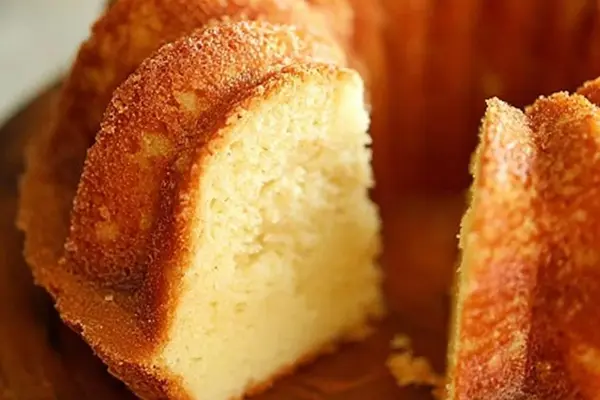
Buttercream Lemon Pound Cake Recipe

Butternut Pumpkin Pasta Sauce with Sage

Creamy Carrot Soup with Tahini Sauce
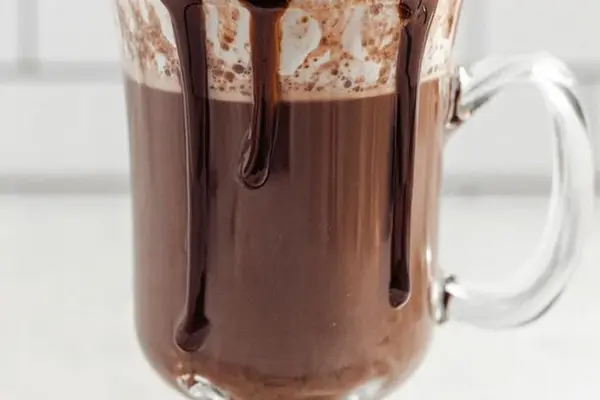
Hot Chocolate Recipe with Hazelnut Brandy
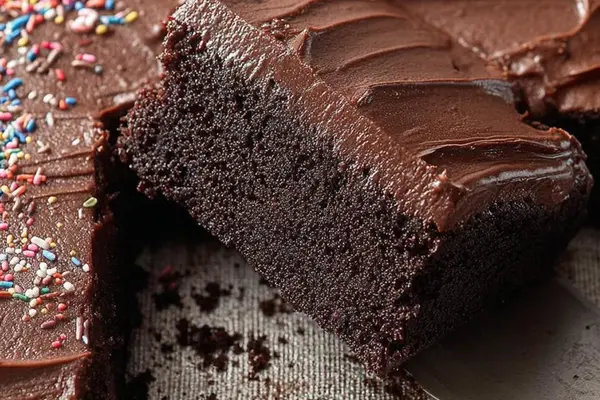
Sheet Pan Chocolate Cake with Sour Cream
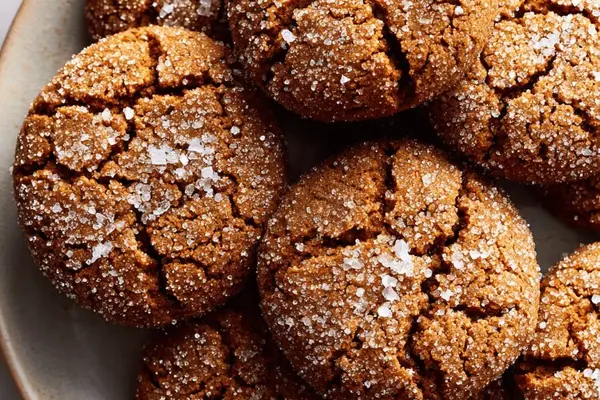
Double Ginger Crunch Cookies with Cardamom

Balsamic Vinaigrette Recipe with Honey
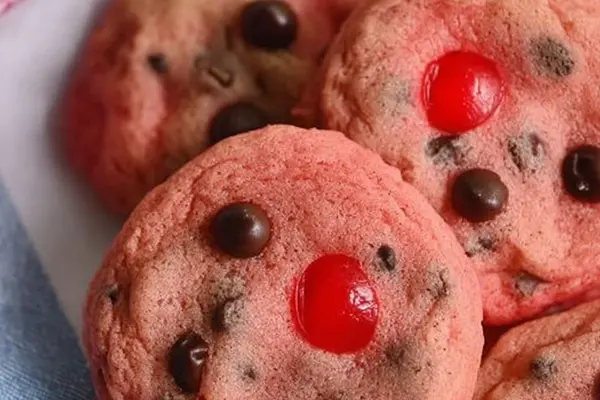
Cherry Chip Cake with Maraschino Cherries

Crispy Beer Battered Cod with Pale Ale
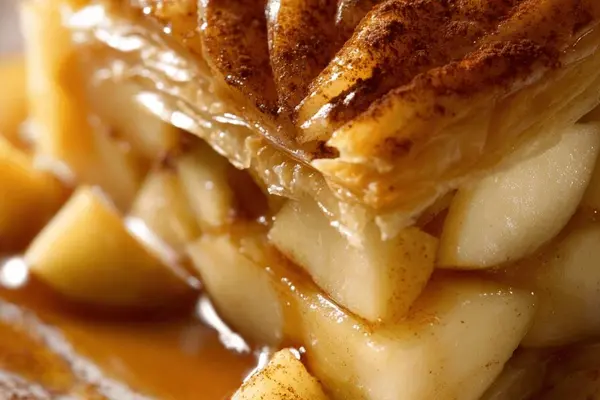
Armagnac Apple Croustade with Filo Pastry
Homemade Alfredo Pasta Sauce with Filet Steak
Oven Baked Hard Eggs in Muffin Tin