Chocolate Swirl Babka with Espresso
By Emma
Certified Culinary Professional
·
Recipe tested & approved
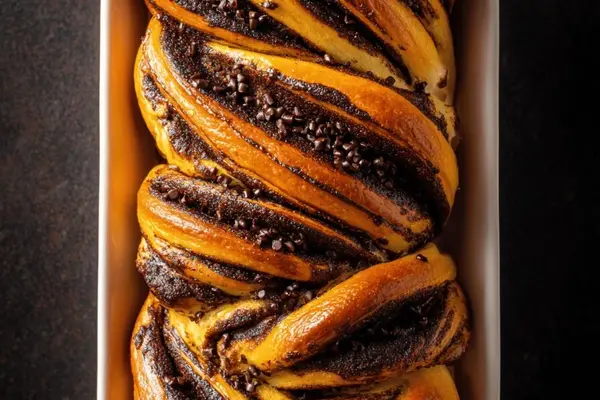
Warm oat milk until it hits body temperature—too hot kills the yeast, too cold and it won’t budge. Bloom that yeast over sugar for 3 minutes until it’s visibly frothy. The dough fights you at first, all sticky and loose, then the butter goes in gradually and suddenly it’s smooth and glossy and pulling away from the bowl. An hour later it’s doubled. You punch it down gently. Roll it out. Spread the chocolate filling—cacao powder, honey, melted butter, espresso powder if you’re not skipping that part. Chocolate chunks scattered across. Then you fold the sides toward center like you’re wrapping a present. Into the pan. Another 25–35 minutes of proofing. Brush egg wash. Bake 40 minutes. The kitchen smells like bittersweet chocolate and caramelized brioche crust. You have a chocolate brioche loaf that’s crusty on the outside and soft all the way through, with pockets of melted chocolate chunks through every slice.
Why You’ll Love This Chocolate Swirl Babka
Looks fancy but the dough comes together in about an hour—actually less if your kitchen’s warm. Breakfast bread that tastes like chocolate dessert but isn’t sweet enough to feel weird at 8 a.m. The espresso powder stays optional, but it does something to the chocolate that makes it taste more like itself. Splits perfectly into slices. Toasts even better the next day. Oat milk works if dairy isn’t your thing, doesn’t change much.
What You Need for Chocolate Babka with Espresso
Bread flour. Not all-purpose—it’s stronger, gives you better structure for a loaf this rich. Around 480 ml. Fine sea salt, just a scant teaspoon’s worth. Warm oat milk, 130 ml. Coconut sugar instead of white—deepens everything into caramel notes, but white works if that’s what you have. Instant yeast, barely a teaspoon. Two eggs at room temperature. The butter’s important: 140 ml softened and diced, goes in gradually. For the filling: 30 ml melted butter, 25 ml dark Dutch-processed cacao powder—not cocoa, the difference matters—honey about 30 ml, bittersweet chocolate chunks (100 ml, rough chopped), instant espresso powder if you want that edge. One egg and a tablespoon of water for egg wash.
How to Make Chocolate Brioche Dough
Milk hits the bowl. Warm, not hot—around body temperature. Bread flour and salt mixed together first, well in the center. Yeast and sugar go on top of that well, not stirred in, just sitting there. Pour the warm milk over. Wait three minutes. It foams up. Crack the eggs into that well. Start kneading with a paddle if you’re using a mixer, or your hands if you’re not—two minutes, just until it’s all one sticky mass.
Then the butter. Not all at once. Cube it, add a bit, knead it in, add more. Takes 3–5 minutes total. You’ll feel the shift: from shaggy to smooth. It should pull away from the bowl without tearing but it’s definitely soft, definitely elastic. Dump it into an oiled bowl, cover with plastic wrap or a damp towel, and find a warm spot. Not hot. Warm. An hour, maybe a bit less if your kitchen’s already warm. You’re watching for it to double. The rise depends on humidity and temperature way more than a timer does.
How to Get Chocolate Babka Crispy on the Outside, Soft Inside
Butter the loaf pan. Get it thoroughly coated. Oven rack goes in the middle.
Mix the melted butter with cacao powder, honey, and that espresso powder—it becomes this dark, shiny paste that smells like deep chocolate. Spreadable but thick.
Floured surface. Punch the dough down—gently, you don’t need to destroy it. Roll it into a rectangle, roughly 45 by 20 centimeters. Spread the chocolate paste all over, but leave a bare centimeter around the edges or the filling leaks everywhere. Scatter chocolate chunks evenly. Some people roll it tight like a cinnamon roll. Don’t do that. Fold the long sides toward center so they overlap slightly. Two flaps meeting in the middle. It traps more filling. Seam down into the pan.
Cover it loosely. Plastic wrap or damp towel. Set a timer for 25–35 minutes, but watch it. When the dough puffs up about 2 centimeters past the rim, it’s ready. Ambient temperature changes everything here. Your kitchen in July isn’t your kitchen in February.
Heat the oven to 175°C. Mix one egg with a tablespoon of water until it’s fluid. Brush it over the dough—not thick, just a layer. It gives you that golden sheen you want. Bake 35–40 minutes. If the top browns too fast, tent it with foil. When it comes out, listen. It should crackle softly as it cools. Toothpick into the center should pull out with a few moist crumbs clinging to it. Not wet dough. Not bone dry either.
Cool it in the pan for 15 minutes first. Warm crumb holds shape better. Slice while it’s still warm, or wait until it’s completely cool. Warm slices tear. Cold slices are clean.
Chocolate Babka Tips and Common Mistakes
Bread flour matters. All-purpose gives you a softer crumb, sometimes almost too soft for a loaf this heavy. Bread flour wins.
Don’t skip the espresso powder if you want chocolate that tastes like something. It’s optional but it does actual work. The chocolate tastes more chocolatey somehow.
Proofing is where most people mess up. Too long and the dough over-proofs—it rises in the oven and then deflates, leaves you with a dense crumb. Too short and you get a brick. Watch it, not the timer. When it’s puffed past the rim by about two centimeters, it’s done.
Oat milk adds slight sweetness and works perfectly if dairy’s not an option. Doesn’t really change the outcome. Coconut sugar deepens the caramel notes compared to white sugar, but they’re interchangeable. Honey instead of corn syrup—less glossy but more flavor depth. The trade-off is worth it.
If the dough sticks too much while you’re rolling and shaping, chill it briefly on a baking sheet. Five minutes fixes it. Too much flour toughens the crumb and nobody wants that.
Chocolate chunks melt unevenly during baking. Pockets of gooey chocolate. That’s the point. Mini chips melt too evenly and disappear. Use chunks.
Egg wash needs to be thin or it flakes off. Beat it with water first. Gives you color and a slight crunch.
Use high-quality dark chocolate for filling. Cheap chocolate tastes thin. Good chocolate has bitterness that offsets the honey and sugar.
If your oven runs hot or cold, use a thermal probe. Loaf’s done around 92°C internal temperature. More reliable than timing.
Cool completely before slicing if you want clean cuts. Warm slices tear. You can slice warm and toast them afterward if you’re impatient—actually better that way.
Leftover babka keeps 3 days covered. Wrap it tight or it dries out. Toast before eating.
Chocolate Swirl Babka with Espresso
Prep:
35 min
Cook:
40 min
Total:
1h 15min
Servings:
8 servings
Ingredients
- Dough
- 480 ml bread flour (about 2 cups plus 2 tablespoons)
- 1.5 ml fine sea salt (1/3 teaspoon)
- 130 ml warm oat milk (just under 1/2 cup)
- 25 ml coconut sugar (approx 1 1/2 tablespoons)
- 4 ml instant yeast (a scant teaspoon)
- 2 eggs at room temp
- 140 ml unsalted butter, softened, diced
- Filling
- 30 ml melted butter
- 25 ml cacao powder (dark Dutch-processed if possible)
- 30 ml honey (liquid, raw if you have, replaces corn syrup)
- 100 ml bittersweet chocolate chunks (rough chopped, about 1/2 cup)
- 1 tsp instant espresso powder (optional, adds depth)
- Egg wash
- 1 egg
- 15 ml water (1 tablespoon)
Method
- Dough Preparation
- 1 Warm oat milk until lukewarm, about body temperature. Milk temp matters; too hot kills yeast, too cold slows rise. In mixing bowl, combine bread flour and salt evenly. Make well in center.
- 2 Add warm milk, sprinkle yeast and coconut sugar over surface—not stirred—let bloom for 3 minutes until frothy. Crack eggs into well, start kneading with paddle or by hand for 2 minutes, sticky mass forms.
- 3 Add softened butter cubes gradually. Knead until dough smooth; 3–5 minutes total. Sticky but elastic, soft tug without tearing. Dump into lightly oiled bowl, cover with plastic wrap or damp towel. Place in warm spot for 1 hour or until doubled. Watch rise, not clock. Humidity helps; fridge slows rise dramatically.
- Filling and Rolling
- 4 Butter a 24 x 10 cm loaf pan thoroughly. Oven rack in middle.
- 5 Mix melted butter, cacao powder, honey, and espresso powder into a spreadable paste. Dark, shiny, fragrant with deep cacao aroma.
- 6 Turn risen dough onto floured surface, punch gently to deflate. Roll into rectangle about 45 x 20 cm (18 x 8 inches). Spread chocolate mix evenly but leave a 1 cm edge bare to prevent leaks. Hands messy, resist licking now.
- 7 Sprinkle chocolate chunks evenly over paste. Fold sides towards center overlapping slightly. Unlike single roll, fold edges into center—two flaps meeting—to trap filling better.
- 8 Place folded dough seam down in greased pan. Cover loosely with plastic wrap or damp towel. Set aside to proof 25–35 minutes until dough puffs past rim about 2 cm. Ambient temp affects timing heavily.
- Baking and Finishing
- 9 Preheat oven to 175°C (347°F). Oven hotness varies; use visual cues.
- 10 Beat egg with water fluidly; brush carefully over dough. Not too thick or it flakes. Gives that golden sheen you want.
- 11 Bake 35–40 minutes. Don’t panic if crust browns quickly; can tent with foil midway. Listen for soft crackle as loaf cools. Toothpick test inside should emerge with a few moist crumbs—not wet dough.
- 12 Let cool in pan 15 minutes before removing. Warm crumb but hold shape; slicing hot causes collapsing.
- Notes & Tips
- 13 Bread flour gives stronger crumb. Oat milk adds slight sweetness and moisture, works well if dairy sensitive.
- 14 Coconut sugar deepens caramel notes versus white sugar; swap back if unavailable.
- 15 Honey replaces corn syrup; less glossy but more flavor complexity. Watch spreadability, heat butter enough.
- 16 Espresso powder optional but don’t skip if you like chocolate complexity.
- 17 If dough sticks too much during shaping, chill briefly or dust lightly; too much flour toughens crumb.
- 18 Watch proofing carefully; over-proofed dough deflates in oven, under-proofed dense crumb.
- 19 Egg wash ensures color and slight crunch. Can add pinch of salt or cinnamon for twist.
- 20 Chocolate chunks melt unevenly, gives pockets of gooey goodness. Mini chips less dramatic.
- 21 Use high-quality dark chocolate for filling; bitter notes offset sugar.
- 22 If oven unreliable, use thermal probe; loaf internal temp ~92°C (197°F) when done.
- 23 Cool completely for best slicing; warm slices tear easily. Alternatively, slice warm and toast.
- 24 Leftover babka holds 3 days covered, reheat before serving. Wrapping tight prevents drying.
Nutritional information
Calories
420
Protein
7
Carbs
55
Fat
18
Frequently Asked Questions About Chocolate Swirl Babka
Can I use regular milk instead of oat milk? Yeah. Dairy milk works fine. Warm it the same way. Oat milk just adds a hair of sweetness, but regular milk doesn’t change the outcome much.
Do I really need bread flour? Not technically. All-purpose works. The crumb’s softer, sometimes almost tender—depends what you want. Bread flour’s stronger, holds up better under the weight of filling. Try bread flour first.
What if I don’t have instant espresso powder? Then skip it. The chocolate’s still good. The espresso just adds depth, makes it taste more complex. Not necessary.
How do I know when it’s done baking? Listen for a soft crackle as it cools. Toothpick in the center should pull out with a few moist crumbs. Not wet dough clinging to it, not completely dry. That middle ground.
Can I make this the night before? Mix the dough the night before, let it rise in the fridge overnight. Shape it in the morning, let it proof at room temperature 25–35 minutes, then bake. Changes the timing but works fine. Cold dough rises slower.
Why did my babka collapse in the middle? Over-proofed. The dough rose too long before baking, lost strength, deflated in the oven. Watch the proofing—when it’s puffed about 2 centimeters past the rim, stop. Don’t wait for more.
Can I freeze this? Cool completely first. Wrap it tight. Freezes for a month easy. Thaw at room temperature or slice while frozen and toast.
You’ll Love These Too
Explore all →
Instant Pot Mac and Cheese with Smoked Paprika
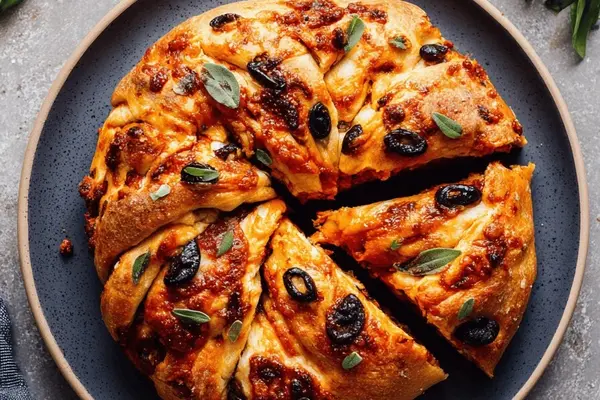
Pizza Dough Recipe with Bread Flour
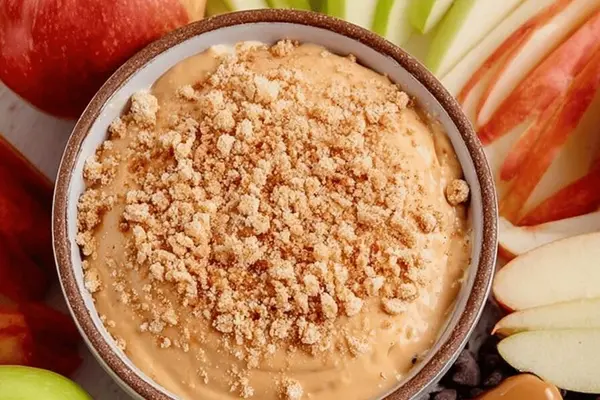
Caramel For Taffy Apples Dip Recipe
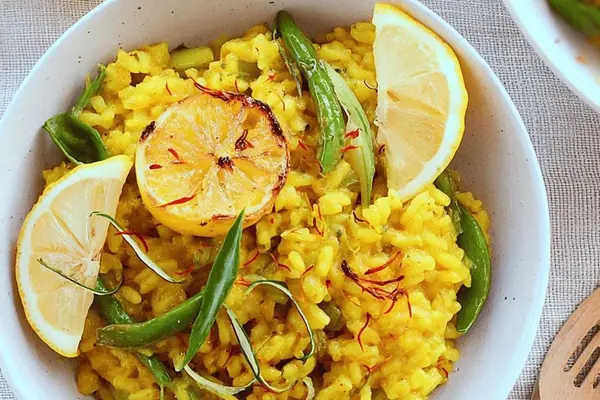
Lemon Saffron Risotto with Roasted Fennel
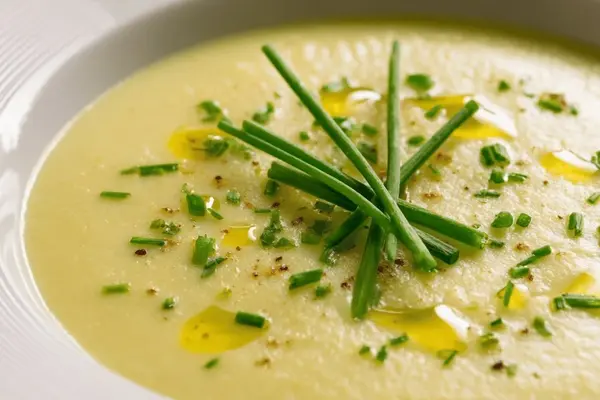
Vegetable Soup With Zucchini and Potato
Chicken Thighs With Onion Jam and Pancetta
Deep Fried Pecan Pockets with Molasses
Rotini Tuna Avocado Salad with Lemon
Mini Goat Cheese Quiche with Pine Nuts
Making Sugar Cookies with Cake Flour
Lemon Poppy Seed Muffins with Coconut Oil
Macaroni Salad with Eggs & Cornichons
Beef Chili with Beer and Carrots
Oven-Baked Steak Hash Omelet with Cheddar
Sweetbreads of Veal with Pine Nuts
Caramel Sheet Cake with Espresso & Brown Sugar
Glazed Beets with Grapefruit and Fresh Basil

Long Island Iced Tea Recipe with Mezcal
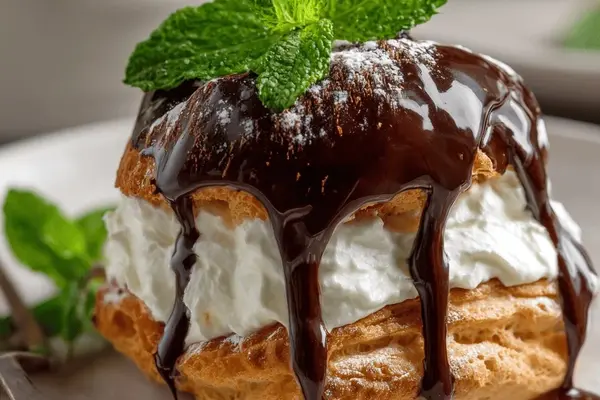
Mint Chocolate Profiteroles with Dark Chocolate Sauce