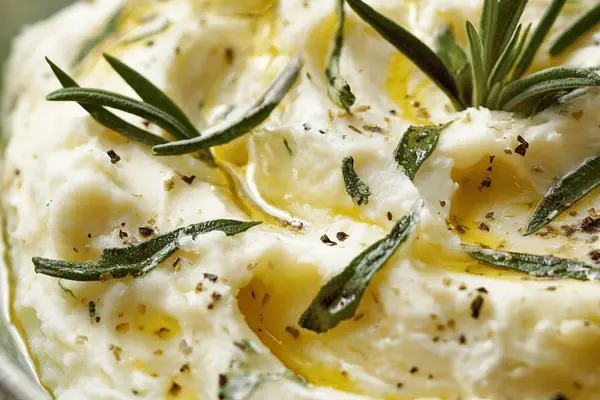
Creamy Mashed Potatoes with Kefir
By Emma
Certified Culinary Professional
·
Recipe tested & approved
Creamy mashed potatoes made with butter and kefir instead of buttermilk, topped with fresh tarragon. A tangy, herbaceous side dish with probiotic depth.
Prep:
15 min
Cook:
20 min
Total:
35 min
Servings:
6 servings
Boil the potatoes first—medium chunks, salted water, watch for that fork-tender thing around 20 minutes but honestly start checking at 15. Don’t let them get mealy. That’s bad.
Why You’ll Love This Chive and Kefir Mashed Potatoes
Takes 35 minutes total if you’re moving. Actual comfort food without feeling heavy. Kefir instead of buttermilk means tangy brightness that doesn’t taste weird or sour. Fresh tarragon does something chives never do—sharp, almost peppery. Works as a side for literally anything. Roasted chicken, grilled fish, even eggs. Potato side dishes done this way stay fluffy. No gluey mess. And cleanup? One pot, one bowl, one masher.
What You Need for Vegetarian Side Dish
Six medium round potatoes. Peel them. Cut into chunks—doesn’t have to be perfect. Seventy milliliters of unsalted butter. Room temperature. Not cold from the fridge.180 milliliters of kefir, chilled. Not buttermilk—kefir’s tangier, thinner. Buttermilk substitute works okay. Not the same though. 45 milliliters of fresh tarragon, chopped fine. Not dried. Dried tastes like paper. Salt. Good salt. Coarser if you have it. Black pepper, cracked fresh. Not ground dust.
How to Make Buttery Mashed Potatoes with Kefir
Get the potatoes boiling in salted water. Medium heat, not rolling boil—that breaks them apart before they’re actually done. Around 20 minutes. Fork goes through easy means they’re ready. Drain them hard. Get the water out. Return them to the pot on low heat and shake it gently for a couple minutes—steam off the excess moisture. This part matters. Dry potatoes mean fluffy mash. Wet potatoes mean gluey sadness.
Throw the softened butter straight on the hot spuds. Don’t wait. Start mashing. Coarse is the goal—you want texture, not baby food. Keep some small chunks. Mix until the butter’s absorbed throughout, then grab the electric mixer.
How to Get Chunky Mashed Potatoes with Herbs Right
Pour the kefir in slow while the mixer’s going. Not all at once. Slow drizzle. It turns airy, almost fluffy. The kefir brings tanginess that buttermilk does but brighter. Less heavy. The tarragon goes in last—fold it by hand. Sharp, herbaceous. Kind of peppery. Completely different vibe from chives. Tastes fresher somehow.
Taste it. Salt now. Pepper now. Kefir and butter change how salt sits in the potatoes compared to classic buttermilk recipes. Season by taste, not by guess. Serve it warm. That buttery richness plus herb punch is the whole point.
Chunky Mashed Potatoes Tips and Mistakes
Over-mash and they get gluey. Learned that the hard way. Mash until the butter’s absorbed, then stop. The chunks staying means flavor, texture, actual potato taste. Don’t skip the drying step. Sounds silly. Matters completely. Wet mash never gets fluffy. Room temperature butter matters too. Cold butter won’t absorb right, lumps everywhere. Chill the kefir beforehand—cold kefir doesn’t break when it hits the hot potatoes. Timing-wise, have everything ready before the potatoes come off the heat. Once they’re drained, move fast. Temperature drop makes everything harder. Make this the day of eating. Leftovers are fine cold maybe, but—they’re not the same. Floury texture sets in.
Creamy Mashed Potatoes with Kefir
Prep:
15 min
Cook:
20 min
Total:
35 min
Servings:
6 servings
Ingredients
- 6 medium round potatoes, peeled and chunked
- 70 ml unsalted butter, softened
- 180 ml kefir, chilled
- 45 ml fresh tarragon, finely chopped
- Salt
- Freshly cracked black pepper
Method
- 1 Start by boiling cubed potatoes in salted water, watching for fork-tender texture, around 20 minutes but check early to avoid mealy mush; vibrant potatoes give subtle creaminess.
- 2 Drain well, then return to pot, low heat; shaking pot gently to steam dry excess moisture for 2 minutes or until surface feels dry–this keeps mash fluffy and firm.
- 3 Add softened butter right on hot spuds; mash coarsely with sturdy masher to keep bite, mixing enough to absorb butter fats throughout.
- 4 Switch to electric mixer for final whip, pouring kefir slowly while mixing; texture turns airy and tangy, kefir bringing brightness missing with buttermilk substitute.
- 5 Fold in chopped tarragon last; its sharp, herbaceous aroma challenges the common chive subtlety, giving unexpected freshness.
- 6 Season mindfully with salt and cracked pepper; taste along, butter and kefir affect salt absorption differently than classic buttermilk recipes.
- 7 Serve warm; you want earthy potato scent mingling with buttery richness and herb punch. If potatoes become gluey, likely over-mashing or too much liquid—lesson learned the hard way.
Nutritional information
Calories
220
Protein
4g
Carbs
28g
Fat
10g
Frequently Asked Questions About Homemade Mashed Potatoes with Buttermilk Substitute
Can I use regular buttermilk instead of kefir? Yeah. Buttermilk works. Kefir’s just thinner and tangier. Buttermilk thickens more, changes the mouthfeel. Both work.
What if I don’t have tarragon? Don’t use dried. Seriously. Fresh parsley works. Fresh dill works. Chives work obviously but then it’s just regular. Tarragon has bite that’s harder to replace.
How long can I store potato side dishes like this? Fridge. Three days maybe. They get mealy after that. Cold texture’s not great. Reheat in a pot with butter and a splash of kefir if you want them warm again. Takes five minutes. Might not taste identical but close.
Should I use a hand masher or electric mixer? Start with hand masher for the coarse part. Electric mixer for the kefir integration. Hand masher alone and you’re stuck mixing forever. Mixer alone and you’ve got puree. Both together is the move.
Can I make this without an electric mixer? Sure. Just takes longer. Whisk by hand while you add kefir. Arm gets tired. Not worth it honestly. Mixer’s faster. Fluffier result.
What kind of potatoes should I use for mashed potatoes with fresh tarragon? Medium round potatoes. Russets work. Yukon Gold works but they’re buttery already—kefir tanginess gets lost. Round potatoes hold up better, less mealy.
You’ll Love These Too
Explore all →
Pickled Eggs With Shallots & Pink Peppercorns
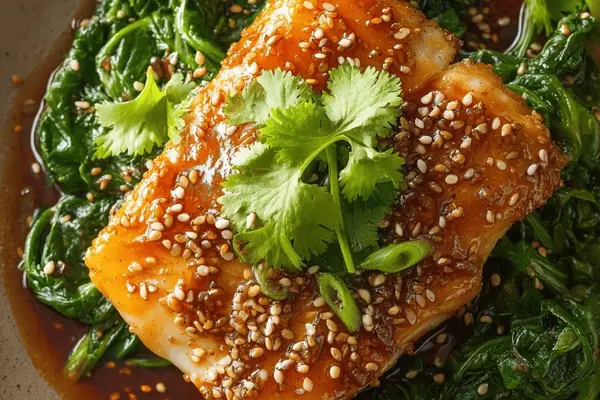
Seared Haddock with Apricot Glaze

Brownie Buckeyes with Cream Cheese & Peanut Butter
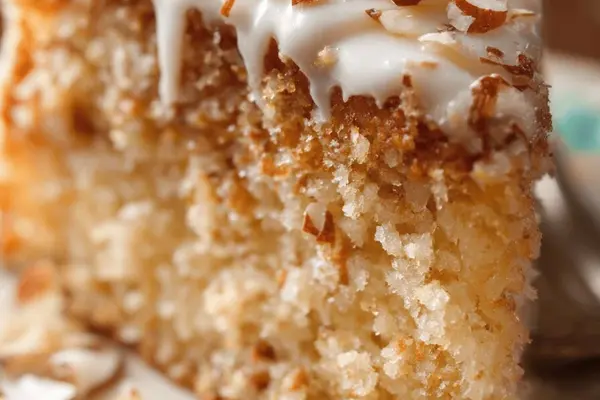
Chocolate Ganache Chocolate Cake Filling
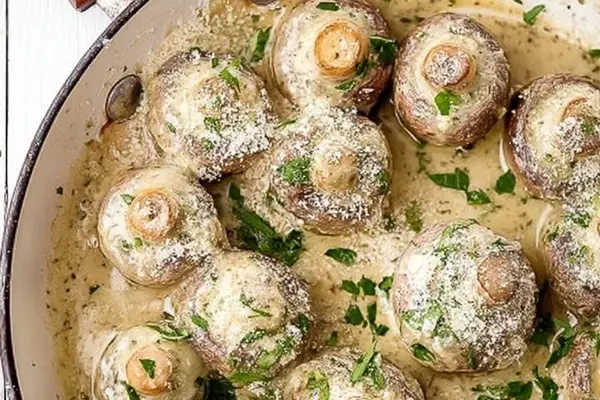
Creamy Mushroom Sauce with Parmesan

Salted Caramel Doughnuts with Dulce de Leche
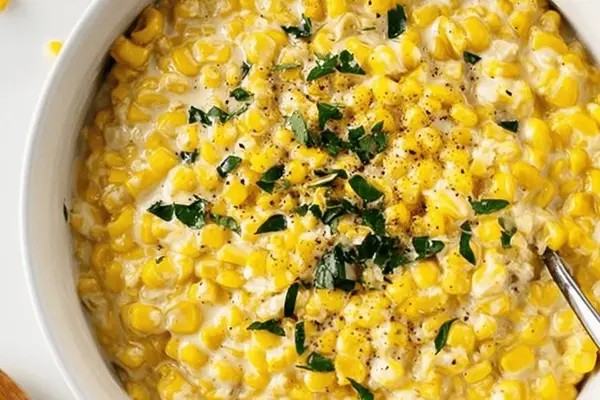
Corn Casserole Dish with Creamed Corn

Elderflower Cocktail with Ice Cider
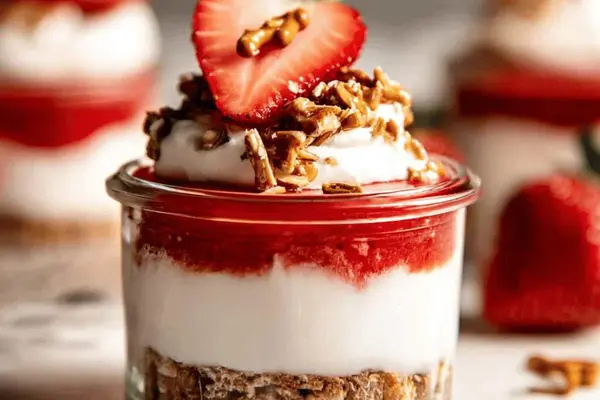
Strawberry Short Cake with Pretzel Crust
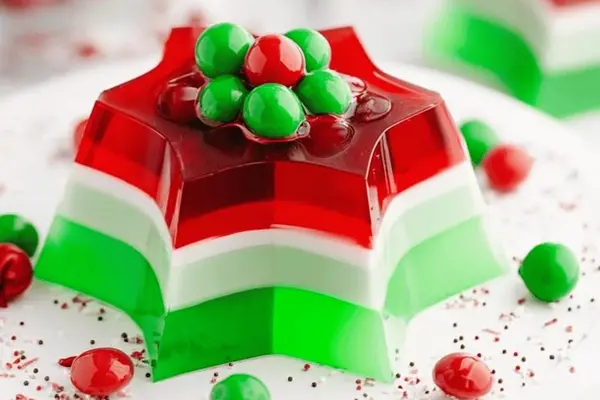
Holly Jolly Jello Shots with Vodka & Condensed Milk
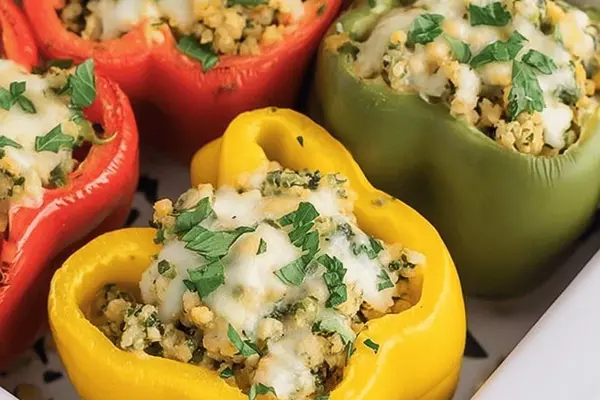
Stuffed Peppers with Ground Turkey
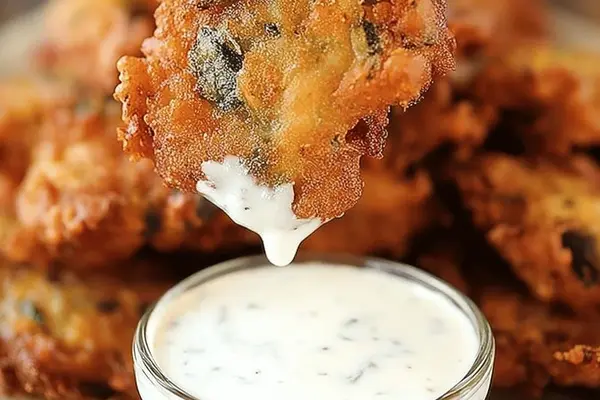
Crispy Dill Pickle Fritters with Cornmeal
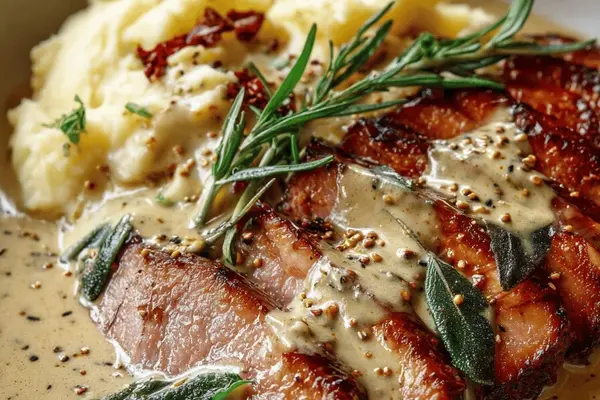
Ham With Apricot Glaze Recipe
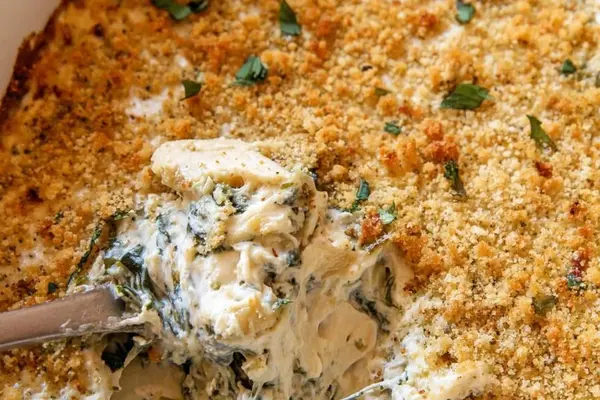
Spinach Artichoke Dip Recipe with Panko Crust
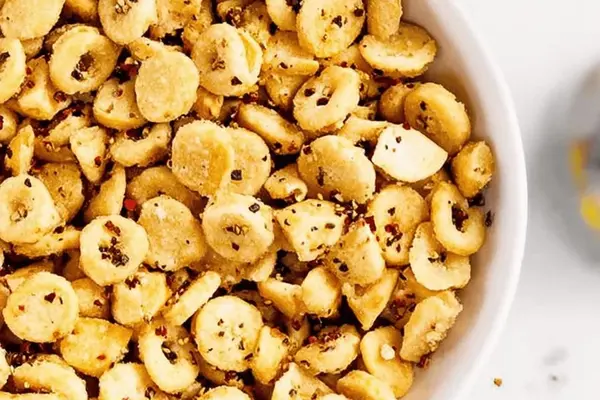
Homemade Ranch Oyster Crackers Recipe

Grapefruit Syrup Snow Candy on Sticks
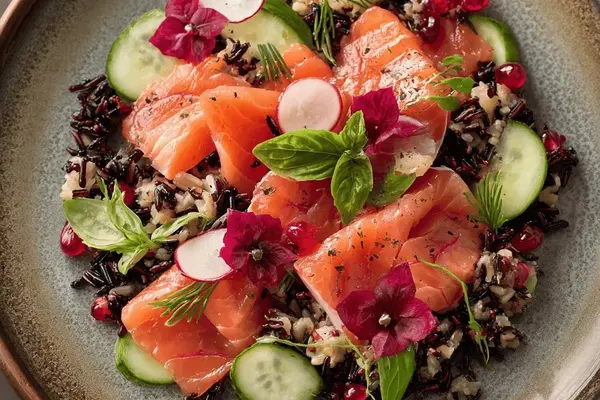
Omble Crudo with Cranberry Vinaigrette
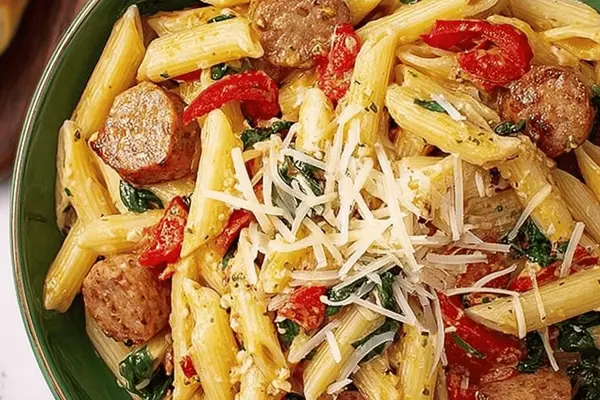
Sausage Pasta with Spinach and Tomatoes
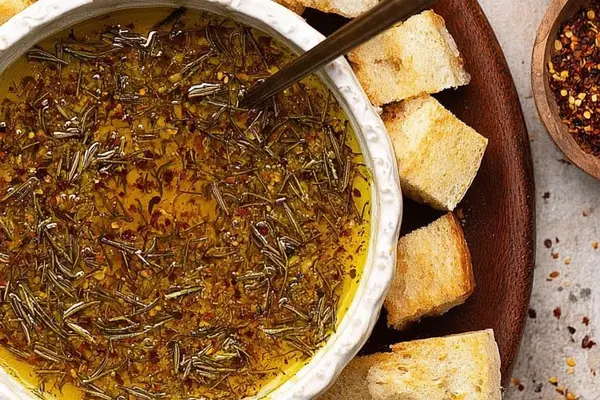
Olive Oil for Dipping Bread Recipe