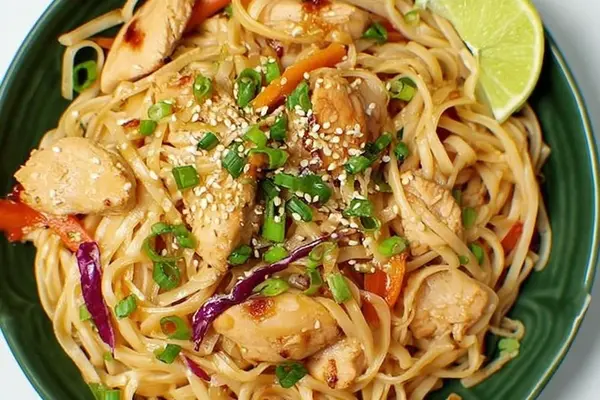
Chicken Stir Fry Rice Noodles with Sesame
By Emma
Certified Culinary Professional
·
Recipe tested & approved
Chicken stir fry rice noodles with sliced chicken thighs, cabbage, sesame oil, and soy-lime sauce. Ready in 20 minutes with real flavor.
Prep:
7 min
Cook:
22 min
Total:
29 min
Servings:
6 servings
Slice the chicken thin. Really thin. Not paper-thin, but thin enough it cooks through in maybe seven minutes without drying out. Thighs only — breast gets mealy. Had a friend insist on breast once. Never again.
Why You’ll Love This Chicken and Rice Noodle Stir Fry
Done in 29 minutes. Seven prep, 22 on the stove. Not a lot of thinking involved once you start. Tastes like you ordered it. That sesame-soy thing that makes it taste like something, not just chicken and noodles sitting together. One pan. One bowl for sauce. Cleanup happens fast. Works cold the next day. Probably. Haven’t actually tried it cold, but leftovers taste good, which is weird for stir fry. Chicken thighs stay moist even if you’re not watching the clock like a hawk.
What You Need for Chicken Stir Fry Rice Noodles
Fifteen ounces of stir fry rice noodles. The thin kind. Not pad thai noodles—those are chewier. The stir fry ones have that specific texture. A pound of chicken thighs. Boneless, skinless. Slice them yourself thin instead of buying pre-cut—better control, cheaper usually. Vegetable oil. Two teaspoons. Not olive, not butter. Vegetable oil gets hot enough without burning. Half a white onion, sliced thin. Yellow works too. Red onion changes the flavor in a way that doesn’t fit here. One clove garlic, minced. Just one. More garlic doesn’t make it better—tastes bitter if you overdo it. Light soy sauce, a half cup. Dark soy is too intense. The light kind blends. Two tablespoons toasted sesame oil. This is what makes it taste right. Regular sesame oil tastes raw. A tablespoon of honey. Sugar works. Honey’s smoother. Fresh lime juice. A tablespoon. Bottled lime is sad. Worth squeezing one lime. Half a teaspoon ground ginger. Powder. Fresh ginger is better but also more work—powder is fine here. Half a teaspoon crushed red pepper flakes. Or less if you hate heat. Twelve ounces shredded cabbage mix. That coleslaw mix from the produce section. Broccoli coleslaw works the same way. A teaspoon of toasted sesame seeds. They have a different flavor once toasted. The raw kind tastes like cardboard. A quarter cup of scallions sliced thin. Green onions. Whatever they call them where you are.
How to Make Chicken Stir Fry Rice Noodles
Dump the noodles in boiling water. Don’t walk away. They cook fast—maybe four, five minutes. You want them soft but still with a tiny bit of chew. Mushy noodles taste like paste. Pull one strand out with a fork and taste it. That’s the only way to know.
Cold water. Immediately after draining. Let it run over them for a few seconds. Stops them from cooking more. Then toss them with a tablespoon of sesame oil. Do this right after draining or they stick to themselves like crazy. It’s a whole thing. The oil makes them slippery—doesn’t work if they’re already starting to set.
Get a large skillet hot. Medium heat. Two teaspoons vegetable oil. Wait for it to shimmer. Not smoking. Shimmering. That’s the signal.
Chicken goes in now. Spread it out in the pan. Don’t stir for like two minutes. Let it brown on one side. Then flip and let the other side go golden. Seven minutes total, flipping a few times. It shouldn’t be pink inside but it shouldn’t look dried out either. Firm and moist is the target.
The onion and garlic go in next. Stir constantly. This part matters because garlic burns in like ten seconds and then it tastes like ash. Two to four minutes until the onion goes soft and translucent and smells sweet. The garlic should smell good, not burnt. You’ll know the difference. Trust your nose.
Make the sauce while the onion’s going. Small bowl. Half cup light soy, two tablespoons toasted sesame oil, a tablespoon lime juice, a tablespoon honey, half a teaspoon ginger, half a teaspoon red pepper flakes. Whisk it. It’ll look thin. That’s right.
Everything goes in the pan now. The noodles, the cabbage, the chicken and onion mixture. Pour the sauce over it all. Keep the heat low. Not high. You’re just warming it through and letting the flavors combine. Stir constantly because noodles will stick if you don’t. The cabbage will start to wilt but keep its shape a little bit—two, three minutes and it’s there.
Top with sesame seeds and scallions. Serve immediately. Don’t let it sit or the scallions go limp and sad.
How to Get the Sauce Right in Chicken Stir Fry Rice Noodles
The sauce is why this tastes good. It’s not just salty. Soy sauce alone is just salt. But soy plus lime plus honey plus ginger plus sesame—that’s when something happens. The honey rounds out the sharp lime. Ginger adds something earthy underneath. The sesame oil ties it all together and makes it taste like the good takeout version.
Don’t skip the lime juice. Lime is what makes people say it tastes like something. Not lemon—lime. Different. You can taste the difference.
The ginger doesn’t make it taste like ginger. If you taste ginger specifically, you used too much. It should just warm the sauce, make it deeper. Half a teaspoon is enough. The garlic does the same thing.
Red pepper flakes are optional but they’re not spice exactly. They’re a wake-up call. Everything else is kind of mellow together so the heat just punctuates it. You can skip them. Some people add more. Do whatever.
Whisk the sauce before pouring because the honey sinks. If you don’t mix it, some bites will taste sweet and others won’t. Mix it.
Chicken Stir Fry Rice Noodles Tips and Common Mistakes
Chicken thighs versus chicken breast. Thighs stay moist because they have more fat. Breast gets dry. If you use breast anyway, don’t leave it on the heat longer than five minutes or you’ll be eating something weird and tough. Not worth it.
Don’t overcook the noodles at the start. They cook twice—once in boiling water, once in the pan when the sauce heats them. Undercooked the first time is actually right. They finish in the pan.
The sesame oil at the end of the noodle cooking is crucial. Not optional. It keeps them from turning into one giant stick.
Timing matters with the garlic and onion. Garlic burns fast. Onion needs time to soften. Add them together but watch the whole thing like a hawk for two, three minutes. Once the onion goes translucent, stop stirring and get the chicken out of the pan if it’s still there.
Shredded cabbage cooks faster than you think. Two minutes and it’s wilted. Three minutes and it’s mushy. Watch it. The crunch is what makes it work.
Don’t use dark soy sauce. It’s too strong and tastes almost like soy sauce candy. Light soy is right.
Toasted sesame seeds taste completely different from raw. Buy the toasted kind or toast them yourself in a dry pan for two minutes. Raw sesame seeds taste like nothing.
The pan gets crowded at the end when everything goes in. That’s fine. Stir it and it comes together. If you’re nervous, add everything in two batches. Noodles first, then the rest.
Chicken Stir Fry Rice Noodles with Sesame
Prep:
7 min
Cook:
22 min
Total:
29 min
Servings:
6 servings
Ingredients
- 15 ounces dry stir fry rice noodles
- 2 teaspoons vegetable oil
- 1 pound boneless skinless chicken thighs, sliced thin
- ½ white onion, thinly sliced
- 1 clove garlic, minced
- ½ cup light soy sauce
- 2 tablespoons toasted sesame oil
- 1 tablespoon fresh lime juice
- ½ teaspoon ground ginger
- 1 tablespoon honey
- ½ teaspoon crushed red pepper flakes
- 12 ounces shredded cabbage mix (substituted for broccoli coleslaw)
- 1 teaspoon toasted sesame seeds
- ¼ cup scallions, thinly sliced
Method
- ===
- 1 Hydrate noodles just shy of soft; al dente means still a slight chew, not mush. Drain and rinse under cold water fast to kill cooking heat. Toss with 1 tablespoon sesame oil to keep strands from gluing together. If coated too soon, strands get slippery; best right before mixing.
- 2 Heat 2 teaspoons vegetable oil in a large skillet over medium heat till you feel the shimmer but not smoking. Add thin slices chicken thighs. Chicken gets better flavor with thighs; lean breast dries. Brown on edges, about 7 minutes, flipping often to get all sides golden. Chicken shouldn’t look pink inside; firm but moist.
- 3 Add thinly sliced white onion and the minced garlic. Onions go translucent, sweet aroma rises, garlic should not burn—stir quickly 2-4 minutes till just softened. Burnt garlic tastes bitter. Onion acts like buffer, slows chicken drying out.
- 4 Whisk soy sauce, sesame oil, fresh lime juice, honey, ground ginger, and crushed red pepper flakes in a small bowl. This sauce balances salty, sweet, earthy, tart, and spicy. Honey tames sharp lime, ginger adds earthiness, chili wakes the whole mix up.
- 5 Toss noodles, chicken, onion mixture, and shredded cabbage mix into the pan. The heat here is low—just enough to warm through and combine. Stir constantly, so noodles don’t stick to pan or to each other. Watch for cabbage to slightly wilt but keep crisp edges, about 2-3 minutes.
- 6 Sprinkle toasted sesame seeds and sliced scallions over everything. The sesame seeds crackle softly under tooth; scallions add sharp, fresh punch that cuts through richness. Serve immediately once scallions look vibrant and not wilted.
- 7 Cleanup tip: Noodles stick if left in water too long or overcooked. Toss immediately in oil after draining. Chicken cooks fast; slice thin even pieces to avoid drying. Onion and garlic timing crucial to avoid bitterness or raw pungency. Sauce can be doubled for extra flavor push or halved for subtlety.
- 8 Store leftovers separately if possible. Noodles will clump if left together overnight. Reheat gently with splash of water to loosen.
Nutritional information
Calories
360
Protein
28g
Carbs
45g
Fat
10g
Frequently Asked Questions About Chicken Stir Fry Rice Noodles
Can I use a different kind of noodle? Pad thai noodles work but they’re chewier. Rice noodles are thinner and have that specific texture. Ramen works too but tastes different. The thin stir fry noodles are right for this.
What if I don’t have lime juice? It won’t be the same. Lime is what makes it taste bright. Lemon is too harsh. Rice vinegar is too sharp. Haven’t tried it without. The lime matters.
Should I double the sauce? If you want it saucier, yeah. Double it and everything tastes deeper. The default amount coats the noodles—not drippy, just coated.
How long does this keep in the fridge? Two or three days. Store the noodles separate from the sauce if you can. Noodles clump together overnight. The chicken and cabbage keep fine. Reheat gently with a splash of water to loosen the noodles.
Can I prep this ahead? Noodles shouldn’t sit in water ahead of time. You can slice the chicken, chop the onion and garlic, make the sauce. Keep them separate. The whole thing goes together in 22 minutes once you start cooking.
What kind of rice should I serve this with? Don’t. It’s noodles. Serves four as a main, maybe six if there’s other stuff on the table. Doesn’t need rice.
You’ll Love These Too
Explore all →
Sauteed Vegetables with Tofu and Almonds
Bacon and Egg Potato Salad Recipe
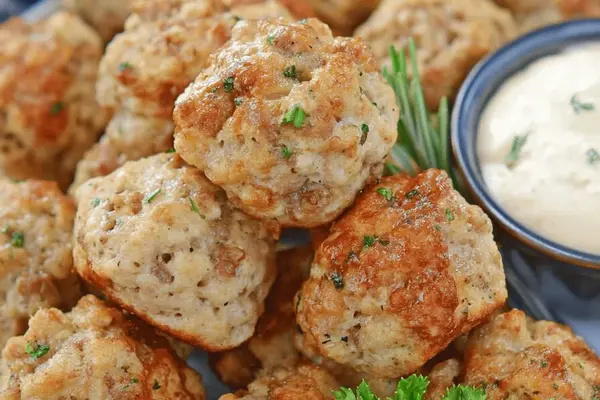
Sausage Balls Recipe with Cream Cheese
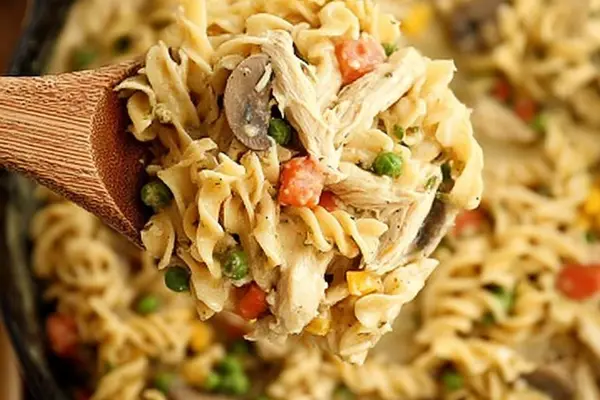
Chicken Pie Noodles with Mushrooms
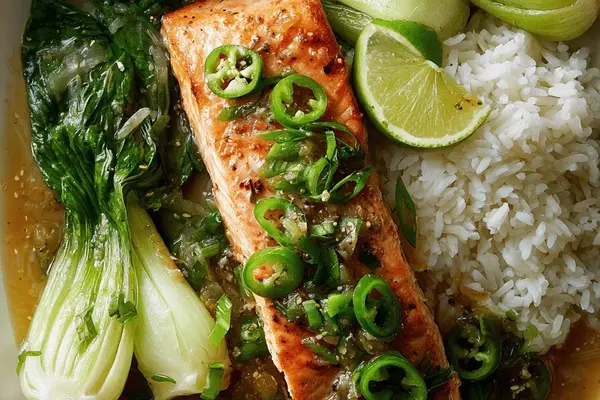
Asian Salmon Recipes with Citrus-Soy Marinade
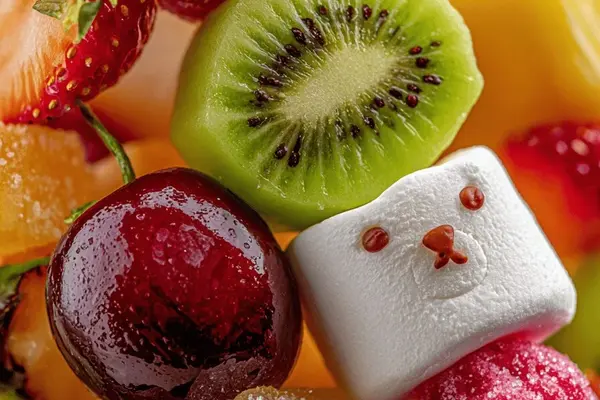
Fruit Skewers with Pineapple & Marshmallows
Homemade Condensed Milk Recipe
Keto Spicy Bacon Chili with Ground Beef

Iced Rhubarb Cake with Crunchy Crumble
Crispy Phyllo Cheese Bundles with Apples
Roasted Carrots Lentil Couscous with Halloumi
Hot Honey Mustard Sauce Recipe
Beef Pasta with Chipotle, Corn & Cheddar
Chicken Spaghetti Casserole
Lemon Butter Sauce with Dijon Mustard
Buttermilk Rye Crumpets Recipe
Creamy Cajun Pasta With Andouille Sausage
Chilaquiles Recipe with Turkey Broth
Fingerling Potato Salad with Lemon & Fresh Herbs