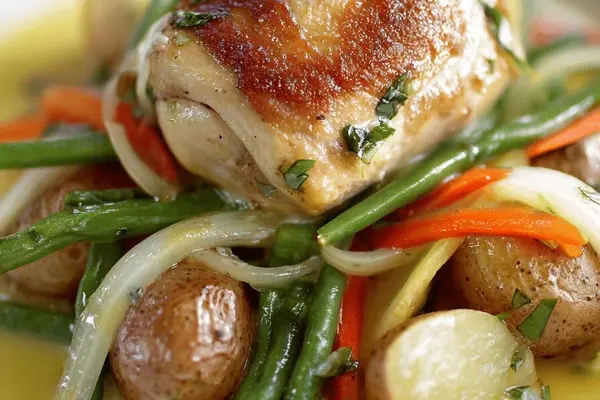
Chicken Roulades with White Wine Butter Sauce
By Emma
Certified Culinary Professional
·
Recipe tested & approved
Butterfly the chicken breasts first. Almost through—like opening a book. That’s where this whole thing gets easier. Takes 45 minutes start to finish if you move, 40 in the oven and pan, an hour and 25 total, which sounds fussy but isn’t once you realize it’s mostly just waiting and blanching vegetables while the chicken does the work.
Why You’ll Love This Fall Chicken Main Dish
Looks like you spent three hours on it. Didn’t.
The vegetables stay bright—actually snappy, not mushy. Green beans and carrots get shocked in ice water so they hold their color and crunch even after everything else is done.
Works as a roasted chicken with vegetables situation that actually feels like dinner, not just “chicken and sides.” Everything is stuffed inside or arranged around it like you planned this.
Cleanup is real but manageable. One pan. Some towels. Not nothing.
Tastes better the next day cold, or reheated gently. The sauce clings to everything.
What You Need for Chicken Roulades
Four boneless skinless chicken breasts. They need to be medium—too small and you can’t butterfly them, too large and they won’t cook evenly. Pat them dry first or everything slips.
Fingerling potatoes, quartered. Six small ones. Don’t use russets here. The texture falls apart. Fingerlings hold their shape when boiled, which matters because they’re going into warm liquid again before plating.
Kohlrabi, julienned. One medium. If you can’t find it, celery works but tastes different—less sweet, more vegetal. Kohlrabi is specific here.
Green beans and carrots. Twenty-five beans trimmed, three medium carrots julienned. Blanch them separately because carrots take longer. Green beans maybe three to four minutes. Carrots almost the same but watch them. Kohlrabi and celery root go in together—slightly less time, maybe three minutes total. They’re softer.
Celery root—one stalk, peeled and julienned. Tastes like celery but sweeter, more buttery when cooked. Not optional if you want the actual depth here.
Leek white part only, sliced thin. One leek. The white part is sweeter. The green gets bitter and grainy.
Olive oil. Twenty milliliters—a little over a tablespoon. Butter. Seventy-five milliliters cold, cut into cubes. Shallots minced finely, two of them. White wine vinegar—twenty-five milliliters, about a tablespoon and two-thirds. Dry white wine, same amount.
Salt and cracked black pepper. Don’t skimp on either.
How to Make Chicken Roulades
Vegetables first because they take time and need to cool. Boil salted water in a big pot. Green beans and carrots go in separately—they need different timing even though it’s close. Three to four minutes until they stop being raw but still snap when you bite them. Pull them out with a slotted spoon, dump straight into ice water. This shocks them. Stops the cooking. Keeps the color sharp.
Kohlrabi and celery root next, together this time. Just tender, still with a bite. Maybe three minutes. Shock those too. The leek whites get blanched separately—softer than everything else, maybe two minutes. Shock it. Drain everything on a clean towel.
Fingerlings are different. Boil them whole, salted water again. Takes longer—roughly ten minutes until a fork pushes through but they don’t fall apart. Cool them, quarter them once they’re handled without burning your hands.
While vegetables cool, pat the chicken breasts dry on a board. This matters. Moisture means they’ll slip everywhere.
Butterfly each breast. Lay it flat. Slice horizontally almost all the way through—leave maybe half an inch of meat at one edge so it opens like a book. If you’re nervous, go slower. You’re just creating one thin sheet instead of a thick lump.
Cover each breast with plastic wrap. Bash it gently with a rolling pin or meat mallet. Not hard. Just even. You want it uniform thickness, not paper-thin. About a quarter inch maybe. Season aggressively now—salt, black pepper, both sides. Really season it.
Lay half your julienned carrots and celery root down the center of each breast, lengthwise. Not a ton—just a strip down the middle. Leave space at the edges or the filling shoots out when you roll it. Roll it tightly. Like you mean it. Secure with toothpicks or kitchen twine. Tight is the whole point. Loose rolls leak.
How to Get Chicken Roulades Golden and Crispy
Large heavy skillet over medium-high heat. Add olive oil and fifteen milliliters of butter. When the butter froths, roulades go in seam-side down. Don’t move them. Five minutes. Until they’re deeply golden. Deeply. Not pale.
Flip. Brown the other sides—another five minutes total, but watch it. When you press the thickest part it should feel springy but firm, not mushy, not rock hard. That’s about right. Remove the roulades and tent them loosely with foil. They rest while you make the sauce.
Discard most of the fat but leave the fond—those brown bits stuck to the pan matter. They’re flavor. Minced shallots go in over medium heat. Let them soften, turn translucent. Two minutes maybe. Don’t brown them or they taste bitter.
Deglaze with the vinegar and wine—pour it in and scrape up everything stuck to the pan. Let it reduce until almost dry. You’ll smell it change. The sharp vinegar smell fades but stays bright. That’s when it’s done. Maybe three to four minutes.
Off the heat, whisk in cold butter cubes. Gradually. Swirl vigorously. Don’t let it boil—boiling breaks it. The sauce should turn glossy and coat the back of a spoon smoothly. Season with salt and pepper. Taste it. Fix it.
Chicken Roulade Tips and Common Mistakes
The biggest mistake is loose rolling. Tighten it more than you think you need to. The filling wants out.
Don’t skip the ice water shock on vegetables. They’ll taste watered-down and soft instead of snappy. Shock is everything.
The sauce breaks if it boils. Keep it off heat when you’re whisking in butter. Use a whisk, not a spoon. Swirl, don’t beat.
Reheating the vegetables at the end keeps them hot but doesn’t cook them again—just warm them through in a splash of water or butter. Sixty seconds. That’s it.
Slice the roulades diagonally when they’re rested. The toothpicks come out easier. The chicken is more tender when slightly cooled.
The sauce is acidity cutting richness. If it tastes thin, you didn’t reduce enough before the butter. If it tastes greasy, you added butter too fast or too much. Both can be fixed next time.
Chicken Roulades with White Wine Butter Sauce
Prep:
45 min
Cook:
40 min
Total:
1h 25min
Servings:
4 portions
Ingredients
- 6 small fingerling potatoes, quartered
- 1 medium kohlrabi, peeled and julienned
- 25 green beans, trimmed
- 3 medium carrots, peeled and julienned
- 1 stalk celery root (celeriac), peeled and julienned
- 1 leek white part only, sliced thin julienne
- 4 boneless skinless chicken breasts
- 20 ml olive oil (1 1/3 tbsp)
- 75 ml cold unsalted butter cut into cubes
- 2 shallots minced finely
- 25 ml white wine vinegar (1 2/3 tbsp)
- 25 ml dry white wine
- Salt and cracked black pepper
Method
- 1 Vegetables first—blanch green beans and carrots separately in salted boiling water until al dente, about 3-4 minutes. Shock in ice water immediately to keep colours bright, drain thoroughly. Repeat with kohlrabi and celery root; these take slightly less time, watch for just tender bite.
- 2 Fingerlings take longer—boil whole until just tender but still holds shape, roughly 10 minutes, then drain and quarter once cool enough to handle.
- 3 Pat chicken dry on a sturdy board. Butterfly each breast, slice horizontally almost through, open like a book—aim for a rectangular shape for even rolling. Cover with plastic wrap, bash gently with a rolling pin or mallet to even thinness but not paper-thin. Season both sides: salt, black pepper, no mercy.
- 4 Layer half of carrots and celery julienne in the lengthwise center strip of each breast. Reserve other half veggie mix separately for plating.
- 5 Roll chicken tightly over filling, secure firmly with toothpicks or kitchen twine—key is tightness here, else filling escapes during cooking.
- 6 In a large heavy skillet, warm olive oil plus 15 ml butter over medium-high. When butter foams, add roulades seam side down. Sear undisturbed about 5 minutes until deeply golden, then turn to brown all sides evenly, about 5 more minutes total. It should feel springy but firm when pressed. Don’t hurry; lock juices in. Remove roulades and tent loosely to rest.
- 7 Discard fat leaving fond in pan, add shallots chopped fine, soften gently over medium heat—should turn translucent, not brown, around 2 minutes. Now deglaze pan with vinegar and wine, scrape up all brown bits. Let it reduce until almost dry, aromatic sharpness fades but brightness stays.
- 8 Off heat, whisk in cold butter cubes gradually, swirl vigorously to emulsify sauce. Don’t let it boil or split; sauce will be glossy and coat spoon smoothly. Season final with salt and pepper to taste.
- 9 While sauce emulsifies, gently reheat reserved vegetables (carrots, celery, leeks) in a splash of water or butter, just warmed through to keep crispness. Fingerlings can go into warm pan briefly too.
- 10 Remove toothpicks. Slice roulades diagonally into 2 halves. Plating: mound veggies centered on each plate, arrange roulade halves leaning slightly. Spoon sauce over roulades and around for shine and flavor.
- 11 Serve immediately. Texture should be tender chicken with a slight snap in vegetables, butter-wine sauce cutting through richness with a touch of acidity.
Nutritional information
Calories
360
Protein
30g
Carbs
28g
Fat
18g
Frequently Asked Questions About Fall Chicken Roulades
Can you make this ahead? Assemble the roulades in the morning, cover them, refrigerate. Cook them when you’re ready. They’ll take an extra minute or two from cold, that’s all. The sauce can be made separately and reheated gently. Don’t boil it.
What if you don’t have kohlrabi? Celery works. Tastes different but not worse. Less sweet, more vegetal. Don’t use both—just swap one for the other. Never had it in both places in the same dish.
Can you use bone-in chicken? Not really. Butterfly gets complicated with a bone. Takes longer to cook. Different texture. Do boneless.
How do you know when the butter sauce is done? It should coat the back of a spoon. Dip a spoon in, drag your finger across it. The line should stay instead of running together. That’s when it’s right.
What side dishes work with roasted chicken with julienned autumn vegetables? Honestly? This is already sides. It’s a complete fall chicken dinner. Maybe bread to soak up sauce. Maybe a simple salad with sharp vinaigrette. Not much else needed.
Can you freeze the roulades after cooking? Cool them completely first. Wrap individually. Freezes fine for a month maybe. Reheat gently in a low oven covered, or slice and warm in a pan with a splash of water. The sauce reheats separately. Don’t microwave—it dries them out.
Why white wine vinegar and not something else? White wine vinegar is bright but not aggressive. Red vinegar tastes like red wine. Apple cider vinegar tastes like fall but muddy here. Balsamic is too thick, too sweet. White wine vinegar stays crisp. Just stays out of the way while adding acidity.
You’ll Love These Too
Explore all →
Banana Nutella Muffins with Pancake Mix
Pecan Sticky Roll with Caramel and Honey
Cheese Casserole Potato with Gruyère
Chipotle Turkey Chili with Sweet Potatoes
Spices in Pumpkin Pie Snack Mix Recipe
Shrimp in Coconut Curry with Eggplant
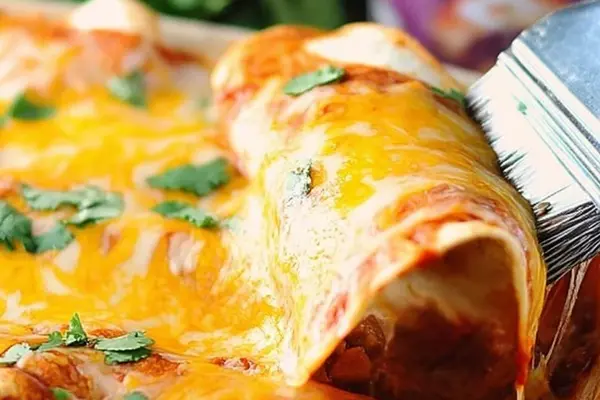
Beef Enchilada Recipe with Green Chile

Apple Cocktail with Campari and Sparkling Cider
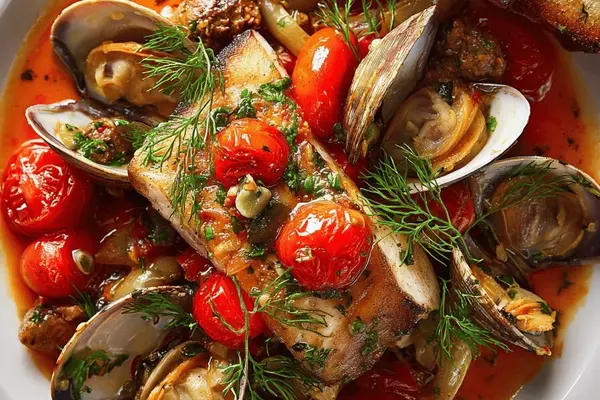
Walleye with Clams and Fennel Recipe
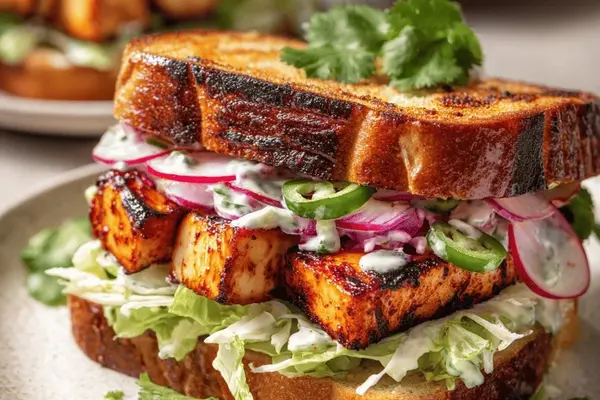
Grilled Chipotle Tofu Sandwiches with Lime Mayo
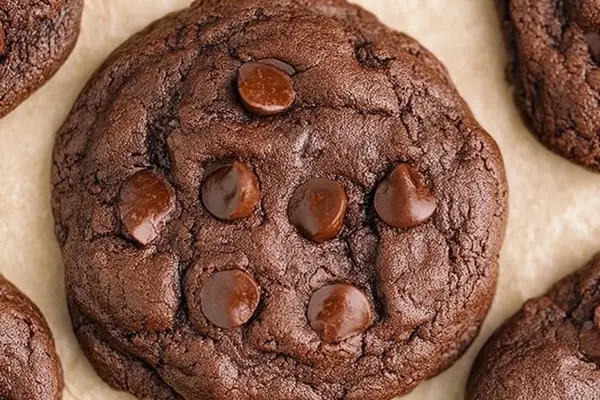
Chocolate Cookie Cocoa Powder Recipe

Broccoslaw Salad with Pineapple
French Onion Pork Loin Roast
Herb Pesto with Walnuts and Pecorino
Blueberry Spinach Smoothie with Greek Yogurt
Roasted Acorn Squash with Pecans & Date Syrup
Apple Blueberry Almond Muffins Recipe
Creamy Onion Soup with Gruyère & Sourdough
Asian Tofu Sandwich with Hoisin & Shiitake