Cauliflower Mornay Sauce with Sharp Cheddar

By Emma
Certified Culinary Professional
·
Recipe tested & approved
Cauliflower mornay sauce made with sharp cheddar, butter, and whole milk. This creamy cheese sauce features shallots and garlic for depth. Ready in 20 minutes.
Prep:
18 min
Cook:
16 min
Total:
34 min
Servings:
4 servings
Melt the butter first. Shallots go in before the garlic—garlic burns if you’re not watching. Three minutes and they soften, turn a bit glossy. That’s when you know they’re ready.
Why You’ll Love This Cauliflower Mornay Recipe
Tastes like restaurant food but takes 34 minutes total. Cheese is sharp enough you actually taste it—not some bland blanket situation. The nutmeg does something weird and good. Comfort food that doesn’t feel heavy. Works as a side dish for literally anything, or eat it alone on a Tuesday. Parsley at the end keeps it from tasting like pure butter and cream.
Shallots, Garlic, and What You’ll Need
Two French shallots, chopped fine. Not red onion. Shallots have something softer going on. One clove of garlic—that’s actually enough. More garlic and it takes over. Seventy milliliters of unsalted butter. Salted butter works but changes the seasoning math. Sixty-five milliliters of all-purpose flour. Just regular flour. Nothing special. Five hundred milliliters of whole milk. Not low-fat. That stuff’s too thin. Two hundred fifty milliliters of sharp cheddar, grated fresh if you can. Pre-shredded has stuff in it that keeps it from melting smooth. Two tiny pinches of ground nutmeg. Sounds weird. Trust it. A tablespoon of fresh parsley, chopped. Dried doesn’t have the same bite. Salt and black pepper. Four cups of cooked cauliflower florets. Steamed, roasted, air-fried—doesn’t matter. Just cooked.
How to Make Cauliflower Mornay Sauce
Heat the saucepan on medium. Butter goes in first. Watch it. The second it’s melted, add the shallots and garlic. Stir it constantly. Don’t let it brown. You want soft and glossy, not golden. Takes about three minutes. You’ll know because they stop being sharp-looking and turn kind of translucent.
Lower the heat a tiny bit. Sprinkle the flour over everything. Whisk hard. This is the roux. Cook it for three minutes more. The raw flour taste goes away but the color stays pale—barely cream-colored, almost white still. Don’t mess this up by getting impatient and turning heat up. Pale roux is the goal.
Milk goes in next. Pour it slow. Keep whisking the whole time. If you dump it all at once, you get lumps. Steady stream. Whisking. That’s it. Once it’s all in, turn heat to medium-high. Now watch it. The sauce will bubble. It’ll thicken. In eight to ten minutes it’ll coat the back of a spoon. That’s when you stop.
Getting the Sauce Right
Pull it off heat. Stir in the cheddar. Do it in pieces, not all at once. Bit by bit. It melts smooth if you go slow. The nutmeg goes in now. Just two tiny pinches. Then the parsley. Salt and pepper to taste. Taste it. Actually taste it. The sauce should nap the spoon—coat it but not stick like glue. If it’s too thick, splash in a bit more milk or cream. Not much. Just enough.
The cauliflower goes in a dish. Pour the sauce over. Do it while everything’s hot. The warmth matters—cold sauce on hot cauliflower or the other way around changes how it tastes. Serve it right away.
Mornay Sauce Tips and Common Mistakes
Don’t brown the shallots. I know it sounds good but it makes them bitter and the whole thing tastes like onion soup, not cauliflower mornay recipe anymore. Lower the heat if they’re starting to color. Melt the butter slow. Rush it and it browns instead of melts. The roux needs to cook. Two minutes won’t cut it. Three is right. Four gets dark. The milk has to go in gradual. This is how you avoid lumps. Can’t unsee lumpy cheese sauce. Medium-high heat after the milk is in. The sauce needs to bubble and reduce slightly or it tastes thin and floury. Eight to ten minutes is real time. No shortcuts. Remove from heat before the cheese goes in or it breaks and gets grainy. Sharp cheddar melts fine at this temperature. Mild cheese doesn’t have enough flavor—you’d need to use more and then it gets greasy. Nutmeg is small but try leaving it out once and you’ll get it. The sauce tastes flat without it. Parsley does the same thing—wakes everything up. Fresh matters.
Cauliflower Mornay Sauce with Sharp Cheddar
Prep:
18 min
Cook:
16 min
Total:
34 min
Servings:
4 servings
Ingredients
- 2 French shallots, finely chopped
- 1 clove garlic, minced
- 70 ml (1/3 cup) unsalted butter
- 65 ml (1/4 cup plus 1 tsp) all-purpose flour
- 500 ml (2 cups) whole milk
- 250 ml (1 cup) sharp cheddar, grated
- 2 pinches ground nutmeg
- 15 ml (1 tbsp) chopped fresh parsley
- Salt and black pepper to taste
- 1 litre (4 cups) cooked cauliflower florets
Method
- 1 Start heating a heavy-bottomed saucepan. Melt butter over medium heat. Add the shallots and garlic. Stir often until softened, glossy but not browned — about 3 minutes. Aromatics release a mild sweetness here; don’t rush or let brown.
- 2 Lower heat slightly. Sprinkle in flour, whisk or stir vigorously to coat shallots and create a blond roux. Cook 3 minutes more. The raw flour taste must vanish but color stays pale.
- 3 Gradually add the milk in steady stream while whisking continuously. This prevents lumps. Once all milk is in, raise heat to medium-high. Watch carefully — sauce will bubble, thicken, and cling to spoon edges in about 8-10 minutes.
- 4 Remove from heat, stir in cheese bit by bit until fully melted. The sharp cheddar adds bite but melts with creamy smoothness. Toss in nutmeg and parsley. Salt and pepper to taste. If sauce feels thick beyond coating limits, thin with splash of milk or cream. Should nap the back of a spoon.
- 5 Arrange cooked cauliflower in serving dish. Pour sauce evenly over. Serve immediately while the cheesy warmth contrasts with tender veggie.
Nutritional information
Calories
320
Protein
12g
Carbs
18g
Fat
24g
Frequently Asked Questions About Cauliflower Mornay Recipe
Can I make this sauce ahead? Yeah, make it an hour or two before. Pour it over the cauliflower right before serving. Cold sauce tastes thinner. You could reheat it in the microwave but it gets grainy sometimes. I usually just make it fresh. Takes 34 minutes.
What if my sauce is too thick? Add milk. A splash at a time. Stir it in. Keep tasting. Thick sauce is better than thin sauce anyway—easier to fix.
Can I use a different cheese? Sharp cheddar’s the one. Mild cheddar tastes like nothing. Gruyère works. Aged cheddar works better. Don’t use American cheese. Just don’t.
What happens if I brown the shallots by accident? The whole sauce tastes bitter and onion-y instead of subtle and cheesy. Start over if they go brown. It’s not fixable.
Does the roux need to be pale? Yes. Dark roux tastes nutty and changes the flavor into something that’s not mornay anymore. Pale roux is almost white with just a hint of beige. Cook it three minutes and stop.
Can I use low-fat milk? It thins out. The sauce gets watery. Whole milk’s the move. Heavy cream mixed with milk works too. Changes the flavor a bit—richer, heavier—but it works.
You’ll Love These Too
Explore all →
Cheesy Chicken Pasta Bake with Bacon
Tuna Salad Recipe with Dijon Mustard

Red Velvet Powdered Cookies with Cake Mix
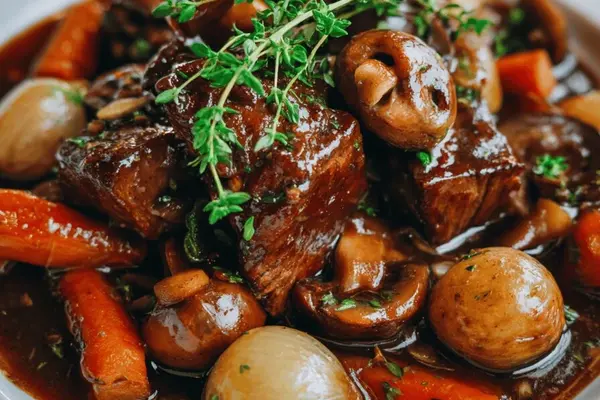
Seitan Bourguignon with Red Wine & Mushrooms

Donut Hole Cake Pops with Chocolate

Mini Quiches with Ham, Endive & Gruyère
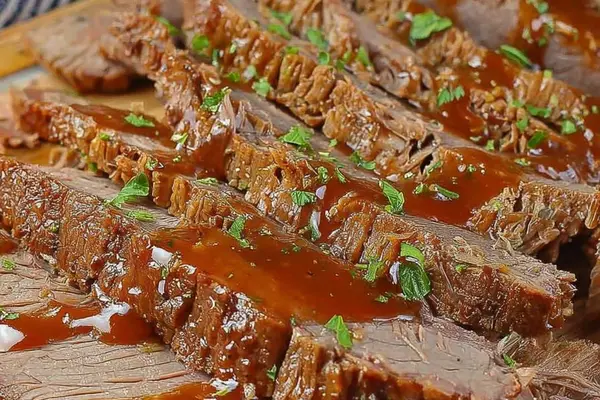
Instant Pot BBQ Brisket with Molasses Sauce

Cognac Foie Gras with Palm Sugar

Zucchini Dip with Feta and Roasted Garlic

Cheesy Basmati Arancini with Cheddar Béchamel

Cheese Biscuits Strawberry Shortcake Recipe
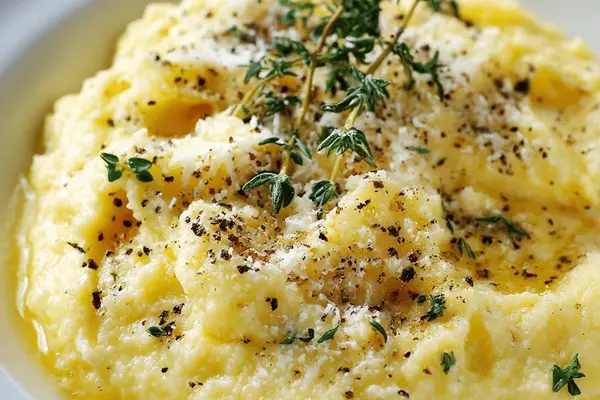
Quick Polenta with Taleggio Cheese Recipe

Creamed Chipped Beef on Toast Recipe
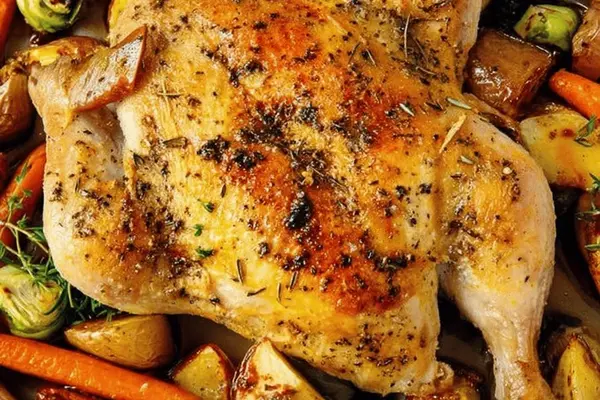
Herbed Spatchcock Chicken with Roasted Vegetables

Banana Pudding Pie with Nilla Wafers

Blackberry Cake with Ginger Ale

Peanut Butter Jelly Sundaes with Berry Jam

Italian Sausage Patties with Fennel Seeds
Creamy Mashed Potatoes with Kefir