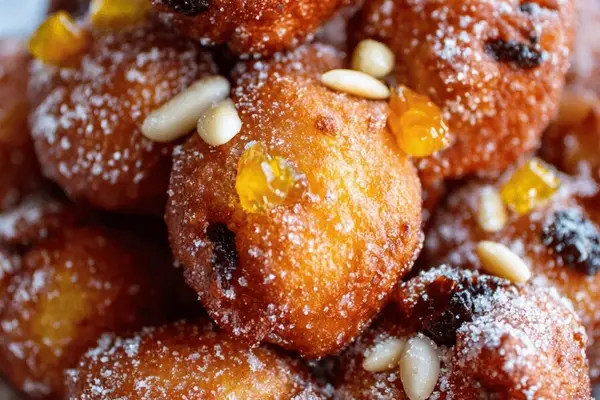
Apple Fritters with Pine Nuts and Candied Citrus
By Emma
Certified Culinary Professional
·
Recipe tested & approved
Soak the raisins the night before — they plump up in white wine and taste less like dried fruit, more like something that belongs here. Next morning, everything clicks into place in about an hour and fifteen minutes. Warm milk first. Yeast. Then eggs, sugar, butter. Fold in the flour, watch the dough come together soft and alive. The candied citrus peel and pine nuts go in next — lemon zest too, maybe a splash of orange blossom water if you want that floral thing. Then you just work it. Hand or machine. Twenty-five minutes of folding and turning until bubbles start breaking through the surface. It’ll double. You’ll poke it and feel it wobble back slow. That’s when you know it’s ready.
Why You’ll Love These Apple Fritters
Hot oil. Two minutes per side. The sugar coating snaps when you bite into it — actually snaps, you can hear it. Raisins plumped in wine taste nothing like regular raisins. They taste like they sat overnight in something good. Which they did. Not a holiday dessert that feels like work. An hour fifteen total, most of it just letting time do the thing. The citrus and pine nuts are barely there until you taste them. Then they’re the whole point. Lemon zest. Candied peel. It’s careful but it reads as obvious once it’s on your tongue. Fried. Not baked. Crispy outside, tender crumb inside, still warm enough to taste like dessert instead of something you’re eating because it’s there.
What You Need for Apple Fritters
Raisins soaked in dry white wine overnight — about a handful and a quarter, maybe 130 ml. Not rum or brandy. White wine. It doesn’t fight with the citrus. When you drain them, save that liquid. It goes back into the dough.
Warm milk. Just above body temperature — test it on your wrist like you’re checking a baby’s bottle. Around 250 ml.
Instant yeast. Three teaspoons. No active dry. Instant moves faster.
Two large eggs. Salt. A tablespoon of caster sugar, maybe slightly heaped. These feed the yeast without killing it.
Unsalted butter, melted and cooled. Forty ml. Cooled matters — hot butter scrambles eggs.
All-purpose flour, sifted. Seven hundred ml. The sift does something. Don’t skip it.
Candied citrus peel, diced small. One hundred fifty ml. Mixed peel works. Orange, lemon, citron — whatever combination your store has. Dice it small or it gets chewy instead of tender.
Toasted pine nuts. One hundred twenty ml. Already toasted before you buy them. They taste better that way.
Lemon zest. One whole lemon. Just the zest.
Orange blossom water. Fifteen ml if you want it. This is the twist. Not required. But it’s what makes people say they taste like something familiar but can’t place it.
Vegetable oil for frying. Neutral. Not olive. Not coconut. Vegetable oil or peanut oil. Smoke point has to be high.
Granulated sugar for coating. One hundred fifty ml. Standard. White.
How to Make Apple Fritters
Start the night before. Raisins in a bowl, white wine poured over. Cover it. Let them sit. By morning they’ve absorbed everything and swollen. When you mix the dough, you’ll drain them but keep the liquid. That wine-soaked liquid goes into the dough.
On fry day, warm the milk. Not hot. Warm. Test it on your inner wrist — should feel like body temperature, maybe slightly warmer. Pour it into a bowl. Sprinkle the yeast over it. Let it sit for a minute. Then stir until it dissolves. You’ll smell fermentation starting. That faint yeasty smell. That’s right.
Crack the eggs into the milk mixture. Add the sugar, salt, melted butter that’s cooled down. Stir it together. The sugar feeds yeast but too much kills it. This amount works.
Start folding in flour. Do this gradually. A wooden spoon works better than a whisk here — you’re folding, not beating air in yet. The dough should come together soft. Not sticky. Not stiff. Something between batter and dough. Something that feels alive.
Now add the raisins with all that wine liquid you saved. Add the candied peel, the pine nuts, the lemon zest. Orange blossom water too if you’re using it. Fold it all in.
This next part takes time. Lift the dough from underneath, fold it over the top. Rotate the bowl. Keep doing this for about twenty-five minutes if you’re doing it by hand. You’re building gluten. You’re aerating. After five minutes it gets easier. After ten it starts to feel different — smoother, less resistant. After fifteen you’ll see bubbles breaking through the surface. Keep going. If you have a stand mixer, low speed for twelve minutes does the same work in half the time. Don’t shortcut it. The folding is what makes fritters light inside.
Cover the bowl with a damp towel. Find a warm spot — not hot, just warm. Near a window if the sun’s out. Near a warm part of the kitchen if not. The dough should double. It’ll take maybe an hour. Poke it gently with your finger. If the indent wobbles back slowly, it’s ready. If it springs back fast, give it more time.
While you’re waiting, fill a heavy pot with vegetable oil. You need enough to submerge fritters — probably three or four inches. Heat it to 175°C (350°F). Use a thermometer. Don’t guess. The temperature is everything here.
How to Get Apple Fritters Crispy and Perfect
Once the oil’s ready and the dough’s doubled, you’re in the last phase. This is the actual frying.
Grab two spoons. Wet the spoon you’ll use to scoop — it stops dough from sticking. Scoop about thirty ml of dough with one spoon. Use the other spoon to ease it into the hot oil. Don’t drop it. Ease it. Don’t overcrowd. Two or three fritters per batch. If you cram them in, temperature crashes and they absorb oil instead of frying.
They’ll float immediately. They shouldn’t. If they float right away, oil’s too hot and they’re cooking outside before inside sets. Lower the heat slightly. They should sink, then float after a minute or so. When they float, start timing.
Two minutes on the first side. You’ll hear the oil crackle steady. The edges turn golden — not brown, golden. Then flip. Another two minutes. The second side always needs less time. It’ll turn golden faster. When the whole fritter is golden brown and firm, it’s done. The outside’s crisp, the inside’s still tender.
Pull it out with a slotted spoon. Let the oil drain back into the pot. Lay it on paper towels for a second. Then — and this is critical — toss it immediately in the granulated sugar while it’s still hot. The heat makes the sugar cling. Once it cools it won’t stick the same way.
Repeat. Batch after batch. The oil temperature will drop as you fry. Let it recover between batches. If the first batch took two minutes per side, the fifth batch might take two and a half. That’s normal. The dough got richer as it sat. It’s denser. It needs slightly more time.
If a fritter comes out dark too fast or pale too slow, adjust the temperature next time. But you can’t adjust mid-batch without ruining whatever’s in the oil. So watch the first batch. Know your oil. Lower oven, higher oil — find the line. Most stoves run hotter than they say. Most oil cools faster than thermometers predict.
Apple Fritters Tips and Common Mistakes
The dough fails dense if the yeast was old or the warm-up period was cold. Room temperature matters more than people admit. A cold kitchen adds time. A warm kitchen saves it. Same dough. Different timeline.
If raisins taste like nothing, the soaking liquid was wrong. Rum or brandy mutes the citrus. Sherry works. Brandy works if you have it. But white wine — dry white wine — plays better with lemon and orange peel. That’s the play here.
Orange blossom water is subtle. It’s not supposed to announce itself. You taste the citrus first, then you taste this floral note underneath. If it tastes perfumy, you used too much. Start with fifteen ml. Taste. Add more if you want it stronger. You can’t take it out.
Candied peel gets tough if the dough’s too warm during mixing. Keep the dough cool. This matters for texture.
Leftovers last a day, maybe two. They’ll get soft. Refresh them in a 150°C oven for five minutes. They’ll crisp up slightly. Won’t taste fresh-fried. Better than stale though.
Don’t refrigerate the dough before frying. It gets gluey. And don’t try to fry cold dough — it’ll burn outside, stay raw inside.
The sugar coating only sticks while the fritter’s hot. If you forget to coat one, you can toss it in sugar after, but it won’t stick the same way. So coat immediately.
If oil smokes, it’s too hot. Lower the heat. Smoking oil tastes burnt and smells wrong. The whole batch gets marked by it.
Apple Fritters with Pine Nuts and Candied Citrus
Prep:
50 min
Cook:
25 min
Total:
1h 15min
Servings:
30 fritters
Ingredients
- 130 ml handpicked raisins soaked overnight in 50 ml dry white wine
- 250 ml warm milk (about 38°C)
- 15 ml instant yeast (3 tsp)
- 2 large eggs
- 40 ml caster sugar (tablespoon slightly heaped)
- 1 pinch fine sea salt
- 40 ml melted unsalted butter, cooled
- 700 ml all-purpose flour sifted
- 150 ml mixed candied citrus peel, diced small
- 120 ml toasted pine nuts
- Zest of 1 lemon
- 15 ml orange blossom water (for twist)
- Vegetable oil for deep-fat frying
- 150 ml granulated sugar for coating
Method
- The night before
- 1 Soak raisins in wine. Cover bowl, let plump and infuse overnight. Dry wine preferred to avoid extra sweetness. If stuck, substitute dry sherry or brandy. Avoid soaking in rum; it mutates flavor balance here.
- On fry day
- 2 Warm milk to luke-warm warmth; test on wrist. Mix yeast until dissolved, no lumps—listen for faint scent of fermentation starting.
- 3 Add eggs, sugar, salt, melted butter. Stir well. Sugar feeds yeast but too much will kill bubbles. Balance critical.
- 4 Fold in flour gradually. Use a wooden spoon to bind ingredients into soft dough. Avoid stiff paste; think relaxed batter that’s tactile not sticky.
- 5 Add soaked raisins with liquid, candied peel, pine nuts, lemon zest and splash orange blossom water for floral note; subtle but noticeable.
- 6 Now comes labor: lift dough from underneath and fold over top, rotating bowl – roughly 25 minutes by hand creates aeration, look for shimmering bubbles breaking through surface. No mixer? Patience pays off. Or if machine’s ready, mix low speed 12 minutes, don’t shortcut.
- 7 Cover with damp towel, keep near warm spot but not hot. Dough should double, visible puff with finger poke wobbles back slowly—indicates yeast activation and gluten development.
- 8 Preheat oil to 175°C (350°F) — use neutral vegetable oil to avoid flavor interference and smoke point issues.
- 9 For shaping: two spoons scoop about 30 ml dough into hot oil. Do not overcrowd; fry in batches for temperature stability.
- 10 Each fritter fries for 2-3 minutes per side. Listen for steady crackle, golden brown edges indicate crisp, not burnt. Drain on paper towels suds off excess; immediately toss in sugar to coat before cooling stiffens shells.
- 11 Serve warm, sugar crackling audible on bite, fragrance of citrus bright but delicate with soft raisins punctuating.
- 12 If dough collapses or is dense after fry, next batch knead more or extend warm rise by 10 minutes. Ambient temperature impacts time.
- 13 Store leftovers in airtight container but best day of fry; refresh in low oven if needed.
Nutritional information
Calories
220
Protein
5g
Carbs
32g
Fat
8g
Frequently Asked Questions About Apple Fritters
Can I make these without orange blossom water? Yeah. It’s optional. You’ll still have lemon zest and candied peel, so there’s citrus happening. The orange blossom water adds a floral thing. Not necessary. Just nice.
How long can I store them? Best day you fry them. Next day they’re softer, still okay if you warm them. Third day, skip it. They don’t age well.
What if I don’t have candied peel? Use more lemon zest then. Or diced dried apricot. Or just skip it and let the raisins be the fruit. Not ideal, but it works.
Can I bake apple fritters instead of frying? Not really. Baked you get cake. Fried you get crispy outside, tender inside. They’re different things.
What’s the substitute for pine nuts? Chopped almonds. Chopped walnuts. Even chopped hazelnuts. Toasted first. Pine nuts have a specific buttery thing, but other nuts work.
Do I have to soak the raisins overnight? You can do it for a few hours if you’re in a rush. But overnight is better. They actually absorb the wine that way instead of just getting damp on the outside.
You’ll Love These Too
Explore all →
Spicy Chicken Dip with Greek Yogurt
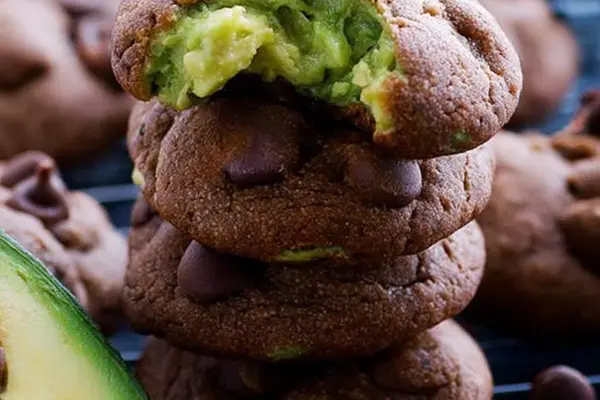
Avocado Chocolate Cookies with Walnuts
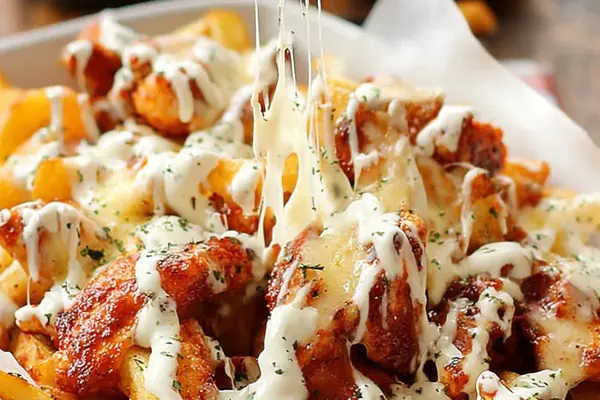
Air Fryer Buffalo Wings
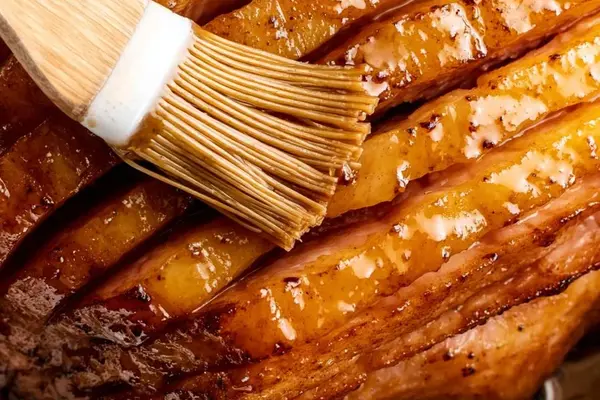
Pineapple Ham Glaze with Orange Juice
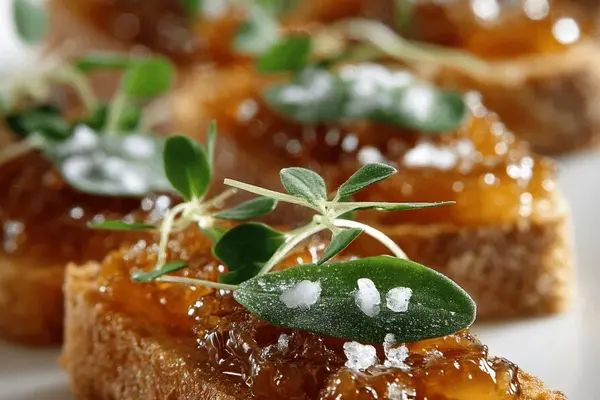
Foie Gras Canapés with Peach Preserves
Pumpkin Muffins with Greek Yogurt
Frozen Popsicles with Raspberries and Peaches
Crispy Oven Bacon Recipe with Maple Glaze
Greek Yogurt Breakfast with Carrot Jam
Oyster Appetizers with Coconut Lemongrass Sauce
Braised Beef Pappardelle with Butternut Squash
M&M Cookies With Pecans and Crunch
Cheese Biscuits Strawberry Shortcake Recipe
Quick Pickled Cauliflower with Mustard Seeds
Strawberry Cake with Cream Cheese Frosting
Instant Pot Shrimp Biryani with Basmati Rice
Chicken Chorizo Olive Skewers Grilled
Rustic Shortcakes with Spelt Flour & Berries
Air Fryer Goat Cheese Salad with Kale