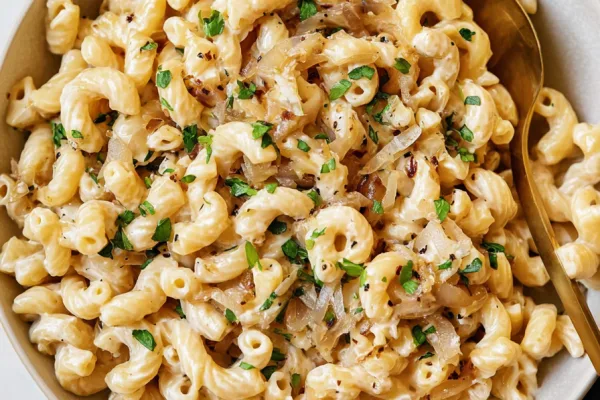
Caramelized Onion Pasta with Mascarpone
By Emma
Certified Culinary Professional
·
Recipe tested & approved
Caramelized onion pasta with mascarpone cheese, garlic, and beef broth creates a rich, creamy sauce. Yellow onions and fresh thyme build deep flavor.
Prep:
15 min
Cook:
55 min
Total:
1h 10min
Servings:
8 servings
Butter goes in first—medium-high heat, watch it like it’s going to burn because it almost will. Five pounds of onions after that. Looks impossible. It’s not.
Why You’ll Love This Caramelized Onion Pasta
Takes 70 minutes total but barely needs you once they start cooking. Stir every few minutes. Walk away. Come back.
One pot. Skillet to plate. Cleanup’s fast.
Tastes like you spent actual time on this—restaurant level umami. Onions turn sweet and deep, nothing sharp left. Mascarpone melts into it all, makes it creamy without being heavy.
Works as a weeknight dinner or something you’d serve to people. Cold too, if you have leftovers—not better, but fine.
Comfort food that doesn’t feel like a slog to make.
What You Need for Caramelized Onions and Pasta
Butter. Six tablespoons. Unsalted. Salted changes everything and not in a good way.
Five large yellow onions. Not red. Not sweet onions. Yellow. They caramelize different.
Salt early. A teaspoon to start, more later. Salt draws the water out and that’s the whole thing—moisture leaves, sweetness concentrates.
Garlic and thyme go in later, not now. Raw garlic in hot butter turns bitter. Wait.
Red chili flakes. A half teaspoon. Not for heat exactly. Just a thing in the background.
Flour—two tablespoons. Binds everything. Makes it creamy without cream.
Beef broth. Four cups. Room temperature so you don’t shock the pan.
Pasta. Fettuccine or tagliatelle. Something that catches sauce. Not spaghetti. The ribbons hold it better.
Mascarpone. Four ounces. Softened first—cold cheese won’t melt smooth into hot pasta.
Parmesan or Pecorino. Fresh grated. The kind from a block, not the green can.
Parsley at the end. Chopped. Bright.
White wine’s optional. Use it if you want. Doesn’t matter much.
How to Make Caramelized Onion Pasta
Melt the butter over medium-high. Don’t let it brown. It’ll smell nutty and want to go further—stop before it does.
Onions go in. All of them. Stir them around so they coat in butter. Add a pinch of salt. This pulls moisture out fast.
After five minutes they’ll look wet and glossy. That’s not caramelized. That’s just starting. Lower the heat to medium-low right now.
This is where time lives. Fifty to sixty minutes. Stir every three or four minutes. The onions shrink down to almost nothing, turn dark amber, get jammy. Some brown bits stick to the bottom of the pan—that’s flavor, not burning. If it’s stuck hard, splash in some wine or broth and scrape it up. Get all of it.
While the onions work, get your pasta water going. Salted water, not sea-salt level but enough to taste like the ocean a little. Boil it. Cook pasta until it’s just barely al dente—still has a tiny bite, not soft. Reserve two cups of the water before you drain. This starch thickens the sauce later in a way cream never does.
The onions should be almost black now. Deep amber at minimum.
Add the minced garlic and thyme. Stir for about a minute. You’ll smell when it’s right. Stop there or garlic goes bitter.
Sprinkle the flour over everything. Coat it all. Stir for two minutes—this cooks out the raw flour taste.
Pour the beef broth in slowly, stirring as you go so no lumps form. Let it simmer gentle for three or four minutes. It thickens a little. That’s right.
How to Get Creamy Caramelized Onion Sauce Pasta
Toss the cooked pasta straight into the skillet with the onions. Pour in half a cup of reserved pasta water. Stir it around—the pasta soaks in sauce now instead of sitting dry.
Softened mascarpone goes in next with another half cup pasta water. Low heat. Stir. Let the cheese melt into everything. It’ll look rich and creamy, coating every strand.
Taste it. Adjust salt. The mascarpone is mild so you probably need more salt than you think.
Add more pasta water if it feels thick or clumpy. You want luscious. Something that moves on the plate but clings to the pasta. Not soup. Not stiff either.
Caramelized Onion Pasta Tips and Common Mistakes
Don’t rush the onions. I know it says 50 minutes but mine takes closer to an hour. Heat varies. Patience wins here.
The flour matters. It’s not just thickener—it changes the texture of the whole thing. Don’t skip it.
Mascarpone separates if you overheat it. Low heat. Stir constant. It’ll break if you’re not careful and then it’s grainy.
Pasta water is not trash. The starch in it is the secret to the sauce clinging. Use it.
Fresh garlic, fresh thyme. Dried doesn’t work the same way here. The sauce is simple enough that mediocre ingredients show.
Some people add heavy cream instead of just pasta water and mascarpone. Works. But then it’s less about the onions and more about the cream. Your call.
Red chili flakes are optional but they shouldn’t be. Just a half teaspoon. Adds depth.
Caramelized Onion Pasta with Mascarpone
Prep:
15 min
Cook:
55 min
Total:
1h 10min
Servings:
8 servings
Ingredients
- 6 tbsp unsalted butter, divided
- 5 large yellow onions, thinly sliced
- 1 tsp salt, plus extra to taste
- 1/4 cup dry white wine, optional for deglazing
- 4 cloves garlic, minced
- 2 sprigs fresh thyme, chopped
- 1/2 tsp red chili flakes
- 2 tbsp all-purpose flour
- 4 cups beef broth, room temperature
- 1 lb dried pasta (fettuccine or tagliatelle preferred)
- 4 oz mascarpone cheese, softened
- Fresh grated Parmesan or Pecorino cheese, for serving
- Chopped fresh parsley, for garnish
Method
- 1 Butter melt in heavy skillet or wide saucepan over medium-high. Watch carefully to avoid browning.
- 2 Add onions in handfuls, stirring often, seasoning lightly with salt early to draw moisture. They should look glossy and start softening after 5 minutes.
- 3 Lower heat to medium-low once softened. Patience essential here. Slow caramelizing for 50-60 minutes. Stir every 3-4 minutes. Look for deep amber hue, jammy texture, no burning.
- 4 If brown residue sticks to pan, splash wine or broth to loosen it, scraping bottom to get all flavor bits.
- 5 While onions work, boil salted water for pasta. Cook until just al dente, firm with slight bite.
- 6 Reserve two cups pasta water before draining. Set pasta aside.
- 7 Add garlic, thyme, chili flakes to onions. Stir until fragrant, about 1 minute. Not too much heat or garlic burns bitter.
- 8 Sprinkle flour over onions, stirring well to coat everything evenly. Cook 2 minutes to get rid of raw flour taste. Flour helps thicken sauce later.
- 9 Gradually pour beef broth, stirring constantly to avoid lumps. Simmer gently 3-4 minutes until slightly thickened.
- 10 Toss pasta into skillet with onions. Pour in half cup reserved pasta water. Stir to combine, pasta soaking in sauce.
- 11 Add mascarpone next with another half cup pasta water. Stir over low heat to melt cheese completely, coating strands creamy and rich.
- 12 Taste now. Adjust salt, pepper. Add more pasta water if sauce feels thick or clumpy, aiming for luscious texture that clings but moves.
- 13 Serve with generous sprinkling fresh grated cheese and parsley for bright finish.
Nutritional information
Calories
390
Protein
12g
Carbs
45g
Fat
18g
Frequently Asked Questions About Caramelized Onion Pasta
Can I make caramelized onion pasta in a slow cooker? Yeah. Put the onions, butter, and salt in on low for 6 to 8 hours. Stir once in a while. They’ll caramelize slow. Then follow the rest from the garlic step. Saves you stirring every few minutes.
How long does caramelized onion pasta last in the fridge? Three days, maybe four. Sauce gets thicker as it sits. Add a splash of broth or pasta water when you reheat. Tastes fine. Not as good as fresh but fine.
Can I use a slow cooker and still get that deep color? Not the same. Slow cooker onions are softer but paler. You get caramelized flavor eventually but it’s different—more steamed than roasted-tasting. Works but it’s another dish basically.
What if I don’t have mascarpone? Cream cheese works. Ricotta’s thinner but okay. Heavy cream works too—just add a quarter cup instead of the mascarpone and you get different texture. Not as rich but still good.
Should I use dry or fresh thyme? Fresh. Dried tastes dusty in something this simple. Fresh stays bright.
What pasta shape works best for caramelized onion sauce? Anything flat and ribbon-like. Fettuccine. Tagliatelle. Pappardelle if you’re feeling it. Rigatoni works in a pinch. Not spaghetti—too thin. Sauce slides right off.
Can I make vegan caramelized onion pasta? Use olive oil instead of butter. Nutritional yeast or a vegan cheese instead of mascarpone and Parmesan. It works. Less rich but the onions carry it fine.
Do I have to deglaze with wine? No. Broth does the same thing. Wine’s optional. Honestly doesn’t change much either way.
You’ll Love These Too
Explore all →
Italian Chicken Loaf with Parmesan & Tomato
Beef Steak Marinade with Spice Rubs
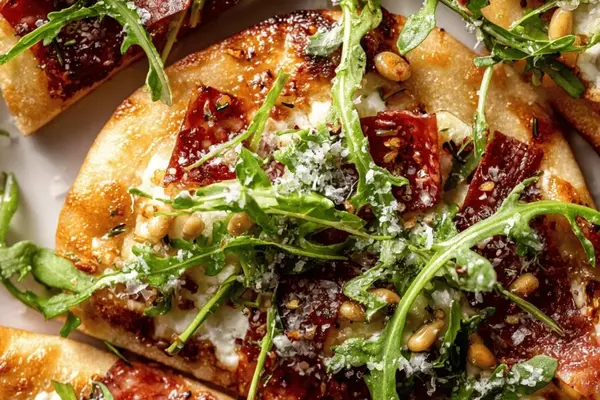
Neapolitan Pine Nut Pizzas with Ricotta
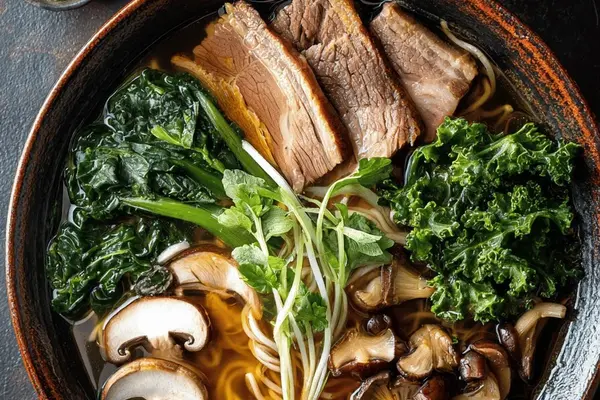
Japanese Hot Pot with Pork, Miso Broth
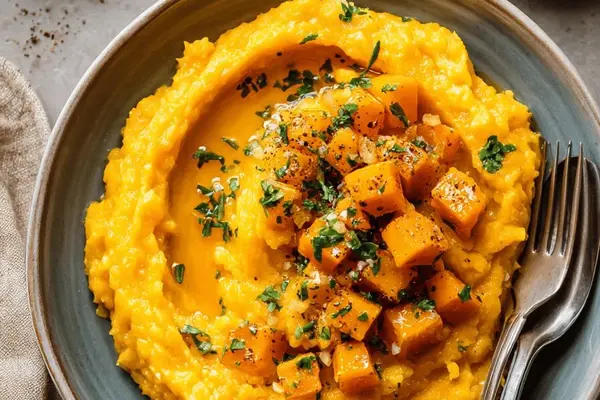
Butternut Squash Puree with Roasted Garlic
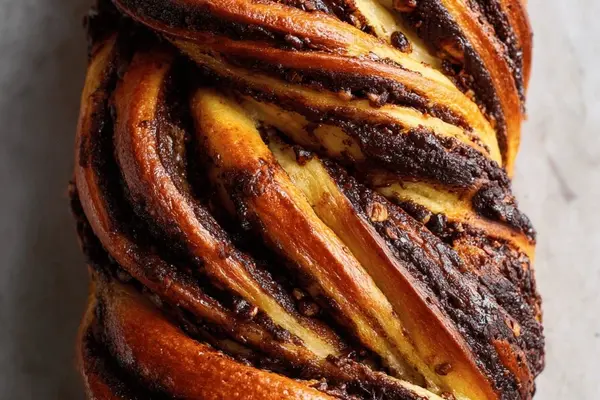
Chocolate Swirl Babka with Espresso
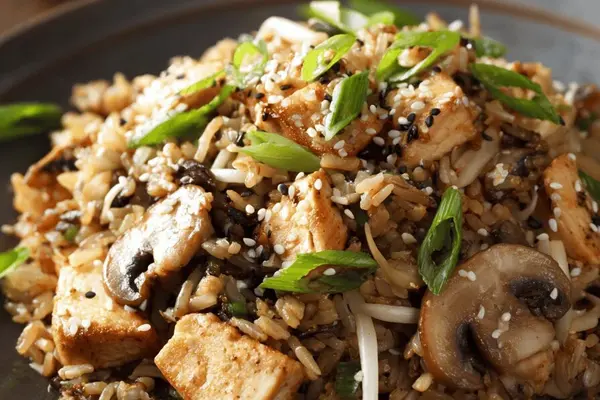
Ginger Chicken Fried Rice with Mushrooms
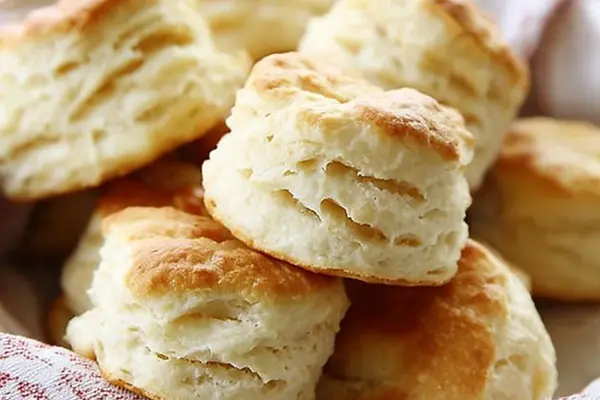
Buttermilk Biscuits Recipe with Flaky Layers
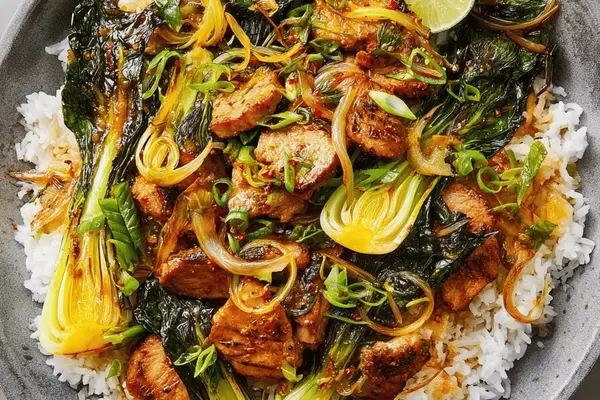
Ginger Pork Stir-Fry with Lime & Bok Choy
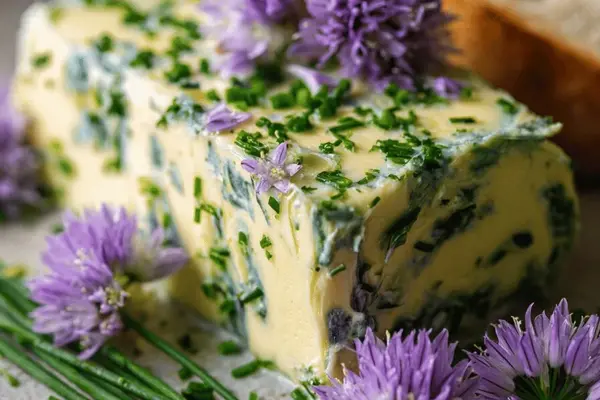
Chive Blossom Butter Recipe
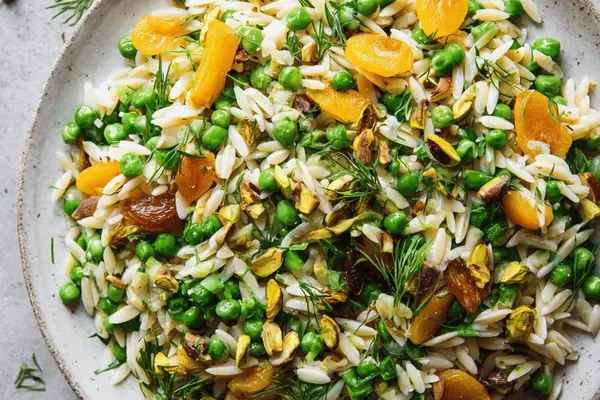
Orzo Salad with Peas, Apricots & Pistachios
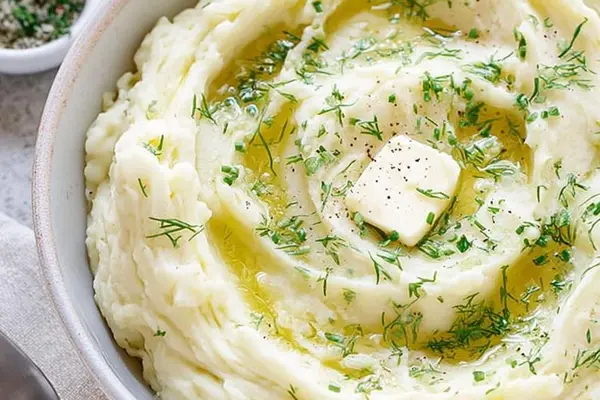
Slow Cooker Garlic Dill Mash
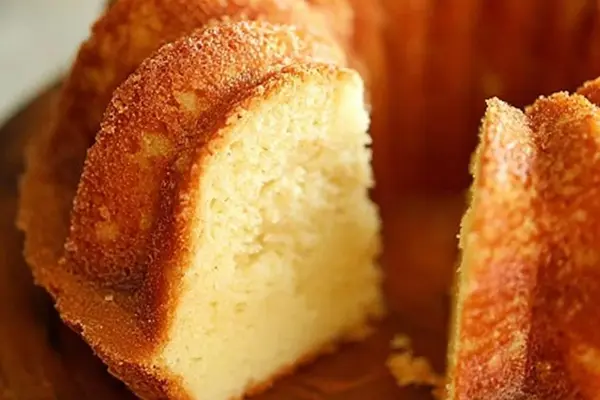
Buttercream Lemon Pound Cake Recipe
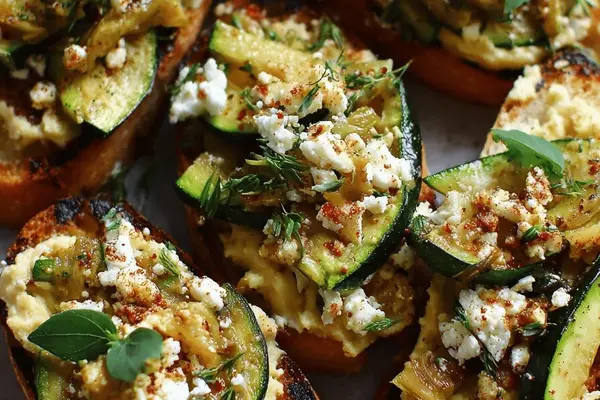
Zucchini Appetizers with Hummus and Feta
Pineapple Upside Down Cake with Pecans
Cowboy Spaghetti with Bacon & Cheddar
Creamy Cheese Tortellini with Pancetta
Lemon Dill Salmon - Easy Oven Baked
Pumpkin For Pie Cake with Pudding