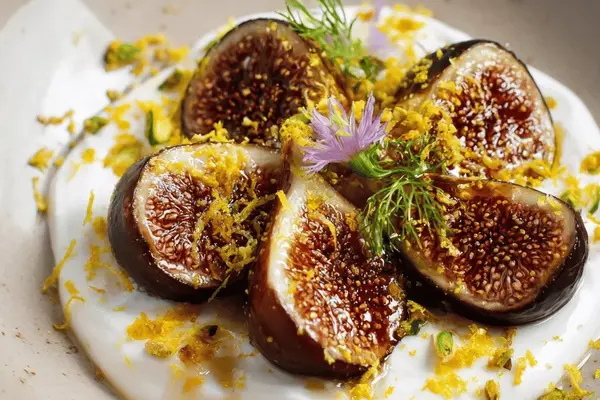
Caramelized Figs with Greek Yogurt & Honey
By Emma
Certified Culinary Professional
·
Recipe tested & approved
Listen for the sizzle. That sound means the sugar’s turning amber, not burning. Four fig halves, ghee, coconut sugar — that’s the whole move. Seven minutes of prep. Six in the pan. Done before you finish your coffee.
Why You’ll Love This Caramelized Figs Honey Yogurt Twist
Warm figs, cold yogurt. That contrast hits different — the tang cuts through the sweetness so it doesn’t sit heavy. No oven. No baking. Just a skillet and 13 minutes total. Looks like you spent actual time on it. Tastes like honey and caramel just happened to collide on a plate. Works as dessert. Also works after dinner when you want something that feels fancy but isn’t complicated. Or breakfast, honestly. Wildflower honey with lemon zest. That citrus stops the whole thing from going too sweet. Changes everything about how it tastes.
What You Need for a Fig Dessert with Honey and Yogurt
Ripe figs. The ones that give a little when you squeeze them. Not hard. Not mushy. Ghee or clarified butter. Quarter cup melted. Olive oil burns here — don’t bother. Coconut sugar. Two tablespoons. Brown sugar works. White sugar gets sharp instead of round. Greek yogurt. The thick kind. Not the runny stuff. Labneh if you can get it — tangier, creamier. Wildflower honey. More than you think you’ll need. Fifty milliliters. A little extra doesn’t hurt. Lemon zest. One teaspoon. Stir it into the honey while the figs cook. Optional, but don’t skip it.
How to Make a No Bake Dessert with Honey and Caramelized Figs
Heat the skillet first. Medium, no higher. Wait until a drop of water hits it and vanishes immediately — that’s your signal the pan’s ready. Toss the fig halves in melted ghee, coating every surface. They need that fat to brown right. Sprinkle coconut sugar on the cut sides. Be generous. Uneven is fine. Actually better — some spots get darker, which means more texture.
Lay them cut side down in the pan. Now you listen. The sizzle should be steady, not aggressive. Sugar caramelizing sounds different from butter burning — it’s quieter, steadier. Watch the edges. Around three to four minutes, they’ll start bubbling with amber spots. That’s what you’re after. Golden. Almost dark. Don’t stir. Don’t press. Just leave them alone. The pan does the work.
How to Get Caramelized Figs Perfect Every Time
Flip them gently. One motion, one spatula. Cut side up now. The flesh should be soft but not falling apart — still holding its shape. Kill the heat immediately. They keep cooking from the pan’s warmth. Let them sit for a minute or two. That’s when the inside gets even softer. The caramel on the outside stays firm.
While they rest, stir lemon zest into honey if you’re using it. Let it sit. Spoon yogurt onto plates — a generous dollop, rounded scoop, the kind that looks intentional. Lean the warm figs against it. The yogurt should be cold. Really cold. That’s the whole thing. Warm against cold. Sweet against tart. It’s why this works.
Drizzle the honey over everything. Not just the figs — over the yogurt too. The honey pools slightly, mixes with the yogurt, creates this amber-and-white swirl on the plate. Serve right then. Cold yogurt starts warming up after a few minutes. You lose the contrast. Move fast.
Caramelized Fig Yogurt Parfait Tips and Common Mistakes
Medium heat is not a suggestion. Too hot and the sugar burns before the figs soften. Too low and they steam instead of caramelize — you’ll notice because the sizzle gets quiet and the edges won’t brown.
Don’t halve the figs until you’re ready to cook. Once they’re cut, they start oxidizing. Not a disaster, but they brown faster and the fresh flavor fades.
The pan matters. Non-stick or seasoned cast iron. Stainless steel and the sugar sticks. Learned that one the hard way.
Ghee melts clean. Butter has milk solids that can burn at higher temps. Ghee doesn’t have that problem. If you only have butter, that’s okay — just watch it closer and keep the heat slightly lower.
Figs vary. Ripe ones take three minutes. Less ripe ones might need four. Watch the color. That amber is your timer, not the clock.
Caramelized Figs with Greek Yogurt & Honey
Prep:
7 min
Cook:
6 min
Total:
13 min
Servings:
4 servings
Ingredients
- 4 ripe figs, halved
- 25 ml ghee or clarified butter, melted
- 25 ml coconut sugar
- 450 ml thick Greek style yogurt or labneh
- 50 ml wildflower honey
- 1 tsp lemon zest (to infuse honey, optional)
Method
- 1 Warm a non-stick skillet over medium heat until a drop of water sizzles and evaporates quickly. Toss fig halves in melted ghee, coating fully. Sprinkle coconut sugar evenly on cut sides.
- 2 Lay figs cut side down in skillet. Listen for slow sizzle – sugar caramelizing without burning. Wait until edges bubble with golden amber spots (about 3 to 4 minutes). Avoid stirring or pressing figs.
- 3 Flip figs gently using a thin spatula. Remove from heat immediately. Rest figs in pan 1 to 2 minutes – residual heat softens them further without breaking apart.
- 4 Meanwhile, stir lemon zest into honey if using; let sit. Spoon yogurt onto plates with a rounded scoop. Place figs leaning against yogurt mounds.
- 5 Drizzle honey-laced with citrus over figs and yogurt. Serve immediately. Contrast between warm figs and cool tangy yogurt is key.
Nutritional information
Calories
180
Protein
6g
Carbs
28g
Fat
7g
Frequently Asked Questions About Honey Yogurt Bowl with Caramelized Figs
Can you make this ahead? Not really. The whole thing depends on warm figs hitting cold yogurt. If you make it early, everything becomes room temperature and it loses the point. You can caramelize the figs earlier and reheat them in the pan for 30 seconds when you’re ready. Yogurt stays cold until the last second.
What if you don’t have ghee? Butter works. Coconut oil works — adds a subtle flavor that’s kind of good with figs. Avocado oil is fine too. Not olive oil. It breaks.
Can you use regular yogurt instead of Greek? You can, but it’s thinner. Won’t look the same. Drains watery. Greek yogurt has the body to hold the figs up and look intentional on the plate.
What’s the lemon zest actually doing? Cutting through the sweetness. Fig and honey together can feel heavy. Lemon zest in the honey stops that. Makes it taste brighter. You notice the caramel more than the sugar.
How do you know the figs are done? Golden amber spots on the edges. The cut side should be darkened. When you flip them, the flesh gives slightly under the spatula but doesn’t fall apart. If you’re not sure, give it one more minute. It’s hard to actually ruin them — worst case they get darker.
Do you have to use wildflower honey? No. Any honey works. Wildflower just has more depth than clover honey. But clover works fine. Raw honey, pasteurized, doesn’t matter. Heat kills the raw enzymes anyway.
You’ll Love These Too
Explore all →
Banana Chocolate Chunk Bread Recipe

Slow Cooker Chili with Ground Turkey
Peanut Butter Muffins with Chocolate Chips
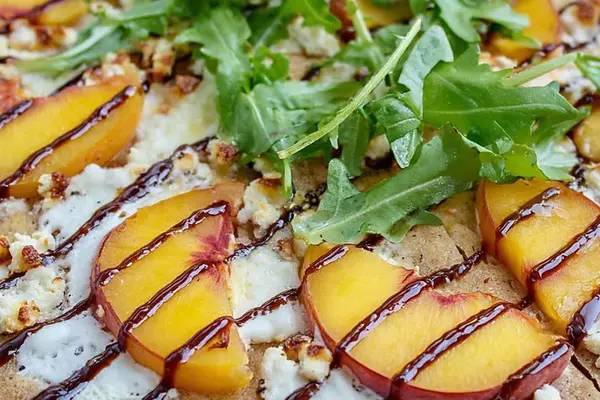
Peach Pizza with Gorgonzola and Arugula
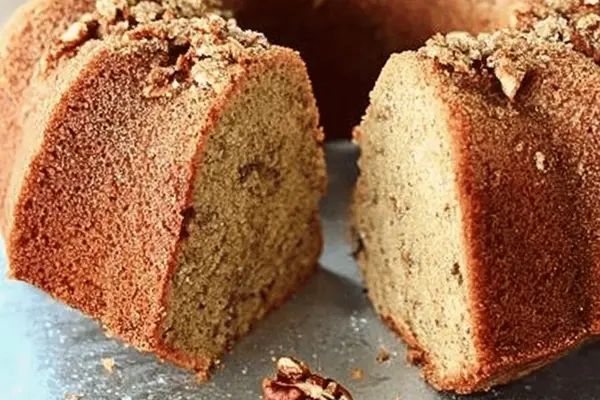
Brown Sugar Pecan Cake with Butter
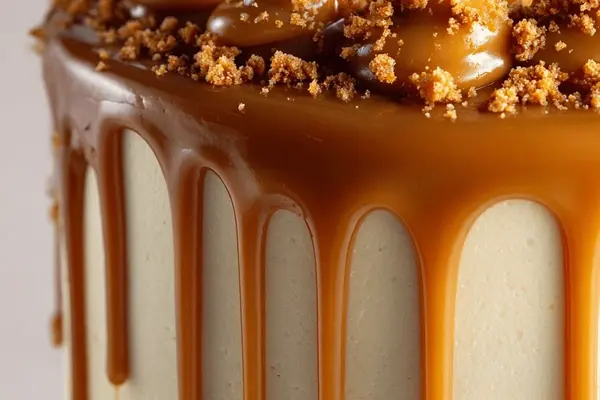
Salted Caramel Chocolate Cake Recipe

Ground Beef Enchiladas with Cheddar
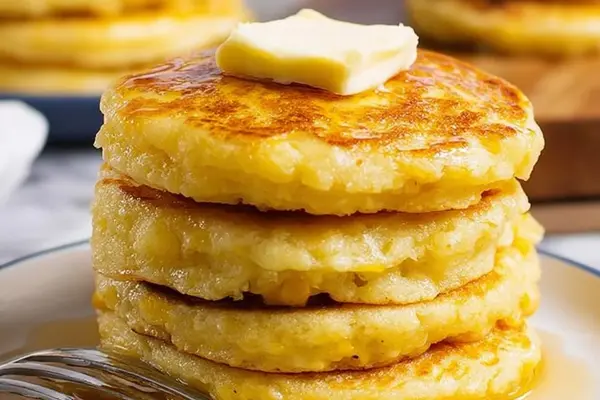
Griddle Corn Cakes with Fresh Kernels
Easy Blackberry Cobbler with Cake Mix
How to Make Boiled Peanuts in Pressure Cooker
Ground Beef Burger Recipe with Garlic
Fruit Cake with Raisins, Cherries & Spices
Clams Casino with Bacon and Cracker Topping
Mushroom Pasta with Pancetta & Cream Sauce
Homemade Crisp Breadcrumbs from Day-Old Bread
Pumpkin Snickerdoodle Recipe Cookies
Spicy Seafood Pasta with Crushed Tomatoes
Crispy Fried Eggplant Pita Sandwich
Carbonara Dish: Homemade Pasta with Eggs