Grilled Banana Dessert with Maple Syrup
By Emma
Certified Culinary Professional
·
Recipe tested & approved
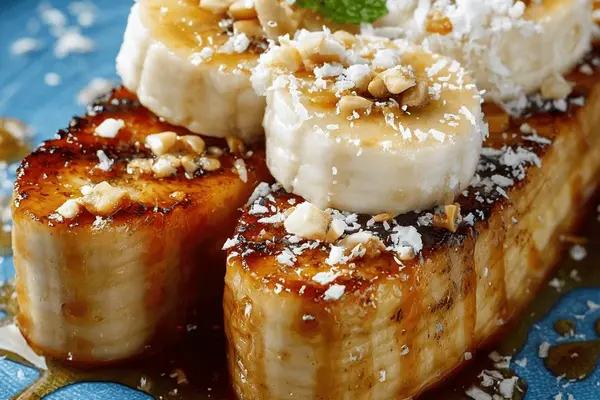
Grilled banana dessert wrapped in foil with maple syrup, orange liqueur, and coconut cream. Sweet, sticky tropical flavors ready in 12 minutes with minimal prep.
Prep:
7 min
Cook:
12 min
Total:
19 min
Servings:
1 serving
Banana goes on foil. Maple syrup, orange liqueur, coconut cream follow. Seal it up and the grill does the rest. Nineteen minutes total and you’ve got something that tastes like you actually tried.
Why You’ll Love This Caramelized Banana Foil Packet
Takes 7 minutes to prep. Twelve on the grill and it’s done. Tastes like dessert but it’s vegetables — well, fruit. Vegetarian. No guilt involved. Works over any heat. Campfire, backyard grill, whatever. One foil packet. The liqueur burns off mostly. Kids can eat it. Adults notice it was there. Coconut cream melts into the banana juice and becomes actual sauce. Not trying too hard.
What You Need for Grilled Banana with Maple Syrup and Orange Liqueur
One small banana. Peeled. Not brown yet — you want it firm enough to hold together.
Maple syrup. Twenty milliliters. Not honey. Honey tastes different. You could use agave but maple works better here.
Orange liqueur. Twenty milliliters. Grand Marnier if you want to spend money. Cointreau works. Something with orange in it — don’t overthink it. No liqueur? Skip it. The dish still works but tastes less interesting.
Coconut cream. Twenty milliliters. Canned. The thick stuff at the top. Not coconut milk. Different texture, different fat content. Matters.
Heavy duty aluminum foil. The kind that doesn’t rip. Regular foil tears when you’re sealing it and then steam escapes everywhere.
How to Make Caramelized Banana Foil Packets on the Grill
Get the grill hot. Medium heat. Not blazing — if you can’t hold your hand there for three seconds, dial it back.
Fold the foil. Not once. Twice. Heavy duty, doubled over, so when the steam builds it doesn’t burst through.
Lay the banana on the foil. Peeled side up. Drizzle the maple syrup over it. Not all in one spot — spread it around. It pools and burns if you’re not careful.
Fold the foil loosely. This is important. You want a pocket. An open pocket where the liquid sits. Fold three sides. Leave the fourth side open like a canoe. This is where the orange liqueur and coconut cream go.
Pour them in. Both at the same time. The liqueur goes in first — twenty milliliters — then the coconut cream follows. It doesn’t mix. It layers. That’s fine. That’s supposed to happen.
Seal it now. Fold the fourth side over. Tight. But don’t crush it. Leave room for steam. A sealed foil packet with no room to expand turns into a bomb.
How to Get Caramelized Banana with Coconut Cream on the Grill
Place it on the grate. Foil side down. Grill for 12 minutes. Maybe 11 if your grill runs hot. Maybe 13 if it doesn’t. You’re looking for the banana to soften all the way through — it’ll go from firm to almost falling apart. The juices bubble. You’ll hear them. That’s done.
Open it carefully. Steam comes out fast. Seriously — use tongs. The foil is hot. The steam is hotter.
Look inside. The banana should be breaking apart slightly. Golden. The sauce should be bubbling at the edges. The liqueur smell fades — that means the alcohol cooked off. Some of it anyway.
Serve it in the foil. Don’t plate it. The sauce pools in the foil and you’ll spill it moving it. Tear the foil open, eat it with a spoon straight from there. The juices are the whole point.
Caramelized Banana Foil Packet Tips and Common Mistakes
Don’t peel the banana the night before. It oxidizes. Browns. Gets mushy. Do it right before you grill.
The foil pocket matters. An open pocket lets steam escape so the banana steams instead of caramelizes. A sealed pocket with no room pressurizes and pops. Fold loosely. Leave an inch of room at the top.
Campfire banana dessert packets work the same way. Same timing. Same fold. Just put it directly in the coals instead of on a grate. Twelve minutes. Maybe fourteen if the coals are cooling.
Don’t skip the orange liqueur if you have it. Doesn’t taste boozy. It just adds something. A brightness. The maple and coconut are sweet — the orange cuts through it.
Coconut cream separates. That thick part at the top of the can. Stir it if you want it smooth. Leave it alone if you want chunks. Both work. The chunks are probably better — they hold their shape in the heat.
The banana size matters more than you’d think. Too small and it cooks too fast and dries out. Too large and the center stays firm while the edges turn to paste. Small banana. Not medium. Small.
Grilled Banana Dessert with Maple Syrup
Prep:
7 min
Cook:
12 min
Total:
19 min
Servings:
1 serving
Ingredients
- 1 small banana peeled
- 20 ml (1 1/3 tbsp) maple syrup
- 20 ml (1 1/3 tbsp) orange liqueur
- 20 ml (1 1/3 tbsp) coconut cream
Method
- 1 Heat grill to medium. Double fold a sheet of heavy duty aluminum foil.
- 2 Place banana on foil. Drizzle maple syrup over banana. Fold foil loosely around banana leaving pocket open.
- 3 Pour orange liqueur and coconut cream into pocket. Seal foil tightly but leave room to create steam.
- 4 Grill for about 12 minutes. Adjust time; banana should soften, caramelize slightly, juices bubbling.
- 5 Open carefully, serve warm with foil juices as sauce.
Nutritional information
Calories
180
Protein
1g
Carbs
35g
Fat
5g
Frequently Asked Questions About Foil Wrapped Caramelized Banana
Can you make this ahead of time? Prep it in the morning. Assemble it. Wrap it. Keep it in the fridge. Grill it when you’re ready. Takes the same 12 minutes. Cold foil takes maybe a minute longer to heat through.
What if you don’t have orange liqueur? Don’t bother with a substitute. The dish works without it. Just maple syrup and coconut cream. Tastes less complex but still good.
How do you serve foil packet desserts? In the foil. On a plate under it if you want to catch spills. With a spoon. Not much else to it.
Does the alcohol cook off? Most of it. Not all. The smell fades so your brain thinks it’s gone but some stays. Twelve minutes isn’t long enough to burn it completely off. If that matters, skip it.
Can you use a different banana? Red bananas work. Plantains don’t — they’re starchy and don’t soften the same way. Bananas. Regular yellow bananas. The small ones.
What’s the difference between this and tropical grilled banana coconut cream made another way? The foil traps steam. Everything steams and caramelizes at the same time. The sauce stays in there instead of dripping into the grill. That’s it. That’s the whole difference.
You’ll Love These Too
Explore all →
Rustic Apple Tart with Cardamom and Ginger
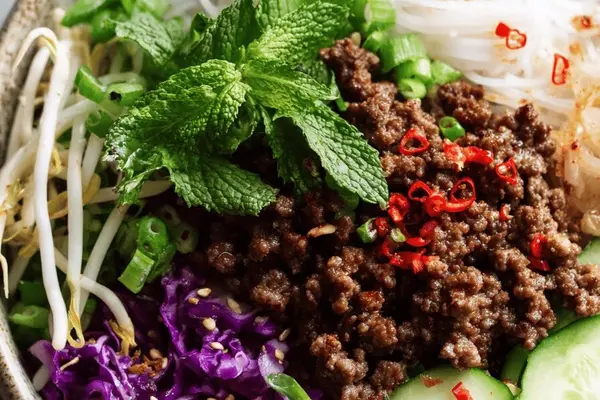
Hamburger Beef Pasta with Ginger & Lime
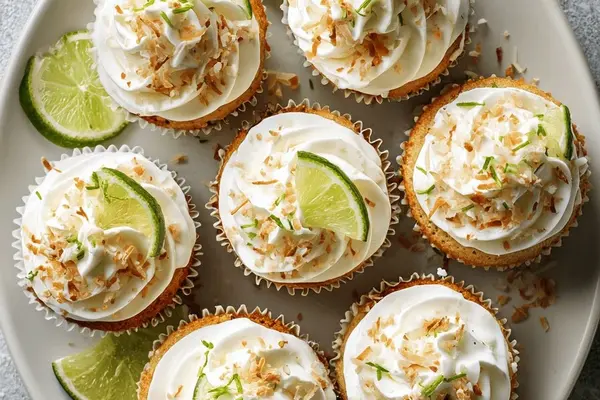
Mini Lime Coconut Cupcakes with Cream Frosting
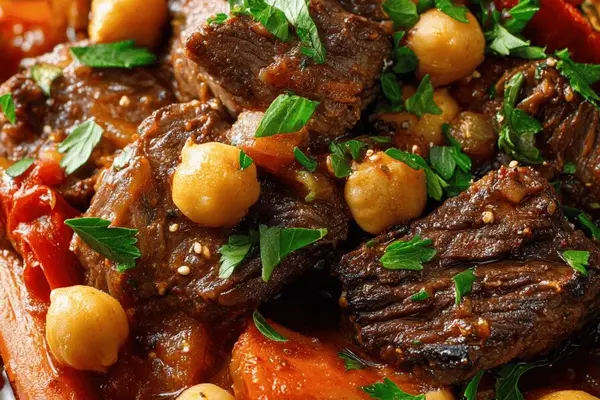
Beef Stew with Chickpeas and Smoked Paprika
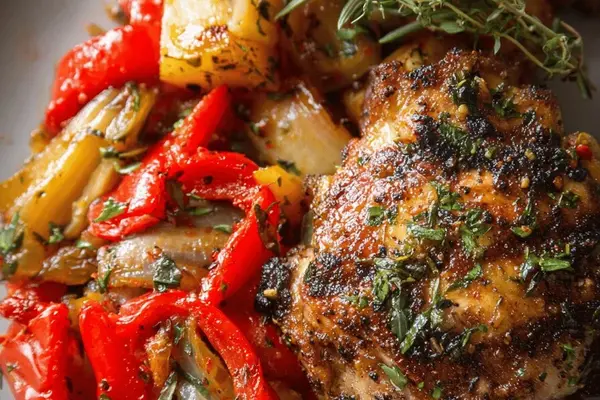
Grilled Chicken Thighs with Bell Peppers
Easy Peach Cobbler with Cinnamon Sugar
Lobster Pasta with Cherry Tomatoes & White Wine
Tagliatelle with Fennel, Walnuts & Raisins
Japanese Pork Shabu-Shabu with Kombu Broth
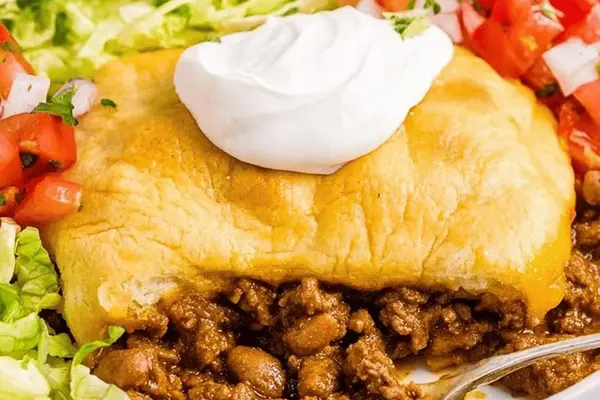
Ground Beef Taco Casserole with Crescent Rolls
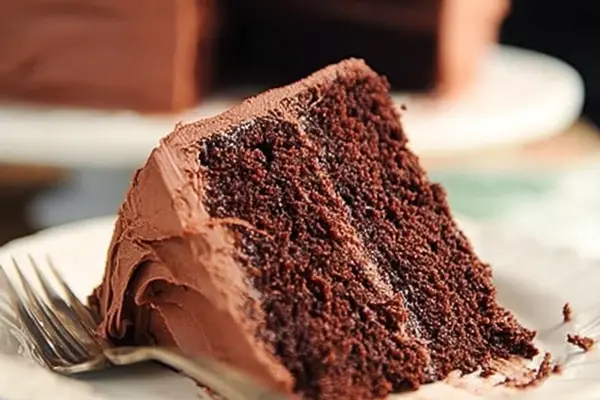
Chocolate Cake Recipe with Espresso
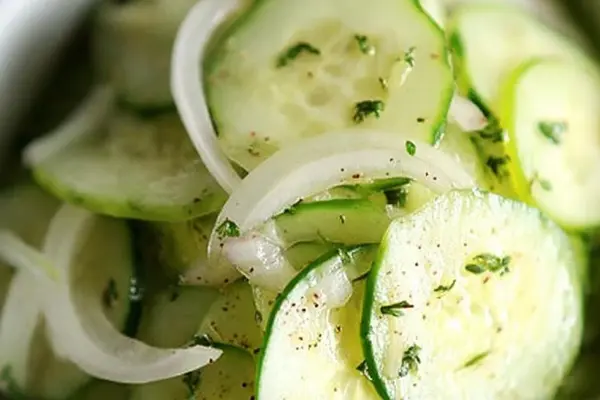
Cucumber Red Onion Salad Recipe
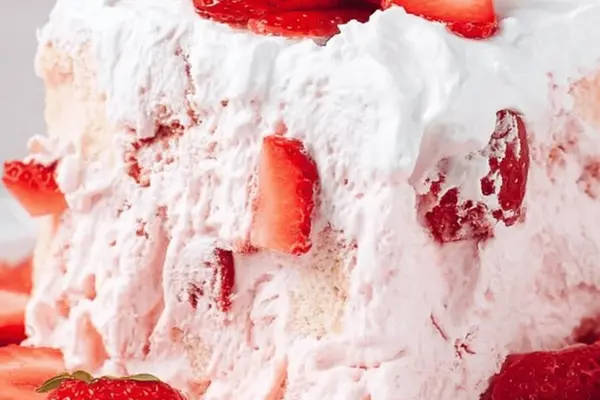
Strawberry Short Cake with Angel Food Cake
Pumpkin Muffins with Greek Yogurt
Oatmeal Breakfast Cups with Walnuts
Fluffy Omelette with Ricotta Salata
Barley Lentil Soup with Chickpeas and Spinach
Snicker Salad with Apples and Vanilla Pudding
Lemon Cookies with Mirror Glaze Recipe