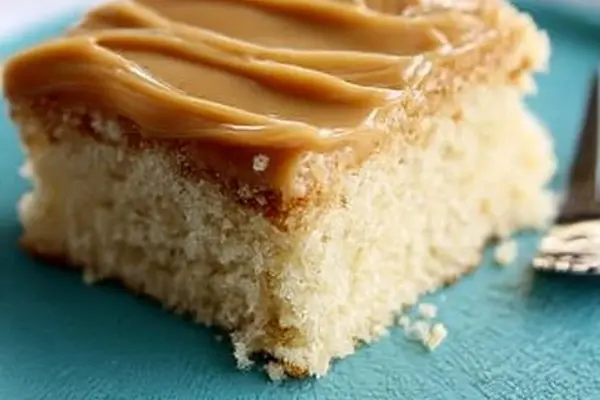
Caramel Sheet Cake with Espresso & Brown Sugar
By Emma
Certified Culinary Professional
·
Recipe tested & approved
Preheat the oven to 350. Spray a 9x13 pan. Butter and sugar go into a bowl first—beat them for 4 to 6 minutes until it looks lighter, fluffier than when you started. That’s the whole point. Short beating means dense cake. Nobody wants that.
Why You’ll Love This Caramel Sheet Cake
Takes just over an hour from start to finish. The espresso powder doesn’t taste like coffee—it sits there quietly, making the caramel taste like caramel. Not explaining why. It just works. Pecans go INTO the frosting, not just on top. Gives it this crunch you don’t expect. Keeps for days. Actually tastes better the next day. The caramel softens, settles in. One pan. One mixer. Cleanup isn’t nothing, but it’s fast. Works for anything. Birthday. Tuesday. Someone’s coming over and you have 50 minutes.
What You Need for Caramel Sheet Cake
Unsalted butter—a cup, softened. Cold butter won’t beat in right. Get it out an hour before. Granulated sugar, a cup and a quarter. Not brown yet. That comes in the frosting. Three eggs. Room temp is better. Cold eggs fight the butter. All-purpose flour—two and a half cups. Measure by spooning into the cup, not scooping. Scooping packs it. Baking powder, a teaspoon. Salt, half a teaspoon. Both go into the dry stuff. Espresso powder, half a teaspoon. This is the twist. You won’t taste coffee. You’ll taste caramel that tastes like itself. Whole milk, one cup. Vanilla extract, a teaspoon. Regular vanilla. No vanilla bean paste needed here. For the frosting—packed brown sugar, a cup and a half. Light or dark, doesn’t matter much. Kosher salt again, a quarter teaspoon. Whole milk, three quarters cup. Butter, a quarter cup. Powdered sugar, two cups. Pecan halves, three quarters cup. Toast them first. Chop them fine.
How to Make Caramel Sheet Cake
Spray the pan with oil spray. Not heavy coats. Soggy edges happen when you go crazy with spray. Beat the butter and sugar together. This takes 4 to 6 minutes. The color changes. It gets lighter. That’s sugar starting to dissolve into the butter. Stop too early and the cake ends up dense. Overbeat and it doesn’t matter much, but 6 minutes is plenty. Crack the eggs one at a time. Beat just until the yolk disappears. Don’t keep going. Overmixing makes the cake tough. In another bowl, mix the flour, baking powder, salt, and espresso powder. Whisk it so the powder spreads through. Add half the dry mix to the butter. Beat on low speed until it barely combines. Then add half the milk. Repeat—the rest of the dry, the rest of the milk. Don’t overmix. Gluten gets activated when you work it too hard. That kills the softness. Fold in the vanilla last. The batter should be thick but pourable. Scrape the sides of the bowl. Make sure it’s uniform. Pour into the pan. Use an offset spatula to spread it even. Tap the pan a few times on the counter so air bubbles rise up and escape. Bake for 23 to 28 minutes. Watch for the edges to pull away from the sides of the pan a little. The top stops being shiny but doesn’t crack. A toothpick comes out with moist crumbs clinging to it—not wet batter, but not totally dry either. Overbake and the cake goes crumbly and sad. Cool it completely. Warm cake melts frosting into a puddle. Wait.
How to Get Caramel Sheet Cake Frosting Right
Toast the pecans first. Dry pan, medium heat, just until they smell nutty. That takes maybe 3 minutes. Don’t walk away. They burn fast once they start. Chop them fine. In a small saucepan, combine brown sugar, salt, milk, butter, and those chopped pecans. Medium-low heat, stir constantly. The whole point of constant stirring is that the bottom burns if you don’t. Gentle but steady. Wait for tiny bubbles to form across the surface. Then let it bubble gently for 2 minutes. That softens the sugar crystals and builds flavor depth. It’s not caramel sauce—it’s more like a brown sugar milk mixture that’s becoming something more interesting. Pull it off the heat. Let it cool completely. This matters. Hot caramel meets powdered sugar and you get a runny disaster that won’t spread. Once it’s cool, transfer it to a mixer bowl. Add the powdered sugar. Beat until fluffy. It should look almost like frosting already. If it’s too runny, add more powdered sugar by the tablespoon. If it’s stiff, a splash of milk loosens it. The texture needs to spread easy but hold shape. Frost the cake with a spatula. Use a zigzag motion. Not slick and smooth. Rustic. Scatter pecan bits across the top.
Caramel Sheet Cake Tips and Common Mistakes
Don’t skip the espresso powder. Half a teaspoon is enough that you won’t taste it directly—it just makes the caramel taste more like itself. It’s weird but it works. Room temperature ingredients matter more here than in some recipes. Cold eggs and cold butter don’t incorporate smoothly. The saucepan heat during frosting needs to stay medium-low. Too hot and the milk scorches. You’ll smell it immediately. If that happens, throw it out and start the frosting over. You can’t fix scorched caramel. Pecans in the frosting instead of just on top is worth it. They soften slightly as they sit in the frosting, but they keep enough crunch that the texture stays interesting. Serve at room temperature or slightly chilled. Cold cake is dense. Room temp is better. If you refrigerate leftovers, bring them back to room temp before serving. The cake keeps for 3 days wrapped tight. The frosting sets harder than when you first spread it, but that’s fine. It’s still good.
Caramel Sheet Cake with Espresso & Brown Sugar
Prep:
50 min
Cook:
28 min
Total:
1h 18min
Servings:
12 servings
Ingredients
- 1 cup unsalted butter softened
- 1 1/4 cup granulated sugar
- 3 large eggs
- 2 1/2 cups all-purpose flour
- 1 tsp baking powder
- 1/2 tsp kosher salt
- 1 cup whole milk
- 1 tsp vanilla extract
- 1/2 tsp espresso powder (added twist)
- For icing===
- 1 1/2 cups packed brown sugar (light or dark)
- 1/4 tsp kosher salt
- 3/4 cup pecan halves (swap for butter, toasted and finely chopped)
- 3/4 cup whole milk
- 1/4 cup unsalted butter
- 2 cups powdered sugar
Method
- Make cake batter first===
- 1 Preheat oven 350F. Spray 9x13 pan with oil spray, avoid heavy coats, prevents soggy edges.
- 2 In mixing bowl, beat butter and sugar 4-6 minutes. Look for lighter color, fluffy texture. Crucial to dissolve sugar partially for crumb structure. Short beats? Dense cake.
- 3 Add eggs one at a time, beat just until mixed to avoid tough cake. Timing here key.
- 4 Mix dry in separate bowl: flour, baking powder, salt, espresso powder. Yes, espresso is subtle but lifts caramel notes.
- 5 Add half dry to butter combo, blend low speed. Add half milk, repeat for rest. Don’t overmix. Gluten activation kills softness.
- 6 Vanilla last, fold in gently. Batter thick, pourable. Scrape sides, uniform batter needed for even rise.
- 7 Pour into pan, spread evenly with offset spatula. Tap pan for air bubbles to rise, evens bake.
- 8 Bake 23-28 min. Watch edges pull from side and surface less shiny but not cracked. Toothpick comes out with moist crumbs, no wet batter. Overbake? Dry, crumbly cake.
- 9 Cool cake fully before icing. Warm cake melts frosting. Patience saves precision.
- While cake cools, start caramel icing===
- 10 In small saucepan, combine brown sugar, salt, milk, butter, and toasted chopped pecans instead of butter pieces. Toast pecans in dry pan until nutty aroma, then finely chop. Adds crunch inside frosting, unexpected bite.
- 11 Heat on medium-low, stir constantly. Once bubbles form, boil gently for 2 min to soften sugar crystals and build flavor. Be vigilant. Scorching odors ruin batch, stir steady but gentle.
- 12 Remove from heat, cool COMPLETELY. Hot caramel ruins powdered sugar mix and makes runny disaster.
- 13 After cooling, transfer to stand or hand mixer bowl. Beat with powdered sugar until fluffy. Texture key: add more powdered sugar if runny; few milk drops if stiff. Spreading ease depends on this adjustment.
- 14 Frost cake generously. Use spatula zigzag method for texture, not slick finish. Scattered pecan bits on top add crunch and rustic look.
- 15 Serve at room temp or slightly chilled. Can refrigerate leftover cake wrapped tightly; bring back to room temp before serving for ideal texture and flavor.
Nutritional information
Calories
465
Protein
5g
Carbs
62g
Fat
22g
Frequently Asked Questions About Caramel Sheet Cake
Does this apple caramel sheet cake work with a different frosting? It would. But the caramel frosting is half the point. Cream cheese frosting would be totally different. Fine, but different.
Can you make this the day before? Yeah. Bake it, frost it, wrap it tight. Next day it tastes better. The caramel settles into the cake. Actually tastes more like itself.
What if the caramel frosting breaks when you’re mixing it? Means it was too warm when you added the powdered sugar. Cool it longer next time. If it happens, just beat it more. Sometimes it comes together. Sometimes it doesn’t. Not sure why.
Should the pecan pieces be fine or chunky? Fine. They integrate into the frosting better. Chunky pieces sink or stay on top. Fine is easier to spread and frost with.
Can you skip the espresso powder? Technically yes. But don’t. It’s half a teaspoon. It doesn’t taste like coffee. It just makes the caramel taste more interesting without you knowing why.
How long does this take from start to finish? 50 minutes to prep and mix and get it in the oven. 28 minutes to bake. Then cooling takes another 20 minutes while you make the frosting. So like an hour and 18 minutes total if you’re moving.
You’ll Love These Too
Explore all →
Green Salsa Mussels with White Wine Sauce

Cauliflower Mornay Sauce with Sharp Cheddar
Homemade Taquitos with Chicken and Cheese
Rum Apple Tart with Salted Caramel
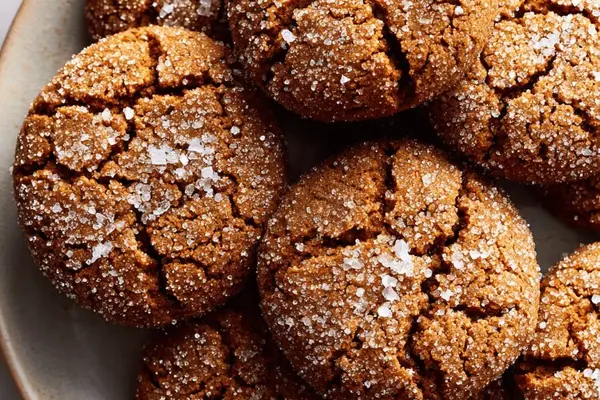
Double Ginger Crunch Cookies with Cardamom

Baked Brie Recipe with Pepper Jack Cheese
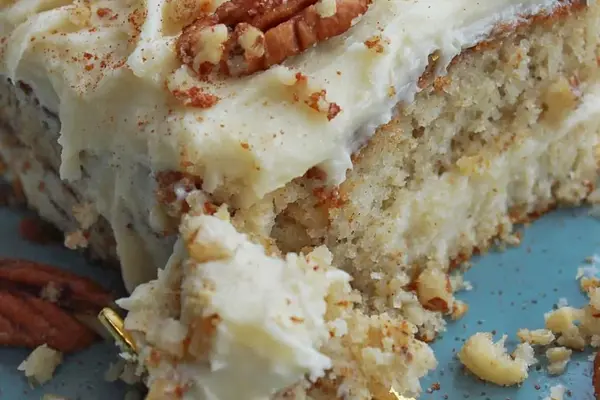
Moist Banana Cinnamon Cake with Cream Cheese
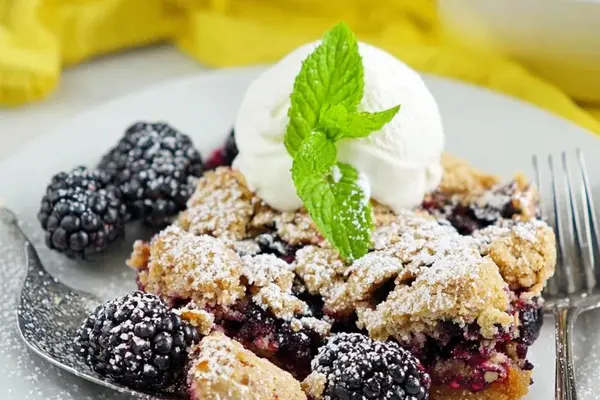
Blackberry Buckle Recipe with Almond Flour
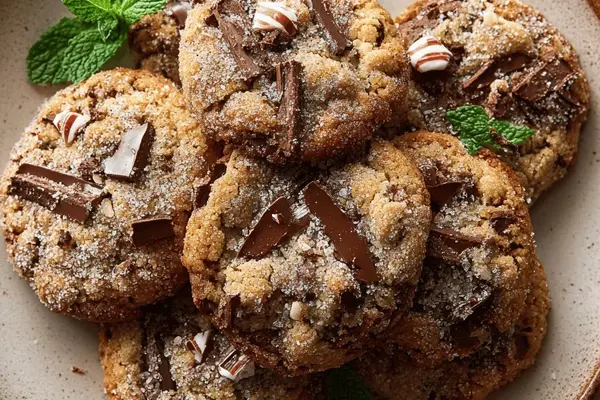
Candy Cane Cookies with Dark Chocolate
Creamy Cucumber Salad with Sour Cream

Beef Tartare with Bone Marrow & Crispy Potatoes

Cheddar Jalapeño Biscuit Drops Recipe
Cabbage Soup with Ground Beef & Rice
Caramel Apple Cookies with Oat Flour
Mango Coconut Shaved Ice with Tapioca
Chocolate Cookies with Marshmallow & Walnuts
Almond and Broccoli Soup Recipe
Cajun Chicken Alfredo with Fettuccine
Sweet Potato Cookies with Walnuts