
Cured Salmon with Calvados & Juniper
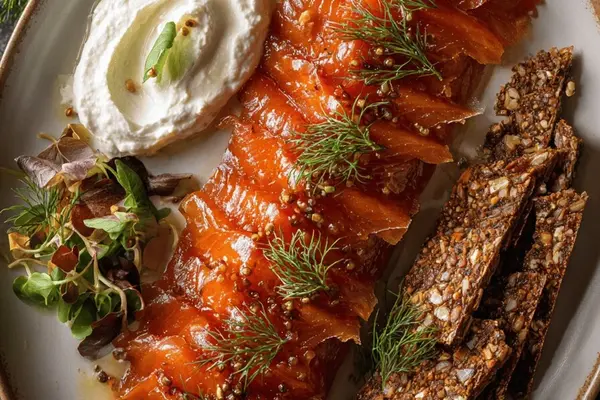
By Emma
Certified Culinary Professional
·
Recipe tested & approved
Rub the salt and sugar into the salmon first—not the other way around. Twenty minutes of prep, then twenty-four hours waiting. The flesh firms up. The color changes. Tiny juniper berries do most of the work.
Why You’ll Love This Cured Salmon
Tastes like something you’d pay forty dollars for at a French seafood bar. Costs way less.
Twenty minutes hands-on. The rest is the fridge doing it for you.
Calvados gives it this subtle apple note that doesn’t taste sweet. Just there. Works cold straight out the dish—perfect for when people show up and you don’t want to cook.
You can slice it thin without it falling apart. That’s the juniper. That’s also why you don’t crush it too much.
Labneh on top. Toasted rye underneath. The contrast actually matters. Not just decoration.
What You Need for Homemade Cured Salmon
Salt. Twenty milliliters. Kosher works. Sea salt works. Regular table salt gets weird—too fine, dissolves too fast, over-cures.
Organic cane sugar. Twenty-five milliliters. Brown sugar doesn’t work here. The molasses gets in the way.
Juniper berries. Ten of them, maybe. Crush them just enough to split the skin. Over-crush and they turn bitter. You’ll know—tastes like Pine-Sol.
White peppercorns. Cracked. Not ground. The crack matters. You want texture, not dust.
One kilogram of salmon fillet. Skin already off. Cold from the store, good quality. Farmed’s fine. Wild’s better but both work.
Calvados. Fifty milliliters. That’s apple brandy from Normandy. The apple part matters. Dry. Not sweet. If you can’t find it, dry apple cider works. White rum works. Skip anything sweet—it ruins the whole thing.
Labneh or whipped ricotta. Labneh’s better. Creamier, tangier. Crème fraîche is too rich and masks everything. Don’t use it.
Toasted rye bread. Sliced thin. Rye has this earthy crunch that pairs with the salt cure. White bread tastes like nothing next to this.
How to Make Cured Salmon with Juniper Berries
Mix the salt, sugar, juniper, and white pepper in a small bowl first. Don’t skip this step. Mixing dry means the flavors distribute evenly instead of clumping in one spot.
Take the juniper berries in your palm. Press them with something flat—the bottom of a measuring cup works. You want them cracked open, not pulverized. The goal is releasing the oils without breaking them into dust.
Spread half the cure directly on the salmon. Press hard. Use your fingertips. It looks wet from the sugar-salt combo, almost shiny. That’s right. Press until the cure sticks.
Flip the salmon over. Spread the rest of the cure on the other side. Same pressure. Same firmness. The fish should feel encased.
Pour the Calvados over top. Not a full fifty milliliters all at once. Pour a little, let it soak in, pour more. Too much liquid means the flesh gets mushy instead of curing properly. You want it wet but not swimming.
Lay the salmon in a glass dish skin side down. Glass matters—plastic can leach into the cure, ceramic holds heat differently. Glass stays neutral.
Cover it completely with plastic wrap. Make it tight. Refrigerate immediately. This is where the waiting starts.
How to Get Perfect Cured Salmon Texture
Flip the salmon halfway through. That’s around the ten-hour mark if you’re going the full twenty-four. Don’t skip this. One side will firm up faster than the other without flipping. You’ll see the edges turn pale pink and the center stay translucent. That’s the cure working.
The texture changes visibly. The first flip, it still feels soft. The second time you touch it—maybe at eighteen hours—it’s holding itself differently. Firmer at the edges. The center has resistance now but not rigid.
Twenty hours hits the sweet spot. Not less. Not more. Less and the flesh won’t set properly—too soft, slices fall apart. More and it dries out. I’ve tried twenty-two hours. Too salty. Tried eighteen. Still too soft in the middle.
After the timer goes, pull it out. Pat it completely dry with paper towels. This step gets skipped and people wonder why their slices come out watery. The excess liquid sitting on the surface needs to go. Pat until there’s nothing left to blot.
Cured Salmon with Calvados and White Pepper—Tips and Mistakes
Slice it thin. Seriously thin. Use the sharpest knife in the kitchen—a fish knife if you have one. The blade should glide through without sawing. You’re looking for translucent pieces that show the color gradient from the pale edges to the deeper pink flesh underneath.
Angle the knife. Not perpendicular to the fillet—tilt it about forty-five degrees. Angled slices are wider, thinner, prettier.
Serve it cold. Not room temperature. Not slightly chilled. Straight from the fridge. The fat needs to be firm or it tastes greasy.
If the cure gets too aggressive and salt builds up too much, a quick rinse under cold water then pat dry helps. But don’t rely on this. Better to nail the timing from the start. Monitoring the clock carefully beats fixing mistakes.
Labneh is non-negotiable here. Crème fraîche is too heavy. Cream cheese doesn’t have the tang. The sourness of labneh cuts through the salt and picks up the apple notes from the Calvados. They’re supposed to work together.
Rye bread. Toasted. The earthiness matters. It’s not a neutral vessel. It’s part of the dish.
If Calvados isn’t available—and it’s not always—dry apple cider or white rum work. Skip anything with sweetness. Spirits like peach schnapps or apple liqueur kill this. The delicate curing flavors get buried. Not worth it.
Cured Salmon with Calvados & Juniper
Prep:
20 min
Cook:
24h
Total:
24h 20min
Servings:
8 servings
Ingredients
- 20 ml salt (1 1/3 c. tsp)
- 25 ml organic cane sugar (1 2/3 c. tsp)
- 10 ml juniper berries, lightly crushed
- 3 ml white peppercorns, cracked
- 1 kg salmon fillet, skin removed
- 50 ml Calvados apple brandy
- to serve labneh or whipped ricotta
- to serve toasted rye bread slices
Method
- 1 Start with dry mix: salt, sugar, crushed juniper, white pepper. Grind the berries just enough to release oils but keep texture; over-crushing turns bitter.
- 2 Rub this mix firmly into both sides of the salmon. Press hard to embed flavors. Looks wet with the sugar-salt sheen. Place fish in a glass dish, skin side down.
- 3 Pour Calvados over all. Not too much or the flesh will mush. Apple brandy adds subtle fruitiness without overpowering.
- 4 Cover tightly with plastic wrap. Refrigerate 18-24 hours. Not less or flesh won’t set; not more or it turns too dry. I found 20 hours hits balance: flesh firms, aroma brightens, not dry or too salty.
- 5 Flip salmon halfway through curing - about 10 hours. Don’t skip this. Keeps moisture running evenly, avoids uneven cure spots. Fish changes texture visibly; edges firmer, center translucent pink.
- 6 After curing, wipe off excess liquid with paper towels — crucial step to avoid watery slices. Dryness also helps to slice thinly without tearing.
- 7 Slice into thin strips at an angle, against the grain. Use the sharpest fish knife you have. Thin slices show the beautiful gradient color: pale pink edges, deeper flesh inside.
- 8 Serve cold with dollops of labneh or whipped ricotta — tangy, creamy contrasts the salt and brandy notes. Toasted rye rounds add crunch and earthy aroma.
- 9 Labneh is a better choice than crème fraîche or cream cheese here; less fat masks the Calvados’ fruit tones, which I discovered after multiple tastings.
- 10 If Calvados unavailable, try dry apple cider or a splash of white rum. Avoid over-sweet spirits; they mask the delicate curing flavors.
- 11 Troubleshooting tip: if fish gets too salty, a quick rinse then pat dry before slicing helps. But best to monitor curing time carefully.
Nutritional information
Calories
210
Protein
28g
Carbs
1.5g
Fat
12g
Frequently Asked Questions About Cured Salmon
Can I use salmon with skin on? You can. But the cure won’t penetrate skin evenly. The salt ends up caking on the outside instead of infusing. Skin off works cleaner.
What if I don’t have Calvados? Dry apple cider. White rum. Both work. Avoid anything sweet—peach schnapps, apple liqueur, anything marketed as smooth. The curing flavors disappear.
How long does cured salmon keep? Four days. Maybe five if it’s packed well. After that the salt pulls more moisture out and it gets too dry. Tightly wrapped in plastic. Coldest part of the fridge.
Do I really need juniper berries? Yeah. They’re the backbone of the cure flavor. Without them it’s just salt and sugar on fish. The berries add something pine-forward and subtle that makes it taste like actual cured salmon instead of salted fish.
Can I make this with farmed salmon instead of wild? Farmed works fine. Wild’s richer but costs more. Both hold the cure the same way. Color might be less vibrant with farmed but the texture comes out identical.
What’s the difference between labneh and whipped ricotta? Labneh’s tangier and thicker from being strained. Ricotta’s creamier and milder. For this dish labneh’s better. The sourness plays off the Calvados. Ricotta tastes one-note next to it.
Can I cure a larger piece? The timing changes. A thicker fillet needs closer to thirty hours. A thinner one maybe eighteen. The salt takes longer to penetrate thick flesh evenly. Best to stick with standard thickness—about an inch and a half.
Why does the recipe say not to crush the juniper too much? Over-crushing releases bitter compounds along with the good oils. Subtle cracking opens the berry and lets the flavor out without bitterness. You learn this the hard way once.
You’ll Love These Too
Explore all →
Mini Chocolate Surprise Cupcakes Recipe

Cheesecake Almond Cookies with Candied Cherry

Creamy Chicken Pasta with Garlic Butter Sauce

Mocha Coffee Recipe with Dark Chocolate

Chorizo Stromboli Recipe with Mozzarella
Salmon Terrine with Cod, Asparagus & Dill
Dark Chocolate Ganache with Coconut Cream
Greek Yogurt Strawberry Dip with Lemon

Crunchy Coconut Macaroons with Chocolate
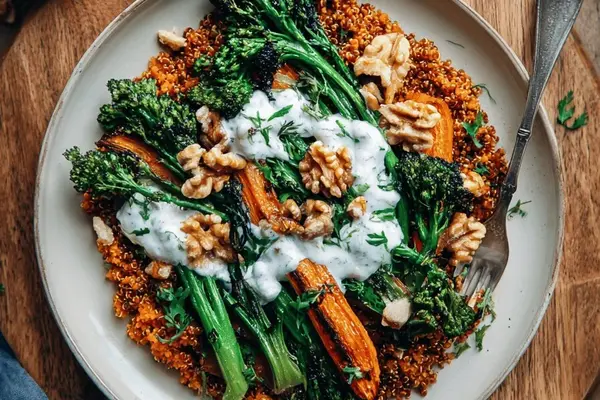
Baked Sweet Potato Pie with Quinoa
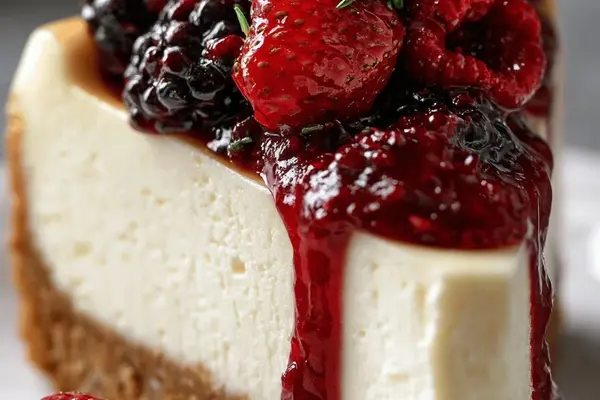
Ricotta Cheesecake Recipe with Graham Cracker

Slow Cooker Chicken Curry with Coconut Milk
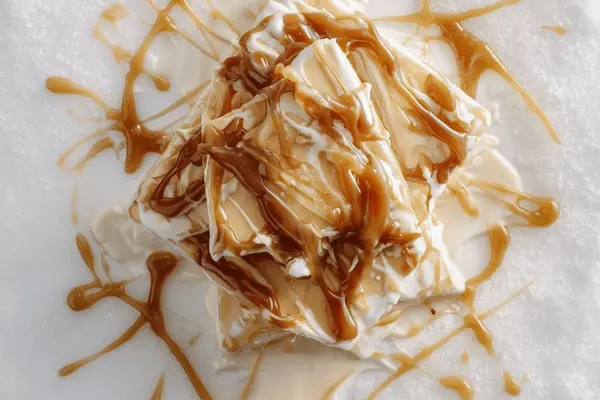
Rum Butterscotch Taffy Made on Snow

Spiced Roasted Mixed Nuts Recipe
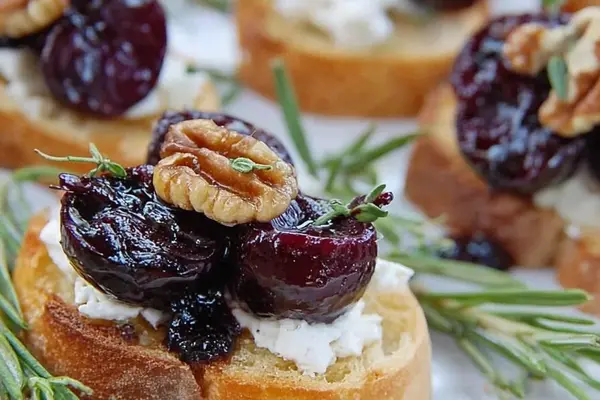
Balsamic Cherry Crostini with Goat Cheese
Mashed Sweet Potatoes with Orange Cream

Air Fryer Spring Rolls with Cabbage
Zucchini Dip with Feta and Roasted Garlic
Banana Chocolate Chunk Bread Recipe