
Butternut Squash Puree with Roasted Garlic

By Emma
Certified Culinary Professional
·
Recipe tested & approved
Silky butternut squash puree blended with roasted garlic, shallots, ginger, and coconut milk. This vegan side dish takes just 45 minutes to prepare.
Prep:
25 min
Cook:
20 min
Total:
45 min
Servings:
4 servings
Shallots go in first. Slow heat. They need to go soft and kind of translucent, which takes a minute but changes everything — sharp bits kill the whole thing. Then the roasted garlic. Just stir it until it smells good, don’t let it brown. The squash cubes go next, get them tossing for maybe seven minutes until the edges start catching color. That’s where the depth comes from.
Why You’ll Love This Butternut Puree
Takes 45 minutes total — 25 to prep, 20 to actually cook it. One pot, one blender. Works as a side for literally anything. Fish, roasted chicken, bread. Nothing fancy needed. Vegan and naturally gluten-free. Comfort food that doesn’t require planning or substitutions. Tastes better than it looks. Smooth but with a little texture — doesn’t feel like baby food. Leftovers keep fine. Reheats gentle. Maybe even better cold the next day if you’re into that.
What You Need for Butternut Puree
One large shallot, chopped fine. Not thin sliced — actually chopped so it softens fast. Three cloves roasted garlic, mashed up. If they’re whole, crush them against the side of your knife, they’ll smear. Three tablespoons of olive oil. Not butter. Oil keeps it lighter and lets the squash taste like itself.
Four and a half cups butternut squash cubed. Peel it first. The texture matters more here than if you were roasting it — mushy skin is wrong. One and a quarter cups vegetable broth. Not chicken, not beef. The vegetable one stays quiet. Half a cup canned coconut milk. Full fat. The lite stuff tastes like nothing. One teaspoon fresh ginger, grated. Not ground. Fresh hits different. Salt and white pepper.
How to Make Butternut Puree
Heat the oil over medium. Medium — not hot. Toss the shallots in and let them just sit there for a bit, stirring every minute or so. They’ll go from white to translucent, get a little soft around the edges. Maybe four minutes. They should not brown. Seriously. Brown shallots taste bitter and you can’t fix it once it’s gone.
Add the mashed garlic. Stir it in. About 30 seconds and you’ll smell it — that’s your cue to move on. That’s when you know it’s fragrant but not scorched. The squash cubes go in next. Toss them gently, coat them in the oil. Then just let it sizzle. Don’t touch it constantly. Maybe once every two minutes, stir. After seven minutes the edges should be starting to catch. The color should be going from pale to that specific tan that means caramelizing started.
Splash in the broth. Not all at once. Just pour until about half the squash is covered. Let it bubble gently. Medium-low heat now. Uncovered. Steam should be rising but it’s not a rolling boil. Just a gentle thing. This is where you wait.
Twenty-five minutes. Could be 23, could be 27. Depends on how big your cubes are. Poke the biggest piece with a knife. It should give easily but not fall apart. The texture should still be there. You’re not making baby food.
Let it cool for maybe five minutes before blending. This matters more than people think. Hot squash plus sealed blender equals either exploding lid or soup everywhere.
How to Get Butternut Puree Smooth But Right
Food processor. Or blender. Dump the whole thing in — squash, shallots, garlic, all the liquid it was cooking in. Pour the coconut milk over. Add the ginger. Salt. White pepper. Not much pepper. A half teaspoon, maybe less.
Pulse it a few times. Then let it go. You want smooth but with a little texture still. Like you can tell it was hand-blended. Over-blending makes it taste like nothing, just texture. Stop before it’s completely velvety.
Taste it. The ginger can be aggressive. You might need more salt. Sometimes the broth was already salty. Sometimes the squash tastes bland and needs more everything.
Butternut Puree Tips and Common Mistakes
Don’t let the shallots brown. That’s mistake number one. Low heat from the start.
Roasted garlic matters. Not raw. If you only have raw garlic, use less — maybe one and a half cloves — because raw garlic will be loud and angry in a blended squash situation.
The peel needs to come off completely. Any skin in the blender gets mushy and weird and tastes like nothing good.
Coconut milk thickens it. If your puree comes out too thick, add more broth or more coconut milk, whichever you’re in the mood for. But add it slowly. You can always add more. Can’t take it out.
Reheating — do it low and slow. High heat scorches the bottom and it tastes bitter. Just doesn’t work.
White pepper instead of black. Black pepper is fine if that’s all you have. White disappears into it better. More subtle.
The texture thing. Some people want it perfectly smooth. Go ahead. Blend longer. But there’s something about the grain that says handmade, you know?
Butternut Squash Puree with Roasted Garlic
Prep:
25 min
Cook:
20 min
Total:
45 min
Servings:
4 servings
Ingredients
- 1 large shallot, finely chopped
- 3 cloves roasted garlic, mashed
- 3 tbsp olive oil
- 1.1 litre (4 1/2 cups) butternut squash, peeled and cubed
- 300 ml (1 1/4 cup) vegetable broth
- 100 ml (1/2 cup) canned coconut milk
- 1 tsp grated fresh ginger
- Salt and white pepper to taste
Method
- 1 Heat olive oil in a heavy saucepan over medium heat. Toss in shallots, sweat them slowly until translucent and soft but not browned. This slow softening makes all the difference – sharp bits kill the sweetness.
- 2 Add the mashed roasted garlic. Stir just until it smells fragrant—don’t let it scorch; bitter garlic ruins the base.
- 3 Dump in cubed butternut. Toss gently. Let it sizzle for about 7 minutes, stirring occasionally. Look for edges starting to caramelize. Those golden bits? Flavor gold.
- 4 Splash in vegetable broth. Don’t cover it all at once; just enough to drown half the veggies. Butter or cream swap here usually, but broth keeps it lighter and sharper.
- 5 Simmer uncovered at low to medium-low heat. Steam should rise, slight bubbling. About 25 minutes. Poke the largest cubes with a knife. Soft but not mushy – you’ll want a bit of texture, not baby food.
- 6 When done, off the heat. Cool slightly so the blender doesn’t glue shut or splatter.
- 7 Into the food processor with butternut mix, roasted garlic and shallots. Pour in coconut milk, add grated ginger, salt, white pepper.
- 8 Pulse several times, then puree until smooth-ish. Not perfectly velvety; a little grain is good. Texture shows it’s handmade.
- 9 Taste, adjust salt and pepper. Sometimes that ginger hits too hard; balance carefully.
- 10 Keep covered warm. Reheat gently over low heat if needed. Add more coconut milk to loosen if it thickens too much. Avoid reheating directly at high heat, scorched squash is never pretty.
- 11 Serve warm with crusty bread or as a velvety base for roasted meats or fish.
Nutritional information
Calories
150
Protein
2g
Carbs
20g
Fat
8g
Frequently Asked Questions About Butternut Puree
Can you make butternut puree with canned butternut squash? Yeah. Use the drained stuff. You’ll need maybe three cups. Skip the cooking step where it sizzles in the oil — just blend it straight with the shallots and garlic that you already softened. Saves time. Doesn’t taste quite the same but works.
How long does butternut puree keep? Three days in the fridge, covered. Freezes fine for maybe three months. Thaw it in the fridge overnight. Don’t microwave it straight from frozen — you’ll get hot spots and cold spots.
Can you make roasted butternut puree without the coconut milk? Sure. Use more broth instead. It’ll be less creamy, more like a mashed squash situation. Still good. Still vegan. Tastes sharper without the coconut.
What’s the difference between this and mashed butternut squash? This is blended. Smooth. Mashed is chunky. You want mashed, just smash it with a fork instead of using the blender. Takes two seconds longer, tastes more homemade.
Do you really need roasted garlic or can you use raw? Raw works if you use less. Maybe one clove. Roasted is sweeter and easier. Raw will taste aggressive in a blended squash. Not bad, just loud.
Can you add cream instead of coconut milk? Yeah. Heavy cream or half-and-half. Pour it in at the end, same amount. Makes it richer. Not vegan anymore but nobody said it had to be.
You’ll Love These Too
Explore all →
Dressing for Turkey Recipe with Spiced Onions

BLT Salad with Pasta and Shrimp

Balsamic Vinaigrette Recipe with Honey
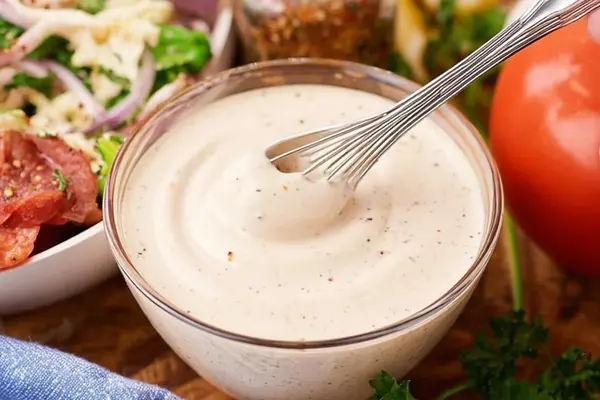
Creamy Italian Dressing Recipe
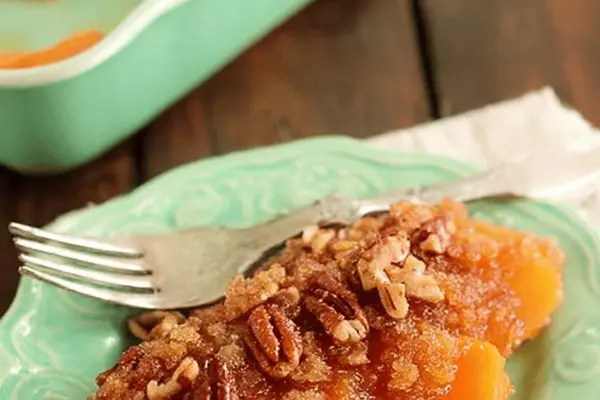
Candied Sweet Potatoes With Pecans

Bacon Wrapped Scallops with Paprika

Classic Apple Pie with Cinnamon and Nutmeg
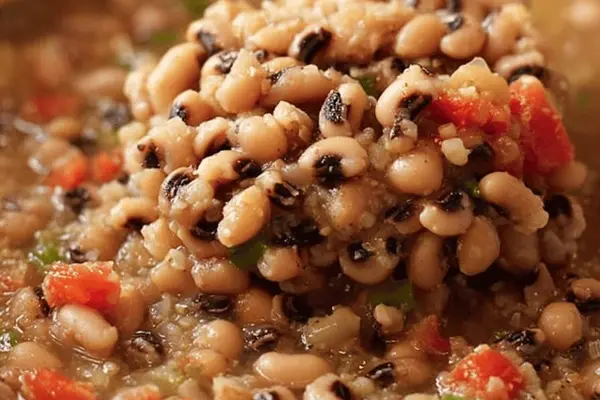
Black Eyed Peas with Smoked Pork

Deviled Eggs Recipe with Jalapeño & Bacon
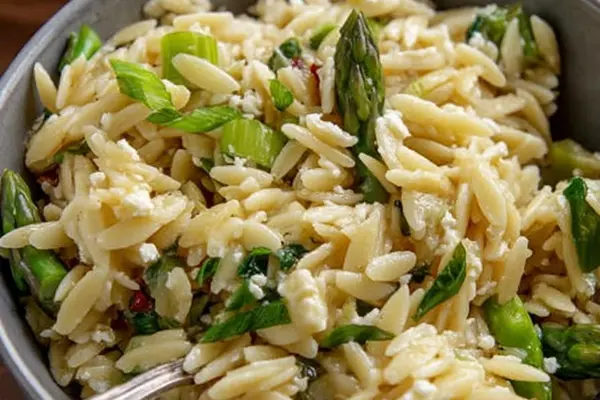
Orzo Salad with Goat Cheese and Asparagus

Fluffy Pancakes Recipe with Buttermilk

Caramel Apple Pretzel Bark Recipe
Oatmeal Peanut Butter Balls Recipe

Velveeta Cheese Dip With Chorizo

Salmon Miso Papillotes with Asparagus

Jalapeno Popper Chicken Breast with Cream Cheese

Pan Seared Chicken Breast with Creamy Sauce

Crispy Chicken Breasts with Parmesan Crust

No-Bake Black Forest Cheesecake with Oreo Crust