Buttermilk Rye Crumpets Recipe
By Emma
Certified Culinary Professional
·
Recipe tested & approved
Homemade crumpets made with buttermilk, rye flour, and yeast for crispy edges and spongy interiors. Cooked in metal rings for signature holes.
Prep:
25 min
Cook:
35 min
Total:
60 min
Servings:
16 pieces
Warm buttermilk hits the water first—yeast goes in once it’s smooth. Wait five minutes. You’ll see the bubbles start, smell something faintly yeasty developing. This is how you know it’s alive.
Why You’ll Love These Buttermilk Rye Crumpets
Takes 25 minutes to prep, 35 minutes to cook. One hour total if you count the rise and rest—but you’re not actually doing anything for most of that. Just waiting.
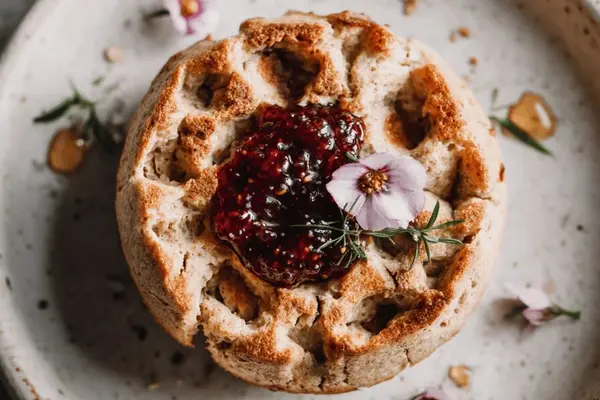
Open holes on top. The ones that catch butter and jam and whatever you pour on them. Rye flour gives it something—a grain taste that’s almost sweet. Not heavy. Most crumpets feel thick. These don’t.
Vegetarian breakfast bread that tastes homemade because it is. Made it cold Tuesday morning, had them warm by noon. British-style but not fussy. Metal rings sound complicated. They’re not.
Leftovers toast better than fresh. Crisp outside, still chewy in the middle. That’s the rye doing something. Don’t throw them out.
What You Need for Buttermilk Rye Crumpets
280 ml buttermilk. Warm it. Room temperature is fine too—warmer just speeds things up. You could use regular milk but don’t. The tang matters.
200 ml lukewarm water. Doesn’t have to be exact. Just not hot. Hot kills yeast.
10 ml instant yeast. Dry yeast, the kind that comes in the little packet. Active dry works if that’s what you have.
5 ml granulated sugar. Yeast eats it. Wakes up faster.
140 g all-purpose unbleached flour and 70 g rye flour—split like that. The rye is why these aren’t just regular crumpets. It’s maybe a quarter of the flour. More and they get dense. Less and you lose the flavor.
6 ml fine sea salt. Kosher works. Table salt goes in twice as strong—use half if that’s all you have.
3 ml baking soda. Mixed with 40 ml water at the end. This is what makes them holey. The soda reacts with the acid in the buttermilk.
Clarified butter or mild vegetable oil for the rings. Olive oil burns. Clarified butter doesn’t. Either way, brush it on thick or the batter sticks and you’ll be scraping.
How to Make Buttermilk Rye Crumpets
Warm the buttermilk with 160 ml of the water—not hot, just warm enough you’d be okay putting your finger in it. Stir in the yeast and sugar until there’s no dry powder left. Wait five minutes. The smell changes first. Then you see tiny bubbles on the surface. That’s when you know it’s working.
Dump both flours and the salt into a large bowl. Pour the wet mix over it. Whisk—not too violent but thorough enough that there’s nothing lumpy. The batter should look thick but still pourable. Think heavy cream that’s been sitting out and gotten a bit thicker.
Cover it. Cloth, plastic wrap, doesn’t matter. Find a warm spot—top of the fridge, inside the turned-off oven, anywhere draft-free. Wait 50 to 55 minutes. It’ll roughly double. Poke it with your finger. Should spring back slowly but not completely. Still jiggly.
Mix the remaining 40 ml water with the baking soda separately. Stir until the soda dissolves. Fold this into the risen batter gently—you’re trying to keep the air bubbles in. Don’t be rough about it. Fold is the right word. Rest it again for 25 to 30 minutes. The surface gets slightly domed. You’ll see bubbles popping on top. It smells like sweet grain now.
How to Get Buttermilk Rye Crumpets Holey and Golden
Heat a heavy skillet—cast iron is best but regular works—over medium heat. While it’s warming, brush your metal rings with oil or clarified butter on the inside and around the bottom edge. The batter will stick if you don’t.
Set the rings on the skillet. Let them heat for 2 to 3 minutes. You want to see a shimmer in the oil or a faint smoke starting. Not screaming hot. Just hot.
Pour 55 ml of batter into each ring. About a quarter cup. The batter will tighten up on top within a minute. After 4 to 5 minutes, you’ll see small holes appearing—little indentations where steam has pushed through. This is the thing that makes crumpets crumpets.
When the edges look set but the very top is still wet, loosen the edge gently with a thin metal spatula. Flip the whole thing—ring and crumpet together—and cook the other side for 2.5 to 3 minutes more. It should be golden underneath.
Pull the ring off immediately. If you leave it on too long the sides get soggy. Keep them warm in a low oven—90 to 95°C on a rack so air circulates and they don’t steam themselves soft. Repeat with the rest of the batter.
The top should have those open holes. The bottom should be golden and slightly crisp at the edges. That rye flour gives it a tan color even if it’s barely cooked.
Buttermilk Rye Crumpets Tips and Common Mistakes
Temperature matters more than you think. Cold buttermilk and cold water means the yeast takes twice as long. Warm is faster. Not hot. Warm.
The batter should move like thick cream. Too thick and the holes don’t form right. Too thin and they spread thin and you get pancakes. Adjust the water slightly next time if yours came out wrong.
Don’t skip the baking soda rest. That’s what creates the holes. The soda reacts with the buttermilk’s acid and makes tiny bubbles right before cooking. It happens fast—30 minutes in, you’ll see it starting.
Metal rings are non-negotiable. You could try making them without but you won’t get the defined shape or the thick sides that catch the butter. They’re cheap. Get them.
Cast iron holds heat better. Regular pans work but you might have to wait longer between crumpets for the heat to come back. Either way, oil the rings before each one. Even if the first one came out fine.
The rye flour does something. Regular white flour crumpets are fine. These taste like something. You lose that if you skip it or use whole wheat instead. Not the same thing.
Buttermilk Rye Crumpets Recipe
Prep:
25 min
Cook:
35 min
Total:
60 min
Servings:
16 pieces
Ingredients
- 280 ml buttermilk
- 200 ml lukewarm water
- 10 ml instant yeast
- 5 ml granulated sugar
- 140 g all-purpose unbleached flour
- 70 g rye flour
- 6 ml fine sea salt
- 3 ml baking soda
- Clarified butter or mild vegetable oil for rings
Method
- 1 Warm buttermilk with 160 ml water; stir in yeast and sugar until smooth. Wait 5 minutes—look for subtle bubbles signalling yeast activity, faint yeasty aroma developing.
- 2 Combine both flours and salt in large bowl. Pour wet mix over dry. Whisk gently but thoroughly. No lumps, batter thick but pourable, resembles thick cream. Cover with damp cloth or plastic wrap. Ideal spot: warm and draft-free. Wait 50-55 minutes until doubled, texture soft and light; poke with finger for bounce.
- 3 Mix remaining 40 ml water with baking soda separately. Fold this gently into risen batter—delicate maneuver to keep air. Rest another 25-30 minutes. Surface slightly domed, bubbles on top start popping; smell like faintly sweet grain.
- 4 Heat heavy skillet (cast iron preferred) over medium. Brush four 9 cm diameter metal rings with oil or clarified butter thoroughly inside and around edge to prevent sticking.
- 5 Set rings on skillet, heat 2-3 minutes until shimmering heat detectable, slight oil shimmer or faint smoke.
- 6 For each ring, pour 55 ml batter in center. Surface tightens, small holes start appearing after 4-5 minutes. When edges firm up but center still wet, loosen gently with thin metal spatula. Flip rings and crumpets carefully as one unit, cook 2.5-3 minutes more.
- 7 Remove rings immediately to avoid soggy sides. Keep crumpets warm in oven at low heat, 90-95 °C, on rack to avoid condensation buildup. Repeat with remaining batter. Crumpets should have open, holey top and golden underside, edges slightly crisp.
- 8 Serve warm, open-faced with tangy honey or sharp raspberry preserves. Butter melting into the holes. Great fresh but also try toasted leftovers.
Nutritional information
Calories
120
Protein
4g
Carbs
21g
Fat
3g
Frequently Asked Questions About Buttermilk Rye Crumpets
Can I make the batter ahead? Mix everything but the baking soda the night before. Cover it. Let it rise in the fridge instead of at room temperature—takes maybe 8 hours. Add the baking soda and rest mixture 30 minutes before you cook. Or just make it the day you want to eat them. Takes an hour total. Not a huge commitment.
What if I don’t have rye flour? You’ll get regular crumpets. Works fine. They’re missing the depth. The grain taste. Not worth substituting something else.
Can I cook these without metal rings? Not really. You could use a thick-sided tin can or a ring you make from foil. But the edges won’t be the same. The rings create those thick walls. That’s the point.
How do I store leftovers? Cool them completely. Bag them. They last maybe four days in the fridge. Freezer is better—they last weeks. Toast them straight from the freezer. Honestly better than fresh. Crispier outside, still gives when you bite.
Why are mine flat with no holes? The baking soda rest is probably too short. Give it the full 25 to 30 minutes. You’ll see the surface start to dome and bubbles pop on top. That’s when they’re ready. Too early and the reaction hasn’t happened yet.
Can I use regular milk instead of buttermilk? The soda needs the acid. Buttermilk has it. Regular milk doesn’t. You’d have to add vinegar or lemon juice—two tablespoons per 280 ml. But just use buttermilk. It’s one ingredient. Makes these taste right.
What heat should the skillet be? Medium. Medium-high if you like them darker. Not high. They cook better slower. You want the inside to set before the outside burns. 2 to 3 minutes on the first side, 2.5 to 3 on the flip.
You’ll Love These Too
Explore all →
Homemade Self-Rising Flour Blend Recipe
Homemade Soft Pretzels with Honey & Baking Soda

BBQ Cocktail Wieners with Crescent Rolls
Italian Osso Bucco with Veal and Cheddar
Grilled Lamb Skewers with Honey Mustard
Maple Blueberry Quick Bread Recipe
Roast Leg of Lamb with Port Wine & Cherry
Pork Terrine with Blackcurrant Liqueur
Mini Chicken Pot Pies with Puff Pastry
No Bake Cookies Recipe with White Chocolate
Classic Spiced Eggnog Recipe with Almond Milk
Grilled Veal Chops with Beet & Avocado
Pepperoni Cheese Logs with Egg Roll Wrappers
Jerk Chicken Cornmeal Pizza with Chipotle
Creamy Parmesan Peppercorn Dressing Recipe
Rocket Chicken Spätzle with Shiitake
Quinoa Salad with Roasted Sweet Potato

No Bake Cheesecake Recipe with Fresh Strawberries
Cowboy Spaghetti with Bacon & Cheddar