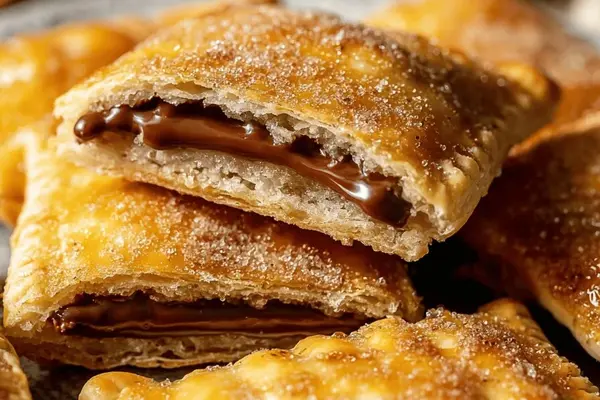
Cinnamon Pop Tarts with Coconut Cream Glaze
By Emma
Certified Culinary Professional
·
Recipe tested & approved
Butter must be cold. That’s the whole thing right there. Skip that one step and you’ve got dense pastry instead of flake. Had that happen once—won’t again.
Why You’ll Love This Homemade Brown Sugar Cinnamon Pop Tarts
Takes 1 hour 27 minutes total if you’re moving. Most of that is chilling, which you don’t actually do anything during. Tastes nothing like the store version. Actual butter. Real cinnamon. Not cardboard that sat in a box for six months. Breakfast that feels homemade because it is. Spinach in the dough if you want it—sounds weird, tastes like nothing, just makes it look fancier. Freezes forever. Make a double batch on Sunday, pull one out Wednesday morning, toast it. Still flaky. Brown sugar filling actually has texture. Nutmeg in there too—not enough to taste like nutmeg, just enough to make you wonder what it is.
What You Need for Homemade Brown Sugar Cinnamon Pop Tarts
All-purpose flour. Not cake flour, not bread flour. The regular stuff. Cold unsalted butter. Actually cold—from the fridge, cubed small. Shortening too, 2 tablespoons. Butter alone gets tough. Together they work. Sugar—1 tablespoon in the dough. Coconut sugar for the filling if you have it. Brown sugar works. Coconut sugar is nuttier, sits better in the cinnamon layer. Cinnamon and nutmeg. Ground. Not the stale jar from 2019. Fresh makes a difference here. Baking powder. Just 1/4 teaspoon. Keeps it tender. Salt. In the dough and filling both. Egg and milk for sealing edges and browning the tops. Powdered sugar for the glaze. Coconut cream instead of regular milk—richer, less thin. Or just use milk if that’s all you have. Vanilla extract. Real vanilla. The imitation stuff is fine but real is better.
How to Make Homemade Brown Sugar Cinnamon Pop Tarts
Pulse the dry stuff together in a food processor. Flour, that tablespoon of sugar, salt, baking powder. About 10 pulses. Add the cold butter cubes and shortening and pulse again—stop when it looks like coarse crumbs, some pieces the size of peas still visible. This is where the flake comes from. You want butter pockets, not smooth dough.
Drizzle ice water in slow. One tablespoon at a time. Pulse between each pour. The dough should clump and hold together when you squeeze it but not feel greasy or stick to your hands. Too wet and you’ve got shortbread. Too dry and it cracks when you roll.
Dump it onto a floured board. Don’t knead it. Gather it gently into a disk with your hands, minimal handling. Split the disk in half. Flatten each half into a thinner disk, wrap them tight in plastic, chill. Minimum 1 hour. Overnight is better. The butter needs to set hard or everything falls apart during rolling.
Let one disk sit out 5 to 7 minutes once you’re ready to roll. Cold dough cracks. Room temp dough is sticky. There’s a window where it’s just right—pliable but still firm. You’ll feel it.
Lightly flour your surface and rolling pin. Roll the dough to about 1/4 inch thick. Shoot for a rectangle. Use a 3.5 by 4.75 inch guide or just eyeball rectangles that look even. Cut them out and lay them on parchment-lined baking sheets. Work the other disk the same way.
Chill the cut rectangles again while you make the filling. Cold dough holds its shape. Warm dough spreads.
How to Get Cinnamon Pop Tarts Flaky and Golden
Mix the coconut sugar, cinnamon, nutmeg, 2 teaspoons flour, and a pinch of salt in a bowl. Toss the cold butter in—cut it small—and mash with a fork until it looks like lumpy paste. Add vanilla and blend gently. The filling should be thick, not runny. Runny filling oozes out the sides during baking and burns.
Whisk one egg with 2 tablespoons milk. This is your glue and your brown.
Pull out the chilled rectangles. Brush egg wash on each one. Lay about a tablespoon of filling on half the rectangles, spread it gently but keep a 1/4 inch border bare around the edges. Overfill and the filling pushes out when you seal.
Top with the other rectangles, egg wash side down, and press the edges hard with your fingers or a fork. No gaps. No loose spots. If an edge cracks, dab it with water and press again.
Chill the assembled tarts 30 to 55 minutes. This locks the shape and stops them spreading in the oven.
Preheat to 350°F. Brush egg wash on the tops again. Poke 6 to 8 vent holes in each one with a toothpick—steam needs somewhere to go or the top stays soft.
Bake 22 minutes or until light golden. Listen for a soft crackle sound as the crust sets. Corners brown first. Watch the edges so they don’t blacken.
Cool on the sheet 5 to 10 minutes. Then move them to a wire rack. The base needs air flow to get crispy.
Mix powdered sugar with coconut cream and 1/2 teaspoon vanilla. Whisk until thick. Spread over the cooled tarts. Let it set at least an hour. Rushing the glaze and it stays tacky.
Brown Sugar Cinnamon Pop Tarts Tips and Common Mistakes
Butter temperature is everything. Soft butter makes greasy, dense dough. Melted butter is worse. Cube it, keep it cold, don’t mess with it.
Skip chilling and the tarts spread, greasy, no flake. The whole thing falls apart. Don’t skip.
Filling should be paste-like, stiff. Not runny. If it’s too soft, chill it for 5 minutes. Stiff filling stays put and doesn’t ooze.
Egg wash does two things—seals the edges so filling doesn’t escape, and browns the top so it actually looks like a pop tart. Skip it and you get pale, dull tarts that taste fine but look sad.
Overload the filling and the edges burst open in the oven. A tablespoon is enough. Spread it gently but don’t go to the edges.
Watch the dough as it softens. Too soft and it’s sticky hell. Too cold and it cracks. The sweet spot is maybe 5 to 7 minutes out of the fridge. If it’s being difficult, throw it back in for a few minutes.
If dough cracks when rolling, patch it. Press a little water and some dough scrap into the crack. Roll over it. Looks fine when it bakes.
Nutmeg is optional but good. Cardamom or ginger work too if you want to switch it up seasonally.
Oven hot spots exist. Visual cues matter more than the timer. Golden top, firm edges, vent holes bubbling steam. That’s done. Pull it out before it gets dark brown or the inside dries.
Cool on the rack mandatory. Pop tarts are fragile. The glaze also sets better on a fully cool surface. Warm surface and the glaze slides.
Make double. Freeze extras in a container. Toast straight from frozen. Still works. Still flaky.
Cinnamon Pop Tarts with Coconut Cream Glaze
Prep:
1h 5min
Cook:
22 min
Total:
1h 27min
Servings:
8 servings
Ingredients
- Dough
- 1 1/2 cups all-purpose flour
- 1 Tbsp sugar (reduce original by 5%)
- 1/2 tsp salt
- 1/4 tsp baking powder
- 5 Tbsp cold unsalted butter, cubed (instead of 6 Tbsp)
- 2 Tbsp cold shortening
- 4-5 Tbsp ice-cold water
- Filling
- 1/3 cup coconut sugar (swap for brown sugar, adds nuttiness)
- 1 tsp ground cinnamon
- 1/2 tsp ground nutmeg (added twist)
- 2 tsp flour
- Pinch salt
- 3 Tbsp cold unsalted butter, cut small
- 1 tsp pure vanilla extract
- Egg Wash
- 1 large egg
- 2 Tbsp whole milk
- Glaze
- 1 cup powdered sugar
- 2 Tbsp coconut cream (sub in for milk, adds richness)
- 1/2 tsp vanilla extract
Method
- Dough
- 1 Pulse dry ingredients in food processor—flour, sugar, salt, baking powder. Toss cold butter cubes and shortening in quickly. Pulse until coarse crumbs, bits of butter pea-sized. Drizzle ice water slowly, tablespoon by tablespoon. Stop adding when dough clumps and feels pliable but not sticky. Press a handful, should hold but not greasy. Too wet, add a smidge flour.
- 2 Dump onto floured board, gently gather with minimal handling into disk. Split in half, flatten each to disks, wrap tight in plastic. Chill min 1 hour, overnight or max 2 days. Cold dough crucial—keeps butter pockets intact; flaky crust owes to this.
- Roll and Cut
- 3 Remove one disk, let soften 5-7 minutes at room temp. Too warm? Tough to roll, sticky. Too cold? Cracks. Lightly flour surface and rolling pin. Roll to roughly 1/4 inch thick rectangle. Use 3.5 x 4.75 inch guide or cookie cutter for uniformity. Don’t stress exact, eyeball it.
- 4 Cut out rectangles, place on parchment on baking sheet. Chill back in fridge while you work the other disk similarly. Cold dough here saves shape during baking.
- Filling
- 5 Mix coconut sugar, cinnamon, nutmeg, flour, salt in bowl. Toss cold butter in, mash with fingers or fork till paste-like lumps. Add vanilla last, blend gently. Shouldn’t be runny. Sticky can leak, ruin edges.
- 6 Whisk egg and milk for egg wash, set aside. Keeps dough edges gluing and browning.
- Assembly
- 7 Grab one chilled rectangle batch. Light brush egg wash on each piece. Lay about 1 Tbsp filling on half rectangles, spread gently but keep 1/4 inch border bare—essential. Overfill? Oozing mess later.
- 8 Top with other rectangles, egg side down, press edges firmly using fingers or fork. No gaps. If edge cracks, dab water or re-egg wash glue. Chill assembled tarts 30-55 minutes. This step locks shape, prevents spreading during bake.
- Bake
- 9 Preheat oven to 350°F (177°C). Egg wash tops again, then poke 6-8 vent holes per tart with toothpick—steam escapes, no soggy top crust. Bake approx 22 minutes or till light golden, listening for soft crackle sound as crust sets. Corners brown first; watch edges so no burning.
- 10 Remove, cool 5-10 minutes on sheet, then shift to wire rack. Crisp base needs this air flow.
- Glaze
- 11 Whisk powdered sugar, coconut cream, vanilla till thick, spread over cooled tarts. Let set at least 1 hour—no rushing or glaze stays tacky.
- Tips and Techniques
- 12 Butter must be cold, cubed—not melted or soft. Use butter + shortening combo for flakiness + tenderness. Skip chilling dough or assembly? Tarts spread, greasy, no nice flake layers. Filling paste consistency? Slightly stiff, no drips, to avoid leaks. Egg wash both sealing edges and top browning important; skip and risk pale, dull pops.
- 13 Don’t overload filling or edges burst. Watch dough softening timing; too soft equals sticky nightmare. Quick burst in fridge helps if dough annoyingly sticky. If dough cracks when rolling, patch with water and press. Need a shortcut? Premade pie crust works but flavor and texture suffer.
- 14 Glaze with coconut cream adds a subtle tropical twist, richer than straight milk or water. Can swap nutmeg for cardamom or ginger for seasonal vibe.
- 15 Baking time depends on oven hot spots; visual cues > timer. Golden top, firm edges, vent holes bubbling steam, slight crust cracking sound. Remove promptly or overbake drying out interior.
- 16 Cooling on rack mandatory—pop tarts already fragile. Glaze also sets better on fully cool surface.
Nutritional information
Calories
280
Protein
3g
Carbs
32g
Fat
14g
Frequently Asked Questions About Frosted Brown Sugar Cinnamon Pop Tarts
Can I use regular brown sugar instead of coconut sugar? Yeah. Brown sugar is sweeter and more molasses-forward. Coconut sugar is nuttier, less sweet. Both work. Brown sugar tarts might be slightly softer filling-wise. Not bad, just different.
What if my dough cracks when I roll it? Let it warm up a few more minutes. If it cracks bad, patch it with water and a scrap of dough, press it smooth, keep rolling. Looks normal when it bakes.
How long do these actually keep? Room temp in an airtight container, maybe 3 days before they get stale. Fridge extends it to a week. Freezer is where it’s at—3 months easy. Toast them straight from frozen.
Do I actually need the shortening? Mostly. Butter alone makes tougher dough. Shortening adds tenderness. Can use all butter and they’ll be more crumbly, less flaky. Not terrible, just less ideal. Haven’t tried skipping it entirely.
Can I add spinach to make these healthier? Yeah, spinach in the dough. Blanch it, squeeze it dry, puree it, add maybe 2 tablespoons to the dough mix. Colors them green. Tastes like nothing. Works as a breakfast angle.
What’s the difference between baking at 350°F versus higher? Higher and the outside browns too fast before the inside cooks. 350 lets everything bake evenly. Visual cues matter more than temp anyway—look for golden, not dark.
Can I use pre-made pie crust? Technically yes. Flavor suffers. Texture suffers more. These aren’t hard to make from scratch and the homemade version is why you’re making them at all.
You’ll Love These Too
Explore all →
Chilled Green Pea Soup with Cucumber
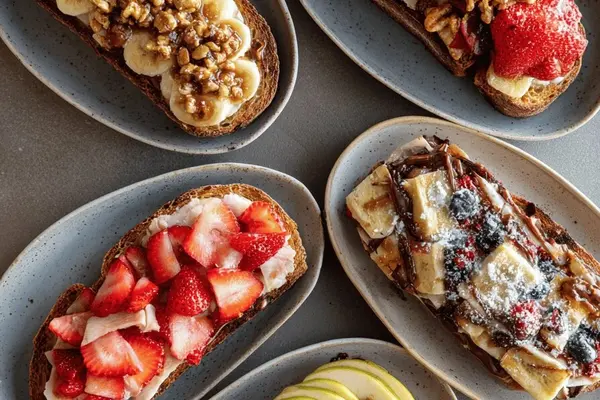
Easy Breakfast Tartines: 5 Sweet & Savory Ideas
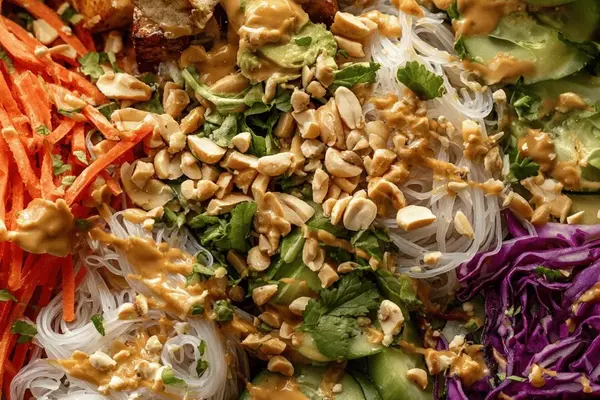
Silken Tofu Peanut Bowl with Vermicelli
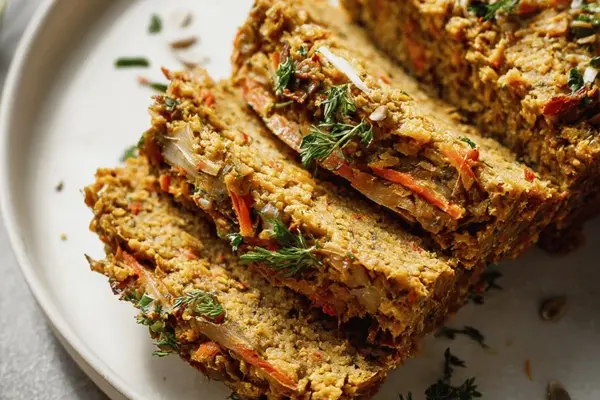
Gluten Free Hors D'Oeuvres with Sunflower Seeds
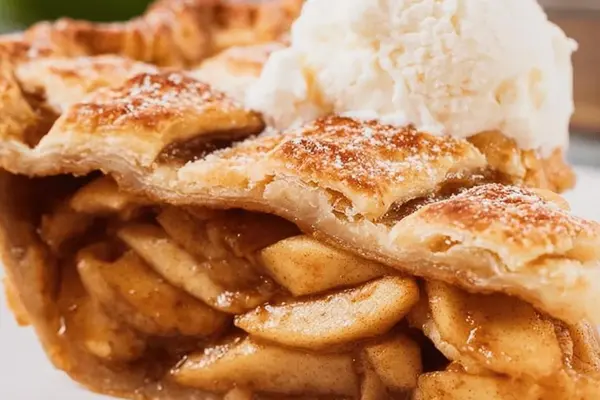
Homemade Apple Pie with Lattice Crust
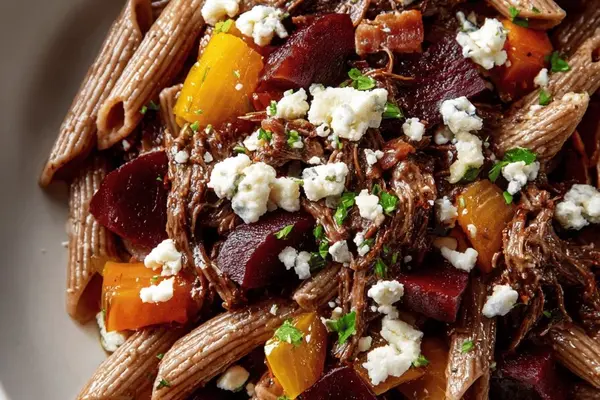
Beef Pasta with Beets and Gorgonzola
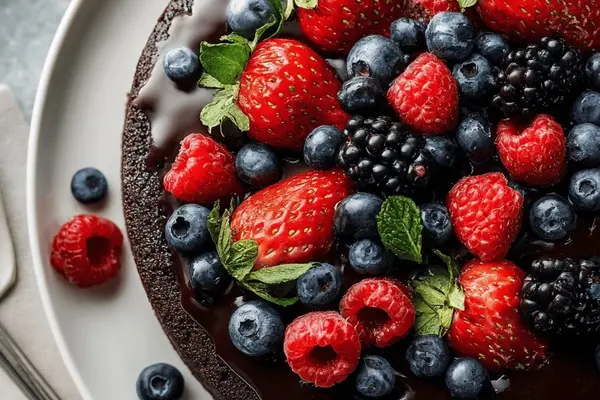
Less Sugar Chocolate Cake with Almond Flour
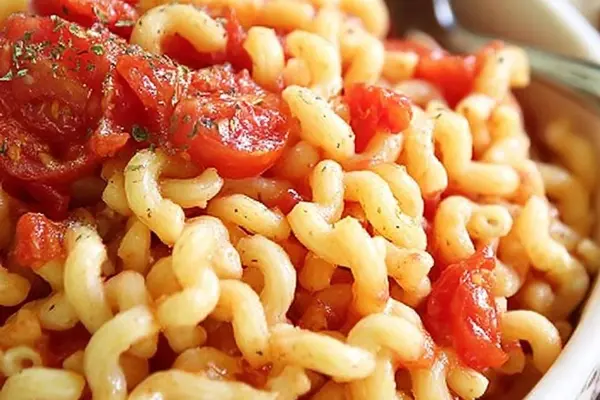
Bacon Tomato Macaroni with Shell Pasta

Braised Pork Quesadillas with Poblano
Green Tahini Yogurt Sauce with Parsley
Compound Butter with Mushrooms and Walnuts
Roasted Yellow Pepper Potato Soup Recipe
Barbecue Smoked Turkey Salad with Corn
Pork Meatballs in Oven with Root Vegetables
Millionaire Bars with Coconut Sugar Caramel

Maple Rosemary Twist Cocktail Recipe
Haskap Berry Billets with Coconut Cream
Fennel Salad with White Fish & Grapes
Cured Salmon with Calvados & Juniper