Braised Italian Sausages Red Wine Recipe
By Emma
Certified Culinary Professional
·
Recipe tested & approved
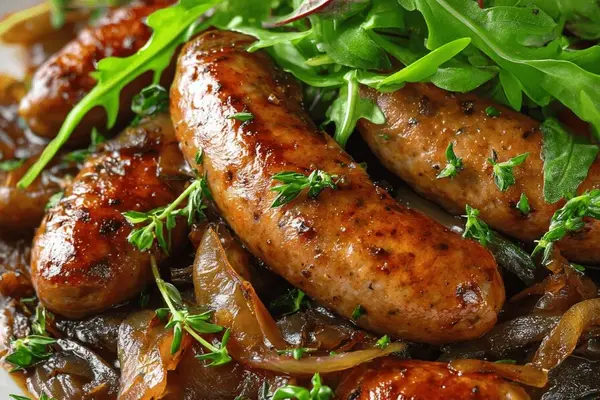
Braised Italian sausages in red wine with caramelized onions, fresh thyme, and smoked paprika. This one-pot comfort dish features tender pork sausages in a rich sauce.
Prep:
25 min
Cook:
35 min
Total:
1h
Servings:
6 servings
Brown the sausages hard. Don’t move them around. That crust is where everything happens—and the smell tells you when it’s right before you even look. This braised Italian sausage recipe doesn’t play games. Seven sausages, red wine, caramelized onions, one pot. Takes an hour. Feeds people. No cleanup beyond rinsing a skillet.
Why You’ll Love This Braised Sausage Dinner
One pot means one thing to wash. That matters on nights when you’re tired. Italian sausage with red wine hits different than chicken or beef—the fat renders into the sauce and everything gets glossy and rich without feeling heavy. Works cold the next day. Maybe better. Leftover sauce gets even more savory. Comfort food that doesn’t feel like a project. Sear, braise, done. Tastes like you spent three hours cooking. Takes one.
What You Need for Braised Italian Sausages
Seven Italian style pork sausages. Buy the good ones if you can—cheap sausage tastes like nothing. Olive oil. Three tablespoons. More if your pan’s extra wide. Four medium onions sliced thin. Red or yellow. White works too but gets stringy sometimes. Red wine. One and a third cups. Drink the rest. Don’t use cooking wine—it’s garbage. Beef broth. One and a fifth cups. Chicken works but loses that deep flavor. Fresh thyme. One sprig. Dried doesn’t work here. Actually—dried kind of does. Half a teaspoon if you only have that. Smoked paprika. A third of a teaspoon. Sounds tiny. Tastes huge. Chopped arugula. A third of a cup. Or don’t use it. Parsley’s fine too. Salt and black pepper. The one place you actually taste everything.
How to Make Braised Italian Sausages
Heavy skillet on high heat. Pour the olive oil in. Wait until it shimmers but doesn’t smoke—that takes maybe two minutes. You’ll see it move like water instead of sitting thick.
Sausages go in. All seven. Don’t crowd them and don’t touch them for three minutes. Listen. There should be a serious sizzle. That sound means the pan’s hot enough. Around six minutes total—maybe a bit less if your heat’s really high—until they’ve got a brown crust all around. Golden-brown doesn’t cut it. You want actual brown. Dark. That’s flavor sealed in.
Plate the sausages. Don’t wash the pan. Lower heat to medium. All those brown bits stuck to the bottom—that’s fond. It’s what makes this taste like something real.
Onions go in. Stir them around. You want them soft and sweet, not browned and crispy. About seven minutes. They’ll start looking glassy with little brown freckles on the edges. That’s the point where you stop.
Pour the red wine in. The pan roars. Smells aggressive for a second. That’s normal. Use a wooden spoon and scrape all the stuck bits off the bottom—every bit. The wine bubbles down, gets thinner, smells fruity instead of sharp. Six minutes usually. Maybe five if the heat’s cranked high. You’re looking for most of the raw wine smell to fade.
How to Get Braised Sausages With Red Wine Perfect
Sausages slide back in. Turn them a few times so they’re coated. Pour beef broth over everything. Drop in the thyme sprig and sprinkle the smoked paprika. Cover loosely—foil or a lid works, doesn’t matter. The heat drops to a gentle simmer. Not a rolling boil. Small bubbles, slow. Around 20 minutes. That’s when you poke a sausage with a fork—if it feels springy and cooked through but no juice leaks out, you’re done braising.
Crank the heat to medium-high. Take the lid off. Now the sauce reduces. You’re watching it get thicker, darker, glossy. It should shrink down by nearly three quarters—maybe more. Everything gets coated. The sausages look lustrous. The onions are dark and soft. The sauce sticks to everything. Takes five to eight minutes depending on how much liquid you had and how hot your burner runs.
Taste it. Salt and cracked pepper go in now. Taste again. Broth is already salty—way more than you think—and wine is tart. You’re balancing both things, not adding more salt blindly. If the sauce is too thin after all that simmering and the sausages are cooked through, heat stays high and you stir constantly to avoid burning the bottom. If it thickens too fast and sausages feel soft but not quite done, splash more broth in and cover again for five minutes.
Braised Italian Sausage Red Wine Tips and Mistakes
Chopped arugula goes on top right before serving. It softens slightly from the heat, adds fresh peppery contrast to all that richness. Skip it if bitter greens aren’t your thing. Flat-leaf parsley does the job instead—less peppery but cleaner.
Serve with polenta or crusty bread. Something needs to soak up the sauce because that’s the best part. The sausages are good. The onions are good. The sauce is the actual reason you made this.
Swap beef broth for chicken broth if you want something lighter. It works. Tastes different—less deep but still rich. Thyme can become rosemary. Sturdier herb, stronger flavor. Don’t do both. Smoked paprika is subtle. It’s not spicy. It’s just there, adding smoke and depth. Chili flakes are hot—totally different. If the sauce breaks or looks separated, that usually means heat got too high at some point or it reduced too far. Doesn’t ruin it. Stir in a splash of cold broth and the fat re-emulsifies. Takes a minute. Brown the sausages properly. Seriously. That crust is non-negotiable. If you skip or rush it, the whole thing tastes flat. Don’t wash the pan between searing sausages and cooking onions. That fond becomes flavor.
Braised Italian Sausages Red Wine Recipe
Prep:
25 min
Cook:
35 min
Total:
1h
Servings:
6 servings
Ingredients
- 7 sausages, Italian style pork
- 45 ml (3 tbsp) olive oil
- 4 medium onions, thinly sliced
- 320 ml (1 1/3 cups) dry red wine
- 280 ml (1 1/5 cups) beef broth
- 1 fresh thyme sprig
- 1.5 ml (1/3 tsp) smoked paprika
- 12 g (1/3 cup) chopped arugula
- Salt and black pepper, to taste
Method
- 1 Start with a heavy skillet on high heat. Pour in full olive oil dose, wait till it shimmers but not smokes.
- 2 Tuck sausages in, searing until golden crust forms all around—listen for that sizzle; crust means flavor locked inside. Takes about 6 minutes but trust the color, not the clock.
- 3 Ditch sausages on a plate; lower to medium heat. Same pan, no washing—fond underneath. Scatter sliced onions. Stir often. You want soft but not brown, about 7 minutes—onions turning glassy with sweet freckled edges.
- 4 Splash in the wine immediately. The pan will roar again—deglaze now or never. Use a wooden spoon to scrape all those brown bits up. Wine reduces, bubbles shrink. Roughly 6 minutes until it smells fruity with a hint of alcohol gone.
- 5 Slide sausages back in; turn a few times. Pour in beef broth, toss in thyme and smoked paprika. Cover loosely with foil or lid. Simmer gently—small bubbles, slow tease. About 20 minutes until sausages feel springy and cooked through if poked with a fork but no juice leaks.
- 6 Raise heat, remove lid. Reduce sauce, let it thicken and slack down by nearly 75%. Sauce will stick to sausages and onions—lustrous, robust. Season carefully with salt and cracked pepper; taste often because broth is salty, wine tart.
- 7 Before serving, toss the chopped arugula over everything. It softens slightly in warmth, adds fresh peppery contrast. Skip if you hate bitter greens—use chopped flat-leaf parsley instead.
- 8 Serve with quick polenta or crusty bread to soak that sauce up. Watch out for oversalting—broth varies wildly. If sauce too thin after simmering, crank heat, stir constantly to avoid burning. If it thickens too fast and sausages still firm, add a splash more broth and cover.
- 9 Twist: Swap beef broth for chicken broth for lighter taste. Thyme for rosemary if sturdier herb needed. Smoked paprika is sneaky—it’s subtle but adds smoky punch unlike chili flakes’ hot burn.
Nutritional information
Calories
380
Protein
22g
Carbs
8g
Fat
28g
Frequently Asked Questions About Italian Sausage With Red Wine
Can you make this ahead? Yes. Braise the whole thing, let it cool, stick it in the fridge. Reheats fine on the stove—medium heat, covered, about ten minutes. Tastes actually better the next day. The flavors settle.
What if you only have white wine? It’ll taste different. Lighter, less savory. Not bad. Just not the same dish. Don’t do it if you have the choice.
How long does this keep? Three days in a container. Four if you’re lucky. The sauce gets stronger as it sits. After five days it starts turning sour.
Can you freeze it? Yeah. Freeze the sausages and sauce together. Thaw in the fridge overnight, reheat same way as leftovers. Arugula should go on fresh after reheating—it gets weird if frozen.
What about pork sausage braised in wine instead of beef broth? This recipe already is pork sausage. If you mean using all wine and no broth—that gets too acidic. Wine needs broth to balance it. They need each other.
Does smoked paprika matter or can you skip it? It matters more than the amount suggests. That third of a teaspoon adds something you can’t name but you’d notice missing. Don’t skip. If you don’t have it, just salt and pepper works. Isn’t the same though.
Why does the recipe say not to move the sausages around at first? Moving them prevents the crust from forming. You need that brown crust to seal the fat in and lock the flavor. Constant stirring means steaming instead of searing. Let them sit.
You’ll Love These Too
Explore all →
Apple Cider Vinegar Dressing Recipe

Lemon Drop Martini with Lemon Vodka
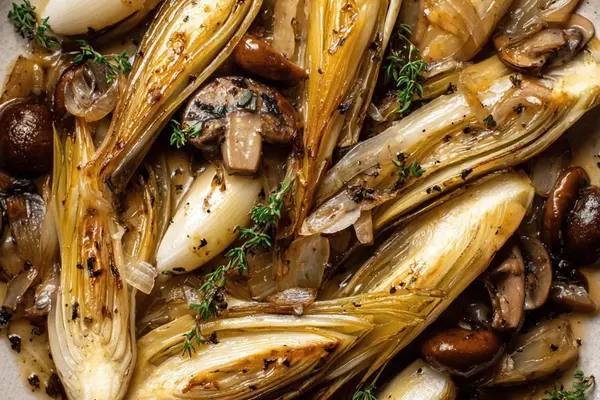
Braised Endives with Maple Syrup

Making Sugar Cookies with Royal Icing
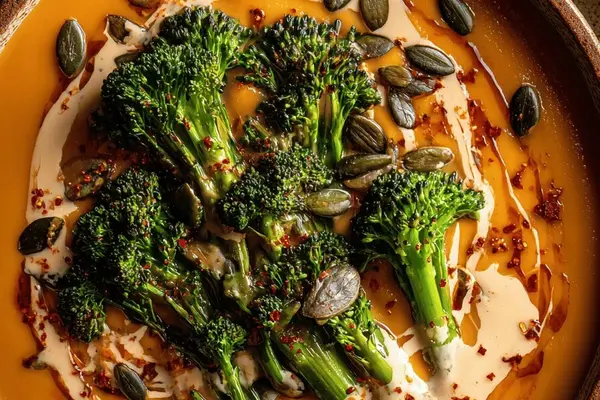
Creamy Carrot Soup with Tahini Sauce
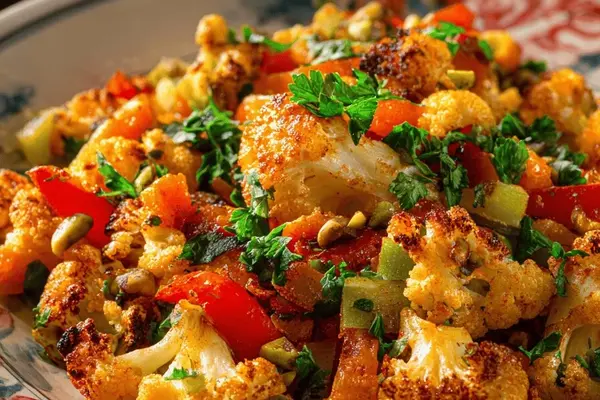
Cauliflower Couscous with Pistachios
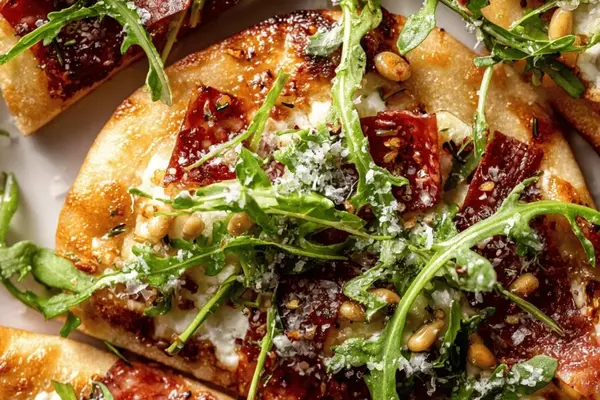
Neapolitan Pine Nut Pizzas with Ricotta
Sesame Salmon Edamame Bowl Recipe
Sausage Pasta with Spinach and Tomatoes
Stuffed Cabbage Rolls with Ground Beef
Mini Chicken Caesar Bites with Pancetta
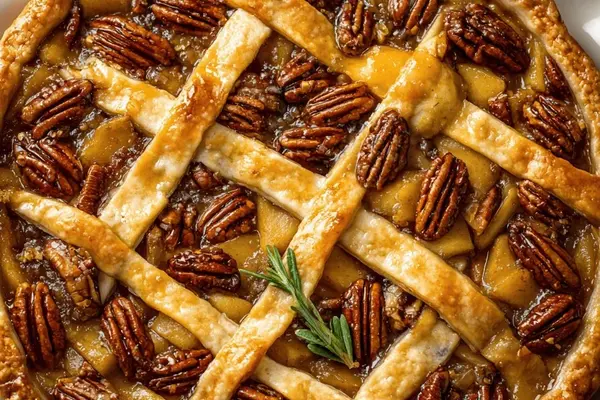
Apple Tart with Pecans and Dried Apricots
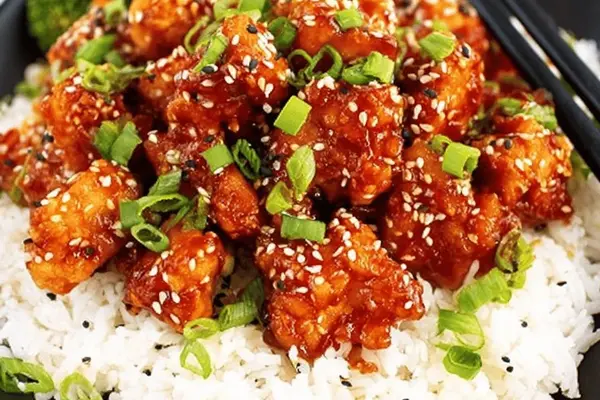
Crunchy Sesame Chicken with Honey Sriracha
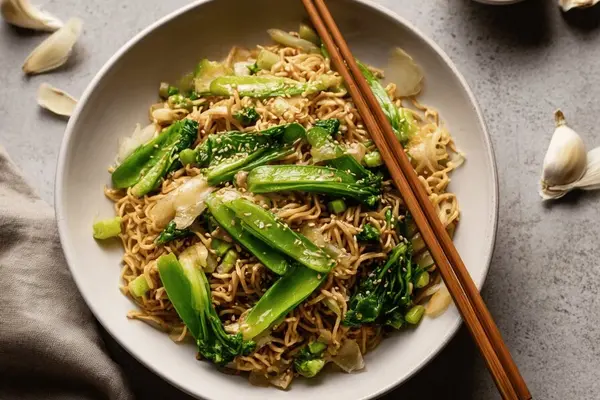
Crispy Ramen Chow Mein with Cabbage
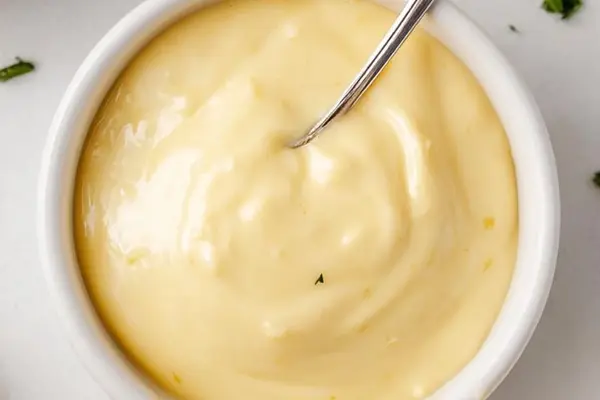
Garlic Mayonnaise with Dijon & Fresh Herbs
Cream Cheese Frosting Recipe

Pitcher Paloma Remix with Yuzu & Grapefruit

Grapefruit Wine with Peach Ice Cubes
Air Fryer Spring Rolls with Cabbage