Braised Beef Pappardelle with Butternut Squash
By Emma
Certified Culinary Professional
·
Recipe tested & approved
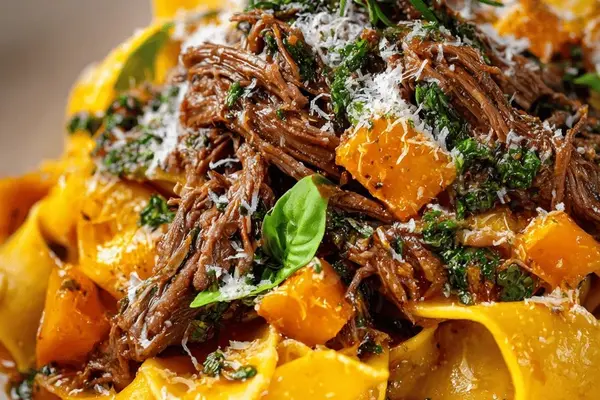
Tender braised beef pappardelle with brisket slow-cooked in Madeira wine and tomato paste. Tossed with butternut squash, fresh basil, and pecorino romano cheese.
Prep:
50 min
Cook:
2h 15min
Total:
3h 5min
Servings:
4 servings
Beef browning starts now — salt each batch before it hits the pan, let it sit in that oil until the underside goes almost black. That’s the color you want. Not brown. Actually dark. The kind of mahogany that makes you second-guess yourself for half a second before you flip it over and see the other side’s the same.
Why You’ll Love This Braised Beef Pappardelle
Takes three hours but most of that’s the oven doing the work while you’re literally doing anything else. Comes out tasting like you’ve been cooking it since morning. The kind of dish that tastes better the next day, which almost never happens with pasta — but this does.
One pot. Heavy pot, sure, but it goes from stovetop straight into the oven. No transferring. No extra dishes piling up while you’re eating.
Butternut squash in there gives it something — sweetness, texture, something that shouldn’t work but does. Fall food that doesn’t feel heavy even though it absolutely is.
The pasta actually holds the sauce instead of sliding off. Pappardelle’s wide enough that it catches everything.
What You Need for Braised Beef Pappardelle
Brisket. Five hundred grams. Cut it into chunks — not too small or they disappear into nothing, not too big or they don’t cook through. Medium. Just medium.
Oil. Vegetable. Enough that the beef doesn’t stick immediately when it hits the pan, maybe twenty-five milliliters. Olive oil burns too fast at this heat.
Onion, carrot, celery. One of each. Diced. Not minced. Diced means they stay a little textured, don’t turn into paste.
Four cloves of garlic, roasted and smashed. If you’ve got roasted garlic already, use that. If not, roast them first — takes maybe fifteen minutes at the same oven temp. Changes the whole flavor. Raw garlic doesn’t work here.
Tomato paste. Twenty-five milliliters. Stir it in and let it cook until it deepens. That raw edge goes away in about ninety seconds.
Madeira wine. Two hundred milliliters. Not something cheap. Not expensive either. Just actual Madeira. Nothing else tastes right.
Beef stock. Three hundred milliliters. Homemade if you’ve got it. Store-bought works.
Butternut squash, diced smaller. Four hundred grams. Steam it separate so it doesn’t fall apart in the braise.
Pappardelle pasta. Three hundred fifty grams. The wide ribbons. Thinner pasta just doesn’t hold up to this sauce.
Pecorino romano cheese, grated. Forty grams total. Salty, sharp. Parmesan won’t do the same thing.
Fresh basil. Fifteen grams, chopped. Not dried. Fresh only.
Lemon zest. One lemon. Squeeze of juice too if you’ve got it, but the zest matters more.
How to Make Braised Beef Pappardelle
Heat oven to 175 degrees Celsius. Middle rack. That’s non-negotiable — too high and the pot bubbles over, too low and the bottom scorches.
Oil goes in a heavy pot on medium-high heat. Wait until it’s hot enough that a piece of beef sizzles the second it touches down. Brown the beef in batches — and this matters — don’t crowd the pan. Four pieces at a time, maybe five depending on your pot. Too many and they steam instead of brown. You want that mahogany crust all over each piece before it goes on a plate.
Salt and pepper each batch as it browns. Not after. During.
Once all the beef’s out, turn the heat to medium and throw in the onion, carrot, celery. Stir them around for three or four minutes. They should get glossy and smell like something, but don’t let them brown hard. Just softened.
Add the roasted garlic. Stir for one minute. It smells different from raw garlic — warmer, mellow, almost sweet.
Tomato paste goes in next. Stir it into the vegetables and let it cook. Watch the color deepen slightly. That raw metallic taste disappears in about ninety seconds. Don’t let it burn.
Madeira wine. Pour the whole two hundred milliliters in and use a wooden spoon to scrape the bottom of the pot. All those brown bits — fond — they dissolve into the wine. The liquid bubbles down to about two-thirds of what it was. That takes a few minutes. You’ll feel when it’s right — the bubbling slows, gets thicker looking.
Beef goes back in. Pour the stock over it. The meat should barely be covered. If there’s too much liquid, pour some out.
Bring it up to a rapid simmer — you’ll see big bubbles breaking the surface. Cover it tight with a lid or foil and put the whole pot in the oven.
Two hours and fifteen minutes. Check halfway through. The beef should be getting soft, starting to fall apart when you poke it with a fork. If the liquid’s reduced way too much — like, the pot looks almost dry — add some hot stock or hot water. A bit, not a lot. The goal is thick sauce, not soup.
How to Get Braised Beef Perfectly Tender and Shred It Right
When the timer goes off, pull it out. The beef should tear apart easily. Use two forks — one to hold a piece steady, one to shred it directly in the pot. Don’t be gentle about it. Mash it around. The fibers break apart and release all their juices back into the sauce. The sauce goes glossy and thick.
Meanwhile — while that’s happening in the oven — dice up the butternut squash. Steam it for about four minutes. Just until it’s tender enough to eat but still holds its shape. Mushy squash turns to nothing when you toss it with pasta. You want it to have some texture. Some resistance.
Large pot of salted water. Get it boiling. Pappardelle goes in and you need to watch it — test a piece at three minutes, again at four. Al dente means it’s still got a tiny bit of resistance when you bite it. Not chewy. Not soft either. Right in between. Before you drain it, reserve two hundred fifty milliliters of that starchy pasta water. That’s the glue that makes everything stick together.
Pour the drained pasta into the beef pot. Add the steamed squash. Pour in one hundred twenty-five milliliters of that pasta water — not all of it yet. Sprinkle half the pecorino and basil in. Add the lemon zest. Turn the heat to low and toss it all together for about one minute. The pasta should start picking up that sauce, coating itself.
If it looks dry, add more pasta water, a splash at a time. If it looks slick and heavy, stop there. Taste it. More salt? More pepper? A squeeze of lemon juice if you’ve got it.
Tips for Braised Beef Pappardelle and What Goes Wrong
Don’t skip browning the beef properly. That dark crust is where the flavor lives. Rushed browning means flat-tasting braise.
The oven temperature matters more than you think. One seventy-five Celsius. Not one-eighty. Not one-seventy. The lower temp means the beef gets tender without the sauce reducing into nothing.
If the beef’s still tough at the two-hour mark, it’s fine — just put it back in for another fifteen minutes. Every oven’s different. Some run hot. Some run cold.
Pasta water saves everything. Seriously. That starch is what binds the sauce to the pasta. Tap water doesn’t work. It has to be pasta water.
Don’t let the pasta sit in the sauce for more than a minute before serving. It keeps absorbing liquid and turns into mush. Pappardelle especially — those wide noodles soak it up fast.
The squash can go in earlier if you want — last thirty minutes of the braise instead of steaming it separate. It’ll be softer but the sauce gets sweetness from it either way. Try it your way.
Braised Beef Pappardelle with Butternut Squash
Prep:
50 min
Cook:
2h 15min
Total:
3h 5min
Servings:
4 servings
Ingredients
- 500 g brisket of beef, boneless, cut into medium chunks
- 25 ml vegetable oil
- 1 whole onion diced
- 1 large carrot diced
- 1 celery stalk diced
- 4 cloves garlic, whole roasted and smashed
- 25 ml tomato paste
- 200 ml Madeira wine
- 300 ml beef stock
- 40 g freshly grated pecorino romano cheese
- 15 g chopped fresh basil leaves
- Zest of 1 lemon
- 400 g diced butternut squash, smaller dice
- 350 g pappardelle pasta
Method
- 1 Preheat oven 175°C. Position oven rack midway.
- 2 Heat oil in heavy oven-safe pot medium-high. Brown beef pieces in batches, avoid crowding; turn when deep mahogany all over. Salt and pepper each batch. Remove beef to plate.
- 3 Reduce heat to medium, toss in diced onion, carrot, celery. Sauté 3-4 minutes until glossy and fragrant, softened but not browned sharply.
- 4 Add roasted garlic cloves—aromatic, mellow sweetness—stir with vegetables 1 minute. Stir in tomato paste; cook off raw edge 90 seconds. Watch paste deepen slightly, no burning.
- 5 Splash Madeira; clamp down with wooden spoon scraping fond. Reduce liquid by two-thirds, watching bubbling slow to syrupy consistency.
- 6 Return beef to pot. Pour beef stock. Should barely cover meat. Bring up to rapid simmer; cover tightly with lid or foil.
- 7 Transfer pot to oven. Braise 2 hours 15 minutes. Check halfway: meat should start to pull apart tender. If liquid reduces too much, add a bit hot stock or water.
- 8 Remove from oven. Using two forks, shred beef directly in pot, mashing gently to release juices, sauce thick and glossy.
- 9 Meanwhile, steam diced butternut squash 4 minutes till just tender. Avoid mushy squash; it adds sweet texture but should hold shape.
- 10 Cook pappardelle in large salted water till al dente, test often. Reserve 250 ml pasta water before draining.
- 11 Add drained squash and pasta to beef. Pour 125 ml pasta water, sprinkle half pecorino and basil, lemon zest. Toss vigorously over low heat, one minute, coating pasta, lifting sauce.
- 12 Adjust texture with more pasta water if dry or sticky. Final seasoning check: salt, pepper, citrus brightness.
- 13 Serve topped with remaining cheese and basil. Serve promptly; pasta will absorb sauce quickly.
Nutritional information
Calories
580
Protein
36g
Carbs
65g
Fat
22g
Frequently Asked Questions About Braised Beef Pappardelle
Can I make this in a slow cooker instead of the oven?
Yeah. Brown the beef the same way on the stovetop, do the vegetables and tomato paste part, then pour everything into the slow cooker on low for six to seven hours. Skip the Madeira reduction — just pour it in with the stock. The timing changes because slow cookers run hotter than you’d think even on low. Check it at five hours. Beef should be shredding by then.
What if I don’t have Madeira wine?
Don’t substitute with something else. Madeira has a specific sweetness and depth. Red wine tastes wrong. White wine tastes thin. If you genuinely don’t have it, use a bit more stock instead — pour it in the same amount — but the braise won’t taste the same. Not bad. Just different. Less complexity.
Can I use a different pasta shape?
Pappardelle works because it’s wide and catches sauce. Thinner pasta like fettuccine slides around. Rigatoni works fine. Small shapes drown in it. Honestly, stick with pappardelle or fettuccine. That’s it.
How long does this keep?
Three days in the fridge in an airtight container. The flavors actually get deeper. Reheat gently on the stovetop with a splash of stock or water — don’t use the microwave or it gets grainy. Freezes well too. Pasta gets a bit soft when you thaw it but the sauce is still good.
Should I add the squash to the braise or cook it separate like the recipe says?
Cook it separate. If you braise it the whole time it turns into baby food. Steam it quick and it stays a little firm, adds texture. But if you forget and throw it in at the last thirty minutes, it still works. Just be ready for softer squash.
Can I use chuck instead of brisket?
Chuck works. It braises faster — might be done in an hour forty-five instead of two fifteen. Check it earlier. The texture’s slightly different, a bit more crumbly. Brisket holds together better when shredded but chuck tastes just as good.
You’ll Love These Too
Explore all →
Berry Quinoa Bowl with Greek Yogurt
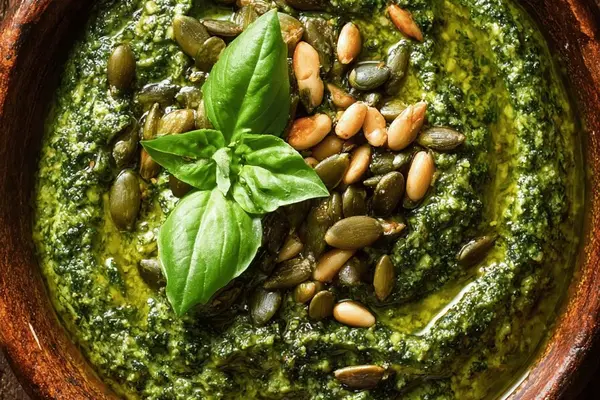
Fresh Basil Pesto Recipe with Pumpkin Seeds
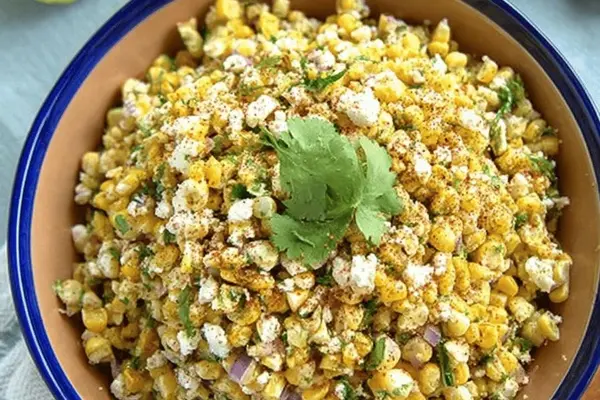
Mexican Corn Salad with Avocado
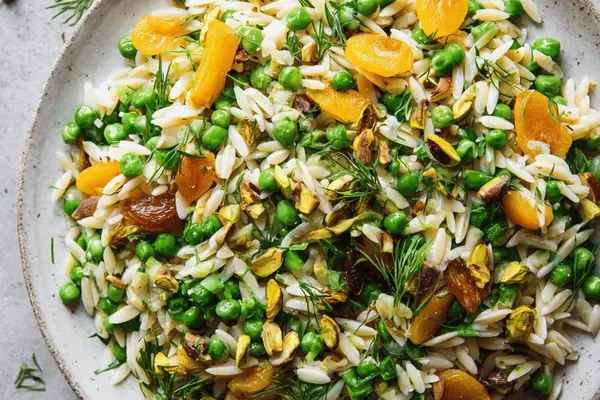
Orzo Salad with Peas, Apricots & Pistachios
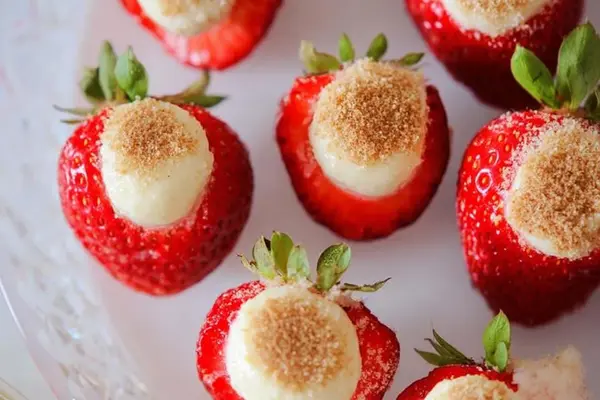
Cheesecake Stuffed Strawberries Recipe

Piña Colada Recipe with Rum and Coconut Cream
Dairy-Free Corn Crumble with Lemon Zest
Brown Chicken Gravy with Roasted Wings
Pulled Pork Potato Chip Nachos
Chicken Fried Rice with Bell Peppers
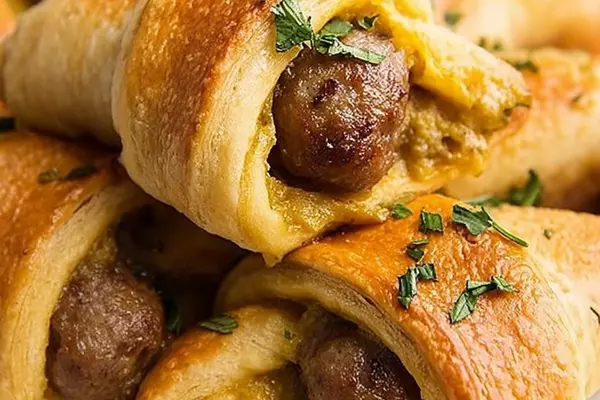
Sausage Egg Cheese Crescent Rolls
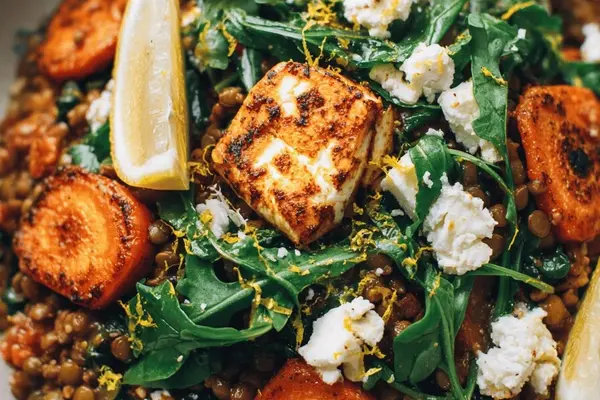
Roasted Carrots Lentil Couscous with Halloumi
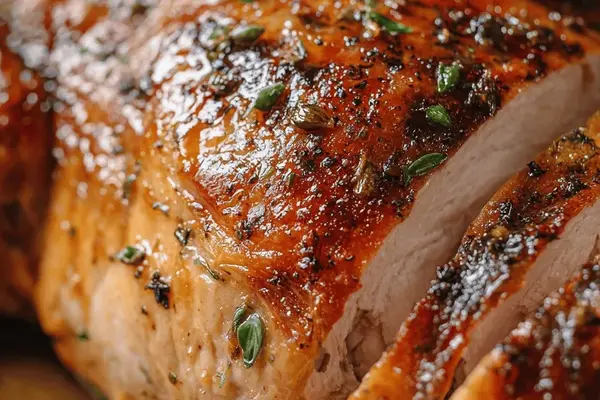
Roasted Turkey with Juniper and Aquavit
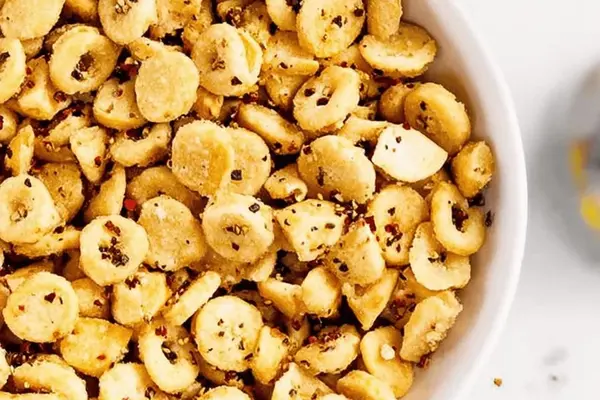
Homemade Ranch Oyster Crackers Recipe
Plum Crumble with Almond Topping & Cardamom
Slow Braised Pork Chops with Caramelized Onions
Pork Chop Marinade with Smoked Paprika
Brie and Cheese Puff Pastry Bites
Pumpkin Cake Cheesecake Recipe