Beef Broth Soup with Parsnip Mousse
By Emma
Certified Culinary Professional
·
Recipe tested & approved
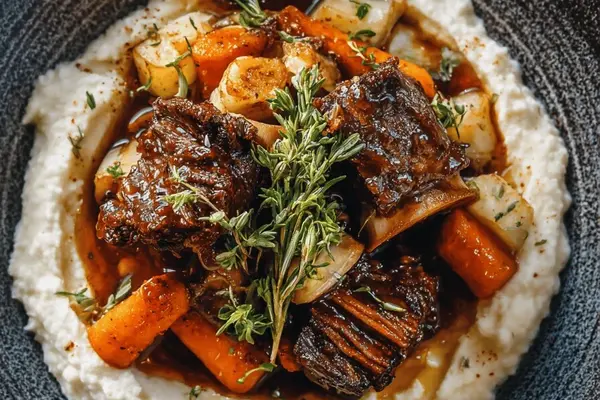
Beef broth soup made with slow-roasted marrow bones, carrots, and turnips, topped with whipped parsnip mousse. Rich and comforting.
Prep:
20 min
Cook:
1h 35min
Total:
1h 55min
Servings:
8 servings
Roast the bones first—that’s where everything starts. Two and a half pounds of beef marrow bones at high heat until they smell like actual roasted meat, not raw. That smell is the signal. Skip this step and the broth tastes flat.
Why You’ll Love This Roasted Beef Bone Broth
Takes just under two hours total. Thirty-five minutes of that is actual hands-on time. Rest is oven and stovetop doing their thing.
Roasted beef bones give you something deeper than regular broth—the marrow breaks down slow and makes it silky. Not thick. Just rich. The parsnip mousse floats on top like foam on espresso, which is kind of the whole point.
Gluten free. Everything is. No hidden grain, no thickeners. Just bones, vegetables, cream, parsnip.
Works as a starter course or a light dinner. Comfort food that doesn’t sit in your stomach for hours. Cold next day? The broth sets up jellied. Reheat gently or eat it as is.
What You Need for Slow Roasted Marrow Bones Beef Broth
Beef marrow bones. Two and a half pounds. Not soup bones—marrow bones specifically. The ones that look thick and have actual marrow inside. Ask the butcher. They’ll know.
Parsnips, peeled and cut into cubes. About two cups. They cook down to almost nothing, then you blend them silky and fold in cream. Rutabaga works too. Sunchoke if you want something earthier.
Carrots and turnips. Two each. The turnips replace celery—lighter flavor, sweeter finish. Celery works but the broth gets vegetal.
One medium onion, garlic, olive oil, cold water. That’s the broth base.
Whole milk, heavy cream, butter for the mousse. The cream gets whipped just enough to hold peaks but not overbeaten into grains. You’ll know when you’ve gone too far—it breaks and tastes empty.
How to Make Roasted Beef Bone Broth
Start with the mousse first because it needs forty minutes in the fridge minimum. Salted water, parsnips in, bring to boil. You’re looking for that moment where a fork slides through with zero resistance. Not mushy—that falls apart when you blend it. Tender but intact.
Drain everything. Blend the warm parsnips with butter until it goes silky. While it’s moving, drizzle the milk in slowly. Keep blending. The texture thickens but stays spoonable, not stiff. Cool it down first—hot puree won’t take cream right.
Whip the cream. Stop before it gets grainy. Fold it into the cold puree gently. Folding, not mixing. You want air in there, not compression. Chill it until you need it.
How to Get Roasted Beef Bone Broth Rich and Clear
Oven to 250 degrees Celsius. That’s about 480 Fahrenheit. Mid-level rack. Line a tray with paper towels because it splatters.
Toss the bones, carrots, turnips, smashed garlic, onion, olive oil, and salt onto the tray. Space the bones out—they brown better that way. Roast forty to fifty minutes, turning every twelve minutes or so. You’re looking for deep golden crust. Some slight char is good. Black is not.
The smell changes. That’s your cue. Starts raw, shifts to roasted meat aroma—nutty, almost sweet. That’s when you know it’s working.
Everything goes into a heavy pot. Cold water, bring it slowly to boil then drop to a simmer. Gentle bubbles, not rolling boil. Simmer for thirty-five to forty minutes. Skim the foam off the top as it comes up. That’s impurities and sediment.
The broth gets glossy. The surface catches light differently—that’s gelatin from the marrow bones doing its thing. Rich. Thick without being thick. You know?
Strain it through fine mesh. Everything gets discarded. The broth is clear but has color, tastes like beef even though it’s just bones and vegetables. Let it cool slightly. Skim the fat off the top or chill it completely until the fat solidifies, then scrape it away. No watery broth—that means you simmered hard enough.
Roasted Beef Bone Broth Tips and Common Mistakes
Bones are everything. If they don’t brown properly, the broth tastes hollow. High heat, give them time. The browning = flavor. Non-negotiable.
Mousse texture is temperature sensitive. Reheat it too hot and it liquefies into nothing. Microwave in fifteen-second bursts and stir. Should be warm, not hot. Cold is stiff. There’s a window where it’s right. You’ll find it.
Don’t overwhip the cream. Once it breaks, you either start over or fold the whole thing back into cold parsnip puree and rescue it that way. Actually works—have done it.
Turnips instead of celery matters. Celery makes the broth taste green and vegetal. Turnips add sweetness. If you can’t get turnips, try rutabaga. Not the same but close.
No beef marrow bones available? Chicken bones work with a shorter roast, but add something umami-forward—dried mushrooms, miso, whatever. Straight chicken is too light.
Assembly: ladle hot broth into cappuccino cups until three-quarters full. Spoon the mousse on top like foam. Black pepper over the top. Tiny spoon. Sip the broth, get a dollop of mousse together. Serve immediately.
Beef Broth Soup with Parsnip Mousse
Prep:
20 min
Cook:
1h 35min
Total:
1h 55min
Servings:
8 servings
Ingredients
- PARSNIP MOUSSE
- 480 ml (2 cups minus 1 tbsp) parsnips peeled, cut into cubes
- 12 ml (3 tsp) butter
- 130 ml (1/2 cup plus 2 tbsp) whole milk
- 130 ml (1/2 cup plus 2 tbsp) heavy cream 35%, whipped
- BEEF BROTH
- 1.2 kg (2.5 lb) beef marrow bones
- 2 large carrots, cut into chunks
- 2 turnips, peeled and quartered (swap celery)
- 2 cloves garlic, smashed
- 1 medium onion, quartered
- 25 ml (1.5 tbsp) olive oil
- 1.4 L (5.5 cups) water
Method
- PARSNIP MOUSSE
- 1 Toss parsnips in cold water, salt lightly, bring to boil. Simmer until fork slides in with zero resistance. No mush; tender but intact.
- 2 Drain well. Blend warm with butter until silky. Drizzle milk slowly while blending; texture should thicken but stay spoonable. Cool in fridge minimum 40 minutes—chilling tightens flavors and firms body.
- 3 Whip cream medium-firm, do not overbeat or it breaks. Fold the cream into cold parsnip puree gently—folding for air, not mixing to liquid. The mousse should feel light but still hold shape. Chill until needed.
- BEEF BROTH
- 4 Place oven rack mid-level. Preheat oven to 250 °C (480 °F). Line a tray with paper towels to catch splatter.
- 5 Toss bones, carrots, turnips, garlic, onion, olive oil, and a good pinch of salt on rimmed tray. Space bones for max browning. Roast 40 to 50 minutes, turning every 12 minutes for even roast. Aim for deep golden crust, slight charring but not black. Smell shifts to nutty roasted meat aroma.
- 6 Transfer all to heavy stockpot, add cold water. Bring slowly to boil then reduce to simmer. Maintain gentle bubbles (not full boil) for 35-40 minutes. Skim foam and impurities often. Rich flavor develops with glossy sheen on broth surface.
- 7 Strain broth through fine mesh. Discard solids. Cool slightly, then degrease by removing fat layer or chilling broth until fat solidifies, then scrape off. Avoid watery broth by maintaining simmer, not rapid boil.
- ASSEMBLY
- 8 Warm parsnip mousse gently in microwave in 15-second bursts, stirring between. Should be warm, not hot. Mousse collapses if overheated.
- 9 Ladle hot broth into cappuccino cups until 3/4 full. Spoon mousse on top as 'foam'. Grind fresh black pepper over mousse crown. Tiny spoon needed—sip broth, dollop mousse together.
- 10 Serve immediately. Watch mousse texture—too cold is stiff, too hot liquefies. Broth must be clear but rich, no cloudiness.
- NOTES
- 11 Bone roasting tricks: high heat then slow simmer releases gelatin better. If bones not browned, broth tastes flat. Parsnip substitutions: rutabaga or sunchoke add interesting earthiness. Turnips instead of celery lighten broth complexity.
- 12 If pressed for time, roast bones lower temp longer but expect less color. If mousse too thin, chill longer or fold in more cream. Overwhip cream? Rescue by adding cold parsnip puree back in gently.
- 13 No beef marrow on hand? Use chicken bones with short roast but add umami boosts like dried mushrooms.
- 14 Remember—smell guides doneness in roasting; broth shimmer signals ready; mousse texture changes with temperature.
Nutritional information
Calories
220
Protein
8g
Carbs
10g
Fat
15g
Frequently Asked Questions About Gluten Free Beef Broth with Parsnip Mousse
Can I make the broth ahead? Yes. Make it two days before. Store it cold in the fridge—the fat layer on top keeps it sealed. Mousse should be made the day of or it gets watery. Reheat broth slowly. Don’t boil it.
What if the mousse breaks when I fold in cream? Fold gentler. You’re looking for light, not mixed. If it already broke, fold the whole thing back into cold parsnip puree and start again with fresh cream. Takes three minutes.
Should I roast the bones longer if they’re not dark enough? No. Extend the heat instead. Higher temperature, shorter time gets better browning than low and long. If they’re pale after fifty minutes, turn the heat up to 480 Fahrenheit and go another ten.
Can I use chicken bones instead of beef marrow bones? Works but the broth’s thinner. Shorter roast time too—they burn faster. Add umami to compensate. Dried mushroom, miso, something. Straight chicken broth tastes weak next to this.
How do I know the broth is done simmering? Taste it. Should taste like beef, not boiled water. Color shifts to golden or light amber. Surface has that glossy sheen. Takes thirty-five to forty minutes of gentle simmer. Not longer—over-simmering clouds it.
Can I skip the parsnip mousse and just serve broth? Technically yes. But it loses something. The mousse is where the depth comes from—earthiness, creaminess, the foam texture. It’s the whole point. Just broth is thin by itself.
You’ll Love These Too
Explore all →
Chocolate Cookies with Marshmallow & Walnuts
Soba Noodle Dish with Chickpeas

Egg Muffins with Zucchini and Cheese
Rabbit Stew with Dark Rum and Carrot Juice

No Bake Cookies Recipe with White Chocolate
Herb Butter for Turkey | Fresh Herbs
How to Cook Snow Crab Legs: Boil, Steam, Bake
Apple Crumble Apples with Cinnamon
Seasoned Cast Iron Skillet with Grapeseed Oil
Dairy-Free Corn Crumble with Lemon Zest
Caramelized Figs with Greek Yogurt & Honey
Asian Style Sirloin BBQ with Soy & Ginger

Smorrebrod with Blue Cheese & Fig Chutney
Peanut Soba Chicken with Cashew Butter
Creamy Italian Dressing Recipe
Grilled Chicken Breast with Pesto & Mozzarella
Berry Quinoa Bowl with Greek Yogurt
Homemade Chicken Broth with Garlic & Herbs

Eggplant S with Crispy Tofu & Green Beans