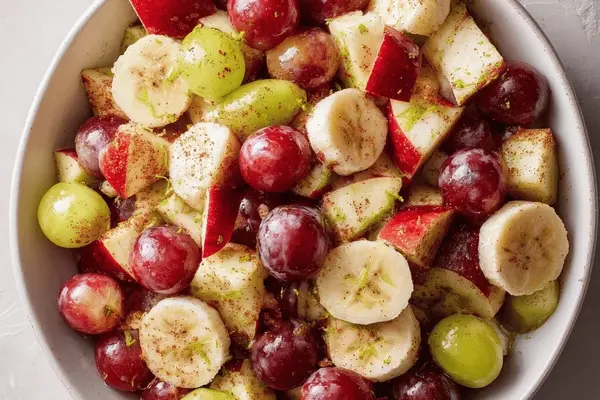
Autumn Fruit Salad with Apples, Grapes & Honey
By Emma
Certified Culinary Professional
·
Recipe tested & approved
Firm apples, not soft ones. That’s the move. Chop them up, throw in some grapes that you’ve halved, then the honey hits different when it sits for a minute with the lime zest doing its thing underneath. Cinnamon if you’re feeling it. Banana comes last — that’s crucial or it browns into nothing.
Why You’ll Love This Autumn Fruit Salad
Takes 10 minutes to throw together. Maybe 15 if you’re slow with a knife. Tastes better the next day, which almost never happens with fruit. The apples soften, grapes get juicier, flavors actually marry instead of just sitting next to each other. Works as a side for literally anything — breakfast, lunch, a light dinner thing. Or just eat it standing at the counter. Healthy without trying. No added anything except honey and what’s already there. The lime cuts through the sweetness in a way that makes it not cloying. Apple salad without that tastes like dessert. This tastes like something you actually want to eat.
What You Need for an Autumn Fruit Salad
Apples — firm ones. Honeycrisp works, Gala works, even Granny Smith if you want sharp. Not the mushy ones from the back of your fridge. Peel them or don’t. Skin keeps some bite.
Seedless grapes. Halve them. If you get the kind with seeds, pick them out. It matters — you don’t want that grit.
Honey or maple syrup. Just enough to coat things without making it syrupy. Five teaspoons. Not a tablespoon. That’s too much.
Lime zest. The zest, not the juice. Well — juice too if you want. But zest first. Adds this tiny bright thing that makes the whole salad different.
Cinnamon. Ground. Optional but don’t skip it. Just a teaspoon. You barely taste it, but it’s there like a memory.
Banana. Ripe but not falling apart. Slice it at the last second or it oxidizes and gets brown before you even plate it.
How to Make Autumn Fruit Salad
Pick apples that are actually firm. Squeeze them gently. They should push back a little. Peel if you want — takes maybe a minute with a vegetable peeler. Or leave the skin. Chop into chunks. Bite-sized. Not tiny, not huge. Something you can actually eat without it falling apart on the fork. Too big and it doesn’t soften. Too small and it falls apart immediately.
Grapes get halved. Just cut them in half lengthwise. If there are seeds, flick them out. Takes longer but worth it. The point is you want them to burst a little when you bite them, not have that weird seed texture.
Combine the apples and grapes in a large bowl. Big enough that you can move things around without spilling. Sprinkle the cinnamon over the top if you’re doing it. The optional part is a lie — you should do it. It’s subtle. Warm. Autumn in a spice.
Add the honey. Pour the lime zest in too. Stir gently. Not aggressively. You’re coating each piece, not mashing everything into paste. Use a wooden spoon. Metal sometimes feels wrong for this.
Let it sit. Loosely covered. Like, a plate on top, not sealed tight. Twelve to eighteen minutes. This is when things happen. The apples soften just slightly. The grapes release their juice. The whole thing stops being separate ingredients and starts being a salad.
Check it with your fingertip around the fifteen-minute mark. Apples should give when you push them. Like, they’re still firm enough to hold their shape, but they’re not hard anymore. That texture is everything. Miss it and you have mush. Hit it and it’s perfect.
Slice the banana at the absolute last second. Like, right before you serve it. Drop it in gently and fold it through. If you let it sit in the juice, it goes brown and mushy and tastes like banana was the whole dish. That’s not what this is.
How to Get Autumn Fruit Salad the Right Texture
The whole thing hinges on timing. Not overthinking it, just watching. Apples shouldn’t turn mushy. That’s the enemy. They soften, they don’t disintegrate.
If your apples are already kind of soft when you start, cut your sitting time down. Eight minutes maybe. If they’re rock hard, you might need twenty. It depends on the apple and the season and how hard you chopped.
The banana is the tricky part. It oxidizes immediately. Turns brown. Not bad, just looks sad. Slice it at the last possible moment. If you’re serving this to people, do it in front of them, right before it goes on the table. If you’re eating it yourself, do it when you’re actually ready to eat it.
Grapes hold their texture fine. They actually get better as they sit because they release juice and get more interesting.
The lime zest stays sharp the whole time. Honey mellows out a bit, becomes less aggressive, settles into the background. That’s good. You want it to smooth things out, not scream at you.
Autumn Fruit Salad Tips and Common Mistakes
Don’t toss the banana in early. That’s the biggest thing. People think everything should mix and mingle. Banana doesn’t work that way. It browns, it goes soft, it tastes like banana pudding instead of fruit salad. Last minute. Always.
Uneven chunks are your enemy. If you chop the apples big and leave the grapes whole, nothing tastes consistent. Spend the extra minute and keep everything roughly the same size.
If your fruit tastes bland — and sometimes it does, especially in late fall when everything’s been in storage — add a splash of lemon juice and a little more honey or maple. Not a lot. Just enough to wake it up.
Too much liquid pooling at the bottom? Drain some off before the banana goes in. Or don’t. It depends if you want it soupy or drier. Both work.
The cinnamon is optional but seriously, don’t skip it. It’s barely there. It’s like you’re not even tasting cinnamon. But without it, the salad tastes flatter. Cinnamon’s weird that way.
Substitutions work. Pears instead of apples bring something floral and soft. Fig halves instead of grapes add depth. Skip honey and use agave if you’re vegan. Swap lime for orange if you want something more mellow. It all works. The structure is solid.
Autumn Fruit Salad with Apples, Grapes & Honey
Prep:
10 min
Cook:
0 min
Total:
20 min
Servings:
4 servings
Ingredients
- 450 ml 1 3⁄4 cups chopped apples peeled or not
- 200 ml 3⁄4 cup seedless grapes halved
- 25 ml 5 teaspoons honey or maple syrup
- Zest of 1 lime
- 1 teaspoon ground cinnamon optional
- 1 ripe banana sliced
Method
- 1 Pick firm but ripe apples. Chop into bite-sized chunks. Too soft and it turns mushy fast.
- 2 Halve grapes, remove seeds if stubborn. Juicy bursts in every bite matter here.
- 3 Combine apples and grapes in large bowl. Sprinkle cinnamon if you dare, adds subtle autumn warmth.
- 4 Add honey and lime zest. Stir gently, not smashing fruit but coating each piece evenly.
- 5 Cover loosely. Let sit 12 to 18 minutes or until apples soften slightly, grapes shine with juice.
- 6 Check with fingertip. Apples should give slightly, not turn mushy—texture is key.
- 7 Slice banana last minute. Fold in gently to avoid browning or squashy mess.
- 8 Serve chilled or room temp. Watch how flavors marry, sharp lime cutting sweetness, cinnamon lurking beneath.
- 9 If fruits lack sweetness, splash lemon juice and extra sweetener. Too runny? Drain half juice before adding banana.
- 10 Avoid over-maceration or banana goes to sludge. Timing here makes or breaks.
- 11 Substitutions: Pears instead of apples bring floral tones, fig halves instead of grapes add honeyed depth.
- 12 Skip honey with agave or maple for vegan twist. Zest swap lime for orange if preferred more mellow notes.
- 13 Common slip-ups: Tossing banana early; fruit pieces uneven, so prep homogeneous chunks.
- 14 Listen to the juices, smell acidity mixing with sweet. A subtle popping sound from grapes releasing juice is a green light.
Nutritional information
Calories
130
Protein
1g
Carbs
33g
Fat
0.5g
Frequently Asked Questions About Autumn Fruit Salad
Can I make this ahead of time? Sort of. Everything except the banana. Do the apples, grapes, honey, lime zest, cinnamon the night before. Keep it covered in the fridge. Slice the banana right before you eat it. It’ll keep for maybe two days, but after that the apple starts getting brown and weird.
What if I don’t have lime? Orange zest works. Lemon works but it’s sharper. Apple cider vinegar is an option too — just a tiny splash. Not the same, but close.
Should I peel the apples? Doesn’t matter. Skin’s fine. You get more fiber, more texture. If your apples have a weird waxy coating, peel them. Otherwise, leave it.
How soft should the apples be? They should give slightly when you press them. Not hard. Not mushy. Right in the middle. You’ll know. It takes practice, maybe a couple times through, but then you get it.
Can I use a different sweetener? Maple syrup, agave, brown sugar syrup — all of it works. Honey’s traditional for fall though. Maple feels more autumn. Either way.
Why does the banana go brown so fast? It oxidizes the second it’s cut. That’s just biology. There’s not much you can do except slice it last and serve it immediately. If you absolutely need to prep it early, toss it in a little lemon juice.
You’ll Love These Too
Explore all →
Crispy Ranch Potatoes
Crunchy Sesame Chicken with Honey Sriracha
Grapefruit Cocktail with Elderflower Tonic
Gyro Sauce Recipe with Greek Yogurt
Coconut Cheesecake Bites with White Chocolate
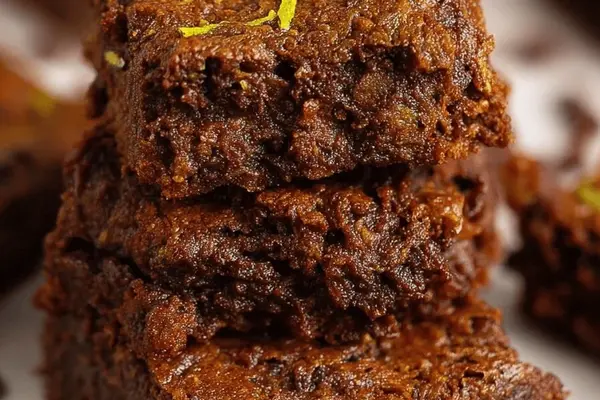
Profiteroles with Chocolate Chips & Zucchini
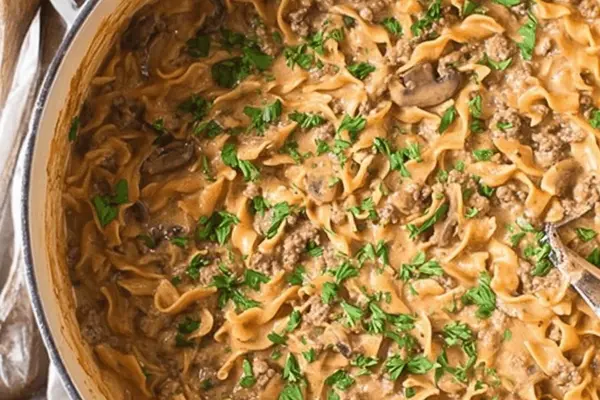
Ground Beef Stroganoff with Cremini Mushrooms
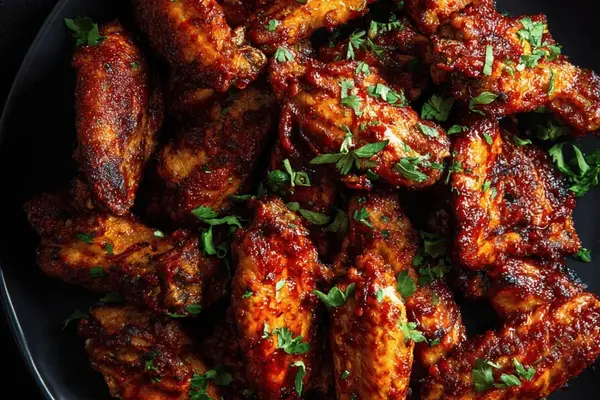
Baked Chicken Wings with Smoked Paprika
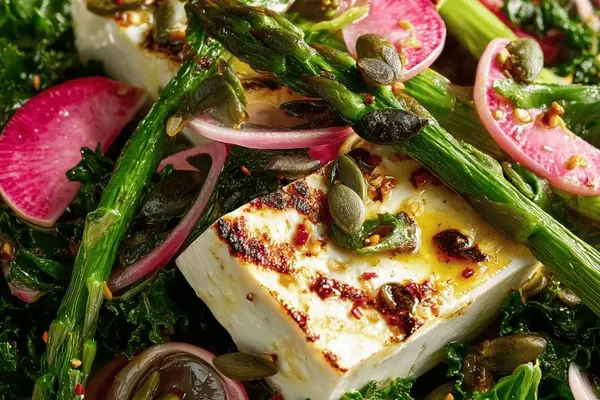
Grilled Asparagus Silken Tofu Salad
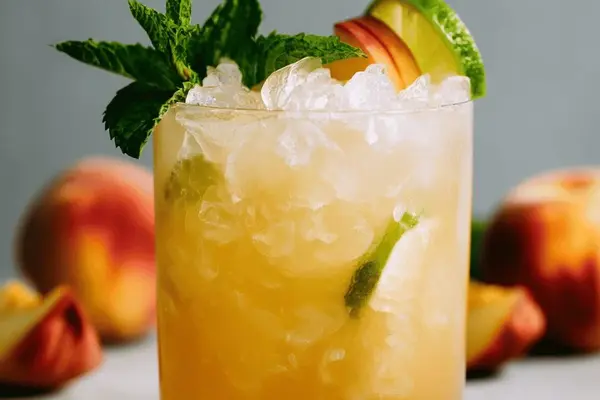
Peach White Rum Cooler with Elderflower
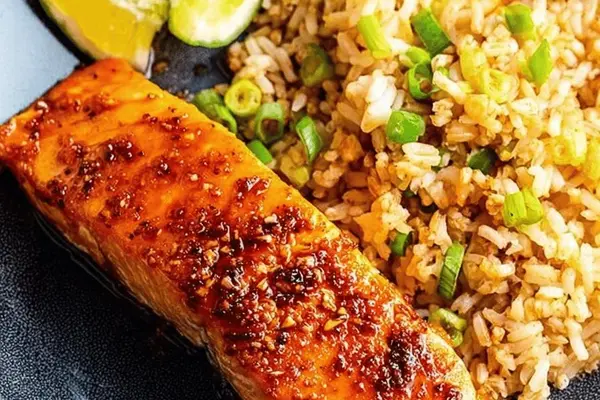
Air Fryer Salmon with Chipotle-Lime Glaze
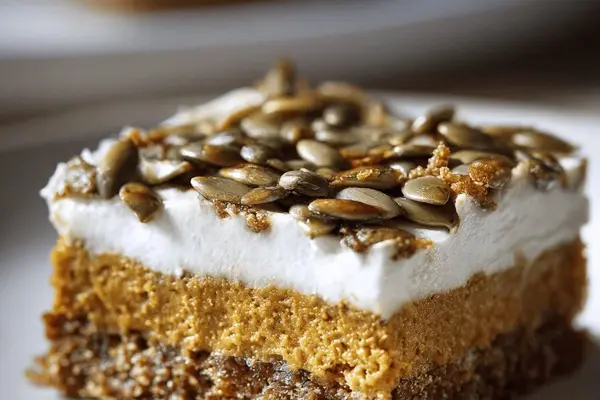
Pumpkin For Pie: Spiced Cake With Filling
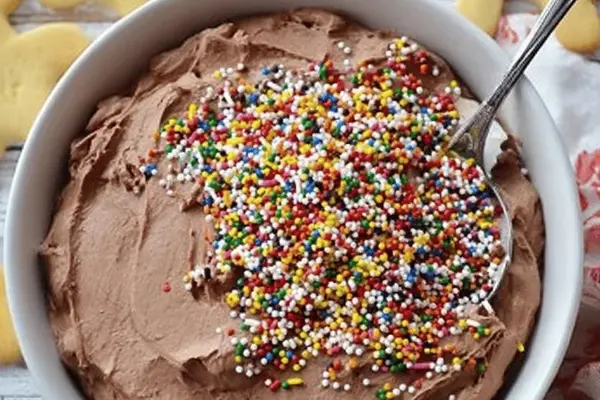
Chocolate Fun Dip with Cake Mix & Whipped Cream
Crispy Herb Roast Chicken with Butter
Green Bean Casserole with Bacon & Monterey Jack
Parmesan Cream Balls with Balsamic
Veal Stew with Peppers and Espelette
Pickled Eggs with Chipotle & Horseradish
Salted Caramel Chocolate Cake Recipe