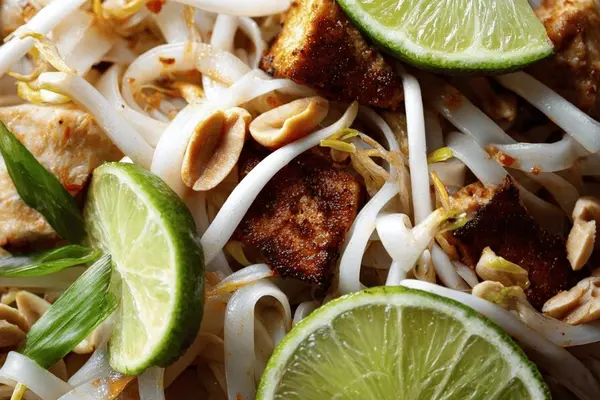
Pad Thai with Chicken, Rice Noodles & Sriracha
By Emma Kitchen
Certified Culinary Professional
·
Recipe tested & approved
Make authentic pad thai at home with chicken, rice noodles, tofu, and sriracha sauce. Topped with crushed peanuts and bean sprouts for texture.
Prep:
20 min
Cook:
35 min
Total:
55 min
Servings:
6 servings
Heat the skillet. Get it actually hot. You’re making pad thai — the noodles need the pan screaming. Three pounds of chicken thighs got me thinking about this one weeknight, no real plan beyond “make it work.” This happened.
Why You’ll Love This Pad Thai
Takes 55 minutes total. Start to finish. Not complicated. One pan. Everything goes in the same skillet once the chicken’s out. Spicy enough without being mean. The Sriracha goes in the sauce, not your face. Works as a full dinner. Works as a side. Works cold the next day, somehow better. Your kitchen smells like an actual thai restaurant — garlic, lime, that specific heat.
What You Need for Pad Thai Noodles
Flat rice noodles. 300 grams. The actual flat kind, not round. Round cooks weird. Boneless chicken thighs. Not breasts. Thighs stay juicy when you cook them past white. Five eggs. They go in scrambled, basically. Hold the pan together. Firm tofu. Pressed. If it’s not pressed, it’s just water with a problem. Leek. One. Thinly sliced. Onion works. Shallots work. Leek is better. Bean sprouts. Fresh. Get them the day you cook. Peanuts. Crushed. Not ground into dust.
Coconut sugar. Soy sauce. Lime juice. Canola oil. Sriracha. Garlic. Smoked paprika. It’s all normal stuff.
How to Make Pad Thai
Start the noodles first. Warm water in a bowl. Twenty minutes. They go soft but not cooked — that happens in the pan later. Drain them. Set them somewhere you won’t forget.
Slice the chicken thighs thin. Like half an inch thick. They cook faster that way. Dump them in a bowl with two tablespoons soy sauce, one teaspoon smoked paprika, a tablespoon of coconut sugar, and three minced shallots. Mix it. Let it sit. Ten minutes is enough. Doesn’t have to be longer.
Heat half the canola oil in the skillet over medium-high. This is where it gets loud. The oil should shimmer before the chicken goes in. Brown the chicken first — don’t stir it constantly. Let it sit for a minute, then flip. Eight minutes total. It should look dark and caramelized, not pale and boiled. Pull it out. Keep it warm wherever.
Same pan. Remaining oil. The leeks go in now. Two minutes. They go soft. Not brown. Soft.
Beat five eggs in a bowl — just beat them. Pour them into the hot pan. Grab a spatula. Break them into pieces as they cook. This takes maybe two minutes. Don’t let them go brown. Just cooked through.
Add the tofu cubes. Let them sit for a minute before stirring. They’ll get gold on the edges. That’s the goal. Season with salt and pepper. Taste it.
How to Get Pad Thai Crispy and Perfect
The sauce is separate. Do this while the tofu’s cooking. Two hundred milliliters water. Fifty milliliters lime juice. Forty milliliters coconut sugar. Fifty milliliters soy sauce. Two tablespoons Sriracha. Four cloves minced garlic. Mix it in a bowl. Stir it until the sugar dissolves. It should taste sweet and sharp at the same time — if it doesn’t, add more lime.
Pour the sauce into the skillet. All of it. Add the drained noodles. Now you stir. Continuously. For about five minutes. The noodles go from stiff to tender as they absorb the sauce. You’ll feel the resistance change in your wrist — that’s when they’re done.
Mix the chicken back in. The eggs. The tofu. Everything. Make sure it’s evenly coated in sauce. Nothing stuck to the bottom of the pan — scrape if you have to.
Pad Thai Tips and Common Mistakes
Don’t oversoak the noodles at the start. Twenty minutes. Not thirty. They finish cooking in the pan and oversoaking makes mush.
The pan has to be hot when the chicken goes in. If it’s not, the chicken steams instead of browns. Brown is what you want.
Lime juice. Not bottled. Not the concentrate. Fresh lime. It matters more than you’d think.
The sauce ratio looks wrong on paper — all that liquid in a dry pan with noodles. Trust it. The noodles drink it. By the time you’re done stirring, it’s gone. If there’s still liquid pooling, cook another minute or two.
Sriracha isn’t for heat freaks. A couple tablespoons is enough. The spice sits in the background. It’s not supposed to blow your mouth open.
Toast the crushed peanuts in a dry pan for two minutes before serving if you can. Makes them crunchier. Not necessary. But it works.
Pad Thai with Chicken, Rice Noodles & Sriracha
Prep:
20 min
Cook:
35 min
Total:
55 min
Servings:
6 servings
Ingredients
- For the noodles
- 300g flat rice noodles
- 400g boneless, skinless chicken thighs, sliced
- 2 tablespoons soy sauce
- 1 teaspoon smoked paprika
- 1 tablespoon coconut sugar
- 3 shallots, minced
- 50ml canola oil
- 1 leek, thinly sliced
- 5 eggs, lightly beaten
- 300g firm tofu, cubed and pressed
- For the sauce
- 200ml water
- 50ml lime juice
- 40ml coconut sugar
- 50ml soy sauce
- 2 tablespoons Sriracha sauce
- 4 cloves garlic, minced
- 50ml canola oil
- 1 tablespoon smoked paprika
- For the garnish
- 200g bean sprouts
- 75g unsalted peanuts, crushed
- Lime wedges, for serving
Method
- For soaking the noodles
- 1 In a bowl, soak the rice noodles in warm water for 20 minutes until pliable. Drain and set aside.
- For marinating the chicken
- 2 Mix the chicken, soy sauce, smoked paprika, coconut sugar, and minced shallots in a bowl. Let it marinate for 10 minutes.
- For cooking the dish
- 3 Heat half the canola oil in a large non-stick skillet over medium-high heat. Cook the chicken until browned and fully cooked, about 8 minutes. Remove and keep warm. In the same skillet, add the remaining oil, then cook the leeks for 2 minutes until soft.
- 4 Pour the beaten eggs into the skillet. Cook, breaking them up with a spatula until set. Add the tofu cubes and cook until golden. Season with salt and pepper to taste.
- For the sauce
- 5 In a separate bowl, mix the water, lime juice, coconut sugar, soy sauce, Sriracha, and minced garlic. Stir until well combined.
- 6 Pour the sauce into the skillet along with the soaked noodles. Toss continuously until the noodles absorb the sauce and are cooked through, around 5 minutes. Then mix in the chicken, eggs, and tofu until evenly distributed.
- For serving
- 7 Serve the noodle mixture in bowls. Top with bean sprouts and crushed peanuts. Add lime wedges on the side for extra zest.
Nutritional information
Calories
480
Protein
28g
Carbs
40g
Fat
25g
Frequently Asked Questions About Pad Thai
Can I use chicken breasts instead of thighs? Yeah. They’ll be drier. Thighs have fat running through them — that’s why they stay juicy. Breasts are fine if that’s what you have. Just don’t overcook them.
How spicy is this? Medium. Not intense. The Sriracha goes in the sauce so it’s distributed. You can add more at the end if you want heat. Can’t take it out once it’s in.
Do I need a wok? No. A large skillet works fine. Honestly, the non-stick pan is better because scrambled eggs don’t stick.
Can I make this vegetarian? Skip the chicken. Double the tofu. Add another egg or two. Still works. Still takes 55 minutes.
What if I don’t have smoked paprika? Don’t use regular paprika instead. Just leave it out. It’s adding a specific flavor — substituting with something else changes the whole dish. The pad thai food without it is still good.
Should the noodles be chewy or soft? Chewy. They should have some resistance when you bite them. If they’re mushy, you oversoaked or cooked too long.
Can I prep ingredients ahead of time? Sure. Soak the noodles. Marinate the chicken. Mince the garlic. Mix the sauce. Do all that an hour before. The actual cooking is fast once you start.
Is this actually pad thai or just noodles with stuff? It’s pad thai. The combination of sauce, noodles, eggs, and protein is the backbone. Traditional pad thai food in thailand uses similar structures. This version uses chicken and tofu instead of shrimp, and it works.
What’s the best lime for this? Persian limes. Regular grocery store limes. Key limes are small and annoying. Persian limes juice easy.
Does this keep in the fridge? Three days. It tastes different cold — the flavors flatten a bit. Heat it up in a pan if you want it hot again. Or eat it cold. Some people prefer it that way.
You’ll Love These Too
Explore all →
Lemon Dessert Bars with Ricotta Filling

Cheesy Sausage Broccoli Skillet Recipe
Corn Salad with Zucchini and Feta
Pumpkin Olive Oil Cake with Maple Glaze
Cherry Tomatoes Recipe with Maple Glaze
Peanut Butter Crinkle Cookies with Cocoa
Slow Cooker Meatloaf with Panko and Worcestershire
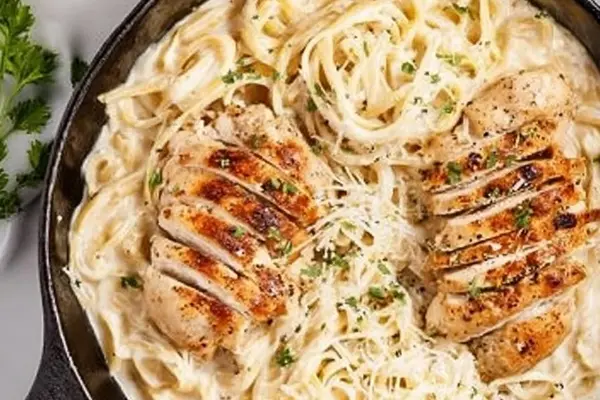
Creamy Chicken Pasta with Garlic Butter Sauce
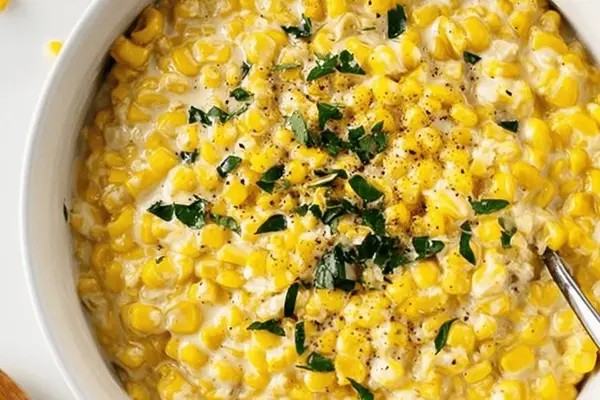
Corn Casserole Dish with Creamed Corn
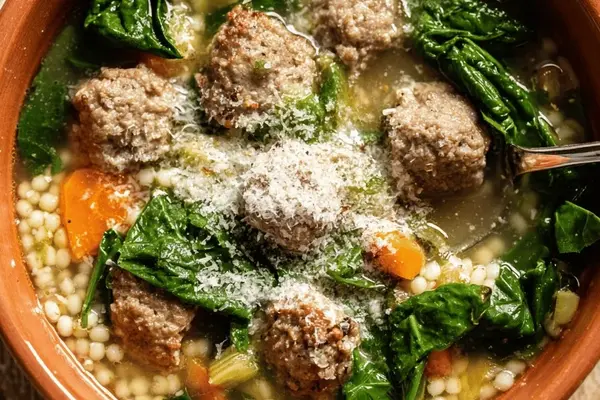
Italian Wedding Soup with Veal Meatballs
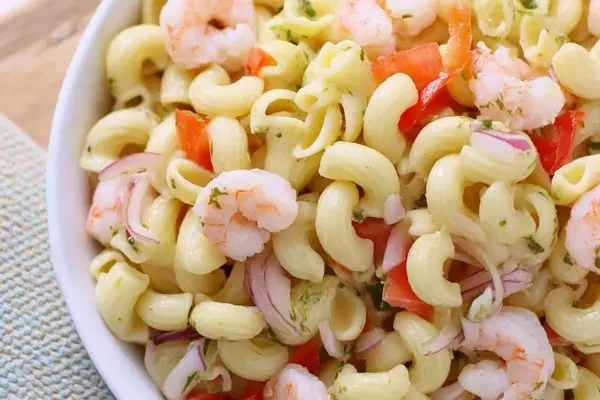
Pasta Salad With Shrimp and Lemon
Pan Seared Salmon with Wild Mushrooms
Celeriac Puree with Leek and Pecorino

Carrot Ginger Rum Cocktail with Elderflower
South Carolina Mustard BBQ Sauce with Molasses
Lemon Cream Cheese Pie No-Bake Recipe
Herbed Butter Board with Figs & Pistachios
Brown Sugar Bacon Kielbasa Bites Recipe
Autumn Spice Tea Punch with Mango Nectar