Apple Cider Reduction with Warm Spices
By Emma
Certified Culinary Professional
·
Recipe tested & approved
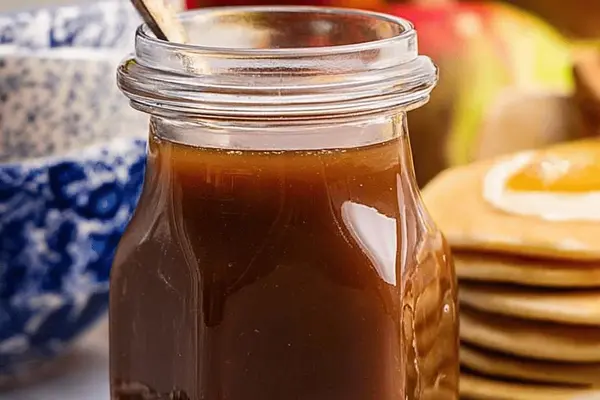
Pour the cider in, watch it bubble at the edges. Three tablespoons of arrowroot, some spices that smell like fall already. Fourteen minutes and you’ve got something that clings to a spoon like it means it.
Why You’ll Love This Apple Cider Reduction
Takes twenty minutes total—six to prep, fourteen on the stove. Works as a condiment for almost anything. Pancakes, roasted vegetables, glazed pork. Just different every time you use it.
The spices actually stay bright. Cinnamon, allspice, ginger, cloves, star anise—they don’t get dull or bitter like they do when you boil them for hours. Stays sharp. Gets amber-colored without turning brown and flat.
Arrowroot instead of cornstarch means it thickens clean. Clear. Not cloudy. The reduction has something going on—depth from the spices, tang from the vinegar, richness from the butter hitting the cider.
Cold next day it gets thicker, almost gluey. Which is either annoying or perfect depending on what you’re using it for. A little heat and some cider fixes it. Sometimes takes two minutes. Sometimes twenty. Just depends.
What You Need for Apple Cider Reduction
Four cups of apple cider—the real kind, not the stuff that’s mostly high fructose corn syrup. Matters. A quarter cup of apple cider vinegar. Not white vinegar. Too sharp. Apple cider’s got something rounder to it.
Arrowroot powder. That’s the thickener. Doesn’t break down like cornstarch does when you stir it too much. Sets cleaner, stays transparent. You’ll see the amber color, not a murk.
Coconut sugar. Not brown sugar. Brown sugar brings molasses and that’s not what you want here. Coconut sugar gives caramel notes without the molasses edge.
The spices: cinnamon, allspice, ginger, cloves, star anise, fine sea salt. One and a half teaspoons cinnamon. One teaspoon each of allspice and ginger. A quarter teaspoon cloves. Half a teaspoon star anise. One eighth teaspoon salt. Sounds like a lot of salt—it’s not. Just enough to hold everything together.
Two tablespoons of unsalted butter. Goes in early, melts into the cider. Silkiness. Tempering the acid. You can skip it if you’re vegan but then add more vinegar to make up for what the butter was doing.
How to Make Apple Cider Reduction
Mix your dry stuff first. Arrowroot, cinnamon, allspice, ginger, cloves, star anise, salt, and coconut sugar into a small bowl. Stir until it’s all one color, no streaks. This matters because if you dump it all into the liquid at once, arrowroot clumps. Doesn’t dissolve. Just hardens into little bits that won’t break down.
Pour the cider and vinegar into a medium saucepan. Medium heat. Not high. You’re not racing. Melt the butter in there, let it break into the liquid. Watch the edges. Tiny bubbles should start forming around the rim—that’s when you know the temperature’s right.
Now the dry mix. Sprinkle it in slowly while you stir. Brisk. Fast circles with a whisk or spoon. Not dumping. That’s the whole game right there. Slow stream, constant stirring, and you’ll feel it happen—the slurry forms, gets slick, starts to thicken. You’re looking for something that flows but has body.
Once you see it thickening, lower the heat a notch. You don’t want a hard boil anymore. Just gentle bubbles. Watch the color. It’ll go from pale to amber, lose that watery shine. The smell changes too—gets sharper, more fragrant. That’s the spices opening up.
How to Get Apple Cider Reduction to the Right Thickness
Stir almost constantly. This is not a step where you walk away. The reduction needs movement to thicken evenly and keep the bottom from catching. About twelve to fifteen minutes, but time is useless here. Watch what it’s actually doing.
Bubbles should pop gently, sound grittier than a rolling boil. Steam smells sharp and fragrant. The whole thing gets thicker, darker, more concentrated. If it’s still too runny at the twelve-minute mark, keep simmering. If it’s getting too thick, splash a little cider in and stir. It comes back.
Pull it off heat when the syrup clings to the spoon. Stretches but doesn’t break immediately. Not perfectly thick yet—it’ll thicken more as it cools. Let it sit for eight minutes before serving. Cooling sets it. Don’t let it cool too long though or it turns gluey, almost paste-like. If that happens, rewarm it gently with a splash of cider to loosen.
The smell tells you more than anything. When it smells too sharp, too acidic, it’s probably done and just needs time off the heat to mellow. The aromatics cook out fast once it hits a simmer. Give it a minute. The vanilla, the warmth, they come through more when it’s not bubbling.
Apple Cider Reduction Tips and Common Mistakes
Lumps happen. If you see them forming, grab a whisk and break them up quick with cold cider or water—just a little, not much. Don’t over-stir while it’s hot or you’ll break down the thickening. Cold liquid plus quick whisking fixes it every time.
Graininess shows up sometimes after it’s been stored. That’s the sugar crystallizing. Rewarm it gently with a small splash of cider and stir. Comes back smooth. If it keeps happening, try lowering the coconut sugar by half a teaspoon next time.
The timing’s not exact because your stove’s heat is not the same as someone else’s. Fourteen minutes is a ballpark. Could be twelve. Could be sixteen. Trust your eye and nose, not a timer. The color shift and the smell are what matter.
If you mess up the timing and it’s too thick, don’t panic. Stir in small amounts of cider until it flows right. Too runny? Keep the heat on and give it another few minutes. It’s forgiving if you catch it before it gets completely away from you.
Butter adds richness and helps the mouthfeel. Tempers acid too. You can leave it out but increase the vinegar slightly to keep the balance. For a vegan version, just skip it. Star anise adds this complexity that’s hard to name. Not licorice, exactly—something deeper. Swap it for cardamom or nutmeg if you want to shift the profile. Every swap changes the thing.
Arrowroot sets faster and cleaner than cornstarch. Cornstarch makes it cloudier, more opaque. If you only have cornstarch, use it but know it won’t be transparent. The taste is fine either way. The texture’s slightly different—cornstarch gets a bit grainier if you store it longer.
Apple Cider Reduction with Warm Spices
Prep:
6 min
Cook:
14 min
Total:
20 min
Servings:
12 servings
Ingredients
- 3 tablespoons arrowroot powder
- 1 1/2 teaspoons ground cinnamon
- 1 teaspoon ground allspice
- 1 teaspoon ground ginger
- 1/4 teaspoon ground cloves
- 1/8 teaspoon fine sea salt
- 3 tablespoons coconut sugar
- 4 cups apple cider
- 1/4 cup apple cider vinegar
- 2 tablespoons unsalted butter
- 1/2 teaspoon ground star anise
Method
- 1 Start by tossing arrowroot, cinnamon, allspice, ginger, cloves, star anise, salt, and coconut sugar into a small bowl; stir until evenly distributed. Arrowroot chosen for cleaner thickening and clearer finish. Coconut sugar replaces brown sugar to reduce molasses edge and provide caramel notes.
- 2 Pour apple cider and apple cider vinegar into a medium saucepan — medium heat, no rushing. Toss in butter to melt gently, injecting silkiness and tempering acidity. Watch for tiny bubble rims forming around the edges.
- 3 Sprinkle dry mix into the pan in a slow stream while stirring briskly. Avoid dumping all at once to prevent clumps — you want a slick slurry, not hardened bits. Feel the consistency shift; when it thickens slightly, lower the heat a notch.
- 4 Stir almost constantly; bubbles should rise, pop gently, and sound grittier than a rolling boil, with steam smelling sharp and fragrant. The color deepens to a warm amber, losing that watery shine. About 12 to 15 minutes, but watch cues, not the clock. If syrup feels too runny, keep simmering; if too thick, splash a little cider and stir.
- 5 Take off heat when the syrup clings to the spoon, stretching but not breaking immediately. Set aside for 8 minutes to cool slightly and set; syrup will thicken more as it rests. Don’t overcool or it turns gluey. Rewarm gently if needed before serving.
- 6 Serve warm or at room temperature over pancakes, roast veggies, or as a glaze for pork. Store leftovers in jar, refrigerate, reheat gently with splash of cider to loosen. Watch for graininess after stored long.
- 7 If there are lumps, quickly whisk with a little cold cider or water to smooth; don’t over-stir while hot or will break down texture. Butter adds richness and helps with mouthfeel but can be omitted for vegan variation, increasing vinegar slightly for balance. Star anise adds complexity but swap with cardamom or nutmeg to shift profile.
- 8 Remember: thickening agents behave differently with heat intensity and timing. Arrowroot sets faster and transparent; cornstarch will make it slightly cloudy and more opaque.
- 9 Don’t run off if you've messed up the timing; adjust by stirring in small amounts of cider to rescue the texture. Trust your nose and eye, not timers. Aromatics cook out over time, so if it smells too sharp, give it a minute off heat before serving.
Nutritional information
Calories
45
Protein
0g
Carbs
11g
Fat
1.5g
Frequently Asked Questions About Apple Cider Reduction
Can I make this ahead of time? Yeah. Make it, let it cool, store it in a jar in the fridge. Lasts about two weeks. When you want it, rewarm gently with a splash of cider to loosen it back up. Sometimes it gets thick as paste sitting in the cold. That’s normal.
What if I don’t have arrowroot powder? Cornstarch works but it’ll be cloudier. Use the same amount. Works fine either way. Kudzu’s another option if you’re that deep into it. Xanthan gum’s too strong—skip it.
Can I use regular brown sugar instead of coconut sugar? Yeah but it tastes different. Brown sugar brings molasses, makes it heavier, darker. Less bright. Coconut sugar gives caramel without the molasses weight. If you only have brown sugar, go ahead. Doesn’t ruin it.
How warm should it be when I serve it? Serve it warm or room temperature. Both work. Cold it gets thick again, almost paste-like. Not bad, just different. A little warmth and it flows again.
Can I double this recipe? Sure. Scale everything up. Takes maybe a minute or two longer because you’ve got more volume. Watch the same cues—color, smell, spoon test. Don’t assume it’s done just because the math says fourteen minutes.
What should I serve this with? Pancakes. Waffles. Roasted vegetables—squash, Brussels sprouts, carrots. Glazed pork chops. Roasted chicken. Over vanilla ice cream if you want something weird and good. It’s a condiment. Use it like one.
You’ll Love These Too
Explore all →
Shrimp Scampi with Garlic, Fennel & Tomatoes

Mongolian Beef Noodles with Sesame Oil
Grilled Asparagus Silken Tofu Salad
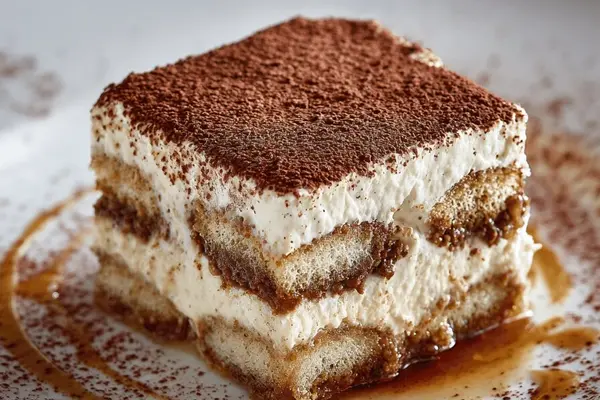
Tiramisu Dessert with Ricotta & Espresso

Caramelized Onion Pan Pizza with Mozzarella
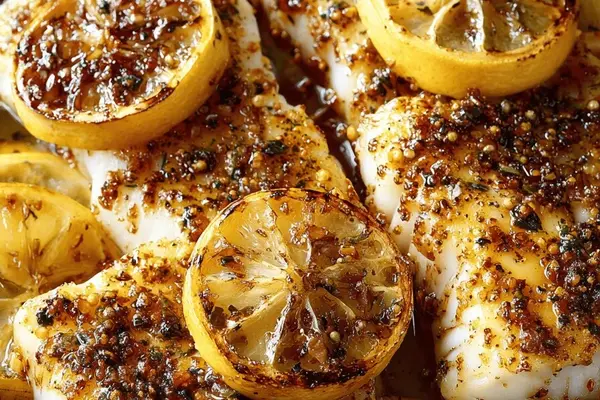
Dijon Glazed Fish with Maple and Lemon

Chocolate Cookie Cocoa Powder Recipe

Cheesy Macaroni Recipe with Sweet Potato
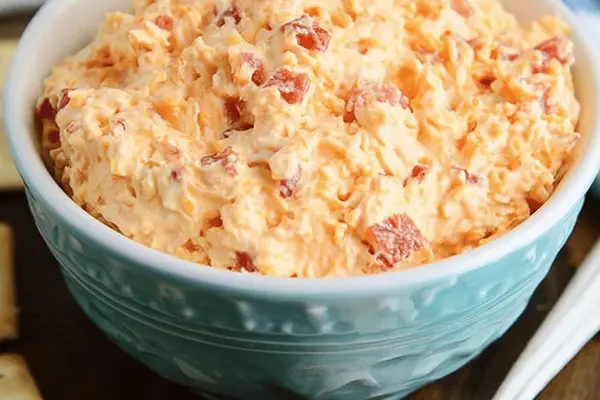
Pimento Cheese with Manchego and Smoked Paprika
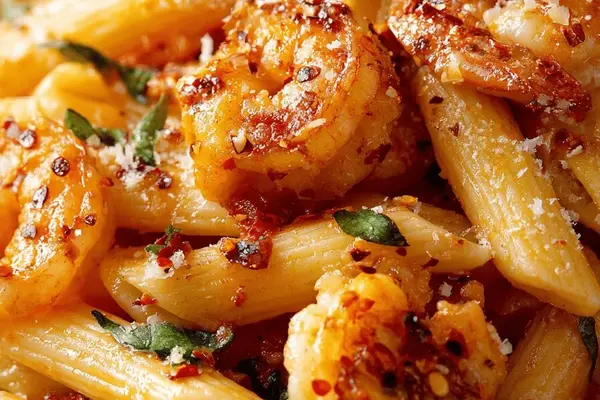
Spicy Shrimp Penne Pasta with Tomato Sauce

Rustic Slow Chicken Stew with Bacon

Loaded Mashed Potato Bake with Turkey Bacon

Air Fryer Spring Rolls with Cabbage
Herbed Chicken & Crispy Shallot Salad
Lamb Dishes Middle Eastern: Crispy Kibbeh
Rustic English Scones with Sour Cream
Crunchy Chicken Potato Bake Recipe
Cannellini Bean Salad with Grilled Shrimp
Coffee Swiss Meringue Buttercream Cake