
Bucatini All Amatriciana with Guanciale
By Emma
Certified Culinary Professional
·
Recipe tested & approved
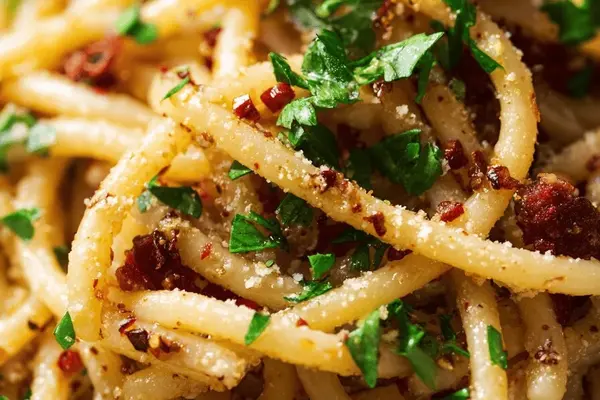
Authentic bucatini all amatriciana combines guanciale, sun-dried tomatoes, and pecorino romano for a traditional Roman pasta. Garlic and white wine deepen the flavor.
Prep:
20 min
Cook:
30 min
Total:
50 min
Servings:
4 servings
Guanciale goes in the pan first. Three minutes and the fat starts rendering. That’s when you know you’re doing this right.
Why You’ll Love This Bucatini Amatriciana
Fifty minutes total — mostly just waiting for things to soften. The guanciale does the work. Crispy, salty, that specific pork flavor you can’t replicate with bacon no matter how hard you try. Comfort food that tastes like it took hours but didn’t. Leftovers are somehow better the next day, which shouldn’t work but it does. One pot, one pan, minimal cleanup — sauce goes in the pasta water, pecorino finishes it all at once.
What You Need for Amatriciana Sauce and Bucatini
Guanciale. Not pancetta. Not bacon. The pork jowl renders differently — more fat, less smoke, and it stays actually crispy instead of chewy. Cut it into cubes about the size of a thumbnail. If you can’t find guanciale anywhere near you, the dish doesn’t really work. Seriously. Bacon’s fine for other things. Not this.
Bucatini, not spaghetti. Thicker, hollow through the middle. Sauce gets inside and outside. 340 grams or three-quarters of a pound.
Canned San Marzano tomatoes. A 550-milliliter can. Whole ones. You’re going to crush them yourself.
Dried tomatoes. Ten grams, chopped fine. Adds this concentrated sweetness that balances everything.
Pecorino Romano — the sharp one. Not the mild stuff. 60 grams grated. You’ll need it at the end.
Garlic. Three cloves, minced. Actually mince it. Not a paste, not smashed. Small chunks.
Olive oil. 25 milliliters. Good oil. You taste it here.
White wine. 15 milliliters. Dry. Whatever you’d drink.
Red pepper flakes. A pinch. Not tablespoons. A pinch. Spicy is a whisper, not a shout.
Fresh black pepper. Lots. Grind it yourself.
Fresh parsley for the end. Optional but works.
How to Make Bucatini All Amatriciana
Get your guanciale in a big pan first — medium-low heat, no oil. Let it sit for about seven minutes. The fat renders slow. You’re not searing it. Just letting the heat pull the fat out and make the meat crispy on the edges. When it looks crunchy and the pan’s shiny, pull it out and set it on a paper towel. Drain most of the fat if there’s more than a tablespoon left. You’ll use some for the next part.
Same pan, drop the heat to medium. Pour in your olive oil — just enough to coat. Garlic goes in now. Two minutes, stirring sometimes. Don’t let it brown. Once it smells sharp and warm, add the whole canned tomatoes right in. Break them up with a wooden spoon as they hit the pan — some crushed, some chunky, nothing smooth. Add the white wine, dried tomatoes, and that pinch of red pepper. Let it bubble gently for fifteen minutes. Just sitting there, reducing slightly. The sauce thickens a bit, the tomatoes soften and start falling apart. After fifteen minutes, use a fork to crush any whole tomatoes that are still hanging on. Cook four more minutes. That’s your amatriciana sauce.
Meanwhile — big pot, salted water, boiling hard. Bucatini cooks eight minutes. Seriously. Al dente. Maybe even slightly under if you like it with a slight resistance. Right before you drain it, grab a cup of pasta water. Use the measuring cup. You need about 200 milliliters. Set it aside.
Pour the pasta into the sauce. Stir constantly. Start adding pasta water a little at a time — a quarter cup, then another, then another. It’s not a soup. You’re trying to make the sauce coat the pasta and let the bucatini absorb some of the liquid. Takes about six minutes of constant stirring. The sauce gets thicker, clings to each strand.
How to Get the Sauce Just Right in Bucatini Amatriciana
The key is not oversaucing it. The pasta should look wet but not swimming. If you’re unsure, use less water. You can always add more. If you drown it, you’re starting over.
Pull the pan off heat. Sprinkle the pecorino over everything — all 60 grams — and stir hard. Like, actually put your back into it. The cheese melts into the heat of the pasta and binds everything. Then fold in the guanciale pieces. Don’t stir it to death. Just work it in so it’s distributed.
Plate immediately. Grind fresh pepper over the top. If you have the parsley, scatter some. Serve with extra pecorino on the side and a pepper mill because people will want more. They always do.
Bucatini Amatriciana Tips and Common Mistakes
Cook the guanciale low and slow. High heat and it burns before the fat renders. You want those tan, crispy edges, not black ones.
The sauce should be grumpy — some chunks, some liquid, not refined. If you crush the tomatoes into nothing, it tastes flat.
Don’t skip the pasta water. Starch is what makes the sauce stick. Without it, everything slides around the plate.
Guanciale is the non-negotiable ingredient. I know it costs more. I know bacon is cheaper. Amatriciana without guanciale is just tomato sauce on pasta. It’s not bad. It’s just not amatriciana.
The cheese goes in after you pull from heat. If the pan’s still hot and you add pecorino first, it’ll seize and clump instead of melting smooth into a sauce.
Bucatini All Amatriciana with Guanciale
Prep:
20 min
Cook:
30 min
Total:
50 min
Servings:
4 servings
Ingredients
- 3 gousses d’ail, hachées
- 25 ml (1 ½ c. à soupe) d’huile d’olive
- 1 boîte de 550 ml (19 oz) tomates italiennes entières
- 170 g (3/8 lb) guanciale, coupée en dés de 1 cm
- 340 g (3/4 lb) bucatinis
- 60 g (2/3 tasse) de pecorino romano frais râpé
- 15 ml (1 c. à soupe) vin blanc sec
- 10 g (1 c. à soupe) tomates séchées, hachées
- persil frais haché, pour garnir
- poivre fraîchement moulu
- pincée de piment rouge broyé
Method
- 1 Écraser l’ail finement. Chauffer l’huile dans une casserole à feu moyen. Ajouter l’ail, cuire 2 minutes sans dorer.
- 2 Incorporer tomates entières, vin blanc, tomates séchées, piment rouge. Laisser mijoter 15 minutes. Écraser doucement les tomates à la fourchette pour avoir une sauce grumeleuse, pas complètement lisse. Cuire encore 4 minutes.
- 3 Dans une grande poêle, cuire le guanciale à feu moyen-doux 7 minutes. Retirer quand gras rendu et morceaux bien croquants. Égoutter sur papier absorbant. Poivrer légèrement.
- 4 Chauffer grande casserole d’eau salée. Cuire bucatinis 8 minutes, très al dente. Réserver 200 ml d’eau de cuisson, égoutter.
- 5 Verser pâtes dans la sauce tomate. Ajouter eau de cuisson petit à petit. Cuire 6 minutes, mélanger souvent. Épaissir sauce, pâtes s’imprègnent.
- 6 Retirer du feu. Ajouter pecorino, remuer vigoureusement. Incorporer guanciale.
- 7 Garnir de persil frais. Servir immédiatement avec un moulin de poivre.
Nutritional information
Calories
490
Protein
22g
Carbs
62g
Fat
18g
Frequently Asked Questions About All Amatriciana Sauce
Can I substitute bacon for guanciale in this bucatini amatriciana? Not really. Bacon cooks differently — it gets crispy but the meat’s leaner, so the flavor’s thinner. Guanciale has that specific richness from the jowl fat. If guanciale’s impossible, don’t make this dish. Make something else instead.
How long does amatriciana sauce keep in the fridge? Four or five days in a sealed container. Tastes better on day two, actually. The flavors settle. You can reheat it gently with a splash of water if it’s too thick.
Can I make the amatriciana sauce ahead and finish the pasta later? Yeah. Make everything through the simmering. Cool it, store it. When you’re ready to eat, bring the sauce back up to a gentle heat, cook the pasta fresh, and combine them. Don’t let it sit together or the bucatini gets mushy.
What if I use spaghetti instead of bucatini? Works fine. Bucatini’s better because of the hollow center — sauce gets inside and outside at once. But spaghetti will do it. Just as al dente.
Why do I need pasta water in the amatriciana recipe? Starch. It makes the sauce stick to the pasta instead of sliding off. Plus it helps the pecorino melt smooth into the sauce instead of clumping. Without it, everything tastes separately instead of together.
Is amatriciana supposed to be spicy? Not really. Red pepper’s there — just a whisper. You taste the tomato, the guanciale, the cheese first. Spice is background. If people want it hotter, they add more at the table.
You’ll Love These Too
Explore all →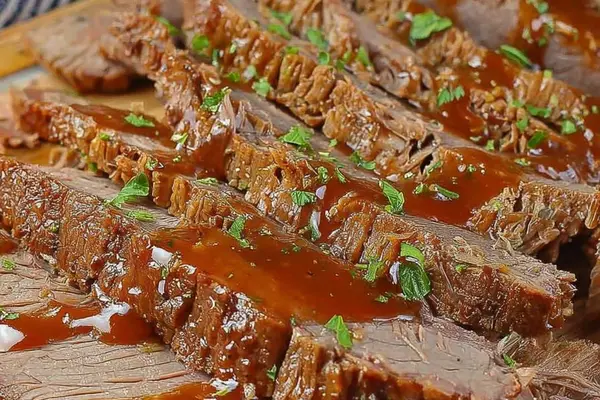
Instant Pot BBQ Brisket with Molasses Sauce
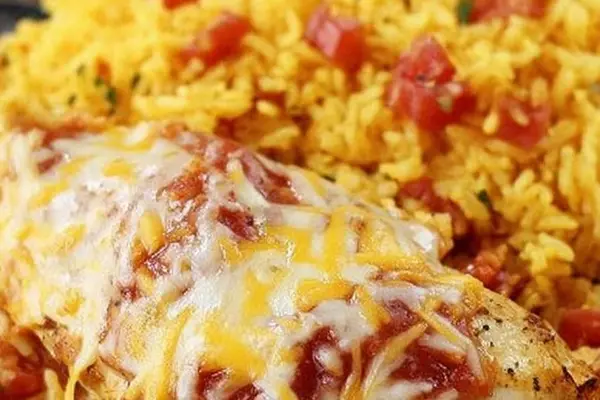
Cheesy Salsa Chicken Rice One-Pan Bake
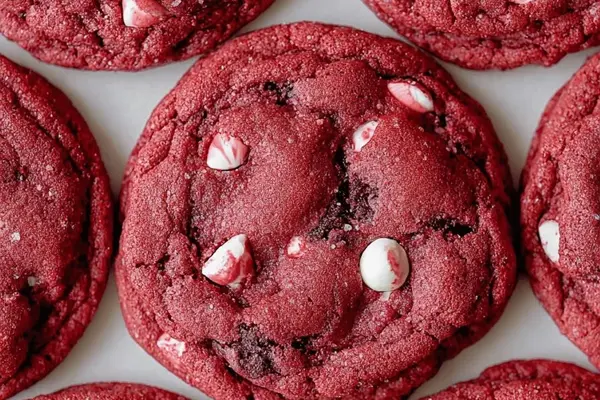
Red Velvet White Chip Cookies Recipe
Andes Mint Chocolate Cookies Recipe
Cheesy Basmati Arancini with Cheddar Béchamel

Coconut Cheesecake Bites with White Chocolate
Millionaire Bars with Coconut Sugar Caramel
Slow Cooker Chicken and Dumplings
Paloma Beverage Recipe with Grapefruit

Crab Rangoons with Cream Cheese & Jalapeños
Chili Verde Recipe with Ground Pork
Cannellini Bean Salad with Grilled Shrimp
Vegan Crème Brûlée with Chai Spices
Making Chocolate Chip Cookies Recipe
Panzanella Salad with Pancetta and Grape Tomatoes
French Toast Bake With Blueberries
Beef Chili with Beer and Carrots
Indian Tomato Poached Eggs with Potatoes
Herb Pesto with Walnuts and Pecorino